BREAKING NEWS: PANDEMONIUM AT THE NBA PORT HARCOURT BRANCH

BREAKING NEWS: PANDEMONIUM AT THE NBA PORT HARCOURT BRANCH


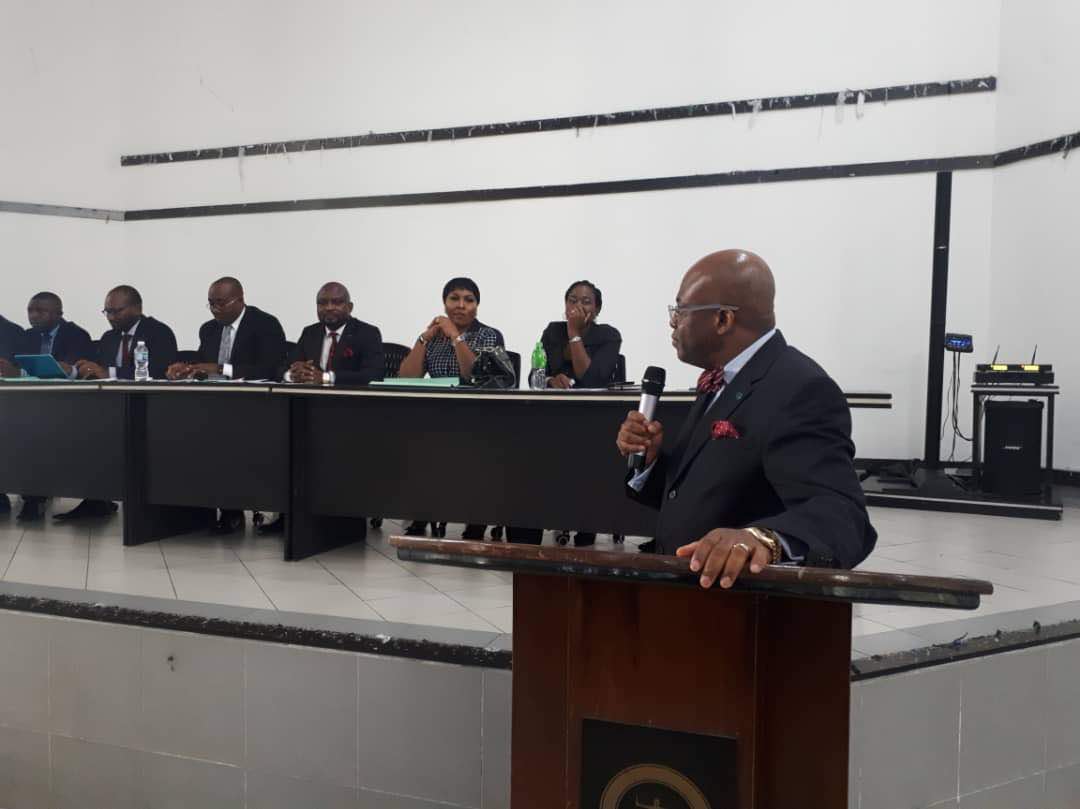
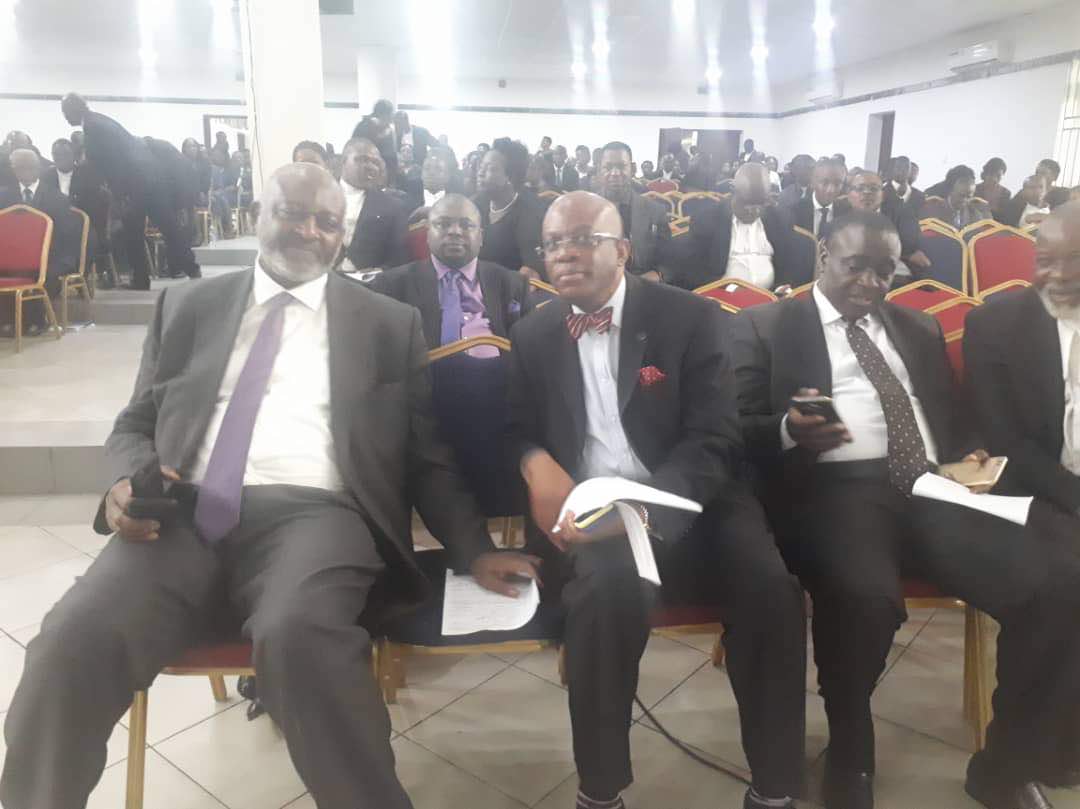
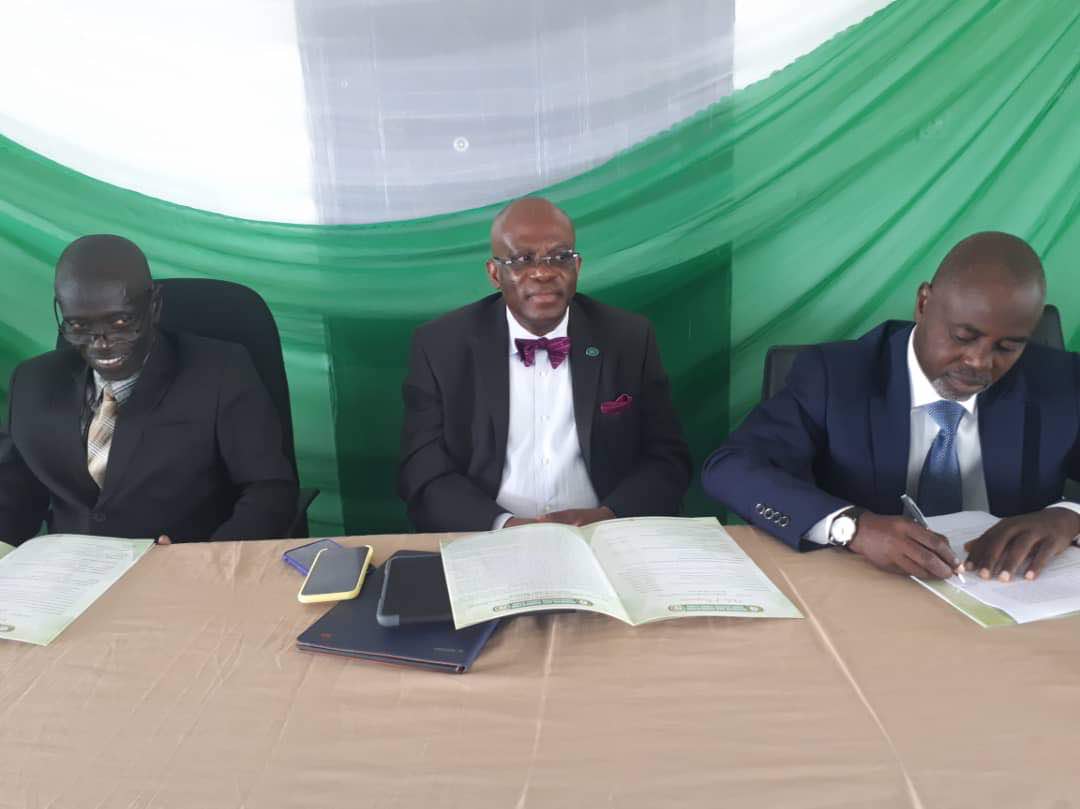
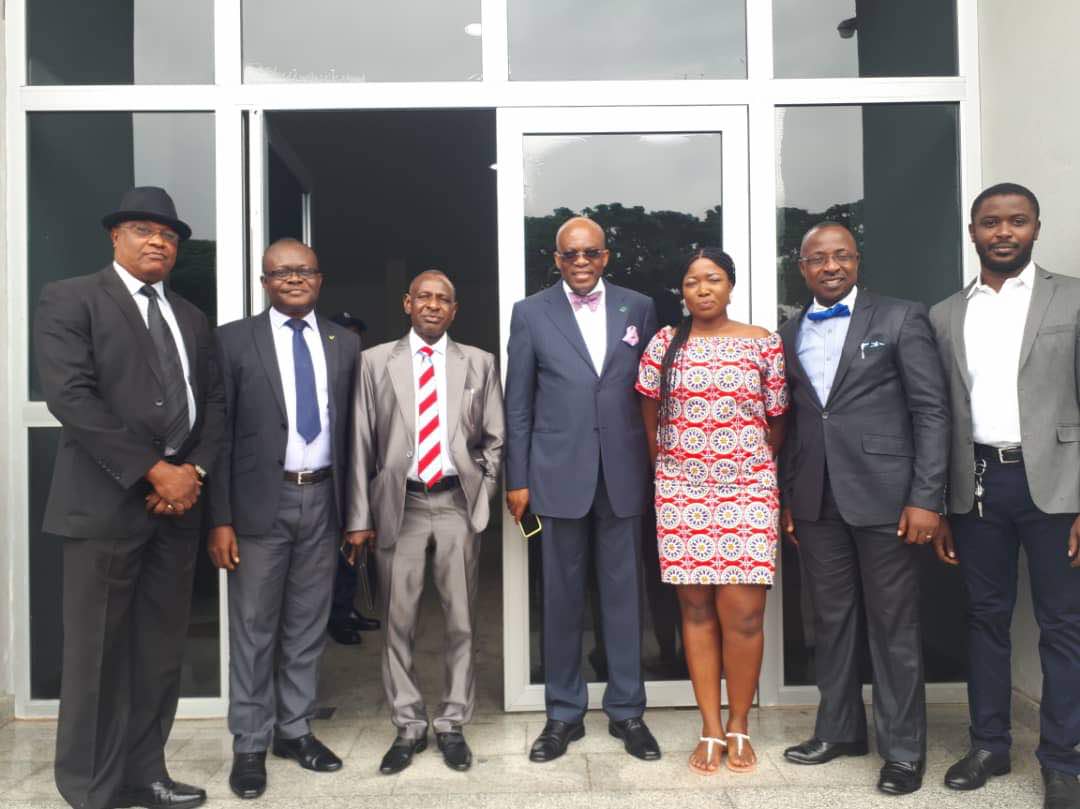
The Port Harcourt Branch of the Nigerian Bar Association was thrown into uproar following a point of order raised by Okey Wali, SAN during the maiden meeting of the New Executives of the branch at the famous Garden City, Port Harcourt.

The point of order was  against the learned Silk, Paul Usoro SAN, noting that Mr. Usoro is not a member of the Eastern Bar Forum (EBF) and as such cannot speak at the meeting.
According to sources at the event; Mr. Okey Wali seized the mic from Paul Usoro when he was called upon by the newly elected Port-Harcourt Chair, to greet the house.
Reacting to the occurrence, members of the Port Harcourt Branch were said to have shamed Mr. Okey Wali, SAN while another Senior Advocate of Nigerian and former NBA President, OCJ Okocha overruled him and allowed Paul Usoro to address the Branch.
OCJ Okocha, SAN, in a great show of disagreement with Okey Wali resolved the issue as Paul Usoro was granted audience on the ground of the ‘ONE BAR’ principle.

ECNBA – Crisis Of Confidence And Credibility

INHERENT FLAWS AND DEFECTS IN 

THE ECNBA ELIGIBLE VOTERS’ LIST – THE LOOMING CRISIS OF CONFIDENCE AND CREDIBILITY QUESTION.

It is yet another Election year in the annals of the Nigerian Bar Association (NBA) and all eyes are on Professor Auwalu Yadudu’s led Electoral Committee of NBA (ECNBA) to deliver on its promises to conduct a free, fair and credible Election for the foremost professional Association in Africa. However if feelers coming from the members of the NBA are anything to go by, the hope of those expecting a credible poll in this Year’s election is bound to be dashed unless urgent steps are taken to arrest the looming crisis of confidence and credibility question that is threatening to mar the July Poll. There is no gainsaying the fact that the process leading up to an event determines its result


A shoddy preparation cannot give birth to credible result or outcome. It is a case of garbage in, garbage out and one cannot put something on nothing and expect it to standThis perfectly describes theECNBA and its current preparation for the upcoming general election – election that will produce the leaders of the biggest body of legal professionals in Africa.  
The ECNBA was set up sometime in March this year by the incumbent NBA President, A.B. Mahmoud SAN with the mandate to amongst other things, manage, control and conduct elections of national officesThe ECNBA’s terms of reference also include the screening of aspirants and publication of the list of eligible votersIn line with its duties, the ECNBA had by a notice requested Branches across the Federation to submit the names of eligible voters from their respective branches. To be an eligible voter, a lawyer must have paid his annual Bar Practising Fees (BRF) on or before the 31st day of March, 2018 and also paid his branch dues at branch level. In compliance with the ECNBA demands, all the Branches forwarded their respective eligible voters’ list to the ECNBA
On Friday, 22 June 2018, the ECNBA released a notice urging members of the Bar to confirm that their names are on the list of eligible voters for the election. Thus, the ECNBA’s first assignment of compilation and publication of eligible voters list which usually precedes every election has turned out to be a major acid test of the Electoral Umpire’s preparedness for the herculean task. The reactions that have continued to trail the eligible voters list released by ECNBA have left a lot to be desired of the Committee’s commitment to a credible election.  ECNBA has failed its first major assignment and by implication indicative of its unpreparedness for the forthcoming elections. Some of the non-exhaustive credibility questions that have bedevilled the Voters List include the following:
Non-availability of names and details of Eligible Voters on the Voters List
As noted above, the ECNBA had requested that NBA Branches forward their list of eligible voters. This was of course a proper request in that Branches are better positioned to know those who have complied with the requirement forpayment of the BRF at the appropriate time together with their Branch Dues. These Branches complied with the ECNBA’s request and forwarded the Lists. Even the voters who had issues quickly contacted their branches and had to go through a very tough and hectic process before those issues were resolved. Hence, all that the ECNBA would have done was tosimply and carefully collate those names as sent to it by the Branches and come up with a comprehensive List that contains all the names and details of the eligible voters, based on the submission by the Branches and for ease of retrieval, arranged in alphabetical order.  Alas! The reverse is however the case. That simple exercise has turned into a nightmare as most names are found missing on the NBA published Eligible Voters List. Those who were lucky to have their names on the List, have one or two issues ranging from missing email or phone numbers or in some cases misspelt names. The question is, which Lists did the ECNBA use in compiling its own eligible voters’ list? If the ECNBA used the lists submitted by Branches, why is there so much disparity across the Branches? The most likely answer is that the ECNBA did not use the list provided by Branches and one cannot but wonder the reason for such a tortuous exercise? Why did ECNBA request Branches to provide the lists it never intended to make use of? Could it be that ECNBA employed incompetent hands to manage the process of harmonizing the lists? How many more of such incompetence are we still going to witness before and during the election? If the preparatory process is lacking in credibility of this magnitude, can we expect anything better during the elections proper? With the 3 days’ deadline currently given, what fate will befall members who have travelled out of the Country or without access to their email within that period. Why would the ECNBA re-type or re-prepare the Lists sent to them by the Branches? How can one vouch for the accuracy and authenticity of the List now being re-prepared by the ECNBA? So many questions without answers!   
Timeframe for Resolution of Issues and Complaints.    
To worsen the whole process, ECNBA by its notice released just on the same Friday, 22 June 2018 requested that members with complaints have up till Tuesday, 26 June 2018 to rectify whatever needs to be rectified. With due respect to ECNBA, that is a joke taken too far in view of the many problems plaguing its eligible voters’ list. If it took ECNBA over a month to harmonize the lists submitted by Branches (assuming it used the lists at all) and the list released is fraught with such inconsistencies, errors and defects, how can it in just 3 days rectify the massive complaints it is bound toand has received thus far from across the FederationFrom the reports so far, there is no Branch of the NBA that does not have one complaint or the other coming from their members. In the circumstance, if the ECNBA wants to be taken seriously, it is only logical that it extends the timeframe for resolving the terrible mess it has created. After all, it is the ECNBA that created problems in the first place
Multiple Lists flying around
Even the so-called Eligible Voters List being circulated by the ECNBA has left members more confused as there are multiple lists reminiscent of Delegate Lists of a typical Nigerian Political Parties Primary Elections. To make matters worse, these multiple lists with different contents all purportedly emanate from the same ECNBA and there has not been any disclaimer in respect of any of them. One can only imagine what will happen in the actual election process. 
Conclusion
Clearly, the Eligible Voters List by the ECNBA is anything but credible, efficient and error-free. Hence, the ECNBA is hereby called upon to put its acts together and address the afore-noted issues threatening its credibility of the main electionMore bewildering is the fact that it has just been reported that the ECNBA expects individual lawyers who have one or two issues or the other to resolve to personally send mails directly to it. This was not part of the original instruction and it is coming barely 24 hours to the deadline! What exactly is working on the ECNBA’s mind, we really do not know. Some lawyers are not even aware that their details are not captured in the ECNBA list! Again, does ECNBA have the capacity to handle multiple mails from individual lawyers as to ensure that a faultless list is compiled by Tuesday? To avoid stories that touch, we demand that competent and trusted hands be employed to handle the Voters List compilations as the job has been made easier by the Branches’ submitted Voters’ Lists. More importantly, time should be extended for at least 2 (two) weeks for the resolution of issues and complaints arising from the Voters List as there cannot be election in the proper sense of it if eligible voters are disenfranchised. 
Reflections- Institutional Reforms For the NBA (3) / Paul Usoro SAN

Reflections- Institutional Reforms For the NBA (3) / Paul Usoro SAN

Finance Management

The KPMG Report in its findings, confirmed the fears of most lawyers in regard to the NBA’s finances and its management, under the headings, “Inadequate system of internal controls” and “Financial reporting transparency”:

“The existing finance function is rudimentary and not fully developed to support the Association effectively.  Key finance activities have not been properly defined, and finance staff do not have a full appreciation of their role.
“The NBA is yet to establish a proper internal control framework and an internal audit function.
“The financial statements of the NBA are not published on the Association’s website.
The annual reports of the NBA do not bear adequate qualitative information about the operations of the Association.”
These are very damning findings for an association like the NBA and call for immediate remediation. Little wonder lawyers are so very distrustful of the NBA as it relates to the Association’s finances and its management.  The common refrain amongst lawyers is that the Association’s leaders feed fat on the perceived “wealth” of the Association leaving the members without any benefits.  Some lawyers have consequently switched off from the affairs of the Association; some others have bloated expectations of the Association based on the perceived notion of a cash-rich Association – a notion that is not necessarily rooted in established financial numbers seeing as the Association’s financial statements, according to the KPMG report, “do not bear adequate qualitative information about the operations of the Association” and “are not published on the Association’s website”.  In all of these, the credibility of the NBA and its leadership suffer great harm both amongst its members and with external stakeholders.
In remedying the situation, I recommend, as the first remediation step, that the NBA National Secretariat, working with and through the elected NBA officers, as a matter of routine, prepare, present and publish quarterly financial statements of the Association and also its annual reports.  This is a standard practice for all properly run and established organizations, be they profit-oriented or not; the members of those organizations are enabled thereby to factually and continually gauge the financial health of the organization.  The NBA members require such enablement based on published quarterly financial statements which contain “adequate qualitative information about the operations of the Association”; only then will the current distrust of the Association’s leadership diminish and ultimately and hopefully be erased.
I perhaps need to elaborate some more on two of key milestone activities afore-specified, to wit, the quarterly/annual preparation and public presentation of the financial statements.  It is the practice of all structured organizations and institutions to hold quarterly meetings of its directing minds where, amongst others, detailed quarterly financial statements are reviewed, and the financial health of the organization assessed.  The NBA equivalent of those meetings are our quarterly NEC meetings and I believe that a permanent agenda item at those meetings should be the presentation and review of the Association’s quarterly financial statements containing adequate “qualitative” data. The annual reports would, of course, be presented and reviewed at the Association’s Annual General Meetings (“AGMs”) which are always held during our Annual General Conferences but with allocation of sufficient time for structured quality interventions – not any different from the annual general meetings of all other structured organizations and institutions.
Currently, the NBA routinely prepares and presents its annual reports during its AGMs even though these have been described by the KPMG Report as not containing “adequate qualitative information about the operations of the Association”.  The point we make is that the significant innovation in our Reflections, in terms of the quality and frequency of preparation and presentation of the NBA’s Financial Statements, would be its quarterly preparation and presentation at our NEC meetings in addition to the present practice of presenting annual reports at our AGMs. Quarterly financial reporting, amongst other benefits, enables early detection and correction of possible lapses in the organization’s financial, accounting and investment policies and management apart from constantly updating the directing minds/members of the organization on the financial status of the establishment.  The NBA would benefit greatly from such an institutionalized practice just as it would benefit from a transparent publication of its qualitative financial statements, at the minimum, on the NBA’s website.
I know of at least one branch of the NBA that routinely prepares and presents its monthly financial statements at its monthly meetings – complete with full disclosures and required explanatory notes.  Ahead of these meetings, the financial statements are routinely circulated to the members of the branch and robust discussions are allowed by the executive during the monthly meetings.  The credibility quotient that is thereby vested in the branch’s executive can only best be imagined.  So far, I’ve not heard any whisper of complaint against the executives of the branch in relation to financial mismanagement, graft or any of the sort.  The NBA at the national level can benefit from such transparent practice through the publication of its quarterly and annual financial statements on the Association’s website and its circulation to NEC members ahead of each quarterly NEC meeting.  Not only would this represent the international best practice which the NBA should be aiming for, it would more importantly revive the confidence and trust of members in the Association’s leadership.  The credibility of the Association amongst our external stakeholders would also be greatly boosted.
(To be continued

A Successful 2018 APC National Convention |Senator Gbenga Ashafa

A Successful 2018 APC National Convention |Senator Gbenga Ashafa

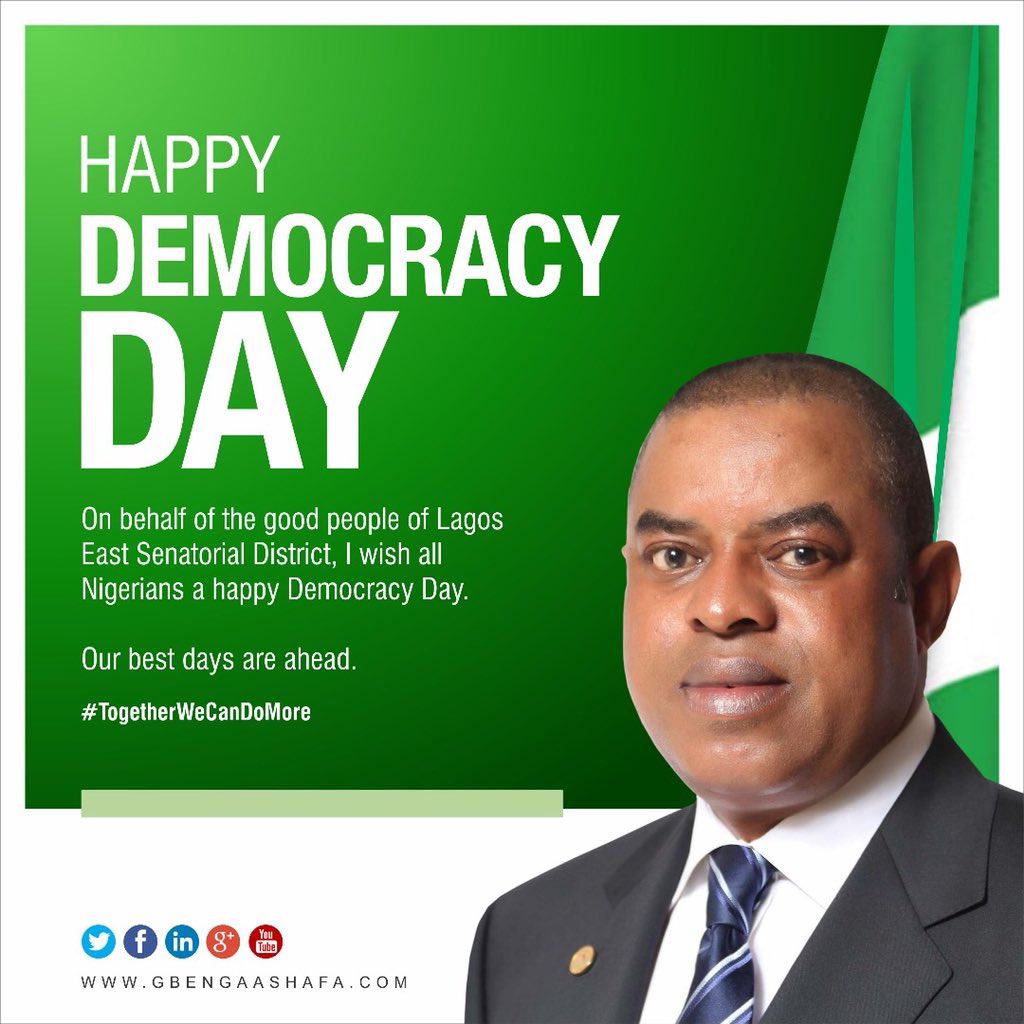
The Senator representing Lagos
East Senatorial District at the Upper Chamber of the National Assembly,
Distinguished Senator Gbenga Ashafa has congratulated President Muhammadu
Buhari, the newly elected and sworn in Executive and the entire All Progressive
Congress (APC) on a successful convention in 2018.

The Senator made this remarks to
the press during the National APC Convention held in Abuja at the Eagle Square
between the 23rd and 24thof June, 2018.
Ashafa stated that “I want to
congratulate President Muhammadu Buhari, the newly elected and sworn in
Executive and the entire members of the All Progressives Congress on a
successful National Convention. I am quite impressed with the massive turn out
of support from all geo-political zones of the country and the unity which was
displayed by all members during the convention. This is a clear message to all
that APC remains a very formidable force and our unity is not in question”
He further commended and
congratulated the National Leader Asiwaju Bola Ahmed Tinubu for the part he has
continued to play in ensuring that the party remains strong and that the 2018
convention was a success. He said “let me use this medium to particularly thank
and congratulate my leader, the National Leader of the APC, Asiwaju Bola Ahmed
Tinubu who took up the herculean task of leading the reconciliatory process of
the members of the party. With the massive display of support and unity at the
Convention it is obvious that real success is being made in reconciling
the differences of some   members of our party, I thank him and wish
him more strength and wisdom to fulfil his mandate.”
Ashafa while congratulating the
new Chairman of the party and the new Executive, stated that “Let me also
congratulate our incoming National Chairman, His Excellency Comrade Adams
Oshiomole and other incoming executive members of the party. I want to wish
them all a successful tenure and urge them all to use their various positions
to further promote the party and ensure that the manifesto of the party is
strictly adhered to towards the benefit of all Nigerians. “
As he concluded, the Senator also
thanked the outgoing Executive of the party led by His Excellency, Chief John
Odigie Oyegun for their work in the past years and wished them all the best in
their future endeavours.

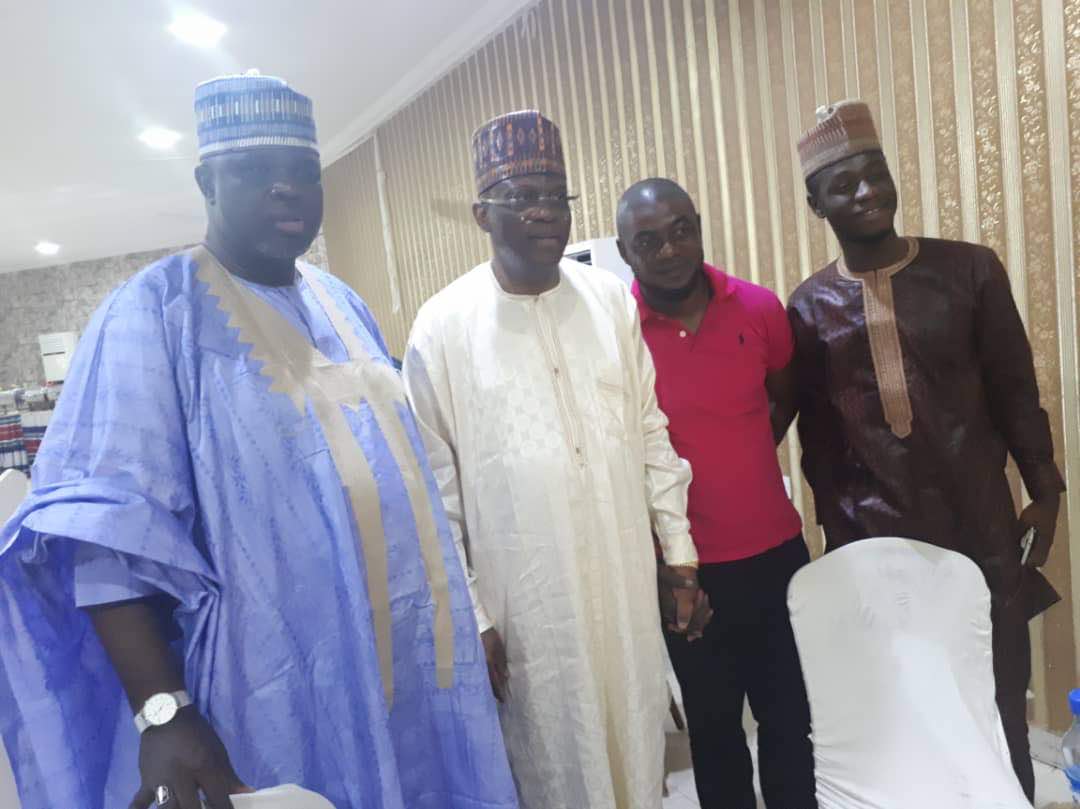
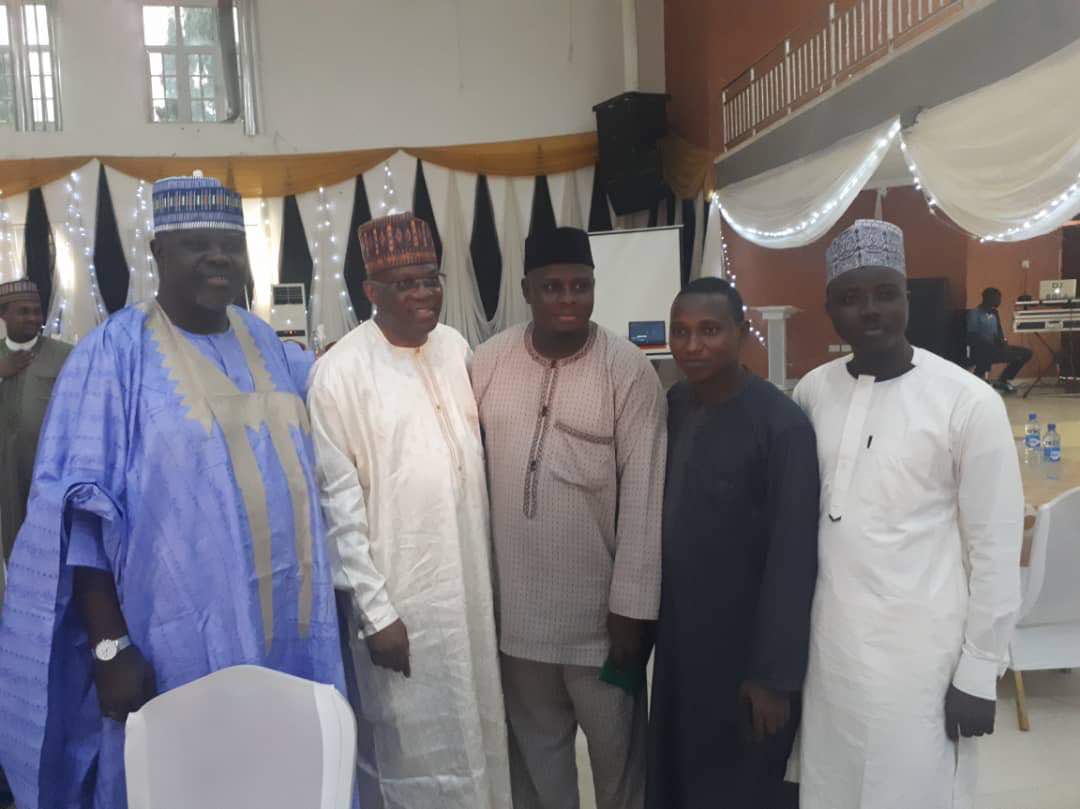
Paul Usoro SAN Gets a Warm welcome in Plateau State

Paul Usoro SAN Gets a Warm welcome in Plateau State

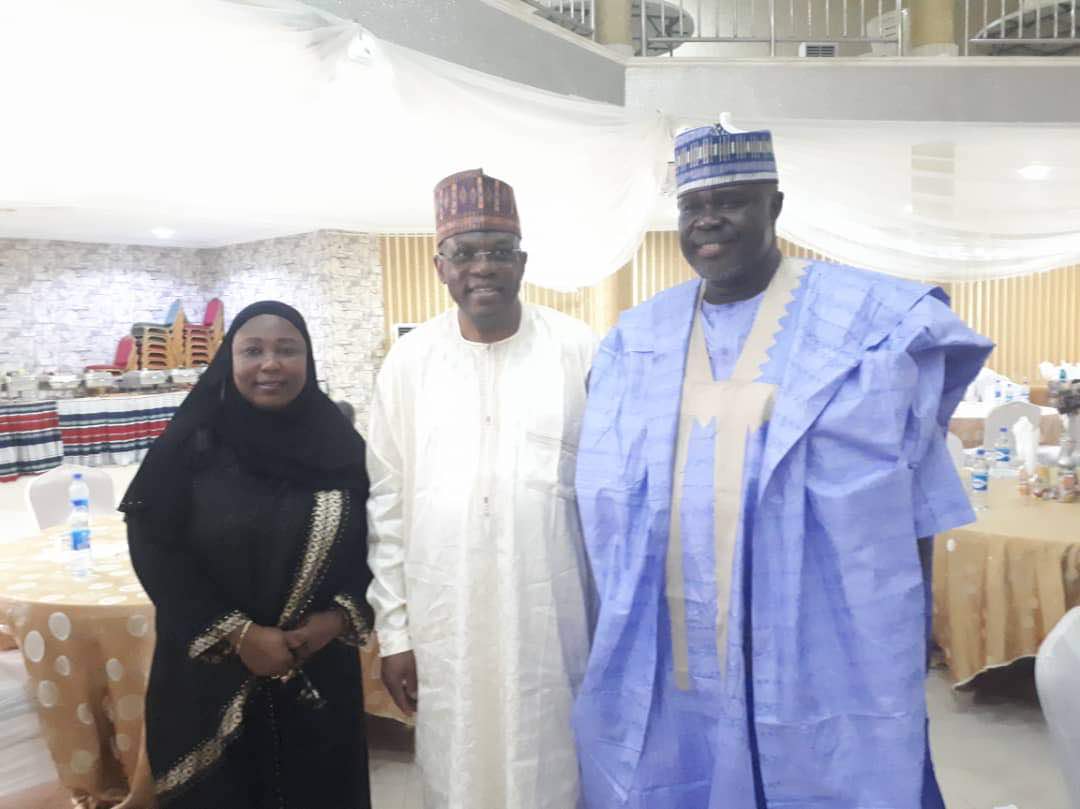
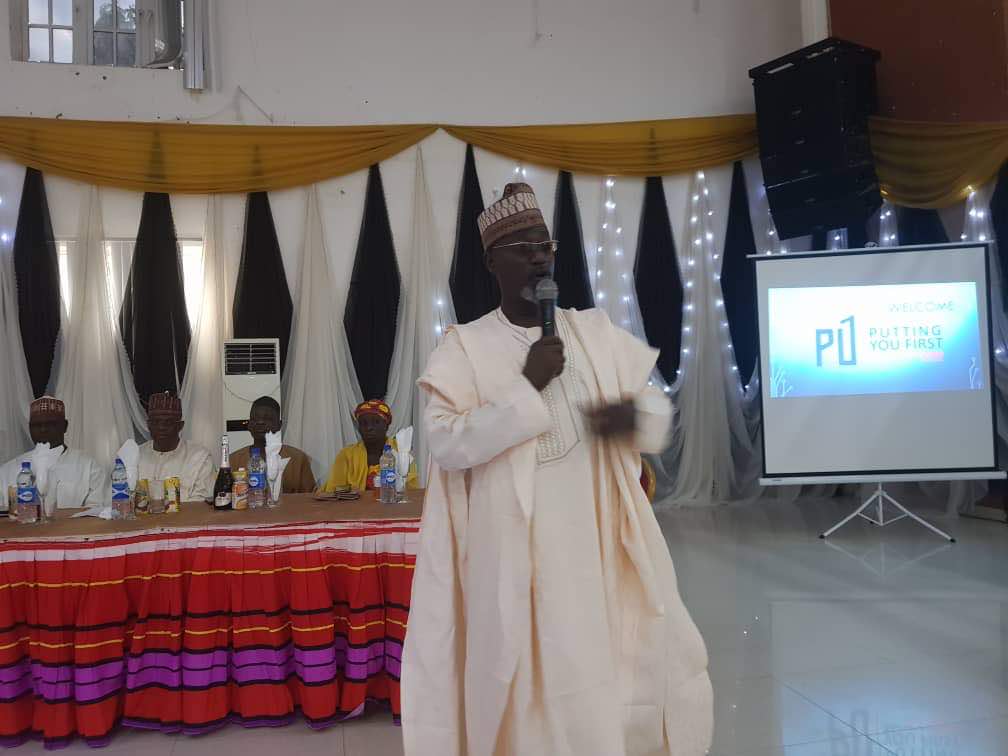
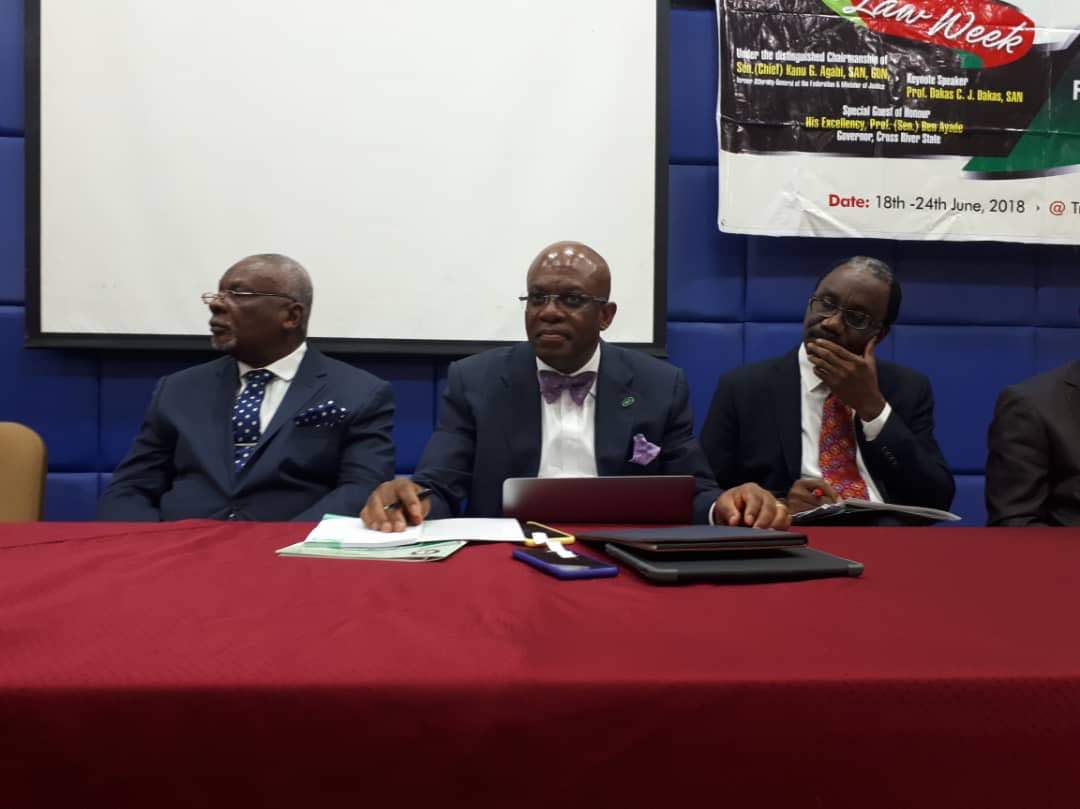
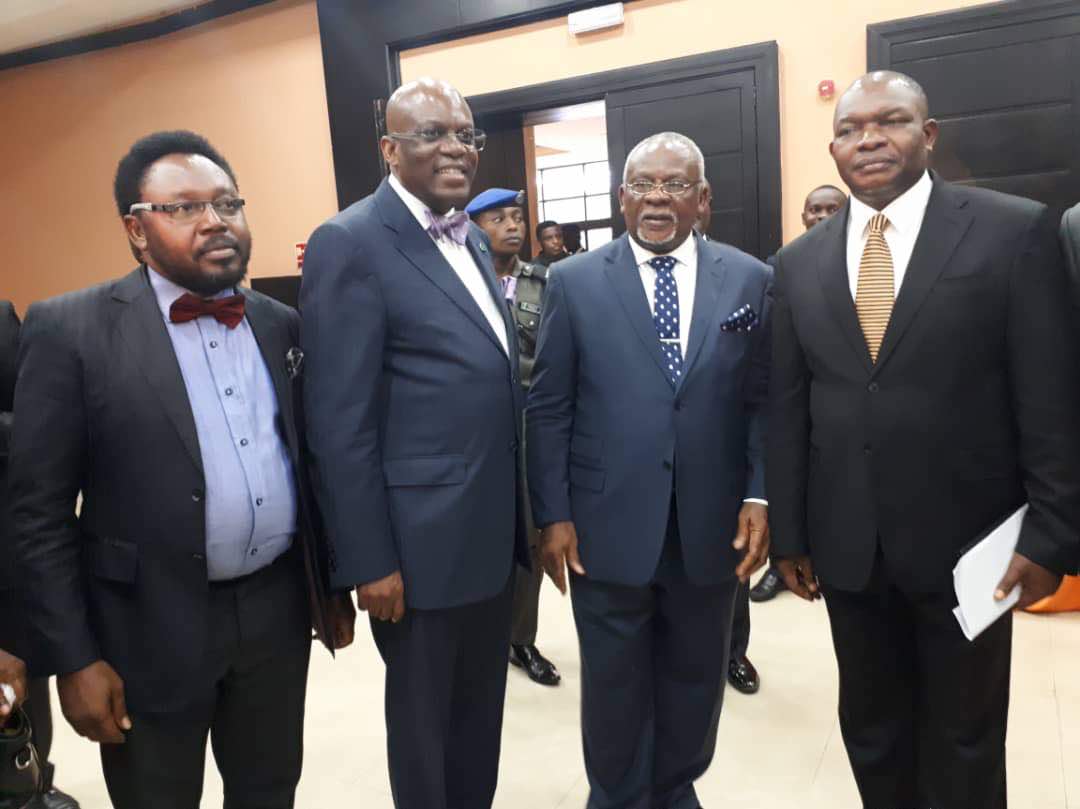
The Learned Silk, Paul Usoro yesterday, the 23rd of June 2018 had a meet and greet session with supporters from the four (4) NBA Branches in Plateau State. The session tagged “Hangout with Paul Usoro, was well attended with Prof. Dakas C. J. Dakas, SAN; Solomon Umoh, SAN; Pius Akubo, SAN; Tob Kekemeke (Former NBA Chairman, Jos); Sunday Abednego, ( NBA Chairman, Bukuru Branch) and David Karshima (NBA Chairman, Pankshin Branch) and other VIPs.

Mr. Tob Kekemeke in his opening remarks stated that the gathering was very unique because it was organized by supporters of Paul Usoro, SAN in Plateau State. He was delighted to have both senior and younger lawyers in attendance which is an indication that Paul Usoro will bring positive changes to the Nigerian Bar Association.

He further stated that the supporters are moved by his professional pedigree and vast experience in legal practice noting this “Paul Usoro, SAN has a clear cut understanding of the job description of the President of the NBA, as contained and conveyed by his bold and unprecedented Reflections on the welfare of young lawyers and institutional reforms for the NBA”.
Also speaking on the candidacy of Paul Usoro, SAN,  Prof Dakas described the astute litigator as a deep thinker and an outstanding legal practitioner. He enjoined lawyers to be driven by the larger interest of the bar when casting their votes.
Similarly, Mr. Pius Akubo, SAN in his remarked that Paul Usoro, SAN remains the best candidate for the office of the NBA President. He added that the NBA needs serious minded individuals who are well brought up and have secured pedigree.
Mr. Sunday Abednego spoke on behalf of the four NBA Chairmen in Plateau State pointing out the candidate’s uniqueness “Mr. Usoro is a good leader and has never made any negative statement against other candidates, despite the several smear campaigns against him”.
A. A. Sangei, who spoke on behalf of senior lawyers, described Mr. Usoro as a very nice and disciplined lawyer, and also declared his support for the Learned Silk. While Mr. T. J. Danjuma who spoke on behalf of the young lawyers in Plateau State assured the Learned Silk that young lawyers in Plateau are solidly in support of his candidacy.
The PRO of FIDA, Plateau Branch also assured the Learned Silk of the support of female lawyers in Plateau. She stated that FIDA in Plateau know that Mr. Usoro is going to move the bar forward and also make women feel reckoned with as lawyers.
Paul Usoro expressed his immense appreciation for the love, trust and confidence reposed on him by people of the Plateau. He reiterated that the need for reforms in the NBA propelled him to aspire to lead the NBA as the President of the NBA. He drew lawyers’ attention to the KPMG diagnostic report which shows that the NBA lacks corporate governance and transparency, particularly in the area of finance.
He emphasized that the NBA requires reforms and it needs men and women of courage, experience and capacity to carry out those reforms. He added that he is looking at reforms that will give the NBA moral equity to be the voice and conscience of lawyers.
Reflections: InstItutional Reforms For The NBA| Paul Usoro SAN

Reflections: InstItutional Reforms For The NBA| Paul Usoro SAN

Governance

There is the need to review the existing committees and determine which of them is ad-hoc in nature – my review of their terms of reference suggests that most if not all of them are – and may have completed their tasks and ought to be wound up and whether there is the need to rationalize those of them that may not be ad-hoc in nature and reconstitute them into functional standing committees. In that regard, we must not confuse committees with Sections, Fora, Institutes and Teams (such as Prosecution Teams) and Task Forces. For want of a better illustrative comparison, Sections, For a and Institutes are similar to divisions of companies that are created or constituted for carrying out specific functions. They do not exercise oversight responsibilities over the executive management in the same way that governance committees (such as Audit and Finance Committees) do neither do they formulate governing policies for the organization.

To avoid the deprecatory blurred lines of responsibilities, roles and reporting lines that was highlighted in the KPMG Report, it would be critical and required that the functions and responsibilities of the afore-listed four organs of the Association – NEC, the elected part-time National Officers, the Standing Committees and the Executive Management – be well, properly and unambiguously defined and delineated.  In that regard and in conformance to corporate governance standards, there would need to be a published delegation of authority policy document that would define the authority and approval limits of the various organs and officials of the Association (both the elected National Officers and the executive management).  
I must mention here that NEC has a critical role to play in supervising the elected National Officers and by extension the executive management of the Association. Well structured, the quarterly NEC meetings provide the forum for the elected National Officers to render reports and accounts to NEC on their stewardship and the activities of the Association.  The discussions at such NEC meetings ought to be sufficiently robust, penetrative and rigorous to keep the elected National Officers and executive management constantly on their toes in the performance of their functions.  NEC members should have the benefit of receiving and reading in advance, not less than two weeks to the NEC meeting dates, well-prepared and well-articulated NEC-Memos and Reports on each of the agenda items.  Oral reporting on any agenda item, while permissible, should be actively discouraged; only oral adumbration of reports and memos should be routinely allowed.  The responsibility for ensuring that the right caliber of representation attend NEC meetings primarily falls on the branches save for the coopted members who are usually nominated by the President and approved by NEC. 
To gain full value from such a restructured corporate governance structure, complete with the defined roles of the various organs, it would be imperative that it be accompanied with and by several other reform initiatives some of which are addressed in the succeeding parts of these Reflections. The gains from these reform initiatives are, in my view, unquantifiable.  Just think of the efficiency level of a well-run, well-oiled, properly structured and organized institution, be they a business concern or a professional association or a non-governmental organization or an international agency. That is the efficiency level that the NBA should be striving towards and which we could attain if these reform initiatives are properly and faithfully implemented.   
More than that, we would be on the pathway towards the institutionalization of corporate governance standards which would lead to increased efficiency, transparency and accountability in the running of NBA affairs.  By employing adequately skilled and qualified personnel as part of the executive management and empowering them to handle the day-to-day affairs of the Association and maintain proper records, professionalism will be enthroned – and the records that would constitute the institutional memory of the Association would be well kept, maintained and preserved.  This will be elaborated upon in the subsequent pieces of the Reflections series. With the rationalization of the executive roles of the elected National Officers and offices, we may begin to see less of the rat-race by our members to occupy elected National Officers positions and, in the process, we would develop a far more wholesome process for the election of NBA officers.
Veto Powers And Need For Cautious Exercise | Paul Usoro SAN

Veto Powers And Need For Cautious Exercise | Paul Usoro SAN

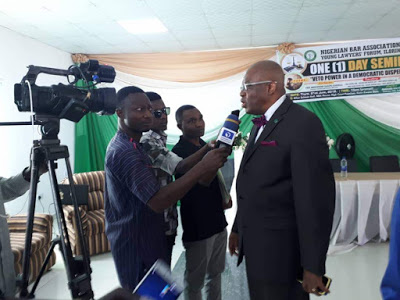
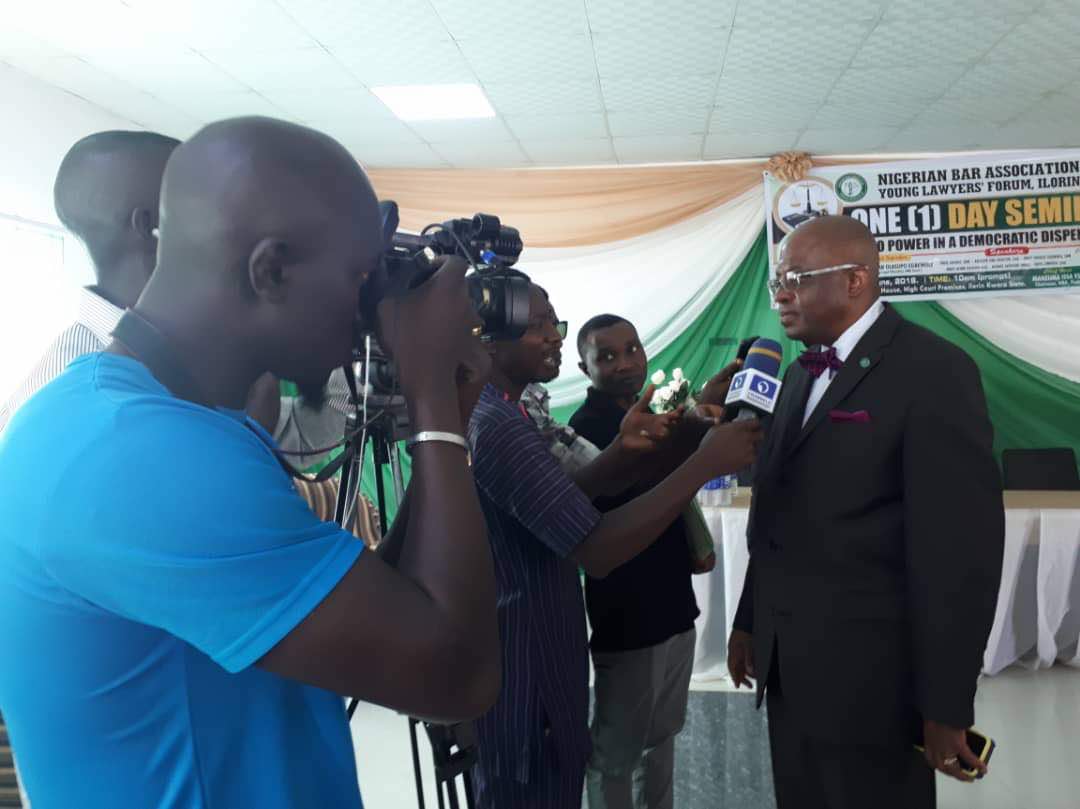
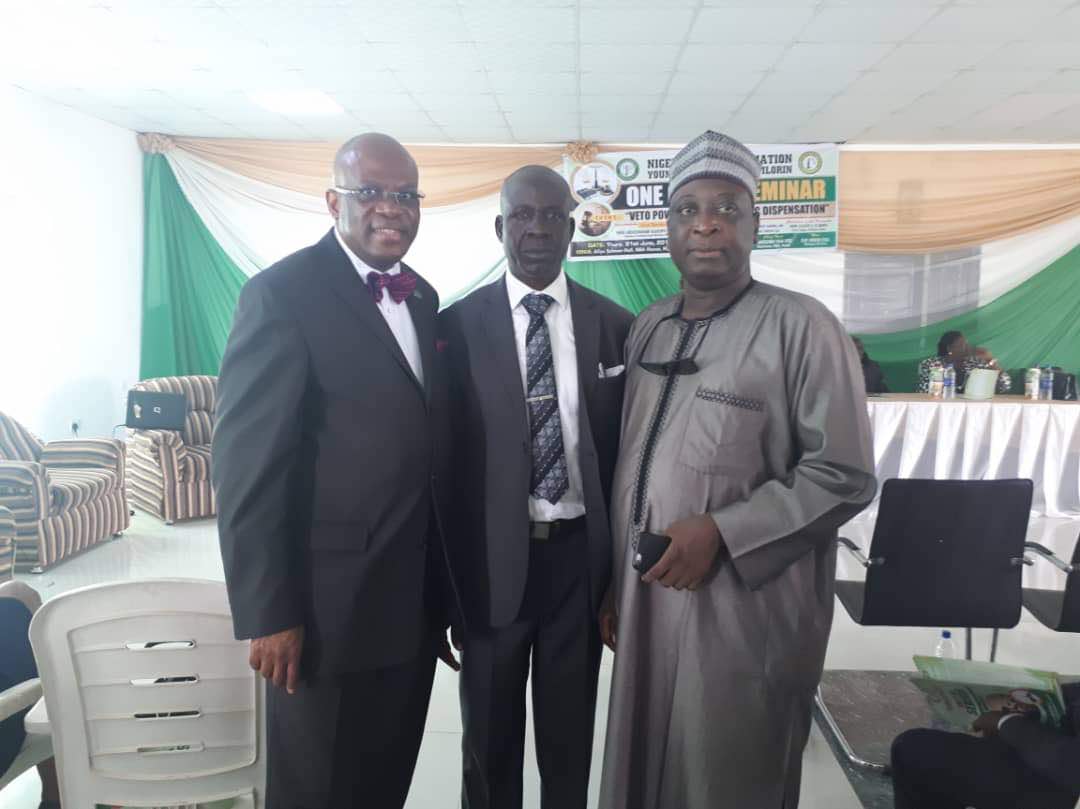
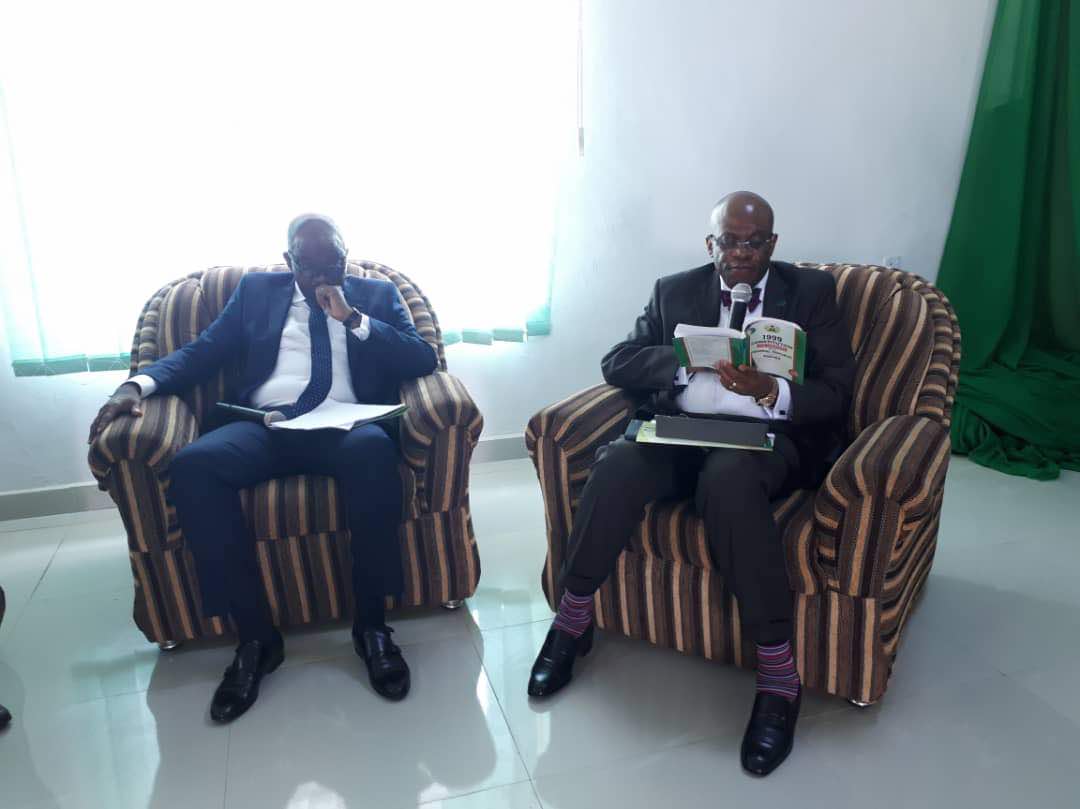
Earlier on, astute litigator and strategist; Paul Usoro, SAN, spoke at the NBA Young Lawyers Forum, Ilorin Branch one Day Seminar.  In a Panel chaired by Mallam Yusuf Ali, SAN represented by K. Keleja, SAN, Mr. Usoro discussed the topic- “Veto Power and the Role of the Executive”.

Paul Usoro reiterated that the essence of veto power is to provide checks and balances in the management of the affairs of the country. He noted that there are three types of veto powers, viz: Absolute Veto, Pocket Veto and Line item Veto. Absolute veto occurs when a President vetoes the entire bill. Line item veto means to veto specific provisions of the law. Pocket veto, which is an indirect veto, occurs when the President neither assents to the bill nor vetoes the bill.

Elucidating on the veto power of the President as enshrined in the 1999 Constitution of the Federal Republic of Nigeria as amended, Mr. Usoro meticulously considered the provisions of Sections 58 (4) and 59 of the 1999 Constitution of the Federal Republic of Nigeria as amended. He pointed out that, “the veto power granted to the President is not absolute in the essence that it can be overridden by 2/3 members of the National Assembly. The difficulty in overriding the President’s veto by the National Assembly, according to him, is usually in having 2/3 members of the National Assembly to pass the bill into law after the President has vetoed the bill”.

Furthermore, he said that while the constitution does not require the President to state his reasons for vetoing a bill, the practice and normal thing to do is for the President to state why he does not agree with a particular provision of the bill or why he is vetoing the bill. According to him, “if the reason stated by the President resonates with the public, it actually can turn the public against the legislature, and even if the legislature overrides the President’s veto, public opinion traditionally will be against the legislature”.

The Learned Silk goes on to state that it makes sense to have veto power, and a President who has real conviction should go ahead and exercise his power of veto. He concluded his presentation by advising that it is always wise to exercise veto power very cautiously, because the legislature still has the responsibility to make the law.
Summary Note On The Rationale Behind The Adjustments Made By Nass On The 2018 Appropriation Bill

Summary Note On The Rationale Behind The Adjustments Made By Nass On The 2018 Appropriation Bill

(i) Each dollar increase to the oil price benchmark generates N87.27 billion as additional spending for the FGN. Thus, N523.65 billion was the additional revenues following the $6 increase in the oil price benchmark.
(ii) Out of the additional revenue, the Executive utilized N152.6 billion to increase their initial expenditure proposal.
(iii) The balance of N371.05 billion was spread across other capital projects including the provision of N55.15 billion for the implementation of the National Health Act as well as the reduction in deficit, and thus, new borrowing requirement.
(iiii) The deficit was reduced from N2 trillion (proposed by the Executive) to N1.95 trillion (that is from 1.77% of GDP to 1.73% of GDP), and as such the domestic borrowing was reduced by N55.88 billion, from N849.67 billion to N793.79 billion. This will free up more resources for private investment.
(v) It should be noted that capital budget was increased from N2.54 trillion (proposed by the Executive) to N2.87 trillion. This represents about N331 billion net increase which was allocated to critical sectors of the economy that are growth stimulating, thus, required greater prioritization. For instance, Education and Health capital budgets were increased by N37.92 billion and N13.37 billion respectively. The Budget for Agriculture as well as Industry, Trade and Investment were also increased by N30.21 billion and N21.03 billion respectively. In addition, and among others, the capital budget for Science and Technology and Power, Works and Housing were increased by N25.08 billion and N62.58 billion respectively.


(vi) The reduction of N347 billion in the allocations to 4,700 projects represents only about N73.8 million on average, and 14% of the aggregate capital expenditure proposed by the Executive. The reductions were from low priority areas to higher priority and more growth enhancing projects and activities. In addition, it should be noted that in allowing for the reductions of some capital provisions proposed by the Executive, due considerations were given to the implementation/utilization capacity of the implementing MDAs. Sound economic judgement is defeated when more resources are heaped on a particular project that can only accommodate less in given financial year or project cycle.
(vii) Another area of concern is the increase by the National Assembly of the provisions for Statutory Transfers by an aggregate of 73.96 billion Naira.  Most of these increases are for recurrent expenditure at a time we are trying to keep down the cost of governance.”Curled from Mr. President Speech.
It is important to point out that 60% (about N44.7 billion) of the increase in statutory transfer was applied to the NDDC. Part of this, about N11 billion, is based on the legal provision establishing the Commission while the balance of N33 billion is to cater for outstanding liabilities owed the Commission by FGN. 


It should be noted that recurrent expenditure is not bad in itself. In fact, it will be difficult to implement capital project without recurrent spending. At a time when costs are higher than pre-2015 levels, and overhead cost of the Executive is generally increasing, it makes good judgment to adjust the expenditures of other arms of government including other key statutory bodies especially when their activities have not reduced but increased. With more Court cases as well as more legislative activities, it is difficult to justify increasing only the overhead of the Executive. 
(viii) Improving implementation of the budget should be a higher priority through enhanced revenue generation as well as increasing the utilization rate of MDAs. This should be the pursuit.
Submitted above, Sir.
Dr. Samuel C. Omenka
S.A (Budget) to the President of the Senate


The Way Out Of Recession IsAn Agro/Industralised Economy | Paul Usoro SAN

The Way Out Of Recession IsAn Agro/Industralised Economy | Paul Usoro SAN

NBA Presidential aspirant Paul Usoro SAN, earlier today delivered a powerful lecture at the NBA Calabar branch week. The passionate Lawyer spoke on the tremendous investment opportunities of the Nigerian Agricultural sector. He stated that for Nigeria to metamorphose into an agro-industrialized economy, the Nigerian Governments should at all levels rigorously push for and apply polices channelled towards improving the focus on agro industries.

He further explained that the drive for achieving an agro-industrialised economy must be complemented with an improvement of rural and other basic infrastructure which are critical to agricultural transformation and establishment of a seamless value chain like rural electrification, road/rail for transportation of agricultural produce and processed/finished goods, for export and domestic use alike.

In his closing remarks he stated that the NBA Calabar Branch did well by focusing on the untapped area of Agriculture in the Nigerian economy.

The gathering was well attended by the Chief Judge of Cross River State; Justice Michael Edem, the NBA Chairman (Calabar branch) Dr. Emmanuel Idaka,  Garun-Gabas SAN, the AG of Jigawa State, Emmanuel Essiet, Prof Dakas C. J. Dakas, SAN and other members of the Calabar branch.
Triax Monthly: The Dino’s Drama; Recall Process | Eloho Yekovie ESQ

Triax Monthly: The Dino’s Drama; Recall Process | Eloho Yekovie ESQ

Preamble

A lot has been happening in the political
sphere of the Nigerian state which has in one way or the other halted the
process of good governance and gave room to the rise of political instability,
propaganda instead of proper agenda by political players, nepotism and partisan
politics etc. This article is about one of the most significant event that took
place in the political disposition of Nigeria involving a senator and his
constituency members who initiated a recall process due to his alleged
nonperformance.


Meaning                                                                                                                                        
According to the 4th
Edition of Cambridge dictionary, recall is defined as “to order the return of a
person who belongs to an organization…..”

Moreover,
based on the subject of discourse, it is also a constitutional instrument
voters can use to unseat a serving lawmaker before the end of their tenure.
It is democratic and tallies with the right of the people
to choose their representatives and also constitutional as evidenced in sections 68 & 69 of the 1999
constitution of Nigeria respectively.

Dino’s Recall
Process And its Resultant Effect

Futhermore,the
Dino’s recall all began on 24th June 2017 when the Independent
National Electoral Commission, INEC, received a petition from members of the
electorate in Kogi West Constituents (Senator Melaye’s constituency),
requesting the commission to set in motion the democratic process of recall of
Senator Melaye, who they claimed, was not representing them well. Consequently,
Melaye was notified in this regard in line with section 69 of the 1999 CFRN.
However,

the lawmaker filed a fundamental rights enforcement suit accusing INEC of not
affording him fair hearing by not serving him with a copy of the petition to
enable him respond. He equally wanted an order of perpetual injunction,
restraining INEC from commencing with the recall process. This consequently led
INEC to suspend the recall process.

Flowing from the proceeds of
the court’s ruling, the electoral commission, however got the permission to
proceed with the recall process as the court struck out the suit for having no
cause of action and went further to state that INEC was acting within its
statutory powers as enshrined in section
116
of Electoral Act 2010 and section 69 of 1999 CFRN
respectively. Thus, it did not act ultra
vires.

The unfolding debacle of Mr.
Melaye’s recall process has no doubt elicited curiosity amongst Nigerians about
one of the most obscured but powerful constitutional instruments in Nigeria’s
evolving democratic system.

The Constitution of the Federal Republic
of Nigeria 1999 in Section 68 and 69 provides for the recall of senators
and members of the House of Representatives. 
It requires that  a petition signed by more than one half of the
persons registered to vote in the member’s constituency alleging that they have
lost confidence in that member be presented to the chairman of INEC. The
petition is subjected to verification where the signatures of the petitioners
are verified and for this to be successful, 50 per cent plus one of the
registered voters in the constituency needs to be verified. After which a
referendum is conducted by INEC and if it is approved by a simple majority of
voters registered in that member’s constituency, the member stands recalled.

The provision
for recall of legislators is based on the sovereignty of the people affirmed in
Section 14 (2) (a) of the Constitution; that sovereignty belongs to the people
of Nigeria from whom government through the constitution derives all its powers
and authority.

Flowing from
the above, the verification date was 28th April 2018, upon which if
the process was successful, the commissioner would have proceeded to the next
stage where a referendum of all registered voters will be conducted in line
with the electoral laws and that was scheduled for 5th May 2018. The
verification exercise took place at 552 polling units of the 7 LGAs that made
up the senatorial district Melaye is representing. Only 18,742 out of 188,588
signatories were verified. It fell well below the requirement of the law that
50% plus 1 of the signatories to the petition had to be verified. It should
also be noted that Millions of Naira has been spent on this process.

The constitution anticipates a good faith process based on
honesty of purpose. However for constituents to lose confidence in a
legislator, there must have been some misdeeds or offences committed by the
legislator such as mismanagement of constituency project money for personal
gains. Alternatively, the member must have been docile without sponsoring
appropriate bills and motions that could contribute to issues of national
importance.

Conclusion                                                                                                                               
It is
germane to state that no successful recall of any lawmaker has been recorded in
the history of our democracy. The popular belief being held in this regard is that
once a legislator receives the people’s mandate, no one can truncate their
tenure. This encourages and promotes recklessness, indifference and nonchalant
attitude among them. Though the recall process might have failed, but Nigerians
now know that they can begin to exercise their civil and constitutional right
whenever they feel any member representing them is found wanting by initiating
the recall process. The Melaye’s case is indeed a new dawn in our fragile
democracy.

However,
a popular maxim in law says that “he who
comes to equity must come
with clean
hands”
. Therefore, the recall process should not be an opportunity to
settle political scores; it should be based on empirical evidence, good reasons
and honesty of purpose.

Eloho Yekovie ESQ


Triax Solicitors

www.triaxsolicitors.com