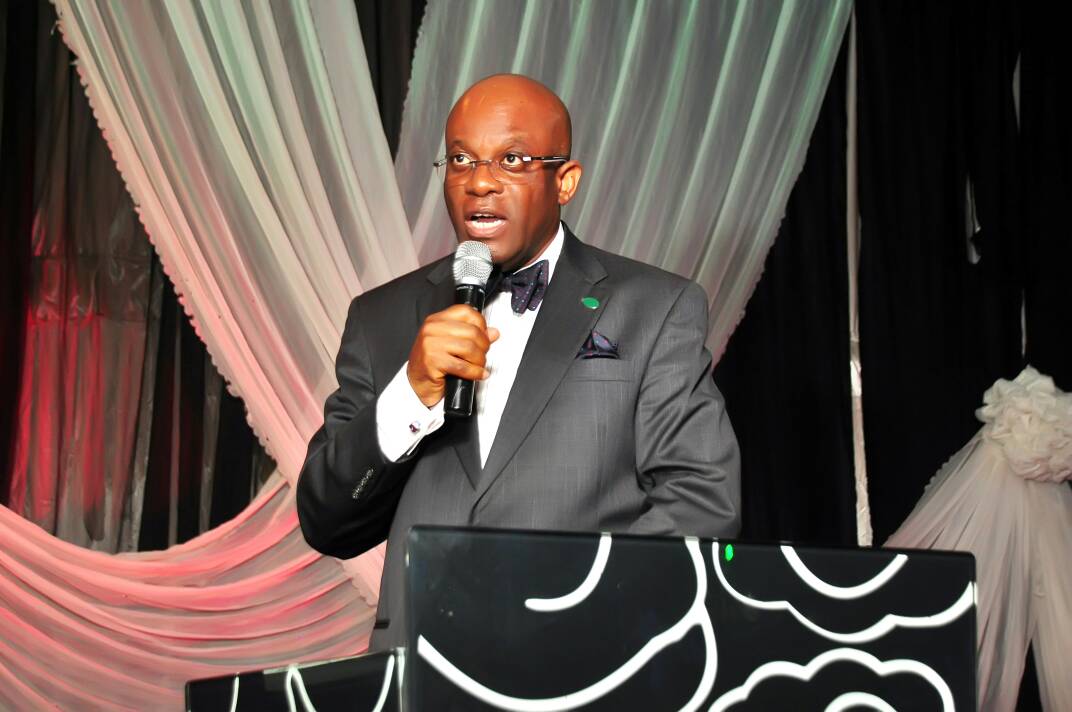
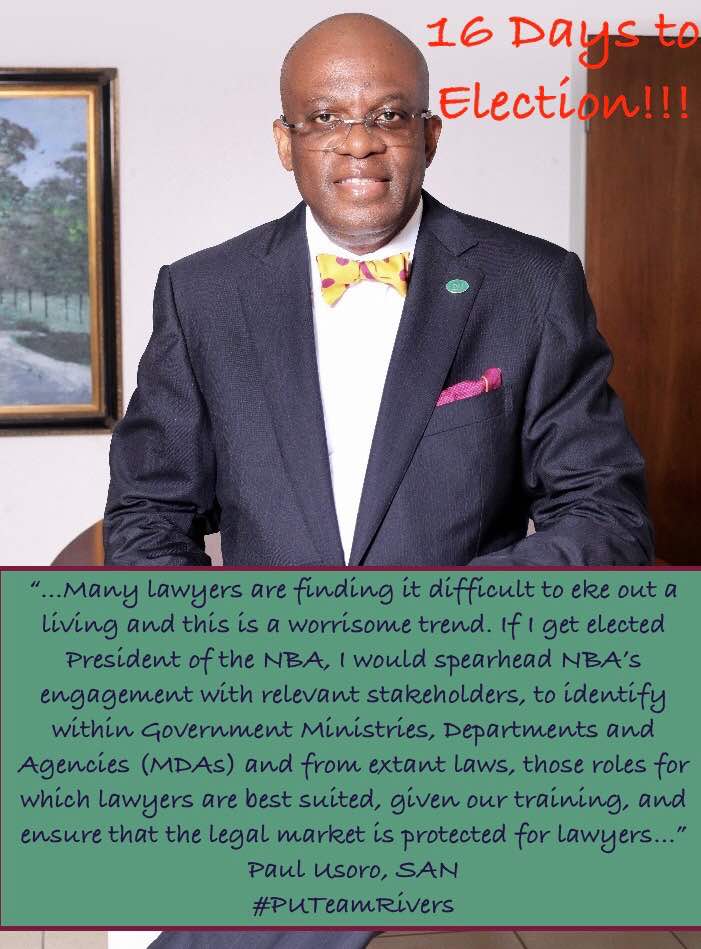
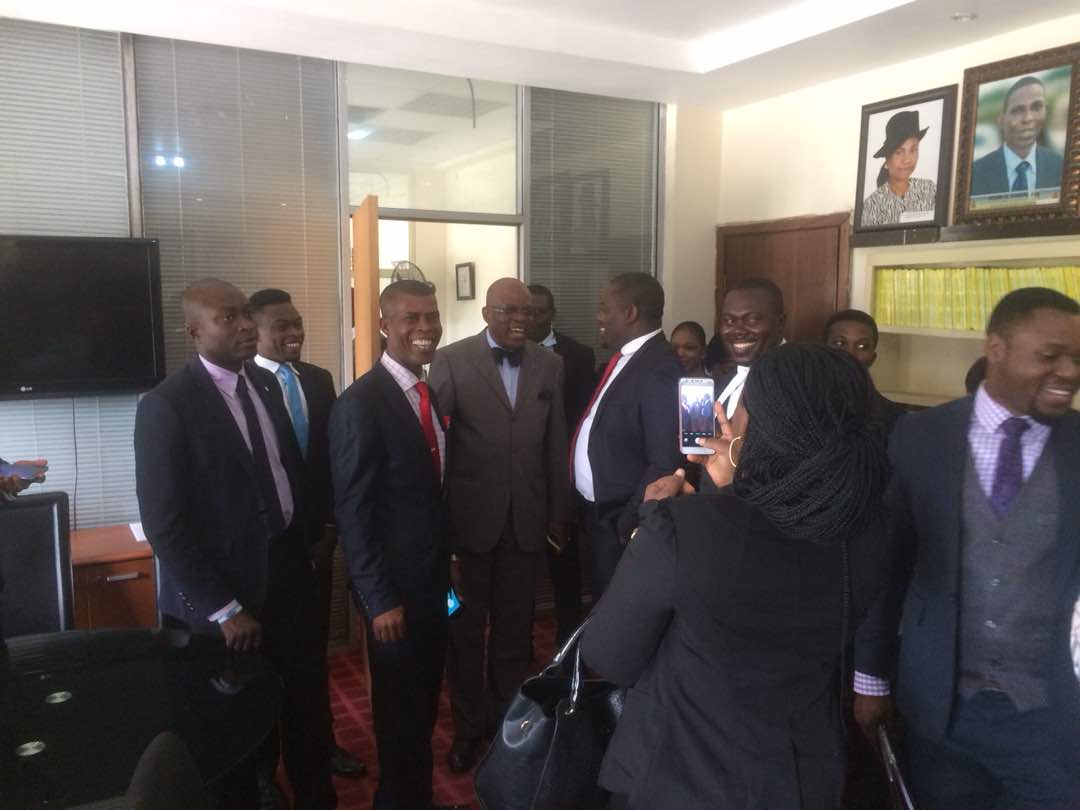
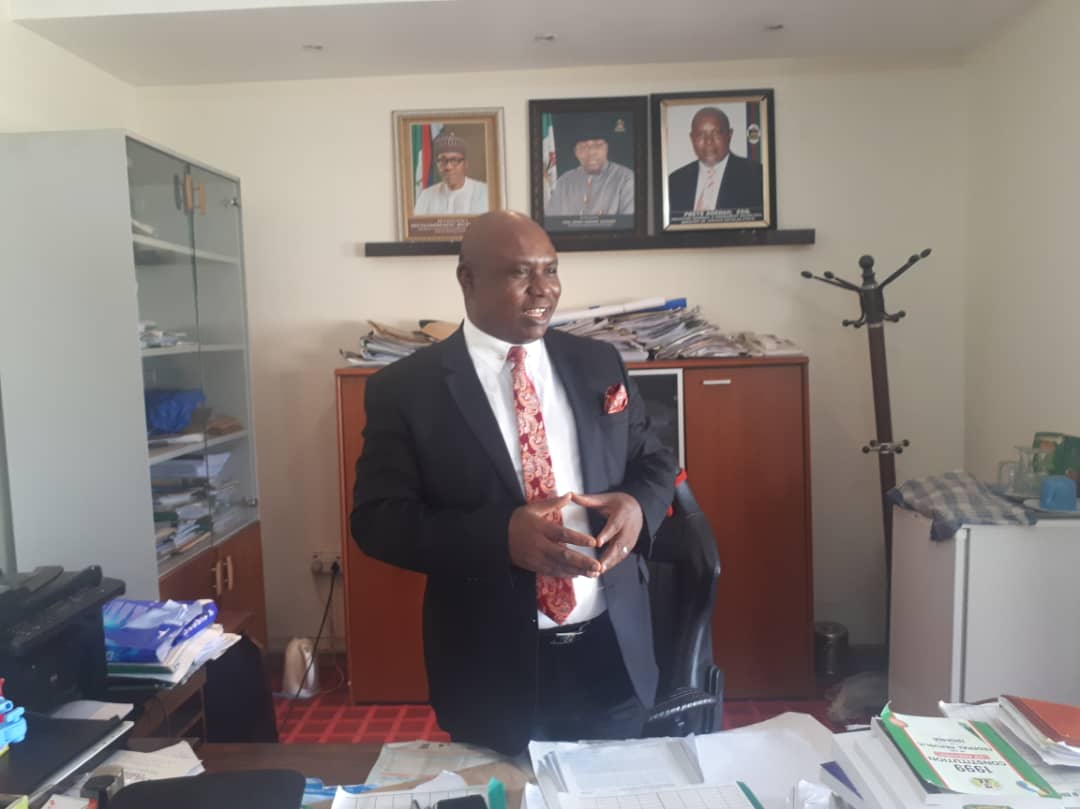
If I had any doubts as to the need and urgency for NBA electoral reforms, those doubts have been completely erased by my recent experiences in the run-up to the 2018 NBA Elections. As is commonly known, I am contesting with two others for the office of the NBA President and as part of my consultations in the different Branches of the Association for votes, I was in Port Harcourt recently where my supporters had planned an interactive cocktail party for me at the NBA House. For those who may not know, lawyers’ events are routinely held at the Port Harcourt NBA House upon payment of the prescribed rental amount and my supporters had duly paid for the evening some days ahead of the event and sent out notices and invitations therefor. Barely an hour to the event, the following unsigned disclaimer was circulated electronically to all members of the Branch and beyond: “Disclaimer: Pls note that the branch is not in approval of the cocktail invite from Paul Usoro, SAN at the NBA House. Pls discountenance same. However, you may attend at your own frolic for conviviality sake. PH branch supports the adopted candidate of the EBF. Thanks.” I understand that, prior to the circulation of this malicious “disclaimer”, there were unsuccessful direct and subterranean attempts to get the Branch Executive to resile on the rental contract in order to scuttle the event. It was after the failure of these attempts that the perfidious “disclaimer” was issued, not by the Branch Executive, but by some faceless cabal. Happily, the Executives and members of the Branch and beyond rightfully ignored this malodorous “disclaimer” and attended the cocktail party in their numbers and turned it more into a celebration of our presidential vision. The question that plagues my mind is, what level of desperation would drive lawyers to such electoral rascality, bare-faced misinformation, intimidation, bullying and hooliganism? What level of desperation would make lawyers discard and forget all about the hallowed constitutional rights and freedom of expression and association of their colleagues? What is in the NBA Presidential Elections in particular that makes some of us to behave the same as if not worse than the intolerant and totalitarian Nigerian political class that we routinely and roundly condemn and deprecate? What really is the difference between the faceless cabal in Port Harcourt that engineered the disclaimer and the political authorities in some States and even in the center who contrive ways of denying opposition political parties the use of stadia and other facilities for political rallies and conventions? Incidentally, that Port Harcourt incident is not isolated. I had some weeks earlier attended the Port Harcourt NBA’s monthly Branch meeting and was graciously given the platform to felicitate with my colleagues and say a word or two about my Presidential plans. Just before I launched into my address, my good friend and colleague, a Senior Advocate of Nigeria, raised a point of order to the effect that the Eastern Bar Forum had adopted a candidate (I am, like thousands of lawyers from the eastern region, not a member of the EBF) and therefore I should not be allowed the platform to address my colleagues. Should you be wondering, like I did, at what forum I was, let me assure you that this wasn’t a monthly meeting of the Eastern Bar Forum (“EBF”) but a meeting of the NBA at the Branch level holding at the NBA House! Happily, wise counsel prevailed after a very respected past President of the Bar rose up in my defense to the applause and approval of everyone other than my friend, the mover of the point of order. It is not quite clear to me why the EBF and the supporters of its adopted NBA Presidential candidate are resorting to this low level of bullying and intimidation in an NBA Election. These, I must again point out, are not isolated incidents. In another State in the NBA Eastern Zone, a Branch Chairman who is an apostle of the EBF adoption connived with court officials to deny my supporters and I access to a courtroom where we were scheduled to have an interactive session. But for the timely intervention of a senior lawyer in government, we were almost forced to scout for an alternative meeting venue. I ask again, what is in these elections that drives leaders of the Bar to such desperation of wanting to forcefully muzzle contrary NBA political groups, opinion, thoughts and ideas? What is the driving force that makes us want to deny other lawyers the right of holding contrary political opinion and positions forgetting that our profession is itself anchored on plurality of thoughts and opinion and the freedom to express them in our adversarial submissions? Just before concluding, I would relate one final incident of this now pervasive political intimidation, blackmail, bullying and intolerance in our NBA polity. Recently, I had dinner with my supporters in Abuja. It was a very well attended event and it afforded me the opportunity to interact with my colleagues. There were several speakers at the event and one of them was a visually impaired colleague who had been my friend for a bit of time; he’s from the NBA’s Eastern Zone and believes wholly in our vision. My friend spoke passionately and very stirringly about our NBA project and urged everyone to queue behind and vote for me. The following day I received this text message from my friend: “I thought that NBA politics is a fair game and not otherwise! To my dismay, I have received whole lots of taunts ever since the PUC dinner, merely because I support NBA’s only best interest. God help us.” He’s not the only one who’s been bullied in this manner; so many others of my supporters, particularly from a section of the NBA’s Eastern Zone, send me similar reports of threats, intimidation and bullying tactics that are deployed against them solely because they speak up in my support. What kind of lawyers would taunt a colleague simply because he chooses an NBA political direction that is different from theirs? What has the NBA politics turned us into? How much longer before we start spilling blood in the name of NBA Presidential politics – because that’s where we’re headed! Really, what makes our colleagues so mindlessly desperate that we’ve forgotten all about democratic principles, anchored on freedom of choice, not to mention our respective rights to hold different political opinions and beliefs and belong to such political associations as we please? I truly believe that we must urgently address these issues and reform our NBA electoral processes if we must avert the imminent catastrophe of bloodshed and violence which stares us in the face. The current road that we travel leads to perfidy and we cannot continue on it. We must retrieve and restore our Bar values as learned friends and colleagues and maintain a professional friendship and brotherhood that abhors NBA political violence, rascality, bullying, thuggery, intimidation, blackmail and smear campaigns. We must return to the Bar values of political decorum, decency, empathy, tolerance and accommodation of diverse views and positions. Only by so doing can we restore our dignity as lawyers and set examples and standards for national politics and politicians. We can start that process by voting wisely come 27/28 July 2018.
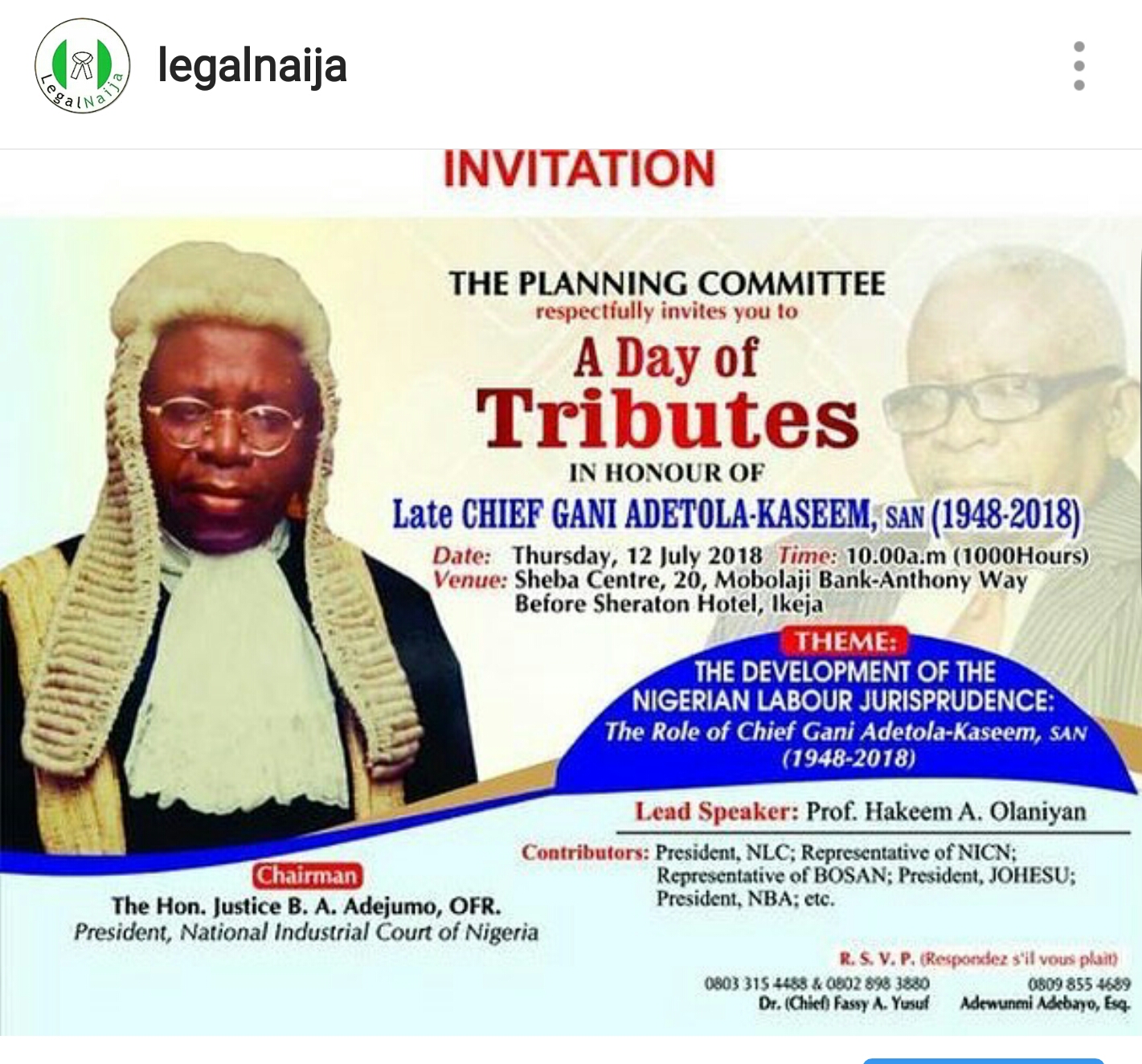
Yesterday 12th July, 2018 witnessed a landmark event, where high standing members of the Labour Union and officials at the Judiciary arm of the Nigerian Government spoke as one in paying tribute to a fallen hero, Chief Gani Adetola-Kaseem SAN.
Under the distinguished chairmanship of Hon. Justice B.A Adejumo, OFR, President, National Industrial Court of Nigeria, the 5-hour symposium titled ‘The development of labour jurispudence: the role of chief gani adetola kaseem san’, began smoothly with Prof. Hakeem A. Olaniyan as lead speaker for the event. Other discussants included Comrade (Dr) Ayuba Wabba, President, Nigeria Labour Congress, Seyi sowemimo SAN, Secretary, Body of Senior Advocates of Nigeria, representatives from the NBA, representatives from other sections of the Nigerian Labour congress and Ahmad Adetola-Kaseem Esq., son of the deceased.
Late Chief Gani was a devout and conscientious Muslim during his life time. He performed the holy pilgrimage to Mecca and Medina in 2002. He was a legal adviser to a number of Muslim communities and associations like the Somolu muslim community, Gbagada Muslim community both in Lagos and istijabah prayer group of Nigeria. He conducted a number of cases in courts for either persecution or defense of Muslim institutions and interests.
He was the lead counsel in the famous Abdulkareem v. Lagos State (2016) 15 NWLR (pt. 1535) 177 case, popularly known as the Lagos Hijab case. He represented the Muslim students’ society of Nigeria at the High Court, Court of Appeal and had already filled a brief of argument at the Supreme Court, before his death, with relation to the hijab case. He was a patron of the Muslim lawyers’ association of Nigeria, Lagos State branch and received a number of merit awards notably from Somolu Muslim community’ which also conferred on him the title of Turaki Adeen of Somolu and the league of Imams and Alfas of Ijebu Land in recognition of his selfless service to Islam.
The lead speaker began by reviewing some notable cases the deceased had fought during the course of his life, some of which INCLUDED UDOH V. ORTHOPAEDIC MANAGEMENT BOARD (1993) NWLR (PT. 304) 139 SC; ORTHOPAEDIC HOSPITAL MANAGEMENT BOARD V. GARBA & ORS 14 NWLR (PT.788) 538 SC; MEDICAL AND DENTAL PRACTIONERS DISCIPLINARY TRIBUNAL V. OKONKWO (2001) 7 NWLR (PT. 711) 206 SC; DR JEREMIAH ABALAKA V. FEDERAL MINISTER OF HEALTH & 2 ORS (2006) 2 NWLR (PT.963) 105 CA.
According to the lead speaker “baba, during his life organized a significant number of seminars and workshop especially for medical practitioners whom he became familiar with by virtue of his being the counsel to the ‘medical and dental practitioners’ disciplinary tribunal’ for a long time. He got some of us interested in aspects of law and medicine as he prepared us to become resource persons in these workshops. Baba got resounding ovations for his seminars and workshop for medical and dental practitioners’, which owing to popular demand, were staged across the nation. Baba was also a highly respected figure amongst labour law practitioners, an area significantly traversed by him in his practice. Baba ‘s relationship with labour and significant intellectual contribution to the evolution of National Industrial Court as the superior court original jurisdiction in labour and related matters is partly the reason why this event is holding. We are grateful to the organizers for repaying good with good.”
Other notable figure that were present included Professor Chioma Agomo, Former dean of Law, UNILAG; Nyma Akashat-Zibiri, Lawyer and TV personality; Biobelemonye Josiah, President, Joint Health Sector Unions(JOHESU), and a host of other VIPs.
INSTITUTIONAL DEVELOPMENT I believe that the NBA, at the national level, is in need of urgent and far-reaching reforms if it must retain its relevance not only in the larger society but even to its members. These reforms will, at the minimum, achieve four significant and immediate goals, to wit, (a) enhance efficiency in the operations of the Association; (b) engender confidence and trust amongst its members (or, as some would say, win back the confidence and trust of members who are disengaged); (c) transform the NBA into a sustainable institution; and (d) increase the moral equity of the NBA to enable it effectively influence required reforms in the justice subsector and remain a respected watchdog of the society. As my set-out point, it is my position that no institution or organization can be deemed or classified as successful if it fails to adhere to corporate governance principles, the cornerstones of which are transparency and emplacement of established and well-defined processes and procedures coupled with strict adherence thereto. The NBA, as currently constituted and operated, lacks these basic ingredients and characteristics of an institution – and this has been confirmed by the recent KPMG Diagnostic Report on the NBA. In driving the goal of building an institution out of the NBA, we need to entrench these governance principles and thereby not only guaranty efficiency in the administration of the Association but also boost the confidence of our Members and external stakeholders. Entrenching these principles will also clothe us with the moral toga to challenge and speak truth to power, particularly in instances of financial and/or administrative malfeasance, misappropriations and misconducts. The specific programme strands that shall enable me deliver on this agenda, if elected as President of the NBA, shall include the following:
I. Professionalize and strengthen the NBA National Secretariat for effective and efficient service delivery so as to meet the needs of our members and the public. The required reforms in the NBA must logically start from its apex, to wit, the governance structure at the national level. The operational complexities of the Association in 2018 justify the delegation of day-to-day operations and management of the NBA by the elected part-time National Officers to an executive management team made up of suitably qualified, skilled and experienced full-time personnel.
II. Entrench Corporate Governance in Financial Management: Without financial planning and accountability, a Bar Association will fail to function. We will therefore ensure a complete overhaul of the account and finance unit at the NBA National Secretariat with proper definition of the unit’s role and the engagement/retention of qualified, experienced, well-motivated and skilled accountants to man the unit. We would also institutionalize internal control systems and processes. The essence of internal control systems and processes is to prevent leakages and fraud and to bullet-proof the organization against identified risks. To enhance the Association’s corporate governance in financial management we would constitute a Standing Audit Committee of the Association that would, amongst others, assist in reviewing and monitoring the efficacy of and compliance with our internal control systems and processes. Budgeting and budget reviews will also be made standard practice and quarterly financial statements would be routinely published to members to inform on the Association’s financial health. Transparency would be the watchword in the management of the Association’s resources including its finances and assets. III. Upgrade and improve the operational capacity of NBA Sections, Institutes, and Fora so that they would be able to fulfil their mandate. Generally speaking, the NBA organs operate at sub-optimal levels. Well organised and run, these organs should serve, amongst others, as the engine-room for planning the contents of and for the Annual General Conferences (AGC) of the NBA. These organs offer opportunities for members to deliberate on topical issues and raise the bar in advancing the course of specialisation within the NBA. They therefore constitute a veritable NBA resource for planning our AGCs, content-wise in particular. In addition, the various committees of our Sections ought to be hosting, on regular basis and annually, workshops and seminars in their respective specialized fields. Best practice also recommends that some of the committees collaborate to host such workshops where the topics are common to and touch on the specialised fields of such committees. In summary, the NBA organs as currently constituted would be deepened and made to achieve much more in terms of structure, activities, inclusion, outreach, communication, and evaluation.
IV. NBA Strategic Plan. We would review, update and ensure the implementation of the NBA Strategic Plan to ensure continuity and sustainability of programmes, policies and projects. There was a Strategic Plan that was approved by the NBA National Executive Committee (NEC) at its meeting at Aba in March 2017 but I am not aware that there has been a monitoring of its implementation. Well-run institutions routinely monitor the implementation of their Strategic Plans during the quarterly meetings of their directing organs – i.e. the Board of Directors or its equivalent. NEC is the NBA equivalent of a Board of Directors and it does not appear that the monitoring of the Strategic Plan is a staple on its quarterly agenda. That would be corrected in my tenure as the President and the Strategic Plan itself would be reviewed, widely circulated and published and made to incorporate long, medium and short term plans, complete with measurable milestone activities and timelines.
PAUL USORO, SAN, FCIArb
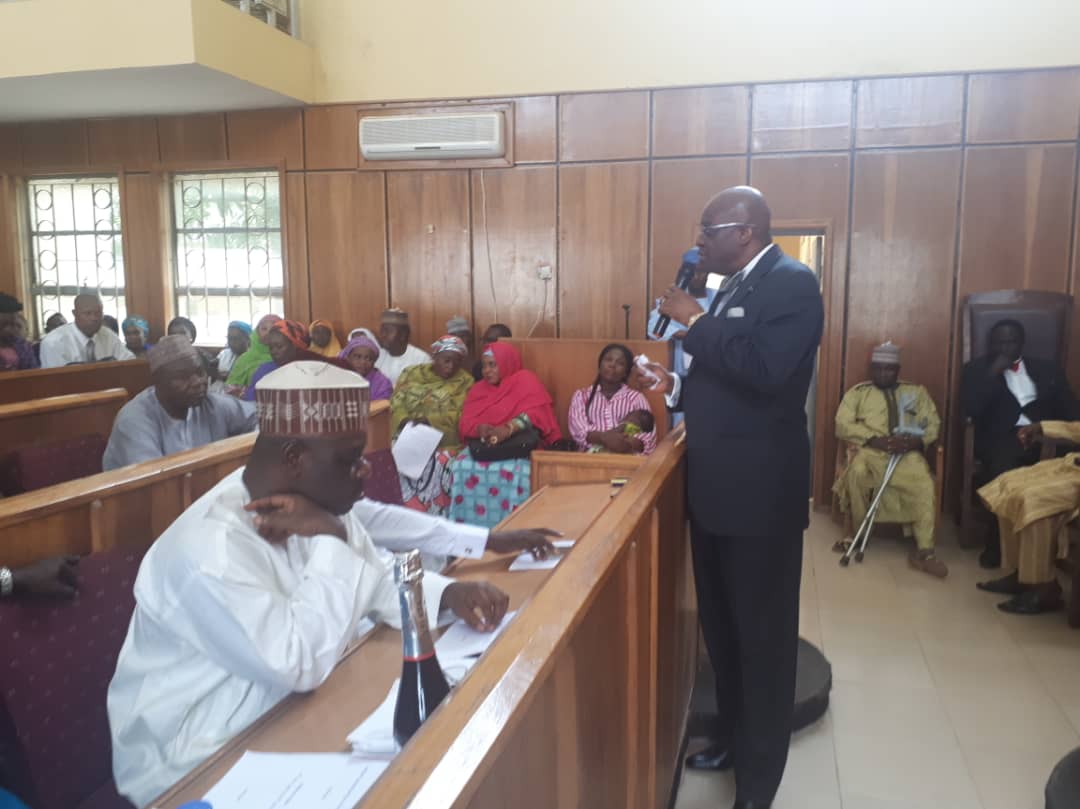
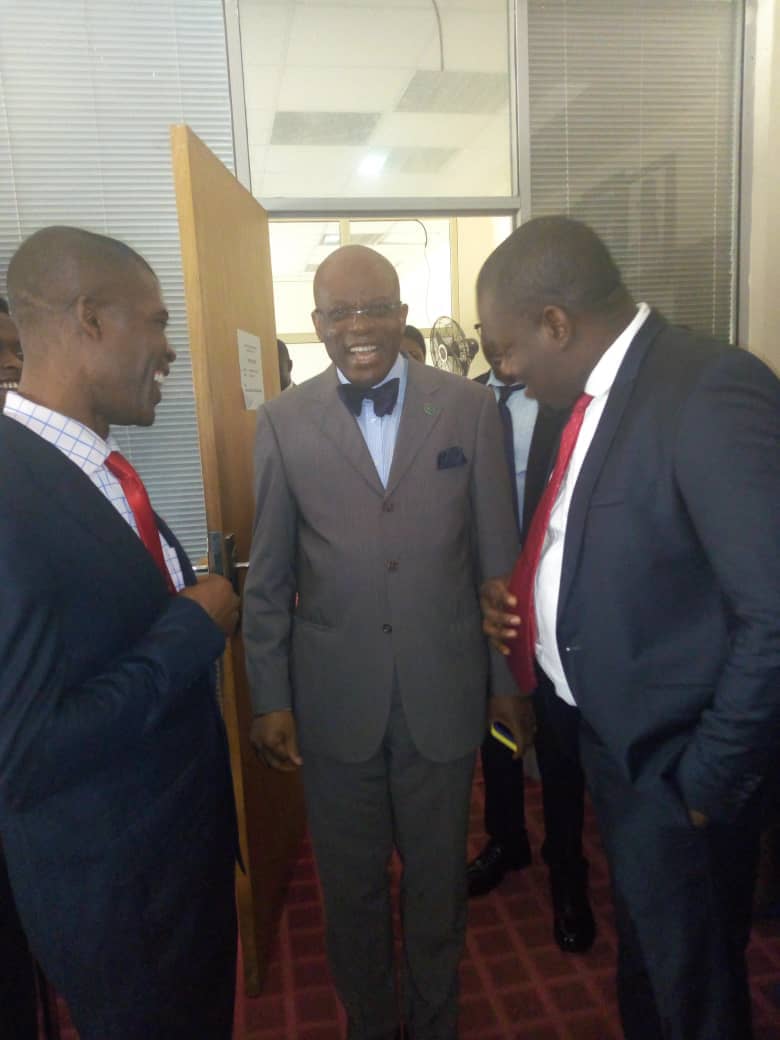
Photo: Paul Usoro SAN at the NBA Kaduna Branch Meeting on Friday, 13th July, 2018.
Yomi Shogunle is an Assistant Commissioner Of Police in charge of the Police Complaint Commission. Despite the cries of many Nigerians on the escalating rate of extortion and unlawful actions by his officers, rather than look objectively at the allegations of unlawful behaviour, he has consistently claimed the allegations are false and fabricated.
However, what is most shocking is that the Complaints Commission which he heads is used as propaganda for the police and cannot be said to have been succesful in eradicating or limiting the cases of gross indiscipline by the police.
Recently,on the 12th of July, 2018, one Mr. Emmanuel contacted the Legalnaija Blawg and explained how he had been extorted of the sum of 100,000 Naira by officers of the Nigerian Police. Like a responsible citizen, Mr. Emmanuel contacted the helpline of the Police Complaints Commission but he was reffered to the Whatsapp Number of the Commission, on engagement with the Whatsapp account, he was further redirected to the helpline. Up till now, Mr Emmanuel has been unable to lodge his complaint.
The above experience is proof that the Police Complaints Commission is not an effective tool in resolving complaints against the Police. The statistics shown in the graph below also depicts one important reason why police extortion is on the rise. We have therefore come up with this series of questions to test the credibility of the police complaints commission.
If 5,927 cases were resolved,
1. How come only 10 officers were dismissed during the period under review?
2. How come only 2 officers were suspended during the period under review?
3. How come only 64 officers were awarded other punishments under the period in review?
4. How come only 4 officers were reduced in rank during the period under review?
5. How many officers have been prosecuted and jailed for participating in the extortion of citizens?
6. Out of the 87,600 calls received, how come only 5,175 were processed?
7. Is there any form of sensitization in the over 1300 Police Stations on human right treatments and extortion.
8. How are police stations run, are there any monies given to each station for running operations or is each station supposed to source for its own funds?
9. Out of the over 1800 cases of financial requests for bail, what punishments, if any, were given to officers who demanded bail.
10. What are the profiling and investigative techniques used by the police when they identify young Nigerians as fraudsters.
Answers to these questions will reveal to everyone if the Police Complaint Commission in itself is a sham.
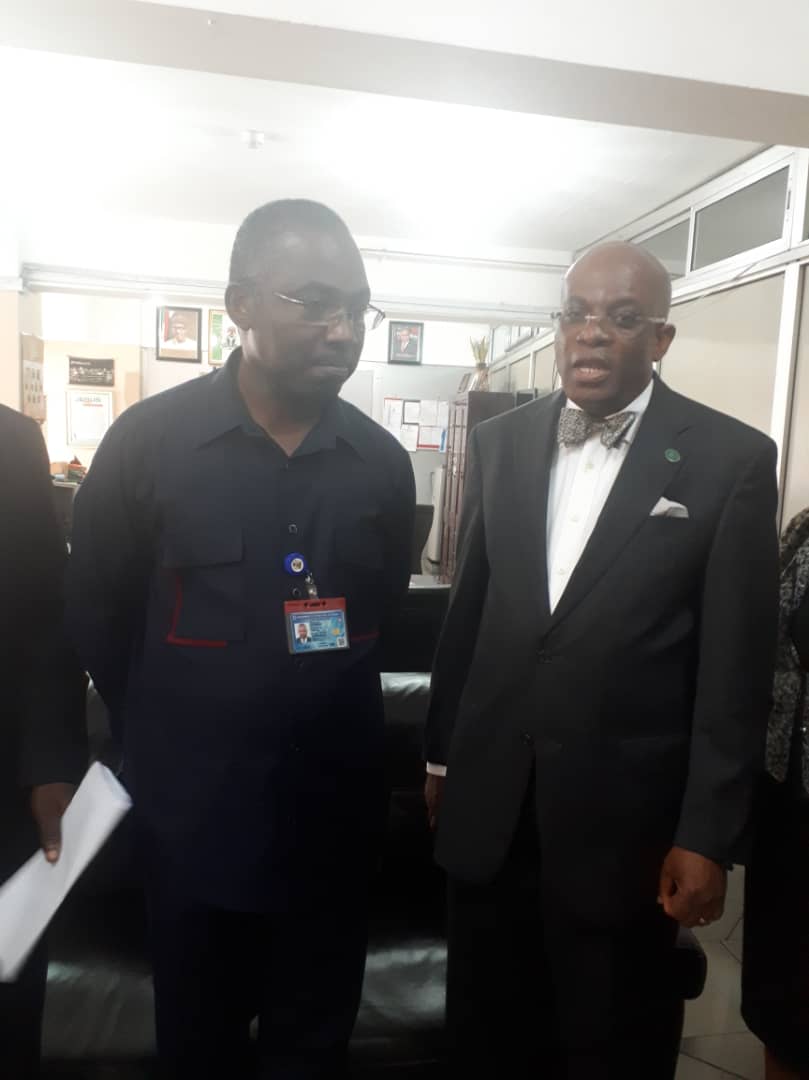
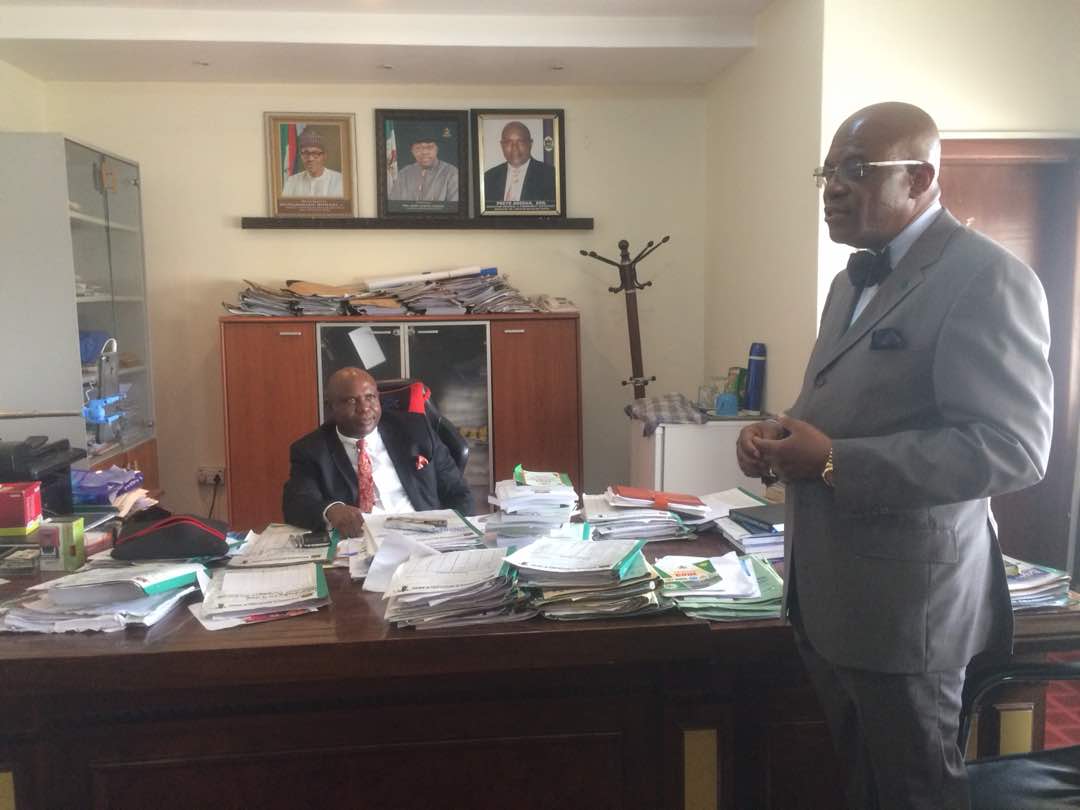
Mr. Rufus N. Godwins, the present Head of Rivers State Civil Service and a former Solicitor-General of Rivers State today assured Paul Usoro, SAN of his full support and he admits they are of like minds. According to Rufus N. Godwins, Paul Usoro, SAN blazed the trail in Communications Law in Nigeria when it was believed that no Nigerian Lawyer could handle it. He is confident that the reforms Paul Usoro will bring to the Nigerian Bar Association will take the association to greater heights. Find images from their meeting below:
Our attention has been drawn to some social media chats concerning a statement credited to the Hon AG of Akwa Ibom State. PU Team had immediately earlier in the week issued statements affirming the independence of Mr Usoro and denying any knowledge of the existence of any polling centers sponsored by AKSG or any sponsorship howsoever by any State Government including Akwa Ibom State. For avoidance of doubt, we reiterate that Mr Paul Usoro, SAN is self sponsored, has not received any acts of sponsorship howsoever from AKSG. In the SAN’s words:
“I AM INDEPENDENT AND ECONOMICALLY SECURE AND CAN DO THE RIGHT THING FOR AND BY THE ASSOCIATION WITHOUT BEING HOBBLED BY INTERESTS/ CONSIDERATIONS BE THEY ECONOMIC, POLITICAL AND SOCIAL OR BY “GODFATHERISM”
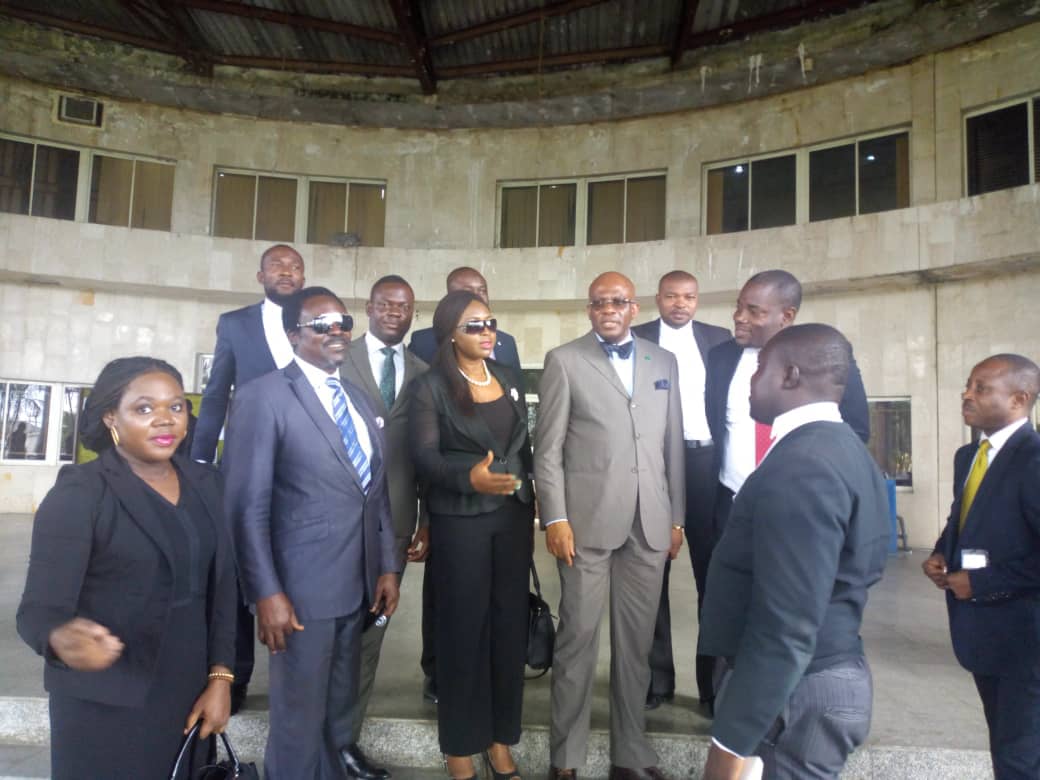
Paul Usoro meets with the Permanent Secretary & Solicitor-General of Bayelsa State. Preye Agedah, Solicitor-General and Permanent Secretary, Ministry of Justice, Bayelsa State, addressing Mr. Paul Usoro, SAN and his team.
There is no denial that lawyers play a very important role in global development. Just like every public-spirited people from every profession seek to contribute to the developmental cause, our knowledge as lawyers and our problem-solving ability can greatly contribute to the wide ranging skills needed to promote development worldwide. This work focuses on how lawyer’s dedication to pro bono legal services can help in community development.
Introduction
Lawyers generally have a moral responsibility when representing clients and when choosing methods by which their clients’ interests can best be preserved. Beyond this, there is an overriding moral premise that lawyers, having benefited greatly from the gift of a legal education, and having been well equipped with useful skills, have an obligation to help those who are less fortunate in the society.
This is the community foundation of legal ethics which demands that a lawyer should be more than an officer of the court or guardian of the law, but one who also posseses the virtue of good character.
A character through which he or she personally influences and affects people positively. The moment a lawyer who has integrity realizes how privileged he or she is to have been favourably placed in the society, he is impelled to do good. This is not to downplay any efforts each lawyer made to become who they are, but without the good fortune of finding oneself in a community where a lifetime gift of knowledge and discernment can be imparted, those efforts might not have yielded the expected results. Why then should we not give back to that community which made it possible for us to be who we are today? There is no doubt that lawyers have had to go through a widespread opprobrium over the years as our profession and practice often make us seem like the enemy. The image of lawyers is a topic of great debate, and most often than not, lawyers are the subject of criticism, both just and unjust. Criticisms read about the legal profession would often quote the line from Shakespeare, “The first thing we do, let’s kill all the lawyers”.
It is understandable that a negative image of lawyers may always exist, given the fact that lawyers will continue to play a part in an adversary system that produces winners and losers. The effect of this view, however, can be dissipated by our direct involvement in the community. This is not an advocacy for a complicated or over the top involvement. It is simply a call to help those who are less fortunate than ourselves, with the sincerest desire. Until our focus is directed to how we can capitalize on those possessed abilities, skills and motivations to generate good, we cannot expect great adulation from the public.
To generate good, therefore, lawyers need to get involved in the business of those who are disadvantaged. We have a responsibility to provide legal services to those unable to pay. Lawyers who are already involved in pro bono legal services can testify that helping these group of persons can be one of the most rewarding experiences in the life of any lawyer. The reward ranging from the gratitude of the person who you have just gotten out of a difficult situation to you forming an established and remunerative relationship when the person’s story changes for the better.
For young lawyers who may not always get the opportunity to handle things on their own as a result of the complexity of the law, pro bono work is beneficial. Not only does it feel good and give a sense of satisfaction, it also gives experience and creates an avenue for exercising and developing skills and techniques that would later be put to use in matters of greater substance. As such, pro bono work confers an immediate benefit on young lawyers in both satisfaction and experience.
For more senior lawyers, there may come a time in their legal career when they start to feel unsatisfied, uninspired and bored. When they have tackled and conquered the legal world and amassed a huge fortune for themselves. The question ‘what then?’ begins to resonate in their minds. This is the time when they wonder if what they have been doing was really what they wanted to do. It takes a lot more to feel a sense of satisfaction and personal pride, than material enrichment. Marshall Jones in his memoir, ‘A Lawyer’s Mid-Career Memoir’ acknowledged that despite having been involved in literally hundreds of business transactions and lawsuits, most of which fortunately involved the payment of a legal fee, his most fond recollections involved matters where he earned no fee. His narration of how he argued Sarah Hoffman’s case, a brave child born with no arms and unusable lower limbs, before the Caddo Parish School Board, that federal law required the School Board to provide handicap access to physically disabled children is compelling as well as inspirational.
Conclusion
Success in the legal profession should be understood as less related to the financial rewards of the practice and more related to the established relationships and lives that feel the touch of humanity through us. If your life in the legal profession does not have a great purpose, it will not produce great joy. I implore every one out there who can make a difference to not hesitate to make that choice today!
Bukola Helen Olusolade
LL.B, BL, LL.M
helenahb2k@gmail.com
Bukola Helen Olusolade is a hardworking, enthusiastic and vision-driven legal practitioner, writer and legal researcher. Her guiding light has always been her desire to take part in projects and researches that have developmental impacts. She believes that we all can make a difference, if we try.
Today, the Nigerian Senate passed for Second Reading A Bill to Repeal and Re-enact the Police Act of 1943. This is following last week’s resolution by the Senate to direct its constitutional review committee to put in place the machinery to amend the Constitution to allow for the creation of State Police and the mandate that the Police Reform Bill must be passed within the next two weeks.
The current Police Act of 1943 , which has been in existence for over 70 years — without any amendments, is being repealed and re-enacted to meet the current security challenges of a changing nation.
Highlights of the Bill include:
1. The establishment of a service-oriented and modern Police that will meet globally acceptable policing standards in a democratic setting.
2. The modernization of the current Police Force (which was conceptualized and established in the Colonial environment to protect colonial interests) with a Police Force that is geared towards protecting and safeguarding the lives and properties of Nigerian citizens.
3. The establishment of guiding principles to ensure effective policing in Nigeria. These principles include efficiency and effectiveness; accountability, and transparency; protection of human rights and fundamental freedoms; and partnership with other security institutions.
4. Methods of dealing with abuse of weapons by police officers. The Bill also ensures that the police and police officers are held accountable in their actions especially in the areas of arrest and detention of persons and searches.
5. Clauses that mandate record keeping by the police and clauses that ensure that citizens are fully protected from abuse by Police officers.
6. The establishment of a Community Police and Boards in all the States of the Federation that will consist of broad representatives of the community and the State to ensure effective, efficient and participatory community policing.
7. The establishment of an independent complaint authority to receive and investigate and effectively deal with complaints against police officers’ misconduct from the public.
The KPMG Report made the following findings in regard to the NBA’s Accounting System: (a) “The Association adopts manual processes for its financial reporting activities. A significant number of processes are executed manually, including but not limited to, invoice processing, budgeting, fixed asset management, bank reconciliations and journal postings”; (b) “Currently, financial transactions are captured on manual ledgers maintained on MS Excel spreadsheets. At the month-end, a trial balance is manually prepared to show the summary of transactions for each class of account”. On the risk and impact of the NBA’s antediluvian accounting system, the Report states as follows: (a) “Use of a manual accounting system leaves room for fraud or significant accounting errors”; (b) “Financial information may not be available timely, which could hinder sound or prompt decision making”. In concluding, the Report recommends that “the Association should perform a technology needs assessment for the financial reporting activities and select a suitable accounting software with the required reporting capabilities and functions”. In point of fact, it is not only our accounting system that is antediluvian and technology non-compliant; the Association itself and its various processes, operations and activities are technologically backward and non-compliant. At the last NEC meeting in Kano, for example, there was disputation amongst NEC members on the recording of the previous meeting’s proceedings and specifically as to whether a certain motion was moved or not moved. The mover and seconder of the motion insisted, during the review of the previous meeting’s Minutes, that the motion was moved and that it was not captured in the reviewed Minutes; the Secretariat advanced reasons why this could not have been the correct position of the proceedings. Such disputation could have been avoided if the NBA had introduced electronic recording for its NEC meetings and other proceedings and had also evolved and perfected a system of ensuring, protecting and preserving the integrity of such electronic recordings. One could ask, how can a Bar Association that still depends primarily if not solely on manual recording of its proceedings ever rise up to the challenge of championing the cause of and prodding the judiciary towards electronic recording of court proceedings in all the hierarchies of courts, notably, at the trial courts where the primary work of recording and processing evidence is still handwritten by Our Lordships? If we had put our house in order, the NBA ought to be in the forefront of championing ubiquitous use of electronic recordings in all our Courts given the obvious advantages and benefits that would accrue therefrom not only to the litigants but also to justice administration generally and indeed the Courts and our Lordships. To the naysayers who scoff at the prospects and practice of such electronic recordings in the courts, NBA should be able to give assurances based on its own practice of recording the Association’s meetings and other proceedings; we should in the process also be able to provide tips to the sceptics as well as those who are genuinely well-intentioned and need assurances on how best to ensure the integrity and preservation of such recordings. Sadly, the NBA robs itself of that prime advocacy role by remaining technologically backward in its own operations and activities. It definitely would smack of hypocrisy if the Association were to champion a cause it appears not to believe in and does not practice. And yet, the NBA is structured to be the voice, not only of the Bar, but of the society and the Nigerian citizenry who ultimately would benefit from the elevation of our courtroom recordings to electronic standards. From a different perspective, how can a Bar Association that is technologically challenged and backward be in a position to encourage its members to embrace modern technologies that would give them competitive and competitive edge and advantage in the international legal marketplace? The truth is that, a technology-driven NBA will greatly propel the Association towards achieving the primary aims of my reform agenda for the Association, to wit, (a) enhance efficiency in the operations and running of the Association; (b) engender confidence and trust amongst its members (or, as some would say, win back the confidence and trust of its members); (c) transform the NBA into a sustainable institution; and (d) increase the moral equity of the NBA to enable it effectively influence required reforms in the justice subsector and remain a respected watchdog of the society.