Senate Passes NOSDRA Amendment Bill to Curb Oil Spillages and Tackle Environmental Degradation

Senate Passes NOSDRA Amendment Bill to Curb Oil Spillages and Tackle Environmental Degradation

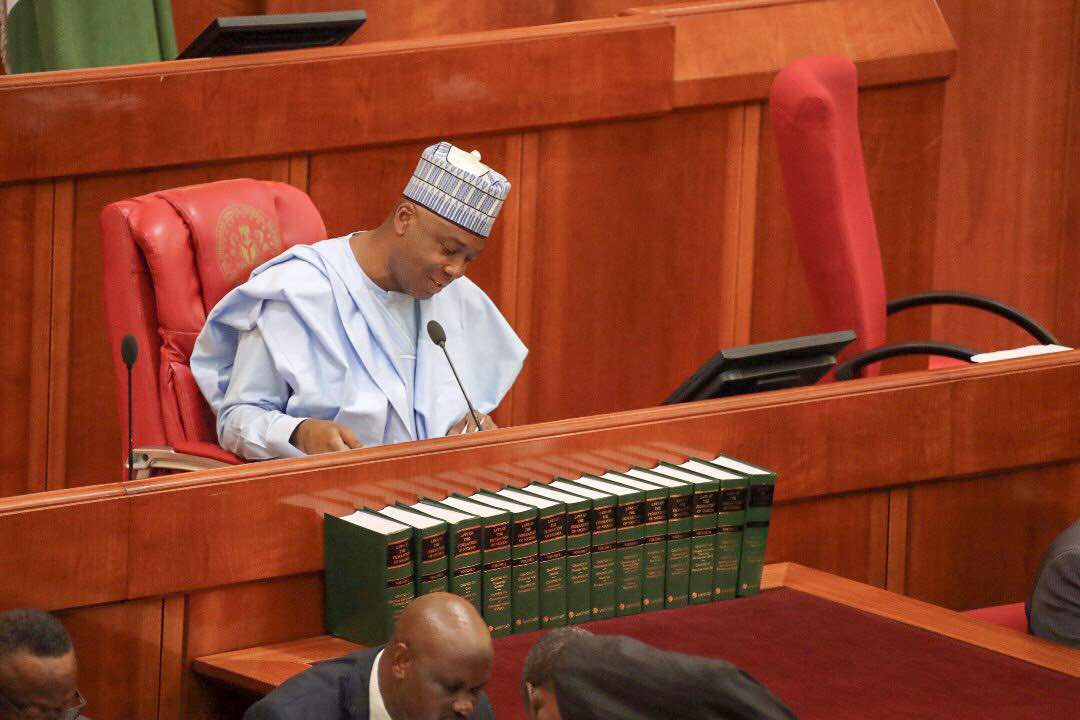
The Nigerian Senate passed the Report of the National Oil Spill Detection and Response Agency (NOSDRA) Act 2006 (amendment) Bill, 2018 (SB. 557).


The Report, which was presented by the Senate Committee on Environment, chaired by Senator Oluremi Tinubu, was read for the third time in the upper legislative chamber.

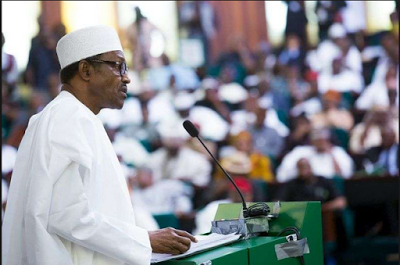
Speaking on the passage of the Bill, the President of the Senate, Dr. Abubakar Bukola Saraki, who also served as the Chairperson of the Senate Committee on Environment and Ecology in the 7th Senate (2011 to 2015) said: “Thank you for passing this very important Bill that will go a long way in addressing oil spillages. The focus of this Bill is to ensure that we prevent, as opposed to chasing culprits after the incident has happened.

“In doing this, we will inculcate the habit of adequate prevention and control of oil spillages. This is a very good development for the environment,” the President of the Senate said.

The NOSDRA Amendment will also address any kind of restriction and ambiguity in the Agency’s mandate. This will help to ensure that there is no ambivalence in the agencies mandate.

Additionally, the NOSDRA Amendment Bill will give the agency the requisite capacity to regulate the activities of the operators as it affects the environment.
DAY 7
PUTTING YOU FIRST 
PAUL USORO, SAN’S REFORM MANIFESTO FOR PRESIDENCY OF THE NBA

DAY 7 PUTTING YOU FIRST PAUL USORO, SAN’S REFORM MANIFESTO FOR PRESIDENCY OF THE NBA

Welfare Programme for Lawyers
One of the topical issues in our profession today, is the poor welfare package for young lawyers and this is for understandable reasons. The demographics of lawyers shows a distantly outnumbered senior lawyers as against the growing multitude of young lawyers.  Indeed, the Nigerian Law School on a yearly basis, turns out a great number of young lawyers such that, it is beginning to seem that there are more young lawyers scrambling and rushing after increasingly fewer job opportunities and spaces. With this development comes consistent complaint around poor remuneration packages translating to lower living conditions for lawyers. It is therefore imperative, urgent and critical, beyond election pitches and rhetorics, that amelioration of living conditions for young lawyers be taken seriously, by the NBA at the national level.

Another category of lawyers whose welfare I will work towards ameliorating, from a professional standpoint, is that of the aged and disabled lawyers. If I am elected as the NBA President, I will work towards achieving better welfare programmes for these categories of lawyers and generally for all lawyers through the underlisted channels, amongst others:
I. Mentorship Scheme and Capacity Building for Young Lawyers. Mentorship requires the mentee to identify a role model in the profession, preferably, a successful practitioner who will guide the mentee on the path to successful legal practice and also the ethics and traditions of the Bar and practice generally. NBA under my watch will encourage and actively facilitate such mentorship programs. A modified version of such program, as earlier mentioned, would involve periodic visits by young lawyers who are practicing in the provincial branches to structured Law Firms in the cosmopolitan cities and branches to see and learn, first-hand, law office management and the practice of law in those Law Firms.  This programme will be implemented in partnership with local and international law firms, Bar Associations and Law Societies of other countries, and training consultants.
II. Employment or Job creation for lawyers. Many lawyers are finding it difficult to eke out a living and this is a worrisome trend. If I get elected President of the NBA, I would spearhead NBA’s engagement with relevant stakeholders, to identify within Government Ministries, Departments and Agencies (MDAs) and from extant laws, those roles for which lawyers are best suited, given our training, and ensure that the legal market is protected for lawyers. I would also explore new vistas of opportunity for legal work that would result in enhanced income for lawyers and thereby improve the ability of senior lawyers and law firms to properly remunerate the young lawyers working with them.
III. As a corollary to the preceding proposition, my administration as the NBA President will check the incursion of non-lawyers, foreign lawyers and foreign law firms into the Nigerian legal practice. I do not believe that there is any aspect of legal services, including transaction and arbitral matters that we cannot find capable Nigerian lawyers to handle.  There could be a limited access principle whereby foreign lawyers may be led in transactions and arbitral proceedings by Nigerian lawyers, the Nigerian lawyers being the ones to nominate, agree with and assign portions of the assignment to the foreign lawyers and firms.  This could be made part of negotiations in the process of regulating access into the Nigerian legal market by foreign lawyers and firms.
IV. Aged Persons and Persons Living with Disability.  Persons living with disability and the aged have special needs which unfortunately are not generally catered for in our Nigerian environment.  These needs include access facilities into buildings, toilet facilities, specialized reading and legal practice materials and aids, customized technology aids and facilities.  My administration as the NBA President will work at installing these facilities at the NBA Secretariat where the model law office would be located.  The model law office at the National Secretariat would also be made friendly to and usable by agreed persons and persons living with disability. These facilities would gradually be expanded and provided at the NBA Zonal Offices in the 3 Zones of the NBA.  We would also open dialogue with the Chief Justice of the Federation and the heads of various courts in the Federation and the States on the required modifications for making the courts and the court facilities accessible to and usable by the aged and persons living with disability.
  More importantly, we shall dialogue constantly with these categories of lawyers to continually understand their needs and how best we can assist in meeting them.
V. As a corollary to the preceding proposition, we would advocate and push for diversity in the workplace, notably in  law firms, in a manner that would advantage persons living with disability as well as the aged who may still be intellectually fit and can contribute to the society and the profession. 
 My administration, with me as the NBA President, shall actively advocate against discrimination at the workplace on grounds, amongst others, of gender, age and/or physical disability.
 
VI. With NBA under my watch, we shall actively develop, maintain and constantly update at the National Secretariat, a verifiable database of Nigerian lawyers who have specialized knowledge and skills in various areas of law, either through practice or by education. Such a database would come in handy not only to blunt the constant put-down by Nigerian governments and their officials against Nigerian lawyers but also to positively assist such Government Agencies and private-sector companies and individuals in identifying skilled lawyers that could assist them in handling so-called complex and “novel” transactions and matters.
VII. Business Education and Investment Planning for Lawyers. As earlier mentioned, we shall include basic business management and strategic planning, financial accounting, investment planning and opportunities modules in NBA’s Continuing Legal Education programs, all structured as part of Law Office Management courses. This will enlighten and educate lawyers on the imperative of strategic planning for sustainable law office management.
VIII. Creation of NBA Welfare Foundation or Charity Funds. Bar Associations worldwide maintain Charity or Welfare Funds that help to cushion their members and/or their families and dependents against hardship. Examples of such hardships include death in the course of NBA work, accidents and/or medical conditions that occasion disability, natural disasters, and displacements occasioned by insurgency. We shall create and maintain such NBA Welfare Foundation or Charity Funds during our administration and the funds therefor shall be sourced from extant NBA income streams, donations and through special launching events.

PAUL USORO, SAN, FCIArb

Examining The Unconstitutionality Of The Executive Order  No.6 | Etiosa Ojomo ESq

Examining The Unconstitutionality Of The Executive Order No.6 | Etiosa Ojomo ESq

1.     On the 6th of July 2018, President
Muhammadu Buhari signed the Presidential Executive Order No.6 for the
Preservation of Suspicious Assets connected with Corruption and other relevant
offences. By the Order the Executive Branch is empowering its agencies to
determine a suspicious assets, seize and preserve same, pending a conviction by
the court.

2.     While the intention of the presidency in the
fight against corruption is commendable, the basis of the executive order
through which the presidency seek to achieve this aim is unconstitutional
because it amounts to the presidency making a law that classifies as a
subsidiary legislation and under the present constitutional ground norm in
Nigeria, the presidency cannot under the guise of an executive order usurp the
power of the legislature to make laws. 

3.     For the President to make any subsidiary
legislation in the country, it must first derive such power from the National
Assembly through their power of lawmaking. For the sake of emphasis Section 4(1)
Constitution of the Federal Republic of Nigeria (“CFRN”) 1999 as amended provides that “The legislative powers of the
Federal Republic of Nigeria shall be vested in the National Assembly for the
Federation which shall consist of a Senate and a House of Representative.” The
power of the Executive arm of government by the tenor of Section 5(1) is to the
effect that the executive powers shall extend to the execution of this
constitution, all laws made by the national assembly and to all matters with
respect to which the national assembly has for the time being to make laws. It
is in this light that the presidency has no power to make the Executive Order
granting power to its agencies to carry out interim forfeiture of assets.

4.     Furthermore under the Constitution, and our
relevant administration of criminal justice Acts and Laws to what extent does
the presidency have to order the interim or final forfeiture of assets, the
answer is in the negative. According to the Constitution in Section 44(1) “No
moveable property or any interest in an immoveable property shall be taken
compulsorily and no interest shall be acquired compulsorily in any part of
Nigeria except in the manner and for the purposes prescribed by law.

5.     Lastly, in Nigeria legal jurisprudence it is
the court that has the power to order interim or final forfeiture of assets
suspected to be proceeds of corruption through laws made by the legislature and
the presidency cannot usurp such powers by making an executive order granting
it same.

By: Etiosa Ojomo Esq. 

NEED FOR INCLUSION OF MINORITIES IN NIGERIAN BAR ASSOCIATION’S LEADERSHIP
culled from The Guardian of Tuesday, July 17, 2018

NEED FOR INCLUSION OF MINORITIES IN NIGERIAN BAR ASSOCIATION’S LEADERSHIP culled from The Guardian of Tuesday, July 17, 2018

NBA – EASTERN BAR FORUM ADOPTION OF PRESIDENTIAL CANDIDATE
The NBA National Elections are scheduled to take place this month, on 27/28 July 2018, and it has fallen on the Eastern Zone (as defined by the NBA) comprising Anambra, Enugu, Imo, Ebonyi, Abia, Rivers, Bayelsa, Akwa Ibom and Cross River States to produce the President of the Association pursuant to the NBA Constitution.  For the purposes of producing its President, the NBA divides Nigeria into 3 (three) Geographical Zones – Eastern, Western and Northern Zones – and rotates the office between these 3 (three) zones.  The tenure of the NBA National Officers is fixed by the Constitution at 2 years and the President sits at the apex of the National Executive Council.

There are three contestants for the office who have been cleared by the Electoral Committee of the NBA (“ECNBA”) and these, in the order of seniority both at the Bar and the Inner Bar, are Paul Usoro, SAN from Akwa Ibom State, Ernest Ojukwu, SAN from Abia State and Arthur Obi Okafor, SAN from Anambra State.  The entry of Paul Usoro has caused considerable consternation in the ranks of some members of the Eastern Bar Forum (“EBF”), a voluntary grouping of lawyers, with membership drawn from the pool of lawyers who hail from and are indigenes of the NBA’s Eastern Zone.

Their contention is that there is an unwritten convention between the members of the EBF for the office of the NBA President to rotate between the South-South States in the Zone (Rivers, Bayelsa, Cross River and Akwa Ibom States) and the Igbo States (Anambra, Enugu, Imo, Ebonyi and Abia States) each time that the office circles round to the Zone.  They also point out that Okey Wali, SAN from Rivers State was the last occupant of the office in 2012 when the NBA President’s office rotated to the East. For the 2018 Elections, the EBF has adopted one of the 2 candidates from the Igbo States and have waged a vicious campaign against the other two and in particular, Mr. Usoro.

What the proponents of EBF rotation and adoption principles and critics of Mr. Usoro’s entry into the NBA Presidential race know but mischievously fail to point out is that:

(a) EBF and NBA Constitution. The NBA Constitution neither recognizes EBF nor its afore-stated unwritten convention; as far as the Constitution is concerned, any lawyer from the Eastern Zone is qualified to contest for the NBA President’s office when it is the turn of the Zone to produce the President.  That explains the clearance of Paul Usoro by the ECNBA, alongside the other two aspirants, for the contest.  Furthermore, unlike NBA, membership of EBF is not automatic or mandatory; EBF is a voluntary association of lawyers from the Eastern Zone.  There is indeed a significant number of lawyers from the Zone who are not members of the EBF but are mandatorily members of the NBA. Paul Usoro is one of such NBA members who is not a member of the EBF and therefore not bound by the EBF Constitution and its unwritten conventions and practices. The secretariat of EBF confirmed membership is fewer than 400 persons, meaning more than 90% of lawyers from the former Eastern zone are not members of the EBF. This emphasizes the absurdity of such insignificant number to impose Leadership on over 160k lawyers in Nigeria.

(b) Previous NBA Presidents from Eastern Zone. Historically, the 2 (two) States of Akwa Ibom and Cross River (“Akwa-Cross”) have never produced a President of the NBA.  This fact is best appreciated and understood from the historical set-up of the defunct Eastern Region of Nigeria which was made up of the former East Central State (now the Igbo States of Anambra, Enugu, Imo, Ebonyi and Abia States), the former Rivers State (now Rivers and Bayelsa States) and the defunct South-Eastern State (made up of the present Akwa Ibom and Cross River States).  In that tripod which constitutes the NBA Eastern Zone, only the former South-Eastern State (qua Akwa Ibom and Cross River States) has not produced an NBA President.  The former East Central State has produced 5 (five) NBA Presidents while the defunct Rivers State has produced 2 (two).  The following are the NBA Presidents that have been produced by the former East Central State (now comprising the 5 (five) Igbo States):

i. Dr. Nwakama Okoro, SAN (Imo State) – 1976-1978
ii. Mr. Andrew Anyamene, SAN (Anambra State) – 1982-1984
iii. Chief (Hon) Ebele Nwokoye (Anambra State) – 1985-1987
iv. Sir Clement O Akpamgbo, SAN (Anambra State) – 1991-1992
v. Olisa Akpagoba, SAN (Anambra State) – 2006-2008

The 2 (two) occupants of the NBA President’s Office from the defunct Rivers State (now constituted into Rivers and Bayelsa States) have been:

i. O C J Okpocha, SAN (Rivers State) – 2000-2012
ii. Okey Wali, SAN (Rivers State) – 2012-2014

(c) “All-Inclusive Bar”. At a time that the Igbo States are calling for inclusive national policies and politics, the discriminatory attack on Paul Usoro is a very sad commentary on the EBF and its membership.  It simply depicts the proponents of the EBF position as persons who do not believe in an all-inclusive Bar particularly where such inclusiveness favors the minority States of Akwa Ibom and Cross River States.  Instead of accommodating the yearnings of Akwa-Cross for inclusion, the EBF apparatchik have resorted to blackmailing, browbeating and name-calling Mr. Usoro and his supporters, all in an effort to intimidate him out of the race. Even with Mr. Usoro as the President of the NBA in 2018, the Igbo States would still produce, in the aggregate and historically, the highest number of NBA Presidents of Eastern Zone origin viz-a-viz the minority States of the Zone.

(d) NBA Constitution. On the issue of rotation, the NBA Constitution admonishes that “where a position is zoned to any particular geographical zone, the position shall be rotated and held in turn by the different groups and/or sections in the geographical zone”.  This provision clearly favors Akwa-Cross States that have never produced an NBA President in the history of the Association particularly considering the historical tripod that makes up the NBA’s Eastern Zone.  It would perhaps have been a different situation if no candidate emerged from Akwa-Cross or if the minority States of the East had, in the aggregate produced as much number of NBA Presidents as the Igbo States.

(e) Doubtful EBF Unwritten Convention.  The so-called EBF unwritten convention of rotation and adoption of candidates is of doubtful existence.  In 2006, Chris Uche, SAN from Abia State contested against Olisa Agbakoba, SAN  from Anambra State and Funke Adekoya, SAN from the Western zone for the NBA President’s office.  When Okey Wali, SAN contested for the Presidency of the NBA in 2012, Emeka Ngige, SAN from Anambra State contested against him and almost won that election.  Even in this 2018 Elections, until the recent disqualification of Afam Osigwue from Anambra State by the ECNBA, there were two other aspirants for the NBA President’s office, apart from Mr. Usoro.  Currently, there are two Senior Advocates of Nigeria from the Igbo States who are contesting for the office with Mr. Usoro notwithstanding the so-called EBF adoption of one of them.

(f) “Shoo-in” President.  EBF rotation and adoption principles eliminate contest and deprive NBA members of choices and in the process makes a complete mockery of the election concept.  As earlier mentioned, the EBF has adopted one of the 3 (three) contestants for the office of the NBAS President and has written to all the other NBA Zones and regional groupings to follow suit and adopt its anointed candidate.  On this account, the EBF and its members have waged a vicious and relentless campaign mostly against Mr Usoro for daring to contest the office.  The EBF in the process arrogates to itself the right to make a choice of the NBA President for the entire NBA electorate made up of 3 NBA Zones holding all together over 30,000 lawyers/members.  With the greatest respect, that is very arrogant and presumptuous of the NBA apart from being anti-democratic, wholly unfair and contrary to all known principles of equity and good conscience.  Little wonder that the EBF adoption has been rejected by other regional fora and groups.

(g) Professionalism and Competence.  One would have thought that the EBF which purports to be a regional grouping of lawyers, would extol competition amongst qualified lawyers from the Eastern Zone for election as President of the NBA and lay emphasis on professionalism and competence as the most critical qualifications therefor.  In that regard, it bears pointing out that no one has suggested, even remotely, that Mr. Usoro is not vested with the skills, competence, sagacity and God-endowed wisdom to pilot the affairs of the NBA as its President.  Indeed, everyone including the EBF proponents are agreed that he is amply endowed in that regard and would, as President of the NBA, make the Association very proud, not least, the EBF and its members. 

(h) Seniority at the Bar. The legal profession lays emphasis on seniority and Mr. Usoro is older in all respects – biological age, age at the Bar and age in the Inner Bar – than the other 2 (two) aspirants for the NBA President’s office.  Clearly, by the culture of the Bar, he should take precedent over the other two in all respects. 

These facts fully rebut the ongoing vicious campaign against Mr. Usoro’s candidacy for the NBA President based solely on the purported EBF unwritten policy of rotational adoption of Presidential candidates.  Happily, the ECNBA has not pandered to the EBF in that regard.  By clearing Mr. Usoro for the elections, the ECNBA is setting a standard in the conduct of competitive elections that lays emphasis on the quality of the candidates and the presentation of credible choices to its electorate.

Chinyere Chukwu

DAY 5
PUTTING YOU FIRST 
PAUL USORO, SAN’S REFORM MANIFESTO FOR PRESIDENCY OF THE NBA

DAY 5 PUTTING YOU FIRST PAUL USORO, SAN’S REFORM MANIFESTO FOR PRESIDENCY OF THE NBA

HUMAN CAPITAL DEVELOPMENT AND WELFARE PROGRAMMES
The pride of a lawyer, in-house or in private practice, is in the application of his skills, knowledge and workmanship for the promotion of the rule of law, attainment of justice and protection of his client, followed by the attendant economic reward and benefits. This underscores the importance of knowledge, skills and human capital development. My plan therefore is to foster that pride by lawyers in the legal profession, irrespective of their mode of practice, livelihood and legal career, using the instrumentality of the NBA.
A. An All-Inclusive Bar
Nigeria boasts of a sizeable number of lawyers even as more lawyers are passing out of the Nigerian Law School every year. However, not many lawyers participate in NBA activities partly because emphasis seems to be placed by the NBA more on the lawyers who are in active private legal practice. 
Hence, corporate/in-house counsel, lawyers living with disabilities, public sector lawyers (mostly in civil service and government parastatals) and female lawyers, are generally not given the opportunity to participate in nor encouraged to attend NBA activities and as a result, they do not derive or even see any membership benefits from these activities. It is my candid view that every lawyer and member of the NBA should identify with the Association and derive some benefit therefrom.
One of the ways to sustain the interests of our members in these different lawyer-groupings is to address issues directly affecting them. If I get elected President, the NBA would offer a clear value proposition for the inculcation of an inclusive bar to our members, be they in private legal practice or not. I am indeed for and will champion the entrenchment of such an inclusive bar. 
There is no reason why corporate counsel, for example, cannot take up appointments or membership in NBA Committees (at both National and Branch levels) provided they are available and committed to the course for which such NBA Committees or offices are set up. Some groupings of lawyers have historically been short-changed in these appointments even though they have eminently qualified persons amongst them who can occupy these positions and acquit themselves very well. If I am elected as President of the NBA, I will address that imbalance.
PAUL USORO, SAN, FCIArb
Comparison of Advocacy Experience & Skills of Candidates For The Office of President Of The NBA

Comparison of Advocacy Experience & Skills of Candidates For The Office of President Of The NBA


NOTE: ALL INFORMATION IN THIS POST IS COPIED
FROM THE PUBLIC PROFILES OF THE CANDIDATES AS MADE AVAILABLE ONLINE. IT IS
INSTRUCTIVE TO NOTE THAT SOME CANDIDATES DID NOT PROVIDE SOME OF THE REQUIRED
INFORMATION IN THE SAID PROFILES.


Paul
has been involved in virtually all major transactions and regulatory reforms in
the Nigerian communications sector and was involved in the first-ever and
all-round successful Nigerian Digital Mobile Spectrum Auction conducted in
2000. The transaction earned the Federal Government of Nigeria
US$855,000,000.00 for 3 Digital Mobile Licences.

He Has
been the primary adviser to the Nigerian Communications Commission (NCC) in
most of its reform initiatives till date and Served as the
only African and the sole Legal practitioner
in the six-member Auction
Control Team for the Global Systems of Mobile Communications (GSM) Spectrum
Licence Auction that introduced Econet Wireless Networks Limited (now Airtel),
MTN Communications Limited and NITEL GSM to the Nigerian market.

Paul Usoro’s additional core ICT regulatory
and transaction experiences are highlighted hereunder:

i.      Acted as sole
legal consultant to the NCC in respect of the Mobile Number Portability;

ii.    Preparation,
on behalf of NCC, of a National Carrier Licence and an International Gateway
Licences for NITEL, a hitherto unlicensed monopoly;

iii. Acted
as lead legal consultants to NCC for the Second National Operator licensing
processes, including the auction and preparation of the 3 SNO licences;
the process
produced Globacom Limited as Nigeria’s Second National Carrier;

iv.  Preparation of
the Interconnectivity Agreement between NITEL and licensed private network
operators;

v.    Represented NITEL
in the negotiation of the Construction and Management Agreement for the laying
of the SAT-3/SAFE/WASC trans-continental fibre-optic cable project which spans
the sub-Saharan African Continent and extends to Far East Asia through Southern
Africa, with European landing points. 
This was the first trans-continental cable project in sub-Saharan
Africa.

Paul Usoro was appointed by the Akwa Ibom
State Government to manage its portfolio investment in Airtel in 2001 and  henegotiated this investment, valued as at
the date of entry at the sum of US$75,000,000.00.  Akwa Ibom State Government cashed out most of
its investments in this enterprise in 2006, in the transaction by which Celtel
BV successfully invested over US$1,000,000,000, by way of share purchase from
existing shareholders and injected fresh capital into Airtel (“Celtel
Transaction”), which transaction was chiefly negotiated by Paul.

Paul led the
Airtel Shareholders Committee in negotiating the Celtel Transaction as the
Committee Chairman, which, at the time, ranked as one of the biggest private
sector equity transactions in Nigeria’s history. Paul represented the interest
of all the shareholders which included three Nigerian State Governments and
blue-chip corporate citizens like First Assets Limited, a wholly-owned
subsidiary of First Bank of Nigeria Limited. It is a testimony to Paul’s
leadership quality that Celtel BV insisted after the Transaction that he
remains on the Board even though Akwa Ibom State Government whom he initially
represented had about sold out completely from the Company. 

In 2010, Celtel
BV sold out its equity entirely to the Bharti-Airtel Group of India resulting
again in the reorganization of the Airtel Board.  Again, Bharti-Airtel, the new 65% owners of
Airtel insisted that Paul remains on the Board of the Company where, as at
date, he chairs the only Committee of the Board i.e. the Audit Committee. A
founding Secretary General, Telecommunications Law Association, Mr Usoro was
named ‘Best Pan African Telecoms Lawyer of All Times’ by the IT and Telecom
Digest, Nigeria’s leading and one of Africa’s foremost ICT magazines.

Matters Reported in The Nigerian
Weekly Law Report

A.
SUPREME COURT:

1.   A.G Rivers
State v A.G Akwa Ibom State (2011) 8 NWLR (Pt. 1248) 31 (SC)

2.   Engr. Frank
Okon v INEC (2015) 9 NWLR (Pt. 1463) 113 (SC)

3.   INEC v Umana
(No. 1) (2016) 12 NWLR (PT 1526) 260 SC

4.   INEC v Umana
(No. 2) (2016) 12 NWLR (Pt 1526)289 SC

5.   PDP v Umana
(No. 1) (2016) 12 NWLR (Pt 1526)299 SC

6.   PDP v Umana
(No. 2) (2016) 12 NWLR (Pt 1526) 307 SC

7.   Udom v Umana
(No. 1) (2016) 12 NWLR (Pt. 1526) 179 SC

8.   Udom v Umana
(No. 2) (2016) 12 NWLR (Pt 1526) 270 SC

9.   A.G Lagos v A.G Federation (2003) 12 NWLR (Pt.833) SC

10.  A.G Ondo v A.G Federation (2002) 9 NWLR (Pt. 772) 222 SC

11.  Societe Bancaire (NIG.) Ltd v De Lluch (2004) 18 NWLR 341 SC

12.  Nitel v Okeke (2017) 9 NWLR (Pt. 1571) 439 SC
B. COURT OF APPEAL:

13.  Archibong v State (2006) 14 NWLR (Pt. 1000) 349 (CA)

14.  A.G. Federation v A.G. Abia State & Ors (2002) 6 NWLR (Pt. 784) 542
(CA)

15.  A.G. Abia State v A.G. Federation (2005) 12 NWLR (Pt. 940) 542 (CA)

16.  Idiok v State (2008) 13 NWLR (Pt. 1104) 225 (CA)

17.  SEC v Osidero
(2009) 5 NWLR (Pt. 1134) 377 (CA)

18.  Habeeb Bank v
Opomulero (2000) 15 NWLR (Pt. 690) 315 (CA)

19.  Technip v AIC
Ltd (2011) 15 NWLR (Pt. 1270) 326 (CA)

20.  Union Bank v
Sadiku Lawal (2008) 7 NWLR (Pt. 1087) 613 (CA)

21.  NITEL v Ugbe
(2002) 3 NWLR (Pt. 753) 1 (CA)

22.  Mobil v Yusuf
(2012) 9 NWLR (Pt. 1304) 47 (CA)

23.  Leasing Company Nigeria Ltd v Tiger Industries Ltd (2007) All FWLR (Pt.
347) 659 (CA).

Matters Reported in Law Pavilion
Electronic Law Report

COURT OF APPEAL

1.    
Star Deepwater Petroleum & 3 Ors v AIC Ltd Limited & 3 Ors
(2010) LPELR – 9165 (CA)

2.    
NITEL v Emos Dynamic Nig. Ltd (2008) LPELR – 4618 (CA)

3.    
Hon. Iquo Nyong of PDP v Elder (Dr.) Ini Akpan of Achan Congress
Party (AC) & 3 Ors (2008) LPELR – 4656 (CA)

4.    
Scanad Nigeria Ltd v Prima Garnet Communication & Anor (2014)
LPELR- 23313 (CA)

5.    
Hon. Minister of Environment & Anor v County & City Bricks
Development Co. Ltd (2011) LPELR – 4256 (CA); (2011) All FWLR (Pt. 644) 66

6.    
Edet Udo v Akpabio (2013) LPELR-22119(CA)

7.    
Nigerian Agricultural Co-op & Rural
Development Bank Ltd. Anor. v Mbio Oku Ikot Oku Odung Multi-Purpose Co-op
Society Ltd. & ORS. (2013) LPELR-20202(CA)

8.    
Gordon Tom Iwok & Ors. v. University
of Uyo & Anor (2010) LPELR-4345(CA)

Ogundipe v NITEL
(2015)
LPELR – 24920
(CA).

The Teacher as often called has been into
active legal practice over the years. From 1984-1985, he served his NYSC in the
Legal Aid Yola. He was Counsel, Law Firm of GNA Atulomah and Co, Aba from 1985-
1988. Counsel, Law Firm of GNA Atulomah and Co, Aba. He was partner to Ekenna
Nwajei Nwauche & Ojukwu Aba from 1988- 1992; Partner, Nwonye and Ojukwu,
Aba from 1992-2001 –2014; presently partner, OJUKWU FAOTU & YUSUF
(OFY-Lawyers), Aba, and Abuja and was appointed  in 2014 as a Senior
Advocate of Nigeria. He is a Pioneer, Clinical Legal Education in Nigeria. Over
12 Law Clinics were established in Nigerian Universities under his watch.

As a Member, NBA Committee on the review of
the Legal Practitioners Act & Legal Education Act 2011, Ojukwu produced a
new draft for the Committee and that draft is currently pending before the
National Assembly today. In addition to the Legal Practitioners Act, Ojukwu
also submitted to the Bar draft bills on Legal Education and Legal Services
Commission. These are also presently before the National Assembly. In 2006, the
NBA under President Olisa Agbakoba SAN requested an amendment in place of a
completely new Act and Ernest Ojukwu submitted a new Legal Practitioners
(Amendment) Bill which was submitted to the National Assembly. He Proposed the
introduction of a Mandatory Continuing Legal Education for the Bar at the NBA
Annual General Meeting Ilorin 1998. As a Member of NBA NEC, he proposed a
resolution dated 3rd November 2003 for NBA NEC to “direct the
General Secretary NBA to publish on or before the 31st day of
December 2003 the list of co-opted members of NEC and Branch representatives in
accordance with section 9(a)(iv) and (v) of the NBA Constitution.” He also
Organised as Chairman NBA Aba Branch, the 1st Law Reform Workshop in
Abia State in 1998.
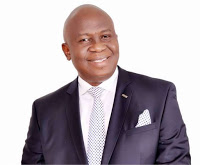
Under the tutelage of Chief Ikeazor, SAN,
Arthur Obi Okafor, as a young Counsel was exposed to the best of litigation,
practice and procedure in diverse aspects of Nigerian law. He was led by Chief
Ikeazor in some of the most-celebrated cases in our law reports, such as;
Chinemelu V. C O P (1995) 4 NWLR (Part 390) 467 @ 484 and Anatogu v. Iweka II
(1995) 8 NWLR (pt. 415) 547 among others.

Arthur Obi Okafor is a litigation lawyer par
excellence. With a large clientele from different walks of life, he has
concluded many high profile and contentious civil and criminal litigations,
cutting across diverse areas, including election petitions, land matters,
receivership, company proceedings etc. at the Supreme Court, Court of Appeal,
Federal and State High Courts and other superior courts of record. In
furtherance of his strong belief in making justice accessible, he consistently
offers his experience and expertise to indigent members of the society by
handling their matters pro bono. Below are some of the celebrated cases of the
Supreme Court that he participated in:

1.        Onuorah
v. KRPC Ltd. (2005) 6 NWLR (Pt. 921) 393.

2.        Balonwu
v. Governor of Anambra State 2009 18 NWLR 13 (Pt. 1172).

3.        Peter
Obi v. INEC (2007) 11 NWLR (Pt. 1046) 565.

4.        Edward
Nkwegu Okereke v. Nweze David Umahi & Ors. (2016) LPELR-40035(SC).  

5.        Ikechukwu
v. Nwoye (2015) 3 NWLR (Pt. 1446) 367.

6.        Ilobachie
v. Ilobachie (2005) 13 NWLR (Pt. 943) 695.

7.        Odedo
v. I.N.E.C (2008) 17 NWLR (Pt. 1117)554. 

He was recently appointed Chairman of the
Administration of Criminal Justice Reform Committee of the Nigerian Bar Association.
In addition to the above, Arthur Obi Okafor is also an Assessor with the Delta
State Multi-Door Court House for listing Arbitrators, Mediators and
Conciliators.
Photos From The Communications Sector Stakeholders Forum Where Paul Usoro SAN Delivered A Lecture

Photos From The Communications Sector Stakeholders Forum Where Paul Usoro SAN Delivered A Lecture

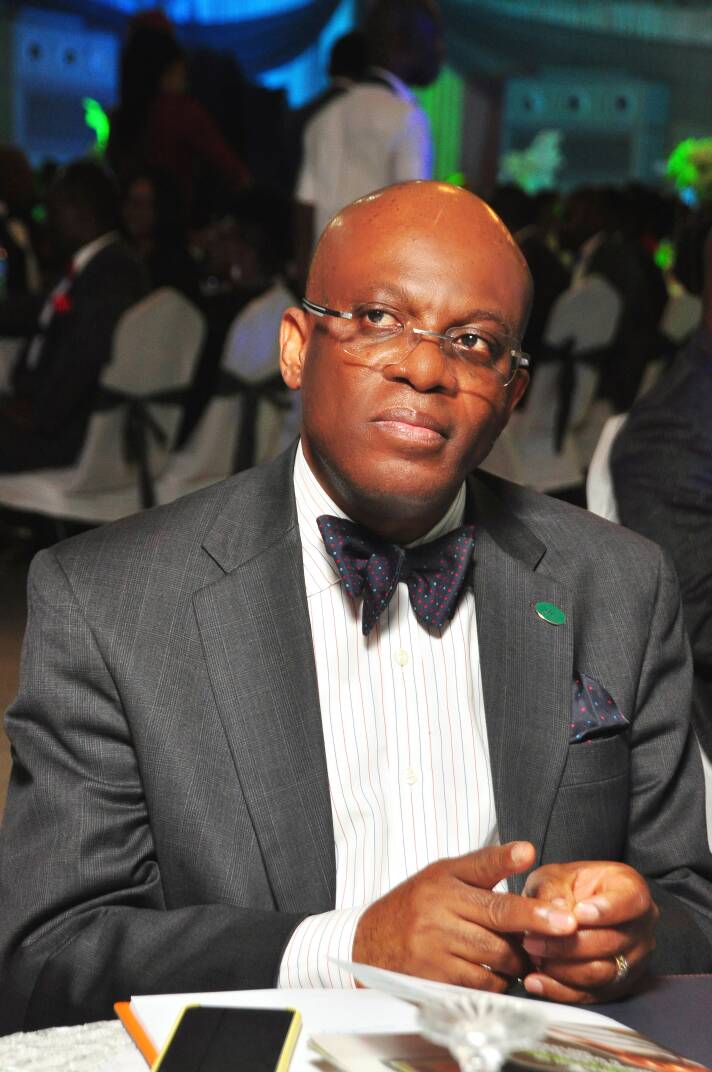
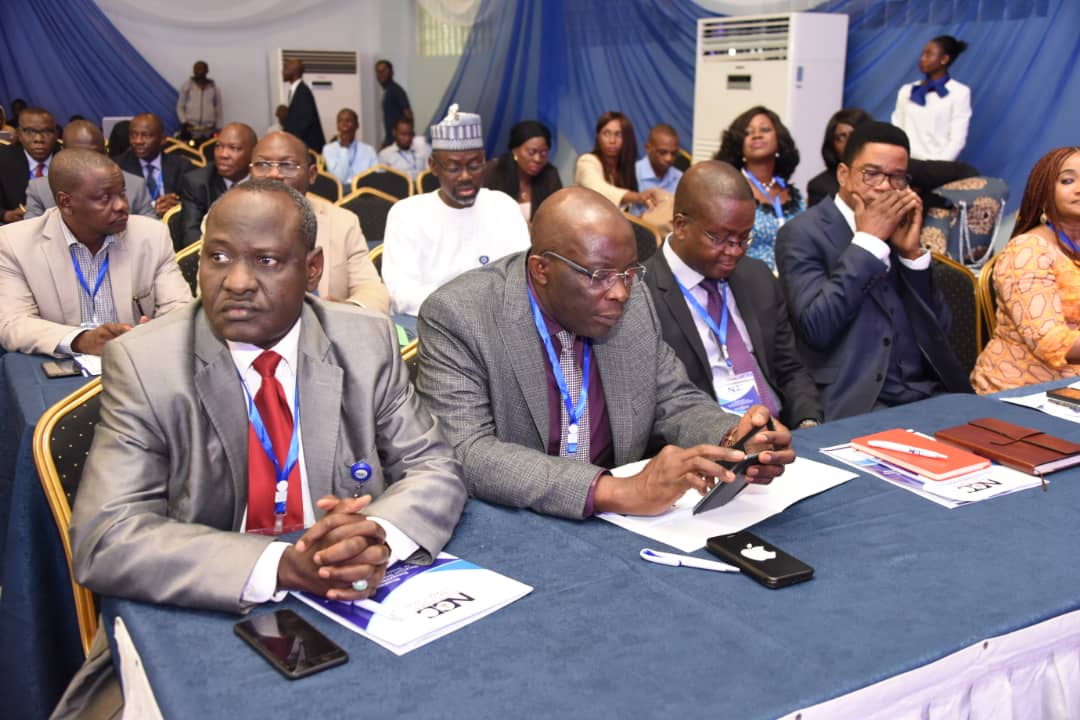
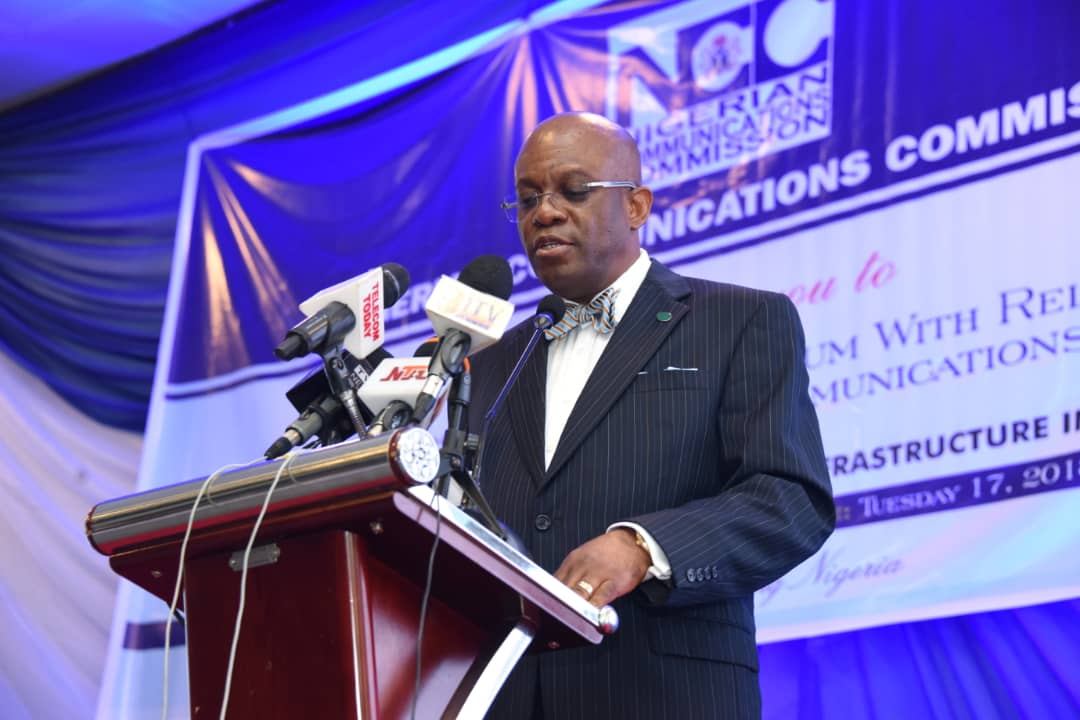
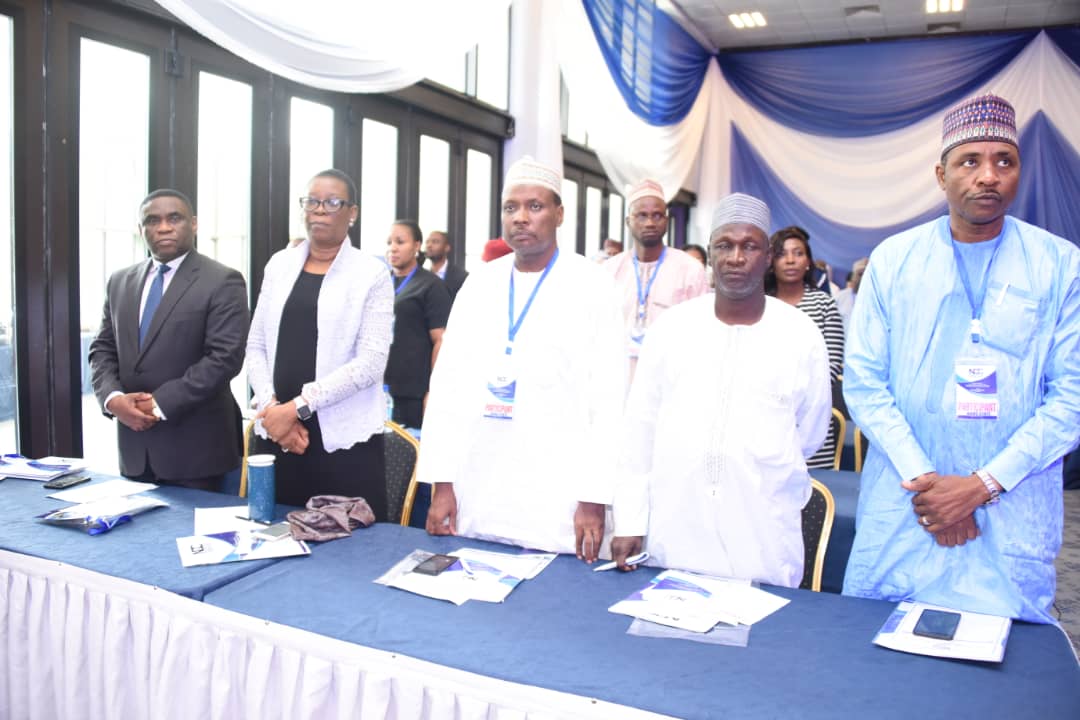
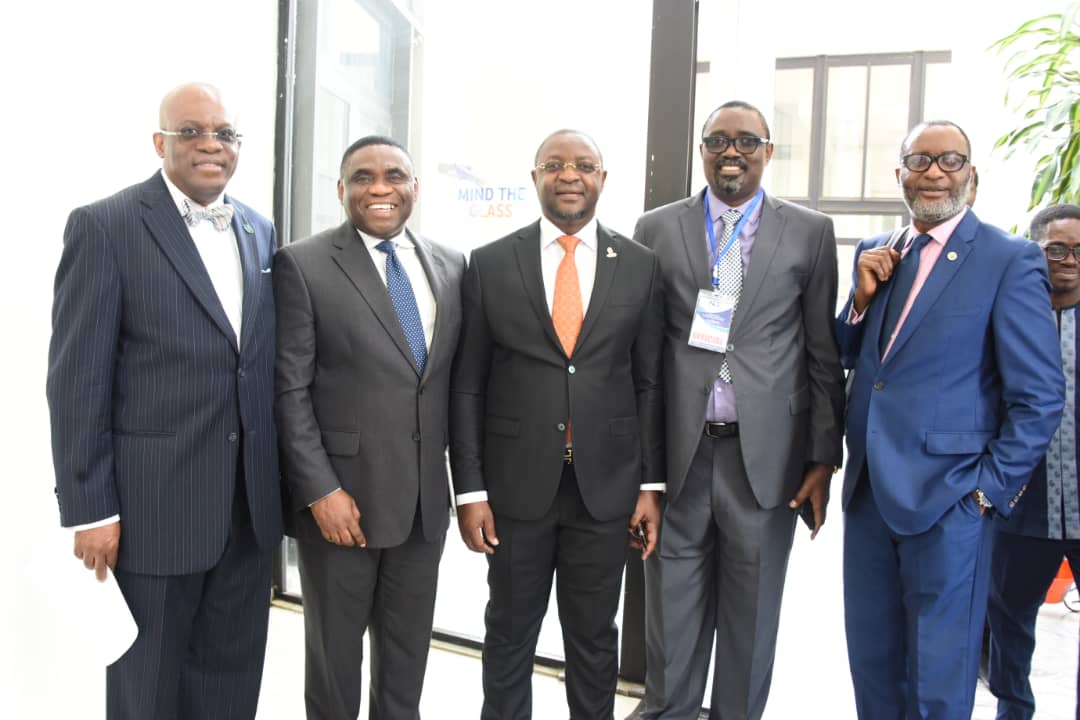
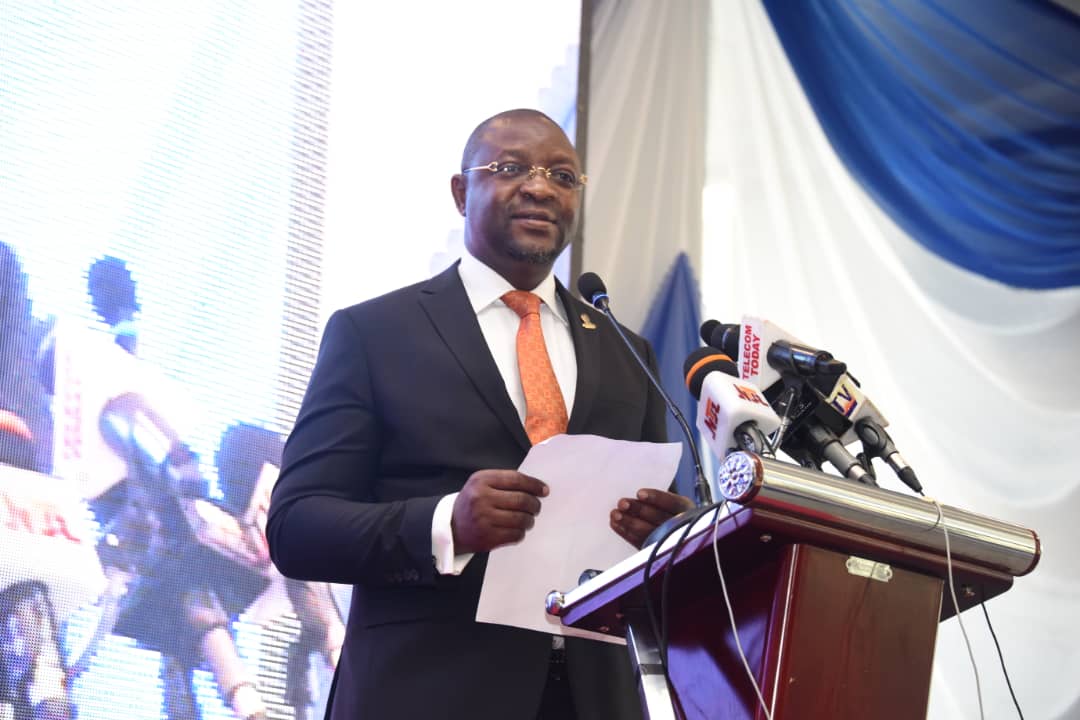
In a stakeholders’ forum held at the Nigerian Air Force Conference Centre, Jabi, Abuja today, July 17, 2018. The leading NBA Presidential Candidate Paul Usoro, SAN was on ground to deliver a thoughtful lecture on the “Legal Framework for Telecommunications Infrastructure Rollout”.

He spoke on the need for Stakeholders to be more proactive by taking the necessary steps to protecting the telecoms infrastructure. He therefore called on the Government to be conscious of the role telecommunication plays in the socio-economic growth and development of the nation.

Paul Usoro further went on to state that there should be a commitment towards ensuring that the telecoms infrastructures are expanded and incentives need to be developed for investors to encourage rapid expansion of telecommunication infrastructure across the nation.
The forum was well attended by notable guests such as Prof. Umar Garba Danbatta  (Executive Vice Chairman, NCC), Prof. Abiola Sanni (Tax Consultant) who presented a paper on the topic “Harmonization of Taxation/Regulation on Telecoms Infrastructure”, Mr. Sunday Dare – Executive Commissioner (Stakeholder Management), NCC and many others.
Withdrawal from excess crude accounts; did the president act beyond his powers? | Eloho Yekovie Esq.

Withdrawal from excess crude accounts; did the president act beyond his powers? | Eloho Yekovie Esq.

Abstract

There
has been a lot of partisan rowdiness amongst Nigerians
following the President’s withdrawal of $496 million from the
Excess Crude Account, without prior approval of the National Assembly or
appropriation. The primary issue is whether or not President Buhari had acted
ultra vires and in the process violated the tenets of the Constitution?

Introduction

According to Investopedia, “Excess Crude Account
is a Nigerian government account used to save oil revenues above a base amount
derived from a defined benchmark price”.

The Excess Crude Account was
established in 2004 during the President Olusegun Obasanjo’s administration,
and its objective is primarily to protect planned budgets against shortfalls
due to volatile crude oil prices. By delinking government expenditures from oil
revenues, the Excess Crude Account aims to insulate the Nigerian economy from
external shocks. It also seeks to protect public expenditure from being
patterned on the boom and bust cycle of the international oil market.

Recently,
controversies steered up as President Buhari approved the withdrawal of $462
million from the Excess Crude Account (ECA) to the United States for the
procurement of 12 Super Tucano fighter jets(aircrafts) to fight insecurity in
the country without prior approval of the National Assembly.

The
Presidency held that a letter was sent to the National Assembly on 13th
April 2018, stating that, the U.S. government had given a payment deadline for
the aircraft purchase, hence, the need for the hasty approval and payment and
also that   the money be included in the
2018 Appropriation Bill/budget which is yet to be passed by the National
Assembly. It was also submitted that the decision of the President was also
informed on the ground that there was an earlier resolution passed to that
effect by the state Governors at NEC meeting held on 14th December
2017 that up to $1billion from the Excess Crude Account may be utilized to
address the security emergencies in the country.

IMPLICATIONS
OF THE PRESIDENT’S ACTIONS

There has been lot of debates on this
debacle as to the legality of the Withdrawal of $496 million by the President
without approval from the National Assembly. From the foregoing, the fact that
the President had given an anticipatory approval for the withdrawal of the cash
and paid before a public announcement of the approval shows demonstrable
evidence of crass Executive Lawlessness which has hindered the progress of our
democracy over the years. This act by the President is an utter disregard for
the constitution of Federal Republic of Nigeria thus an impeachable offence as
held by Senator Chukwuka Utazi who prayed the senate for Section 143 of the Constitution
to be invoked so as to initiate the impeachment process of the President.

Under Sections 80 (2), (3) and (4) of
the 1999 Constitution, which states that:

“(2) No moneys
shall be withdrawn from the Consolidated Revenue Fund of the Federation except
to meet expenditure that is charged upon the fund by the Constitution or where
the issue of those moneys has been authorized by an Appropriation Act,
Supplementary Appropriation Act or an Act passed in pursuance of Section 81 of
this Constitution.

“(3) No amounts of money shall be
withdrawn from any public fund of the Federation, other than the Consolidated
Revenue Fund of the Federation unless the issue of those amounts of money has
been authorized by an Act of the National Assembly.

“(4) No amounts of money shall be
withdrawn from the Consolidated Revenue Fund or any other public fund of the
Federation, except in the manner prescribed by the National Assembly,

The
inherent role of the National Assembly is clarified i.e., the government is not
allowed by the Constitution to spend any money that has not been duly
appropriated for or without due authorization. In the letter written to the
National Assembly, two pertinent questions should be considered; the first is
that if the money expended is included in the 2018 Appropriation Budget, does
it not legalize the unconstitutional act of Mr. President retrospectively? On
the other hand, in the said letter informing the National Assembly of its
expenditure, there was no mention of any legal authorization from the National
Assembly as required by law; instead the President stated that he granted “anticipatory
approval”
, is he legally empowered to make any such approval?

This entire
scenario makes a joke of the government and projects the importance of
separation of powers which is a device that guards against abuse of power or
political liberty from any arm of government. Inherent in this doctrine of
separation of power is the principle of checks and balances. The separation of
these powers serves to check each organ and balance their operations without
encroachment of one by the other as affirmed by the Supreme court in UNONGO V APER AKU(1983 2 SC NLR 332 at
361).

By
this action, the President has technically suspended the Constitution,
plundered the inherent powers of the National Assembly which is a master of its
own household as submitted by Kayode
Eso, JSC (as he then was) in AG BENDEL STATE V A.G FEDERATION (1981) 10 SC 1 AT
198
albeit, the exception to this sovereignty is where the powers of the
legislature have been specifically restricted by the constitution.

Furthermore,
in law, one of the twelve maxims of Equity says that, “where there is a wrong,
there is a remedy”,
and in this case it applies as the Judiciary is well
furnished to remedy the wrong occasioned by Mr. President. Interestingly, the
Judiciary having been empowered by Section
6
of the constitution is at the apex of this checks and balances; it has
the principal duty of inquiring into the legalities of acts of the executive
and the legislature. Any question as to whether the executive has acted intra or ultra vires or has complied with the procedures, manner or form
prescribed by law is determined by a court of competent jurisdiction. This
supervisory role of the judiciary over the executive was affirmed by the
Supreme Court in GARBA V UNIVERSITY OF
MAIDUGURI (1981) 3 NCLR 47
. Thus, the judiciary should rise to the occasion
as usual and invoke its constitutional powers to ensure that the monies
expended are duly refunded to the Excess Crude Accounts by the Presidency.

Concluding
Remarks

To this
end, the powers conferred upon the executive under the constitution are too
wide and enormous that it has puff the members of the executive. This had led
to deleterious maneuvers which have crippled democracy in Nigeria. There is the
need for a review of the immunity guaranteed to Chief executives so as to limit
the immunity to civil actions and lift the veil of immunity as well to criminal
actions.

In future,
instead of going down the path of illegality, the President should lobby and
cajole lawmakers on a matter this important and urgent. In as much as the
government wants to tackle security challenges, it shouldn’t violate the
Letters and Spirit of the Constitution, so there will be no room for bad
precedence.

Eloho Yekovie Esq. is an Associate of Triax
Solicitors, an indigenous Law Firm with offices in Abuja and Bayelsa state.
We
are a niche expertise Law firm which comprised of young, hardworking legal
practitioners who are making waves in their core areas of competence as well as
in continuous legal education and development.

DAY 4
PUTTING YOU FIRST 
PAUL USORO, SAN’S REFORM MANIFESTO FOR PRESIDENCY OF THE NBA

DAY 4 PUTTING YOU FIRST PAUL USORO, SAN’S REFORM MANIFESTO FOR PRESIDENCY OF THE NBA

REGULATORY REFORMS
The regulatory framework underpinning the legal profession in Nigeria calls for review, with the aim of raising the standard of the profession. I will, if elected the NBA President, embark upon regulatory reforms with a view to achieving the said goal.  The envisaged reforms will cover the areas of professional ethics and discipline, legal education and criteria for admission into the profession, continuing legal education, and legal practice generally. The key components of my Regulatory reform agenda will include the following.
I. I will work in consultation and partnership with all relevant stakeholders, to facilitate the repeal and replacement of the extant Legal Practitioners Act (LPA) with a view to reflecting current trends and developments regarding admission to the legal profession, legal education, training, compulsory continuing legal education, professional ethics, discipline, and other aspects of the legal profession that are relevant to legal practice in the 21st century. 
II. My administration will consult with all relevant stakeholders and work towards the implementation of the adopted recommendations of the NBA Legal Profession Regulation Review Committee one of which is the repeal and replacement of the LPA. The report, which deals with issues affecting the regulation of the legal profession in Nigeria, is far reaching and comprehensive its scope and recommendations and requires a holistic and comprehensive review by all stakeholders with a view to upscaling the regulatory framework of the legal profession, as appropriate.
III. As part of the afore-mentioned regulatory reforms, I will ensure that the Association facilitates the review of the Rules of Professional Conduct with a view to bringing them up-to-date with current and emerging global trends in the delivery of legal services. This will go a long way in enhancing the standards of professional ethics in the legal profession in Nigeria.
IV. I believe that the Nigerian Law School (NLS) Externship Programme should be designed to teach Law Students practical skills in legal practice. To attain that goal, Pupillage program could and should be incorporated into our NLS pre-qualification process and used to impart practical training to our trainee lawyers, both in advocacy and solicitor’s practice. If adopted as part of the qualifying process, the program should be regulated by the Council of Legal Education and the firms to which the trainee lawyers are attached must be firms with prescribed minimum standards.
V. I will partner with relevant stakeholders including the Nigerian Universities Commission and the Council of Legal Education to review the LL.B degree curriculum in order to enhance the quality of legal education and introduce new areas of practice into the Universities’ curricula in line with emerging trends and technological disruptions in Nigeria. I will also work with these stakeholders to review the admissions policies into Law Faculties of Nigerian Universities.
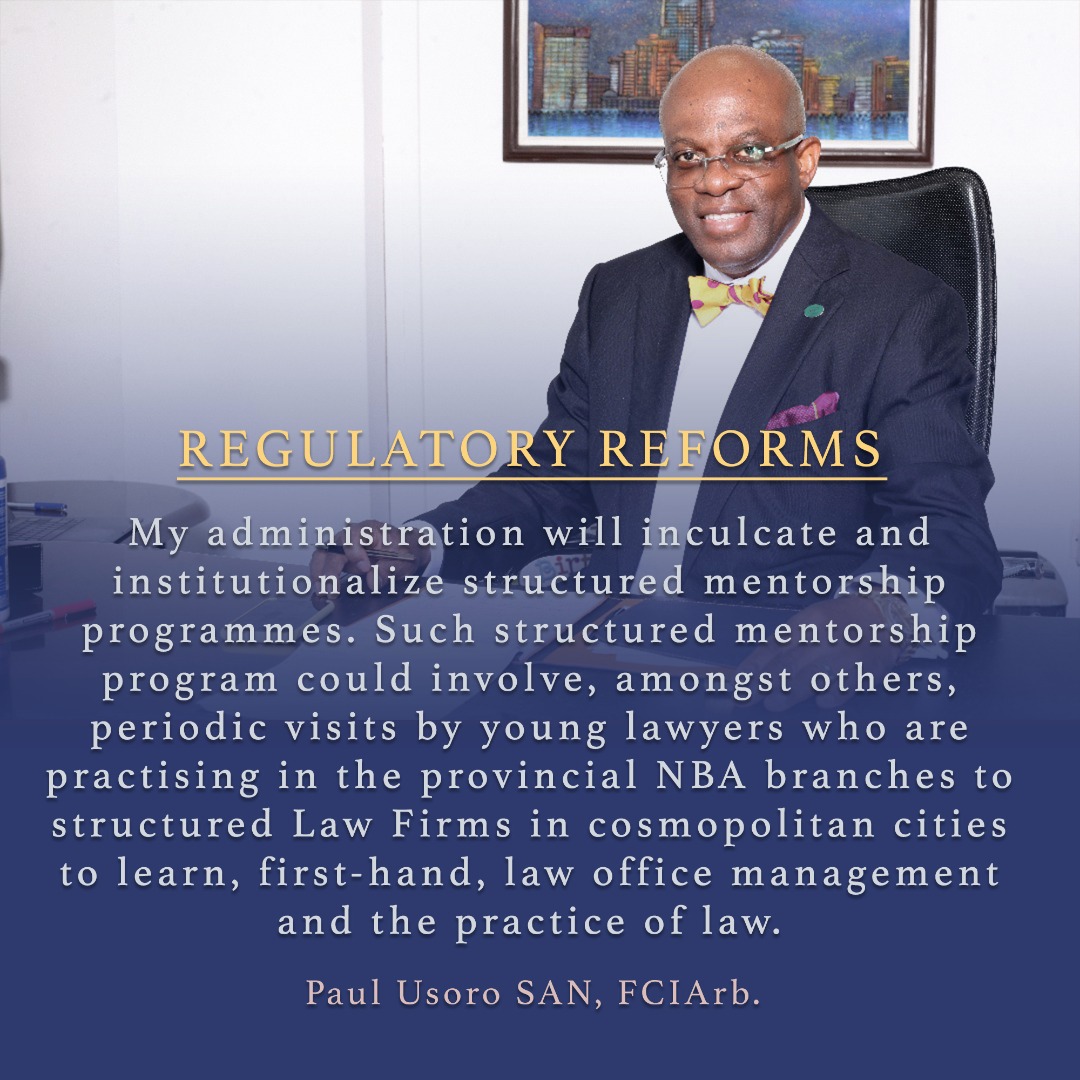
VI. The planned reforms would also inculcate and institutionalize structured mentorship programmes – a program which, I believe, the NBA should encourage and entrench.  Such structured mentorship program could involve, amongst others, periodic visits by young lawyers who are practising in the provincial NBA branches to structured Law Firms in cosmopolitan cities to learn, first-hand, law office management and the practice of law.
VII. I will work to reform and revamp the management and mechanisms of the NBA complaints and disciplinary processes with the aim of making the processes more efficient and timeous. It is not uncommon to hear complaints from members of the public who get frustrated by the delays in having their complaints to the NBA against lawyers processed and treated. There is also a perception that the disciplinary process may not be vested with full autonomy and independence. Our comprehensive review and reform of the disciplinary system and processes would ensure its independence, effectiveness and efficiency and this will in turn engender public confidence.

PAUL USORO, SAN, FCIArb

PUTTING YOU FIRST 
PAUL USORO, SAN’S REFORM MANIFESTO FOR PRESIDENCY OF THE NBA

PUTTING YOU FIRST PAUL USORO, SAN’S REFORM MANIFESTO FOR PRESIDENCY OF THE NBA

INSTITUTIONAL DEVELOPMENT (continued)

V. NBA National Electoral System and Succession Plan.  No institution succeeds on a long-term basis without proper succession planning that ensures, amongst others, continuity of programmes and activities.  The NBA has no such succession plan.  Our current model changes the entire leadership every two years without any form of succession planning and it is no wonder that programmes, no matter how laudable, remain at the mercy of succeeding administrations and are indeed prone to being jettisoned by such new administrations. Indeed, even our national electoral system requires review and quite some tweaking.  Currently, our national elections bring out different lawyers with their respective and disparate manifestoes and agenda for the  various offices.  Usually, there is no alignment of plans between the various contestants for the different offices. Thus, it is not uncommon for the Presidential candidate’s agenda for financial management to be fundamentally different, illustratively, from the respective agenda of the General Secretary, Financial Secretary and Treasurer for the same financial management. Upon election, these disparate persons, with their differing and uncoordinated agenda and plans are expected to miraculously coalesce and work together as a team. Such forced coalition does not always work, and I believe that we need to review the electoral system in a manner that would not only ensure some level of succession planning that guarantees continuity of programs but also be far more harmonious and coordinated than our present riotous experience.  Very early in my tenure, I would encourage a roundtable dialogue of all stakeholders in that regard aimed at reforming the national electoral processes. I would also establish Standing Committees for the review of our Constitution and for the conduct of our National Election that would build on all our previous experiences and have sufficient time to deliberate upon and implement required reforms in our electoral system as well as our Constitution.    


VI. Branch Administration.  It is my expectation that the enthronement of governance principles at the NBA National level, with transparency and efficiency as the cornerstones, will gradually percolate and become the staple for NBA branches as well thereby strengthening the capacity of the Branches to function effectively and professionally thus earning the respect and trust of its members. In my respectful opinion, that will be a significant antidote to or panacea for the current spate of strife, brawl and infighting that is tearing our Branches apart in the bid for elective offices.  As soon as we make transparency and governance principles the standard practice in the management of the Association’s finances and affairs, both at the national and branch levels, the quality of our leaderships across board would greatly improve and we would experience far less strife than we currently face.  If elected President of the NBA, I would ensure these practices in the branches as well as capacity-building and the empowerment of the branches in a manner that would enable them to confidently develop programmes, manage projects, raise funds, and interface with justice sector institutions and State actors at States and local government levels.


VII. Establishment of NBA Liaison Offices within the three NBA Zones. There seem to exist a gulf between the National Secretariat of the NBA and the lawyers at the NBA branches, notably those branches outside the Federal Capital Territory. That gulf will be bridged with the establishment of NBA Liaison Offices within the three NBA Zones – Lagos, Port Harcourt and Kano.  These offices will take the national leadership and the national secretariat of the NBA closer to the lawyers at the branch level and would foster a more accessible and effective working relationship between the parties. Well managed and coupled with the accrued benefits from across-board improved and entrenched transparency and governance practices, these Liaison Offices would boost membership activism, confidence and trust and also increase NBA income-generation capabilities.


VIII. Revenue Generation Plans for the NBA. To alleviate the burden of members in financing the Association and its activities and administration, I would work on innovative revenue generation strategies for the Association.  In particular, I would look at the possibility of generating income from the management of the Association’s assets, including its brand and real estate, and optimizing other NBA income streams and NBA revenue potentials such as sponsorships. 


IX. Infrastructural Development. The NBA National Secretariat building (NBA House) is yet to be fully completed. When completed, the auditorium in the building, apart from saving the Association huge costs on venue rentals for major events, would also be a source of additional income for the NBA. If I am elected to the office of the NBA President, I would raise funds for speedy completion of the NBA Building Project.