Picture a Lagos logistics company that spends two years in arbitration with a foreign partner, and wins. The award is signed. The champagne is open. Then the hard part starts: getting a court to recognise the award, finding the other side’s assets, and actually collecting the money.
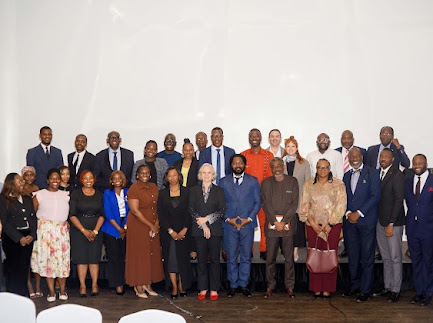
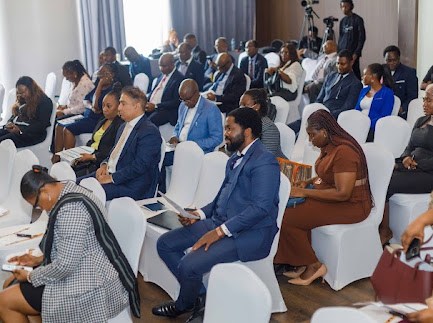
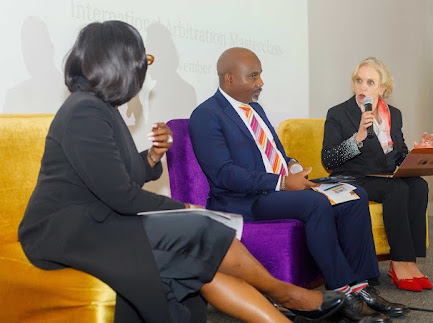
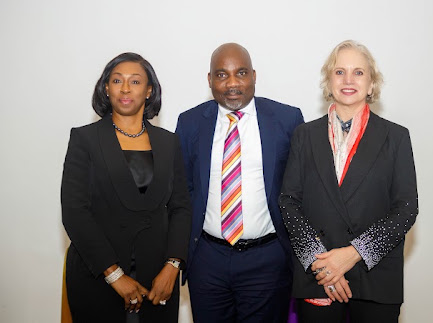
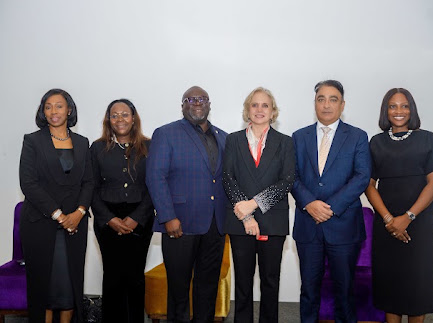
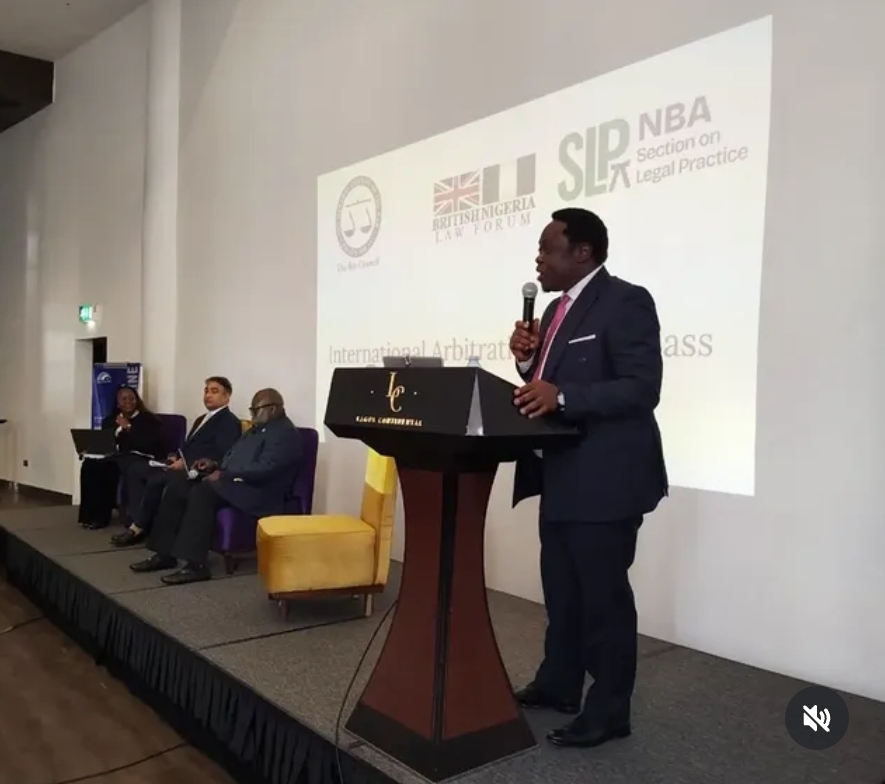
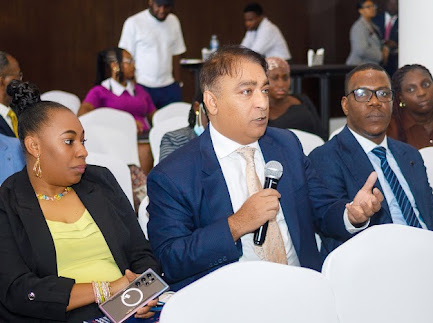
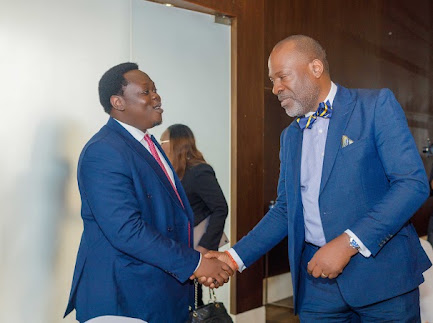
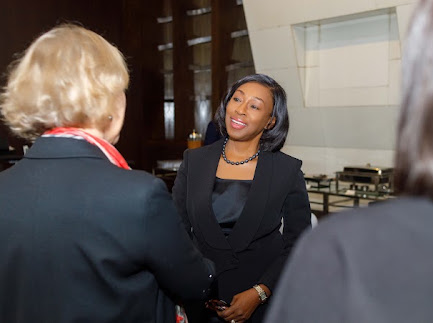
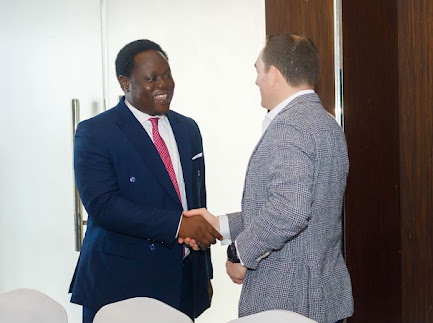
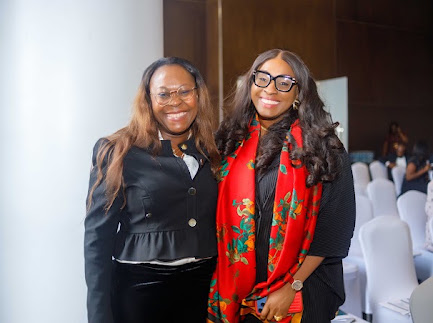
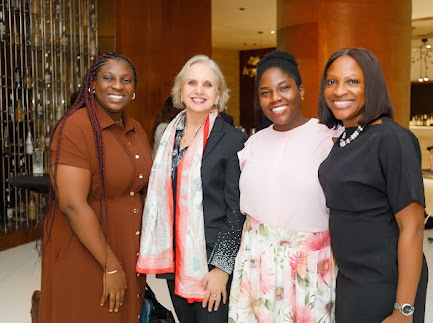
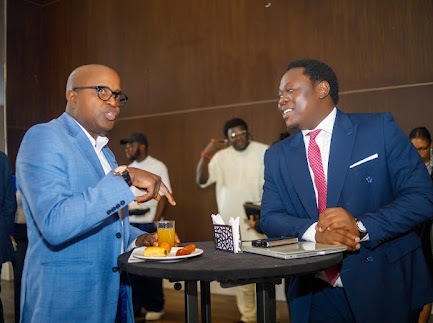
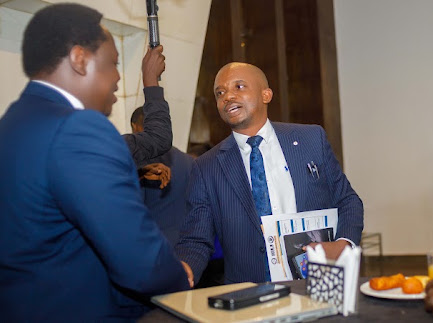
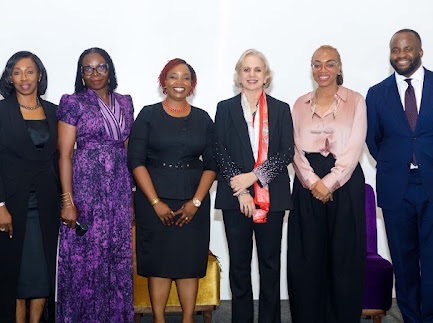
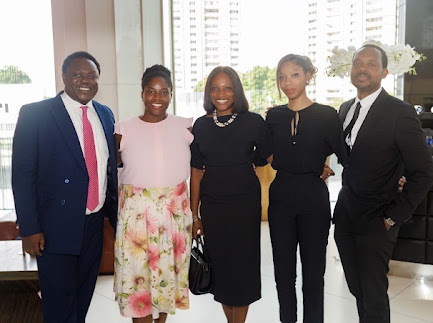
That gap between winning and recovering ran through every session of the International Arbitration Masterclass. The British Nigeria Law Forum (BNLF) organised it with the Nigerian Bar Association Section on Legal Practice (NBA-SLP). It took place on Monday, 23 November 2026, at The Lagos Continental Hotel, Victoria Island.
Over four panels, lawyers from Nigeria and England and Wales asked one question: Nigeria has modernised its arbitration law, so what will make the world trust it?
The law is ready. Is the system?
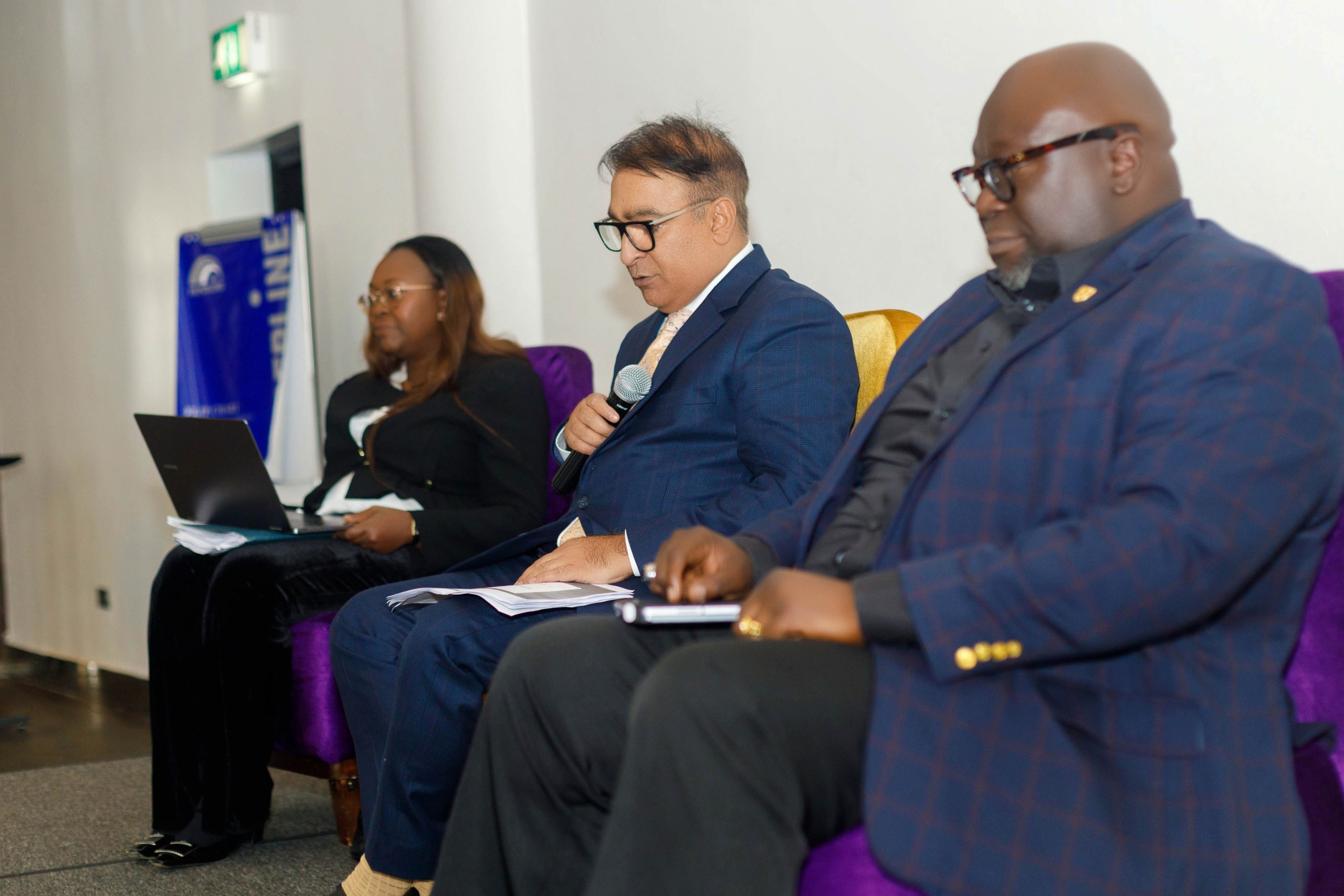
Folashade Alli SAN, Chairman of the NBA-SLP, opened the first panel by listing what the Arbitration and Mediation Act 2023 changed:
• Third-party funding. A party that cannot afford arbitration can bring in an outside funder, as long as the arrangement is disclosed. Cost should not block access to justice.
• Emergency arbitration and interim measures. Parties can get urgent relief before the full tribunal is in place.
• Fewer ways to challenge awards. Errors of law and fact are no longer standalone grounds for setting an award aside. That discourages time-wasting challenges.
She also pointed to the National Policy on Arbitration and Mediation (2024). It encourages Nigerian seats, local arbitrators and Nigerian lawyers for disputes arising from government contracts.
Then she gave the line of the day: “Foreigners don’t come to a country because you have the law.” Security, judicial support and specialist judges matter just as much. She called for ongoing training of judges and lawyers, and for specialised arbitration courts.
Kirsty Brimelow KC, Chair of the Bar Council of England and Wales, agreed that everything rests on trust. Parties must believe the arbitrators are neutral, the lawyers are competent and the award will be enforced. She pointed to London and Singapore, which grew by welcoming foreign legal talent. She urged lawyers from both countries to work together, including on disputes seated in Nigeria. For scale, she noted that legal services added £42 billion to the economy of England and Wales in 2024.
Omololu Thomas of The Barrister Group said disclosure is a core duty in both systems. The everyday pressure points, he said, are appointing and removing arbitrators and handling interim applications.
Enforcement is the real test
The second panel moved from winning to collecting. Dr Adeyemi Agbelusi of Berean Associates said an award is only worth what you can enforce. The 2023 Act gives clearer grounds for refusing enforcement, and it backs interim orders, including those from emergency arbitrators, so assets can be frozen early. But after recognition, winners still face more court steps to reach the money. Better beneficial-ownership disclosure, he said, would help trace hidden assets.
Tariq Mahmood of Med Arb International walked through the New York Convention. Nigeria joined in 1970, five years before the United Kingdom. English courts generally support enforcement, he said, but fraud, bribery and public policy remain valid defences. His example was the P&ID case. An English court set aside an award of about US$11 billion against Nigeria after finding it had been obtained through fraud and bribery.
Alexandra Wills of 12 Old Square Chambers covered registering foreign judgments in England. These applications can be decided before the other side is heard. So the papers must be accurate and complete. Gaps in jurisdiction, service or documents can unravel a judgment later.
Choose your seat like a business decision
Panel 3 tied dispute resolution to commercial strategy.
Boma Alabi OON SAN of Primera Africa Legal said Nigerian businesses must understand their choice of seat, governing law and forum before they sign. Using shipping as her example, she noted that Nigerian statute is silent on some questions about which law governs the arbitration agreement itself. That silence creates uncertainty. (By contrast, England’s Arbitration Act 2025 now has a default rule on this point.) She also explained that insolvency affects an arbitration differently depending on the type of process, and on whether the claimant or the respondent is insolvent.
Ololade Saromi of Five Paper said due diligence comes first. Before a major deal, check the counterparty’s directors, shareholders, affiliates and where its assets sit. Those facts decide whether a chosen seat still works if the other side collapses.
Beverly Agbakoba-Onyejianya of Olisa Agbakoba Legal highlighted specialist forums such as the Court of Arbitration for Sport and WIPO’s dispute services. They give certainty in sports and intellectual property disputes that cross borders.
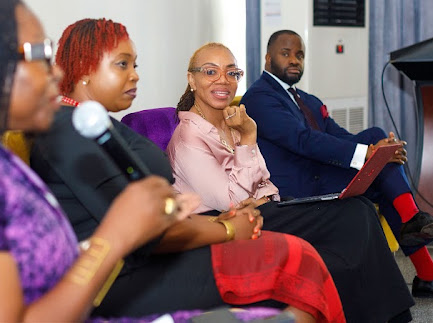
Foluke Akinmoladun of Trizon Law Chambers brought it back to the client. Businesses want disputes settled so they can keep trading. She criticised lawyers who ignore arbitration or mediation clauses and go straight to court. Where relationships matter, she said, mediation is often the better route.
When arbitration meets crime and regulation
The final panel took on the hardest cases: criminal, regulatory and arbitral proceedings running at once, sham arbitrations, corporate raiding, and what fraud or bribery allegations do to an award. The speakers were Oladele Osinuga (Lexfiscus Associates), Stephen Akinsanya (15 New Bridge Street Chambers) and Babajide Ogundipe. After P&ID, no Nigerian practitioner can treat this as a niche topic.
The Legalnaija view: confidence is infrastructure
As a VC would put it, enforcement certainty lowers the cost of capital. Every investor prices in the risk that a contract cannot be enforced. When Nigeria cuts that risk, money gets cheaper for every business here.
But this is not only a story about oil majors and billion-dollar awards. Most Nigerian disputes are small: an unpaid supplier, a broken service agreement, a partnership gone sour. For those businesses, a two-year arbitration is not access to justice. It is a luxury.
That is why the masterclass matters beyond the hotel ballroom. The 2023 Act puts mediation on a statutory footing next to arbitration. Online dispute resolution, clear clauses and early mediation can bring the same certainty to an SME in Aba as to a multinational in Ikoyi.
Go back to that logistics company. In a better version of its story, it checked its partner’s assets before signing. Its contract named a seat and a governing law. When the dispute came, it tried mediation first, and it knew exactly where to enforce. That is not a fantasy. It is what the speakers in Lagos described, and it is how access to justice becomes national development.
Next steps with Legalnaija
- Resolve a dispute online: Legalnaija ODR, built on the Arbitration and Mediation Act 2023.
- Find an arbitration lawyer: search the Lawyers Directory by practice area.
- Build your ADR library: the Litigation & ADR Expert Bundle (26 titles) at the Legalnaija Bookstore.
Disclosure: Legalnaija’s founder, Adedunmade Onibokun, serves on the BNLF Lagos Planning Committee.
Over to you: Should Nigeria set up specialised arbitration courts? Tell us in the comments.
Tags: Arbitration, Arbitration and Mediation Act 2023, ADR, Enforcement, New York Convention, BNLF, NBA-SLP, Lagos