
Governing for the Future: Key Takeaways from the 2026 Corporate Governance Triangle Colloquium
Here’s the big idea from this year’s Corporate Governance Triangle Colloquium: you can delegate the work, but you can’t delegate the accountability.
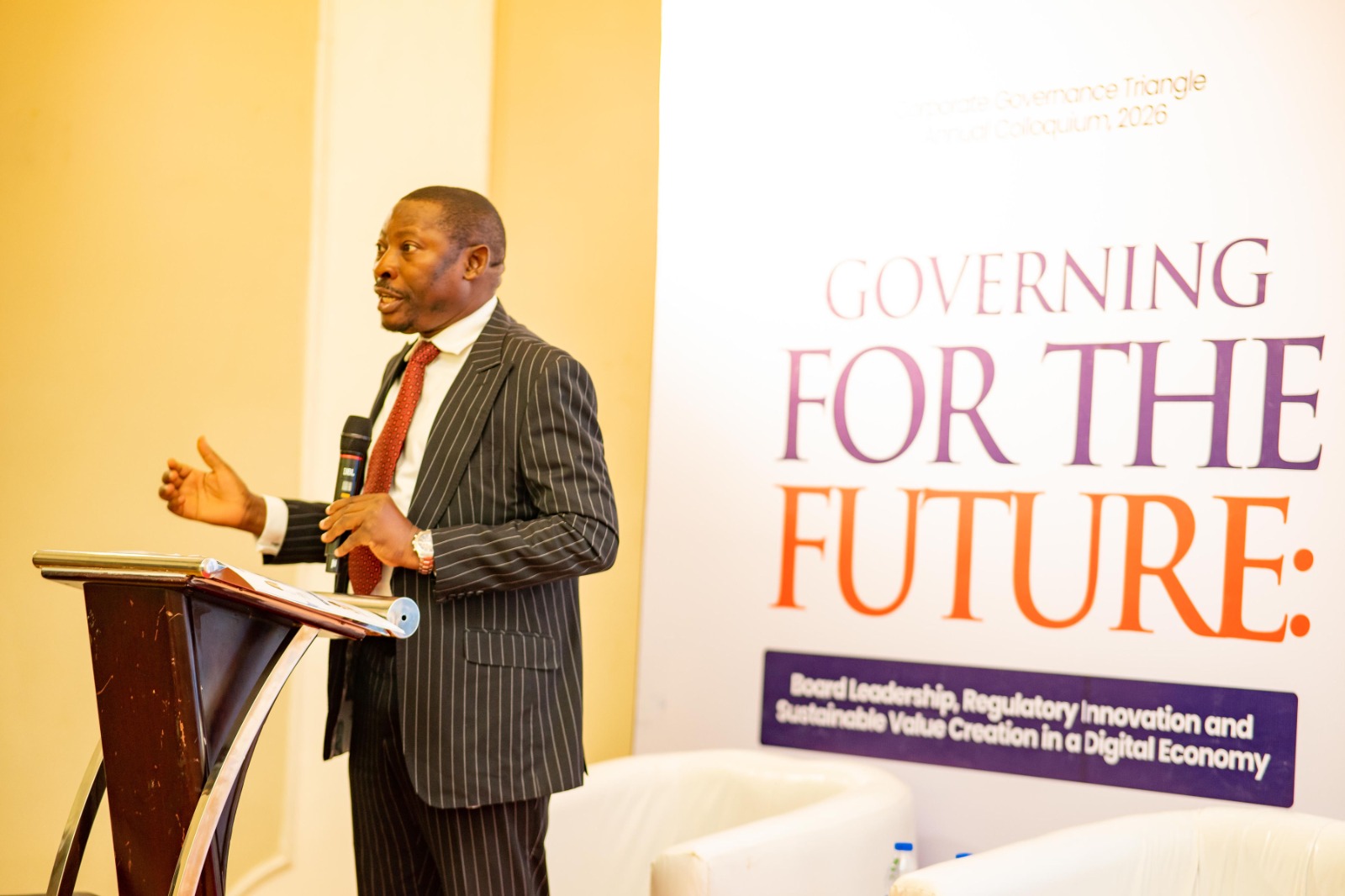
If you sit on a board, advise one, or serve as a company secretary, that line should stay with you. It came up again and again as speakers unpacked this year’s theme: Governing for the Future: Board Leadership, Regulatory Innovation and Sustainable Value Creation in a Digital Economy.
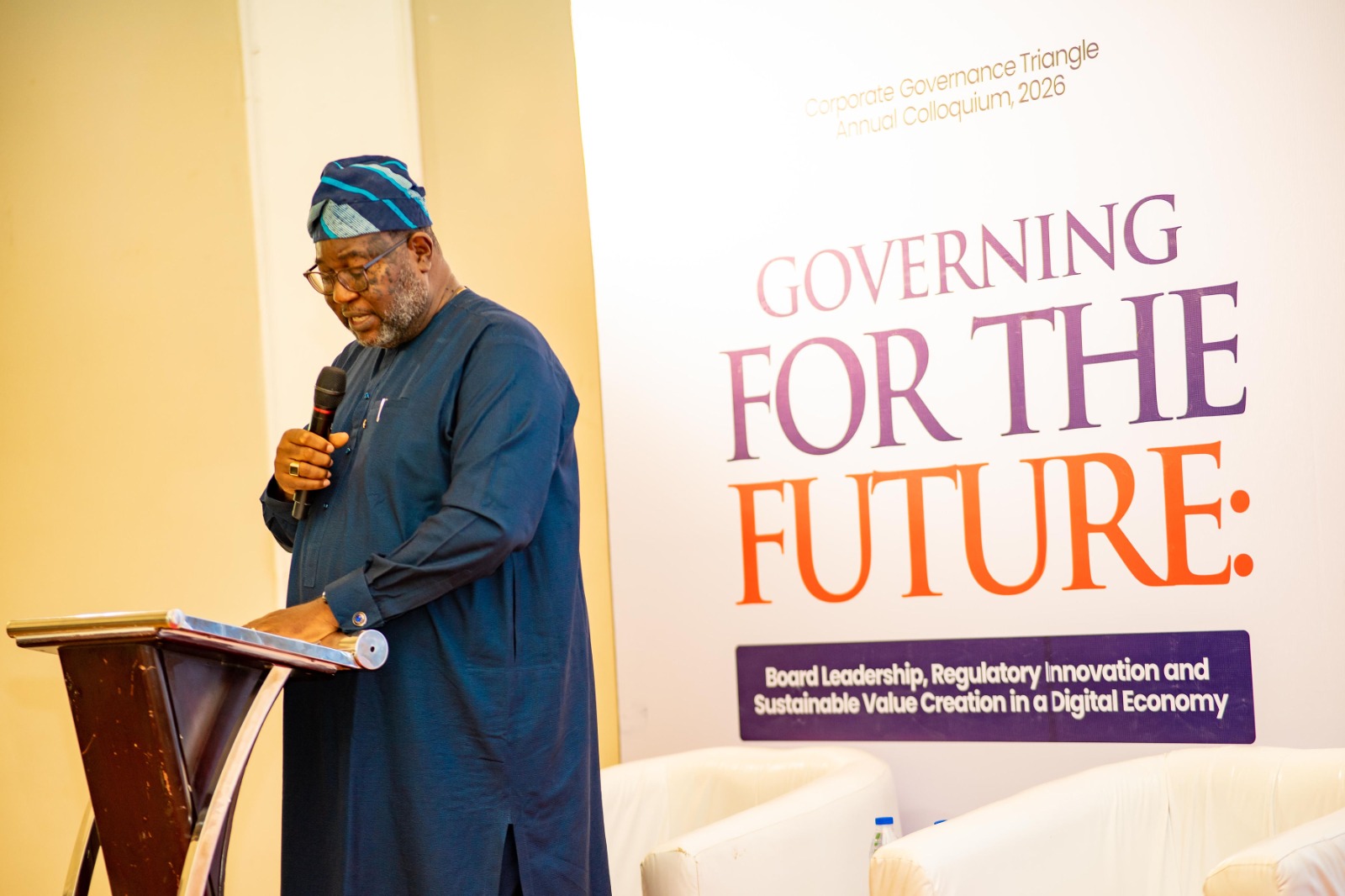
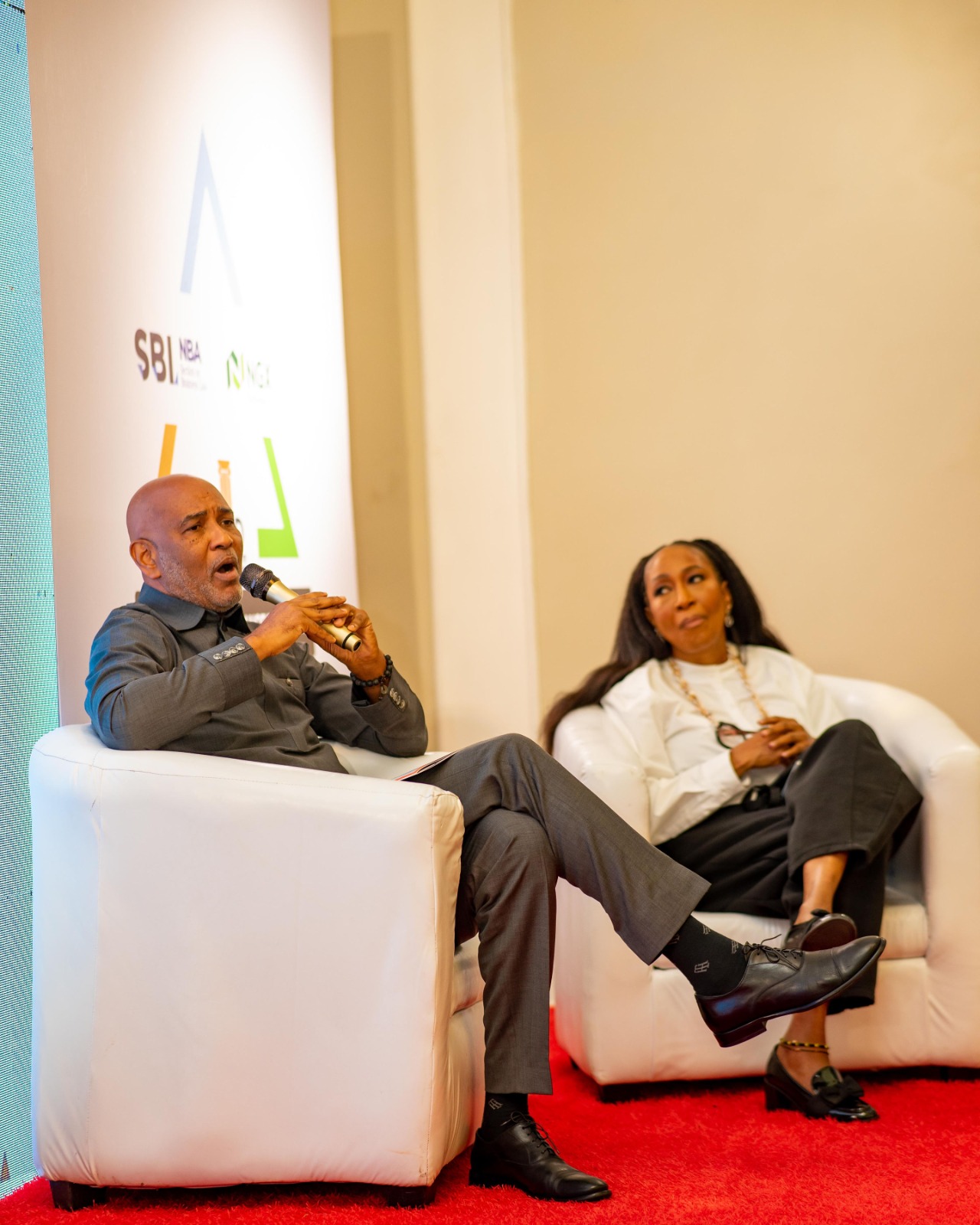
The colloquium brought together the Nigerian Bar Association Section on Business Law (NBA-SBL), the Nigerian Exchange (NGX) and the Chartered Institute of Directors Nigeria (CIoD Nigeria). In his welcome address, Mr Olufemi Shobanjo, CEO of NGX Regulation Limited, set the tone. AI and digital technology are reshaping boardrooms, he said, and governance frameworks have to keep up. They need to stay adaptable, transparent and alert to new risks.
So what did we learn? Let’s walk through it.
First, what is the Corporate Governance Triangle?
The Triangle links three institutions that each touch a different side of governance. Mr Ayuli Jemide, Lead Partner at Detail Commercial Solicitors, explained the thinking behind it during the third panel.
• The NGX engages with and regulates companies listed on the Exchange.
• CIoD Nigeria focuses on the directors who sit on corporate boards.
• The NBA-SBL represents the lawyers who advise businesses on legal and governance matters.

Put them together and you get regulators, directors and legal advisers at one table. Part of the goal, he said, was to give the NBA-SBL a stronger voice in governance conversations. Mrs Ezinwanne Nnoruka, Board Secretary of the Financial Reporting Council of Nigeria, added that the Triangle has become a platform for advocacy, capacity building and awareness, including on data and digital compliance.

In the tripartite remarks, Mr Abimbola Babalola, representing the NGX CEO, pointed to two NGX initiatives worth knowing: Facts Behind the Figures, which connects listed companies with investors and analysts, and Facts Behind the Sustainability Report, which pushes ESG into everyday business decisions.
The keynote: the future is at the back of the board pack
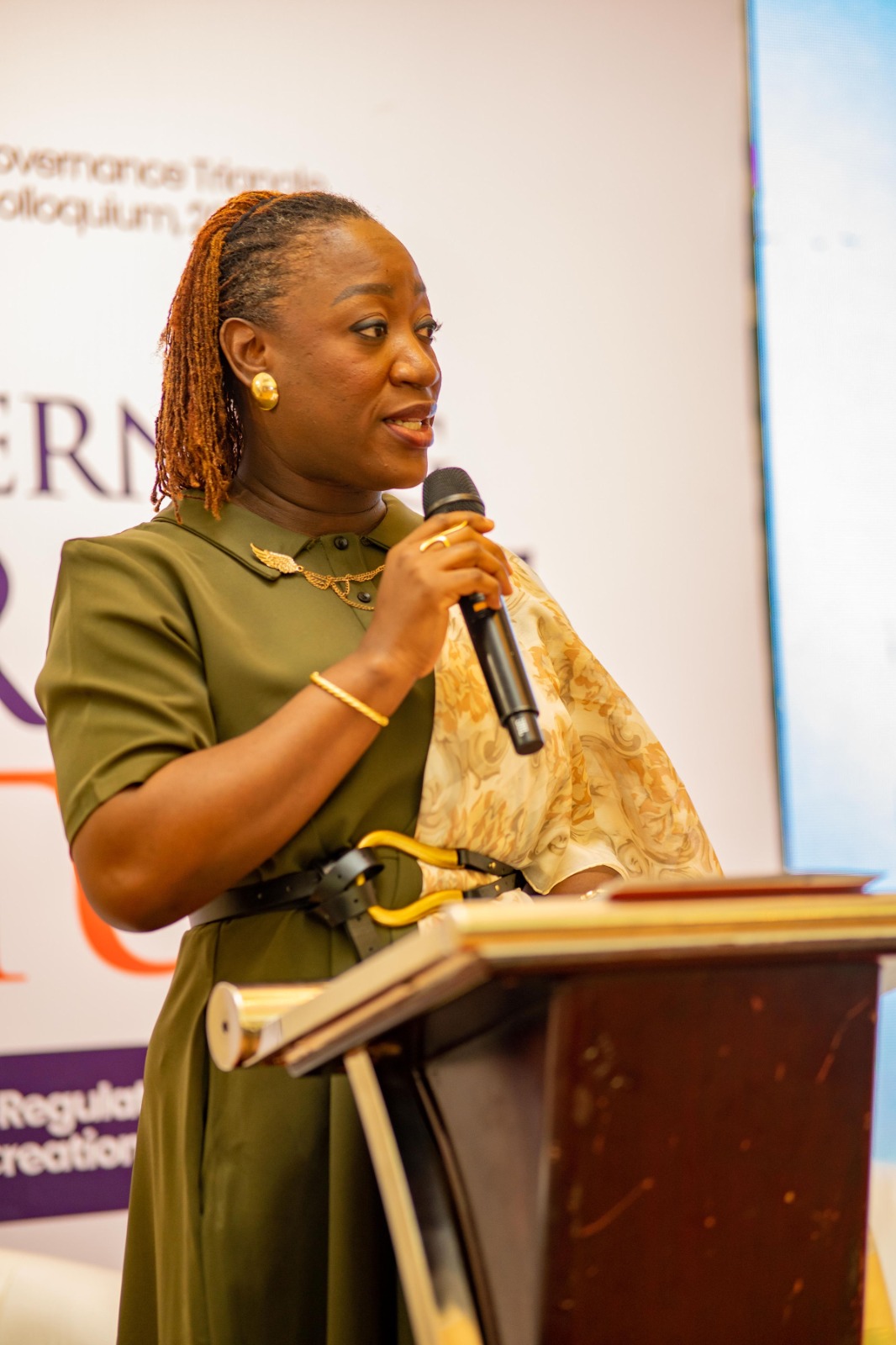
Mrs Bola Tinubu, Country Manager of DLA Piper Africa–Nigeria, delivered the keynote, and she didn’t let directors off the hook. Boards can hand tasks to IT, communications or PR teams. But handing off a task doesn’t hand off the responsibility, especially when directors don’t understand what they’ve delegated.
She framed three priorities for boards:
1. Sustainability reporting that is audit-grade, not cosmetic.
2. Board competence to oversee AI and digital technologies.
3. Regulatory innovation that drives real compliance through the right rules and incentives.
She also offered five questions every board should be asking itself:
1. Can we properly scrutinise how our organisation uses data and AI?
2. Are our sustainability reports credible?
3. Is the board actively involved in decisions on data, disclosure and stakeholder trust?
4. Do our strategic decisions reflect a long-term view?
5. Do executive incentives line up with the values we say we hold?
The line that got everyone talking: “the future of a company is not at the front of the board pack but at the back of the pack.” In other words, the routine operational updates up front matter less than the long-term risks and decisions often buried at the end.
She also had a word for our profession. Lawyers and company secretaries, she said, should bring real judgement to the table, not just tick compliance boxes.
Sustainability reporting now affects how much capital you can raise
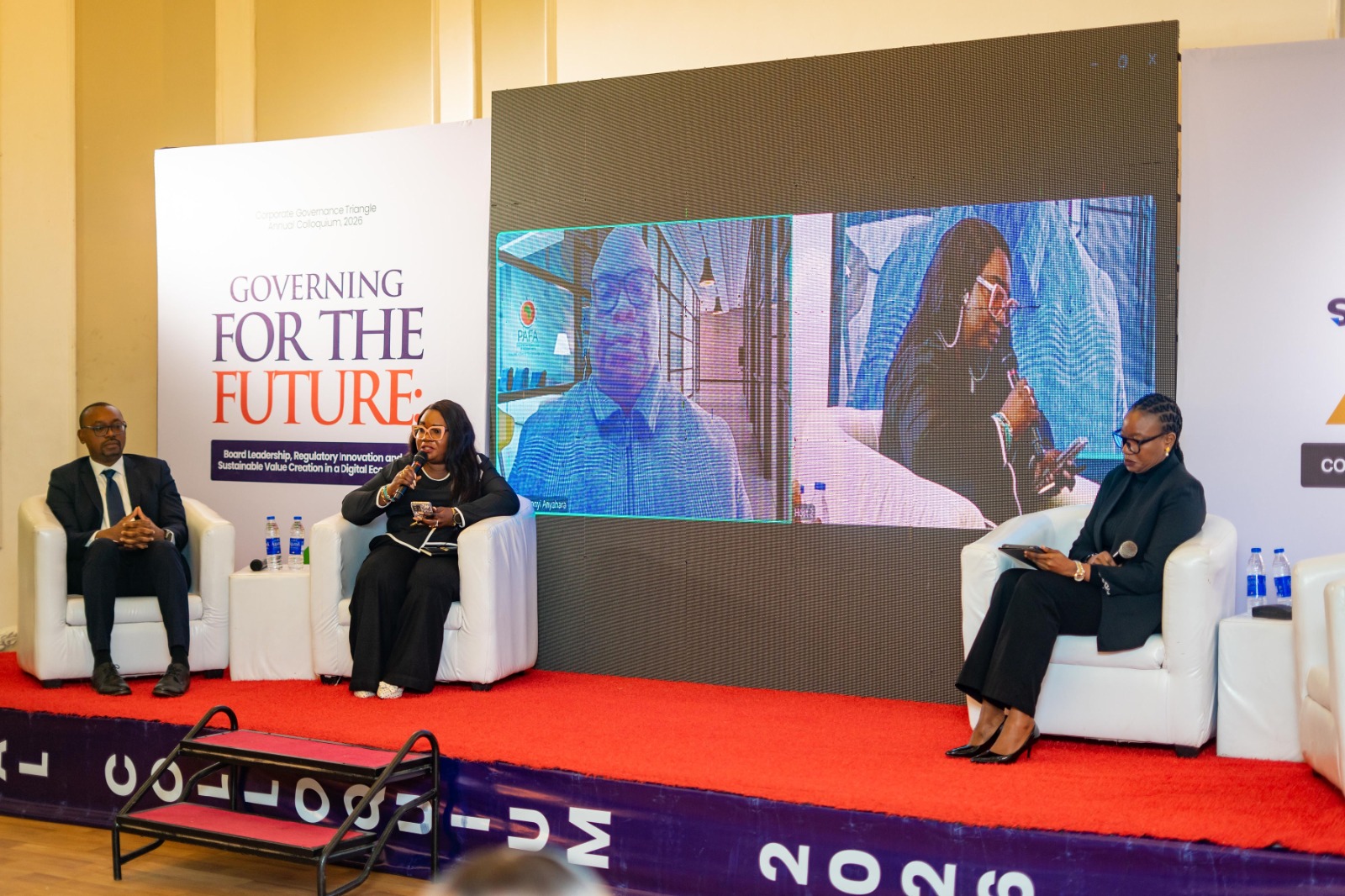
The first panel asked a simple question: is sustainability reporting actually changing how companies are governed and valued? Short answer: yes. The session was moderated by Dr (Lady) Cheta Nwabuike, FCIS, of CE Power Solutions Limited.
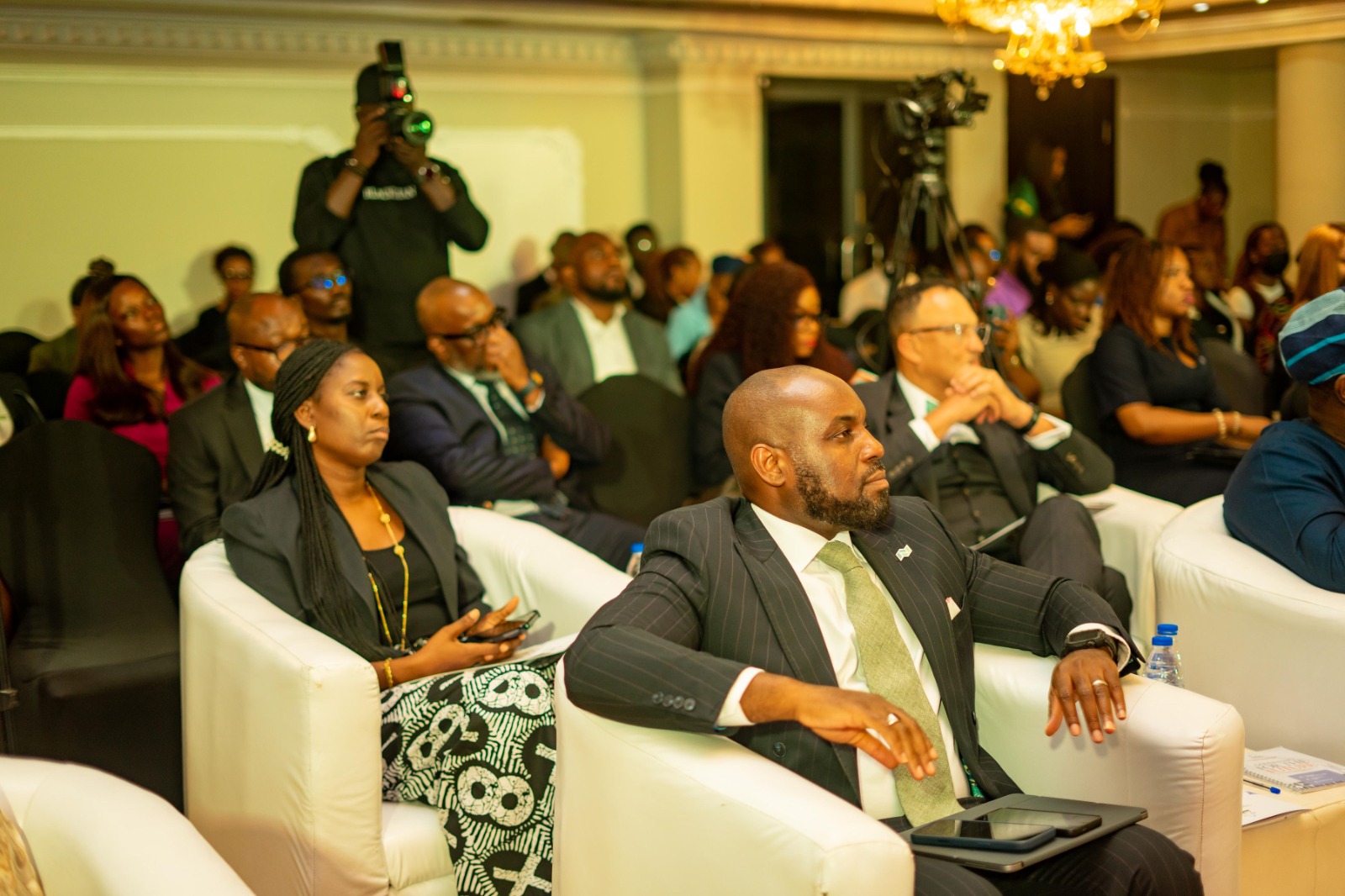
It can’t live in one department. Dr Tonna Ezema, Head of Sustainable Banking at Fidelity Bank Plc, said sustainability has to sit inside enterprise risk management and executive decision-making. The board and management set the tone, and everyone shares ownership. It also has to connect to business value and growth, or it stays a side project.
Investors are pricing it in. Mr Ikenna Mbaekwe, Regional Director for West Africa at DEG KFW, walked through how investors actually use this information. Sustainability is assessed from the moment an investment committee approves due diligence. Investors look at financial materiality: could these risks hit cash flow, access to capital or long-term viability? They look at climate adaptation metrics, targets and strategy. They look at supply chains, health, safety and environment. Any of these can change the price of an investment.

Tech risk is now a sustainability question. Dr Iheanyi Anyara, who chairs the Forum for Advancing Sustainability and Integrated Reporting Committee, urged boards to work out when cybersecurity, AI and data privacy become material. These need to sit in the main risk framework, not off to the side.
AI has moved from the server room to the boardroom
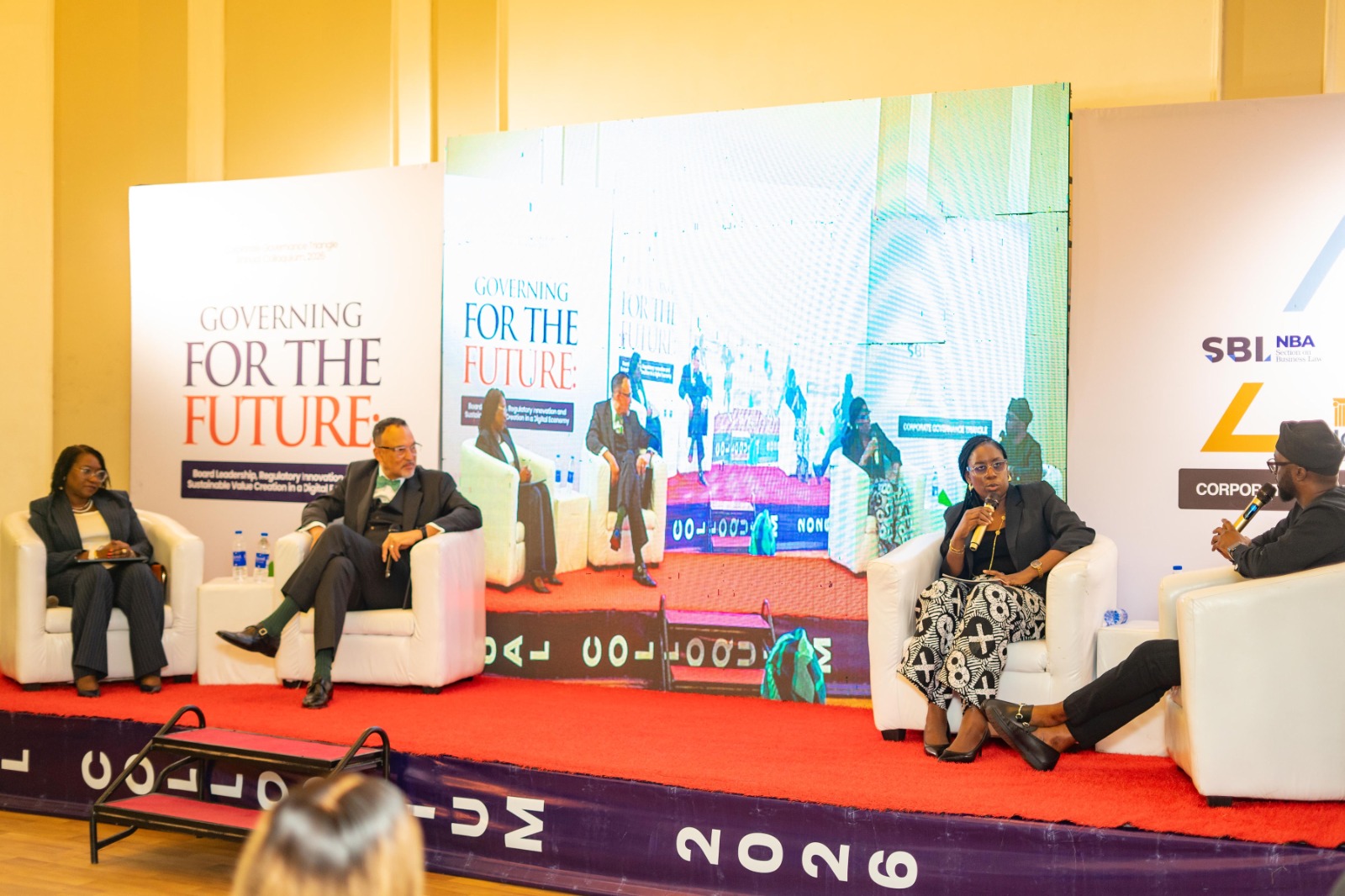
That phrase came from Mrs Jesuyemi Odeyemi, Chief Legal Officer of SIFAX Group, on the second panel, moderated by Dr Odiong Akpan of Ubulu Africa. Her point: directors can’t treat AI as a technical issue for the IT team. They need to understand how it affects operations, what risks it carries, which controls manage those risks, what could go wrong, and who is accountable when it does.
Dr Ayotunde Coker, CEO of Open Access Data Centres, explained how technology is reshaping operations, processes and service delivery, and why it matters for efficiency and growth.
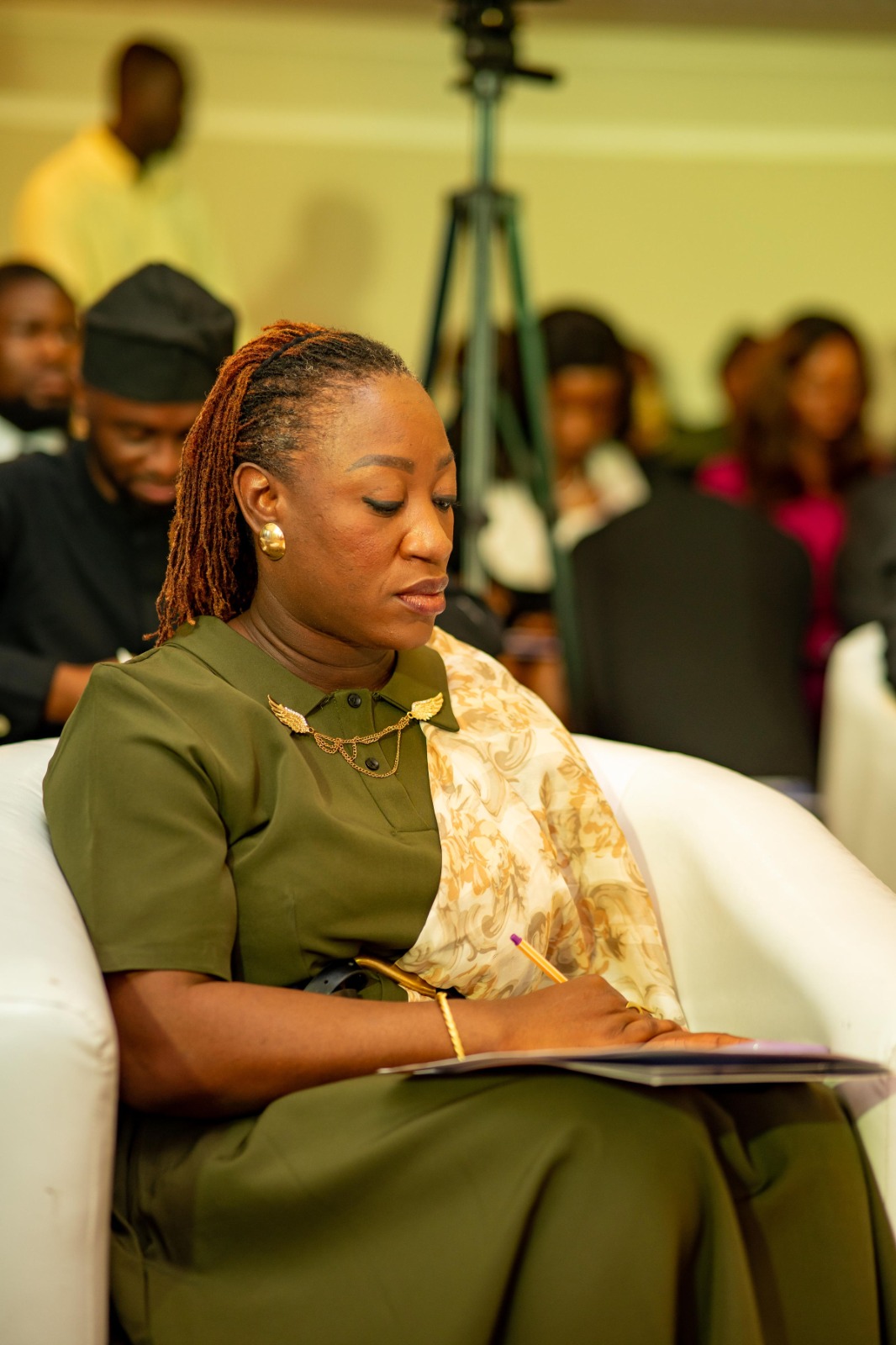
Ms Cecilia Akintomide, Chairperson of Africa Risk Capacity Limited, brought it home with a real example. Her organisation uses AI and technology in actuarial calculations to predict events that trigger payouts. Get those predictions wrong, and the consequences reach the economy and people’s lives. Her advice to boards:
• Know which tasks are done by people and which by technology.
• Decide how far your oversight needs to go.
• Check that your policies and frameworks are fit for purpose.
• Make sure you have the expertise to supervise the technology.
• Consider a dedicated AI oversight committee, with directors able to track key indicators in real time.
Mentorship and building the next generation
Not every session was about risk frameworks. In a fireside chat moderated by Rosemond Phil-Othihiwa, Esq., Chair of the Corporate Governance and Compliance Committee, Ms Ayotola Jagun, Executive Director and Chief Corporate Services and Sustainability Officer at Oando Plc, shared her own career journey. Her message was clear: mentorship played a real part in getting her where she is, and young professionals should seek it out.
The day closed with practical next steps. Ms Omobola Adekola, MCIoD, and Ms Ugochi Obi, Head of NGX X-Academy, presented capacity-building courses, with registration discounts on offer. Dr Taiwo Nolas Alausa, Director-General and CEO of CIoD Nigeria, gave the closing remarks.
So what does this mean for you?
If you advise companies, sit on a board or run a company secretariat, here’s what I’d take away:
• Compliance is the floor, not the ceiling. Regulators and investors are looking for informed decisions and accountability you can actually demonstrate.
• Get AI onto the board agenda. If your board can’t explain how the company uses data and AI, that’s a gap worth fixing now.
• Treat sustainability disclosures like financial disclosures. Investors are using them to price risk.
• Read the back of the board pack. That’s where the future of the business usually sits.
• Lawyers have a bigger role to play. Boards need advisers who bring judgement, not just checklists.
The colloquium’s closing message was simple. Boards that want to be around tomorrow need the knowledge, structures and long-term perspective to handle what’s coming.
What’s your board doing about AI oversight? Share your thoughts in the comments, and follow Legalnaija for more practical insights on Nigerian business law and governance.
See more photos below;