Exploring The Capital Market In Combating Climate Change | Christopher Nwuya.
A. INTRODUCTION.
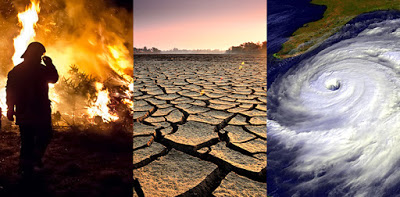
Climate change is a burning issue as
it affects virtually all facets of human life. It is regarded as one of the
most serious threats to sustainable development, as a result of its adverse
effects to the global community. It is common knowledge that the major cause of
climate change is the rising concentration of greenhouse gases emitted into the
atmosphere[1]. The
World Bank estimates that without urgent action, climate change could push an
additional 100 million people into poverty by 2030 and by 2050, 143 million
people could become climate change migrants[2]. The
International Energy Agency (IEA) estimates that an additional USD 1.1 trillion
in low-carbon investments is needed every year between 2011 and 2050, in the
energy sector alone, to keep global temperature rise below 2°C[3].
it affects virtually all facets of human life. It is regarded as one of the
most serious threats to sustainable development, as a result of its adverse
effects to the global community. It is common knowledge that the major cause of
climate change is the rising concentration of greenhouse gases emitted into the
atmosphere[1]. The
World Bank estimates that without urgent action, climate change could push an
additional 100 million people into poverty by 2030 and by 2050, 143 million
people could become climate change migrants[2]. The
International Energy Agency (IEA) estimates that an additional USD 1.1 trillion
in low-carbon investments is needed every year between 2011 and 2050, in the
energy sector alone, to keep global temperature rise below 2°C[3].
The effects of climate change, if not properly addressed,
will bring about drastic effects, not just to the environment, but to the world
population. The effects are nothing short of catastrophic as they cut across
all sectors.
will bring about drastic effects, not just to the environment, but to the world
population. The effects are nothing short of catastrophic as they cut across
all sectors.
Thus, it is increasingly clear that we cannot continue
putting up with our laissez-faire attitude towards our planet. In addressing
the issue of climate change, it is worthy of note that there must be a drastic
reduction of green-house gas emissions or we’ll suffer the adverse effects of
this ever-growing menace. The need to reduce the green-house gas emissions then
begs the question, how?
putting up with our laissez-faire attitude towards our planet. In addressing
the issue of climate change, it is worthy of note that there must be a drastic
reduction of green-house gas emissions or we’ll suffer the adverse effects of
this ever-growing menace. The need to reduce the green-house gas emissions then
begs the question, how?
In addressing the question, the answer this writer poses
lies in the capital market. It is in the interest of the global community to
look towards the capital markets in abating the menace of climate change.
Substantial reductions in emissions can only be achieved by making significant
changes in investment patterns. More prompt collaborative efforts are needed to
combat this growing issue. We shall now
look into the ways by which the capital market can contribute to climate change
abatement.
lies in the capital market. It is in the interest of the global community to
look towards the capital markets in abating the menace of climate change.
Substantial reductions in emissions can only be achieved by making significant
changes in investment patterns. More prompt collaborative efforts are needed to
combat this growing issue. We shall now
look into the ways by which the capital market can contribute to climate change
abatement.
B.
CLIMATE RISK.
CLIMATE RISK.
Before delving into the nitty-gritty of the matter, it is
intrinsic to take note of the potential risks available to investors, if
climate change is not curbed.
intrinsic to take note of the potential risks available to investors, if
climate change is not curbed.
Climate Risk refers to investment risks resulting from
unmitigated climate change. Climate risk involves the uncertain yet possibly
severe consequences of climate change on the environment, as well as the
economic consequences for failure to recognize the negative effects of
greenhouse gas emissions early enough. Investors may therefore face significant
climate risk without even realizing it. Organizations such as Mercer[4] and
CERES[5] have
further characterized the systemic nature of climate risk, by identifying
several dimensions through which this risk materializes.
unmitigated climate change. Climate risk involves the uncertain yet possibly
severe consequences of climate change on the environment, as well as the
economic consequences for failure to recognize the negative effects of
greenhouse gas emissions early enough. Investors may therefore face significant
climate risk without even realizing it. Organizations such as Mercer[4] and
CERES[5] have
further characterized the systemic nature of climate risk, by identifying
several dimensions through which this risk materializes.
With each passing day, we lose a chance to tackle the
drastic effects of climate change. With each passing day, the likelihood of the
risks manifesting grows. It is now time for the global community to join hands
in abating this global issue by investing sustainably.
drastic effects of climate change. With each passing day, the likelihood of the
risks manifesting grows. It is now time for the global community to join hands
in abating this global issue by investing sustainably.
C.
ROLE OF CAPITAL MARKETS.
ROLE OF CAPITAL MARKETS.
The capital market has a major role to play in the fight
against climate change. In addressing this, there’s the need for sustainable
investment in:
against climate change. In addressing this, there’s the need for sustainable
investment in:
-
Clean energy
-
Green bonds, carbon price; and
-
Carbon tax, which shall be explained
below.
1.0 INVESTMENT
IN CLEAN ENERGY
IN CLEAN ENERGY
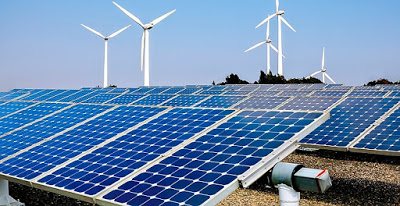
Clean energy infrastructure is essential in reducing
greenhouse gas emissions. With renewable power still only representing 20% of
world electricity supply, the majority of which is hydropower, there is
enormous scope for increased investment in the renewable sector.[6]
Investors should consider reorienting their portfolios towards low carbon
energy by replacing fossil fuel stocks with energy efficiency and renewable
energy instrument[7]. For
a transition to a low-carbon economy, a great deal of investment would be
required.
greenhouse gas emissions. With renewable power still only representing 20% of
world electricity supply, the majority of which is hydropower, there is
enormous scope for increased investment in the renewable sector.[6]
Investors should consider reorienting their portfolios towards low carbon
energy by replacing fossil fuel stocks with energy efficiency and renewable
energy instrument[7]. For
a transition to a low-carbon economy, a great deal of investment would be
required.
International Energy Agency estimates that a global need of
$53 trillion in cumulative investment up to 2035 in low-carbon energy supply
and energy efficiency to avoid catastrophic climate change[8]. Climate
finance flows reached a record high of USD 612 billion in 2017, driven
particularly by renewable energy capacity additions in China, the U.S., and
India, as well as increased public commitments to land use and energy
efficiency. This was followed by an 11% drop in 2018 to USD 546 billion[9].
These figures are an indication that countries have made steps in transitioning
to a low carbon economy. According to the International Energy Agency (IEA)
estimates, investment in low-carbon energy sources must more than double by
2030 if the world is to meet its Paris Agreement climate goals. The IEA further
estimates that an additional $1.1 trillion in low carbon investments is needed
on average every year between 2011 and 2050, in the energy sector alone, to keep
temperature rise below 2°C.[10].
Investments in clean energy still fall far short of this estimate.
$53 trillion in cumulative investment up to 2035 in low-carbon energy supply
and energy efficiency to avoid catastrophic climate change[8]. Climate
finance flows reached a record high of USD 612 billion in 2017, driven
particularly by renewable energy capacity additions in China, the U.S., and
India, as well as increased public commitments to land use and energy
efficiency. This was followed by an 11% drop in 2018 to USD 546 billion[9].
These figures are an indication that countries have made steps in transitioning
to a low carbon economy. According to the International Energy Agency (IEA)
estimates, investment in low-carbon energy sources must more than double by
2030 if the world is to meet its Paris Agreement climate goals. The IEA further
estimates that an additional $1.1 trillion in low carbon investments is needed
on average every year between 2011 and 2050, in the energy sector alone, to keep
temperature rise below 2°C.[10].
Investments in clean energy still fall far short of this estimate.
Also, worthy of note is investment in energy efficiency,
otherwise referred to as the “fifth fuel”. It is regarded as the
cheapest energy choice in a sustainable world. IEA estimates fuel expenditure
may even be reduced by 2020, if the right energy efficiency improvements in the
transport sector are implemented[11].
otherwise referred to as the “fifth fuel”. It is regarded as the
cheapest energy choice in a sustainable world. IEA estimates fuel expenditure
may even be reduced by 2020, if the right energy efficiency improvements in the
transport sector are implemented[11].
For a smooth transition to a
low-carbon economy, investors need to tap the potential existing in low-carbon
transportation. Also, there has to be investments in clean energy as it is an
essential component of sustainable urban development.
low-carbon economy, investors need to tap the potential existing in low-carbon
transportation. Also, there has to be investments in clean energy as it is an
essential component of sustainable urban development.
1.1. Incentives for De-Carbonization
A major factor behind the growth of renewable generation was
tax incentives. One example is solar energy generation in the US. The Energy
Policy Act of 2005 created a new tax incentive (30% tax credit for
investment in commercial and residential solar energy systems) which, in 2008,
was extended for another eight years. This led to investment of $66 billion in
solar energy since 2006 (out of a total of $100 billion invested in clean
energy over the period).[12]
tax incentives. One example is solar energy generation in the US. The Energy
Policy Act of 2005 created a new tax incentive (30% tax credit for
investment in commercial and residential solar energy systems) which, in 2008,
was extended for another eight years. This led to investment of $66 billion in
solar energy since 2006 (out of a total of $100 billion invested in clean
energy over the period).[12]
Tax incentives can also be used to bring about a reduction
in CO2 emissions. By creating incentives, manufacturers are more likely to
invest in technology that will result in lower carbon emissions[13].
The costly nature of carbon technologies today will only make tax incentives
more appealing to the investor’s eye.
in CO2 emissions. By creating incentives, manufacturers are more likely to
invest in technology that will result in lower carbon emissions[13].
The costly nature of carbon technologies today will only make tax incentives
more appealing to the investor’s eye.
2.0
GREEN
BONDS.
GREEN
BONDS.
Simply put, green bonds are investment instruments that
raise capital for environmental and sustainability purposes. The emergence of
green bonds has been recognized by the United Nations as “one of the most
significant developments in the financing of low-carbon, climate-resilient
investment opportunities.”[14]
Green bonds can raise large amounts of financial resources to support
environmental projects and can facilitate the establishment of public-private
partnerships to accelerate green investments.[15]
raise capital for environmental and sustainability purposes. The emergence of
green bonds has been recognized by the United Nations as “one of the most
significant developments in the financing of low-carbon, climate-resilient
investment opportunities.”[14]
Green bonds can raise large amounts of financial resources to support
environmental projects and can facilitate the establishment of public-private
partnerships to accelerate green investments.[15]
Green bonds provide investors with a way to earn tax-exempt
income with the benefit of personal satisfaction, knowing that the proceeds of
their investment are being used in a responsible, positive manner[16]. In
2008, the World Bank became the first entity to issue green bonds, and since
then, they have issued over $3.5 billion in debt designated for issues related
to climate change[17].
Development banks such as International Bank for Construction and Development
and the German Kfw Development Bank have followed this initiative.[18]
income with the benefit of personal satisfaction, knowing that the proceeds of
their investment are being used in a responsible, positive manner[16]. In
2008, the World Bank became the first entity to issue green bonds, and since
then, they have issued over $3.5 billion in debt designated for issues related
to climate change[17].
Development banks such as International Bank for Construction and Development
and the German Kfw Development Bank have followed this initiative.[18]
The issuance of green bonds to make infrastructure and
capital projects climate resilient should be in line with the international
guidelines brought out by the International Capital Market Association (ICMA)
for green bonds, called the “Green Bond Principles” (GBP). These were first
drafted in 2014 and have since gone through periodic updates[19].
capital projects climate resilient should be in line with the international
guidelines brought out by the International Capital Market Association (ICMA)
for green bonds, called the “Green Bond Principles” (GBP). These were first
drafted in 2014 and have since gone through periodic updates[19].
For the growth of the green bond market, transparency is
critical. Investors need to have complete trust in the environmental
credentials and performance of the bonds.
critical. Investors need to have complete trust in the environmental
credentials and performance of the bonds.
3.0 CARBON
PRICING AND CARBON TAX.
PRICING AND CARBON TAX.
Setting a higher price for carbon-intensive energy use can
achieve the desired outcome of mitigation against climate change. Increasing
the cost of fossil fuel for consumers will cause them to seek cheaper
alternatives and / or change their consumption mix. In doing this, aggressive
low-carbon policies would reduce the need for fossil fuel energy in the medium
to long run. In consequence, fossil fuel assets would lose their value and
become stranded assets.
achieve the desired outcome of mitigation against climate change. Increasing
the cost of fossil fuel for consumers will cause them to seek cheaper
alternatives and / or change their consumption mix. In doing this, aggressive
low-carbon policies would reduce the need for fossil fuel energy in the medium
to long run. In consequence, fossil fuel assets would lose their value and
become stranded assets.
Furthermore, putting a price on carbon creates
(dis)incentives for producers and consumers to reduce emissions by
internalizing the cost of future damage caused i.e. carbon emitters should bear
the liability for the outcome of their actions. Scholars have also argued that
pricing carbon can act as an insurance policy against catastrophic climatic
conditions that could occur in the future.
(dis)incentives for producers and consumers to reduce emissions by
internalizing the cost of future damage caused i.e. carbon emitters should bear
the liability for the outcome of their actions. Scholars have also argued that
pricing carbon can act as an insurance policy against catastrophic climatic
conditions that could occur in the future.
As it stands, there are two main approaches to the carbon
price. One is the emissions trading system, otherwise referred to as
“cap-and-trade”. In this system, the total allowable emissions in a country or
region are set in advance (‘capped’). Permits to pollute are created for the
allowable emissions budget and are either allocated or auctioned to companies[20].
This system caps the total level of greenhouse gas emissions and allows those
industries with low emissions to sell their extra allowances to larger emitters[21],
thereby creating a market for emitters.
price. One is the emissions trading system, otherwise referred to as
“cap-and-trade”. In this system, the total allowable emissions in a country or
region are set in advance (‘capped’). Permits to pollute are created for the
allowable emissions budget and are either allocated or auctioned to companies[20].
This system caps the total level of greenhouse gas emissions and allows those
industries with low emissions to sell their extra allowances to larger emitters[21],
thereby creating a market for emitters.
The second approach is the carbon tax. The aim of carbon tax
is the reduction of greenhouse-gas emissions. Thus, carbon fuel users are
charged at an explicit tax rate depending on how much carbon they emit when
burned[22]. By
this, carbon fuel users will pay for the damage caused to the atmosphere. If
the rate is high enough, it could drive them away from carbon fuel usage and
motivate them to explore opportunities in clean energy.
is the reduction of greenhouse-gas emissions. Thus, carbon fuel users are
charged at an explicit tax rate depending on how much carbon they emit when
burned[22]. By
this, carbon fuel users will pay for the damage caused to the atmosphere. If
the rate is high enough, it could drive them away from carbon fuel usage and
motivate them to explore opportunities in clean energy.
Research shows that carbon taxes effectively reduce
greenhouse gas emissions[23]. It
has been argued by economists that carbon taxes are the most efficient way to
curb climate change, with the least adverse effects on the economy[24]. It
is thus hoped that more countries will join in the fight against climate change
by enacting carbon taxes within their respective jurisdictions.
greenhouse gas emissions[23]. It
has been argued by economists that carbon taxes are the most efficient way to
curb climate change, with the least adverse effects on the economy[24]. It
is thus hoped that more countries will join in the fight against climate change
by enacting carbon taxes within their respective jurisdictions.
D.
TAKING A CURSORY LOOK AT OTHER
COUNTRIES.
TAKING A CURSORY LOOK AT OTHER
COUNTRIES.
1.0 CHINA
The finance industry of China has been taking giant strides
in abating climate change. In September 2017, the China Development Bank issued
the first retail green bond for individual investors and non-financial
institutional investors.[25]
Furthermore, China are a leading market for solar panels, wind and electric
vehicles, and accounts for two-thirds of solar cells installed worldwide,[26]and
the wind power capacity accounting for one third of the world’s total.[27]This
is considerably remarkable considering China are one of the world’s largest
emitters of CO2.[28]
in abating climate change. In September 2017, the China Development Bank issued
the first retail green bond for individual investors and non-financial
institutional investors.[25]
Furthermore, China are a leading market for solar panels, wind and electric
vehicles, and accounts for two-thirds of solar cells installed worldwide,[26]and
the wind power capacity accounting for one third of the world’s total.[27]This
is considerably remarkable considering China are one of the world’s largest
emitters of CO2.[28]
2.0 UNITED
STATES OF AMERICA.
STATES OF AMERICA.
In the US, the trend away from coal as a primary fuel source
is beginning to reduce the power generation industry’s reliance on fossil
fuels; the share of which reduced from 72% in 2007 to 67% by 2014. Of this
figure, coal’s share of US power generation declined from 49% to 39%, being
replaced by natural gas and wind as the preferred alternatives. The reliance
upon gas, wind and solar as the dominant generation types is expected to
continue for several years until storage technology can be economically scaled
up. The state of New York has passed a bill to eliminate carbon emissions by
2050, while the city of San Francisco already gets 60% of its power from
renewable energy.
is beginning to reduce the power generation industry’s reliance on fossil
fuels; the share of which reduced from 72% in 2007 to 67% by 2014. Of this
figure, coal’s share of US power generation declined from 49% to 39%, being
replaced by natural gas and wind as the preferred alternatives. The reliance
upon gas, wind and solar as the dominant generation types is expected to
continue for several years until storage technology can be economically scaled
up. The state of New York has passed a bill to eliminate carbon emissions by
2050, while the city of San Francisco already gets 60% of its power from
renewable energy.
3.0 UNITED
KINGDOM
KINGDOM
The British government has set itself a legally-binding
target of hitting net zero emissions by 2050. Since 2013, the United Kingdom
has maintained a carbon tax. It is sometimes called a “top-up” tax because the
intendment of the tax was to top up European carbon prices. It functions as the
minimum price that fossil fuel producers pay to emit CO2[29]. This
resulted in the drastic reductions of CO2 emissions since 2013. The United
Kingdom has also advanced plans for a carbon free environment by launching an
initiative in 2015 to test prototype for driverless cars[30], which
are set to be on the roads by 2021.[31]
target of hitting net zero emissions by 2050. Since 2013, the United Kingdom
has maintained a carbon tax. It is sometimes called a “top-up” tax because the
intendment of the tax was to top up European carbon prices. It functions as the
minimum price that fossil fuel producers pay to emit CO2[29]. This
resulted in the drastic reductions of CO2 emissions since 2013. The United
Kingdom has also advanced plans for a carbon free environment by launching an
initiative in 2015 to test prototype for driverless cars[30], which
are set to be on the roads by 2021.[31]
4.0 IRELAND
Ireland is one of the pioneers in the implementation of the
carbon tax. It was enacted in 2010 and it covers nearly all of the fossil fuels
used by homes vehicles and offices[32]. This
move almost immediately spiked the prices of oil, natural gas and kerosene[33].
This resulted in a 15% drop in the emissions since 2008. Also, Ireland enacted
vehicle Registration Tax, which is partly emissions based. Ireland has also
issued its first green bond, and has raised over $5billion from the sale of
bonds[34].
carbon tax. It was enacted in 2010 and it covers nearly all of the fossil fuels
used by homes vehicles and offices[32]. This
move almost immediately spiked the prices of oil, natural gas and kerosene[33].
This resulted in a 15% drop in the emissions since 2008. Also, Ireland enacted
vehicle Registration Tax, which is partly emissions based. Ireland has also
issued its first green bond, and has raised over $5billion from the sale of
bonds[34].
As part of the plan to transition to a sustainable economy
by 2050, Ireland plans to spend a total of €23bn on green projects between 2018
and 2027.[35]
by 2050, Ireland plans to spend a total of €23bn on green projects between 2018
and 2027.[35]
5.0 FRANCE.
As part of the EU policies, France has submitted a long term
emissions development plan to the United Nations Framework Convention on
Climate Change (UNFCCC), and has a strategy for near zero energy buildings.[36]
France also has a carbon tax, which is currently charged at €44.60 per ton[37].
France has also been at the forefront of greenbond issuance this year. .With
more than €15 billion worth of green bonds issued since January, France has
become a leader of green finance.[38]
emissions development plan to the United Nations Framework Convention on
Climate Change (UNFCCC), and has a strategy for near zero energy buildings.[36]
France also has a carbon tax, which is currently charged at €44.60 per ton[37].
France has also been at the forefront of greenbond issuance this year. .With
more than €15 billion worth of green bonds issued since January, France has
become a leader of green finance.[38]
E.
CONCLUSION.
CONCLUSION.
Today, climate change is one of the most deadly threats to
human existence. All over the world, countries are experiencing first-hand, the
effects of climate change. Now is the time for urgent action. It is the time to
invest sustainably in the environment. Investors need to do away with short
term thinking, and focus on environmental sustainable investment. There’s a
need for capital, so as to reach the goals of the Paris Agreement. To get this
capital, there should be investment in clean energy, with disincentives for
fossil fuel usage. Green bonds also provide a lucrative opportunity for
investors and climate activists. By investing in a green bond, the proceeds
would be used solely for environmental/climate related projects. Carbon pricing
and carbon tax also provide a huge opportunity for the abatement of this
menace. It aims to clamp down the on CO2 emissions, by making defaulters pay.
human existence. All over the world, countries are experiencing first-hand, the
effects of climate change. Now is the time for urgent action. It is the time to
invest sustainably in the environment. Investors need to do away with short
term thinking, and focus on environmental sustainable investment. There’s a
need for capital, so as to reach the goals of the Paris Agreement. To get this
capital, there should be investment in clean energy, with disincentives for
fossil fuel usage. Green bonds also provide a lucrative opportunity for
investors and climate activists. By investing in a green bond, the proceeds
would be used solely for environmental/climate related projects. Carbon pricing
and carbon tax also provide a huge opportunity for the abatement of this
menace. It aims to clamp down the on CO2 emissions, by making defaulters pay.
Countries such as Ireland, China, France, and UK have taken
giant strides in saving the earth. Urgent action needs to be made. All hands
need to be on deck. Other countries should borrow a leaf from the books of the
aforementioned countries, so we can effectively and efficiently curb this
menace.
giant strides in saving the earth. Urgent action needs to be made. All hands
need to be on deck. Other countries should borrow a leaf from the books of the
aforementioned countries, so we can effectively and efficiently curb this
menace.
[1] https://www.ucsusa.org/resources/global-warming-faq
[2] https://www.worldbank.org/en/topic/climatechange/overview
[3]
https://climatepolicyinitiative.org/regions/us/page/5/
https://climatepolicyinitiative.org/regions/us/page/5/
[4] The risks include the physical risks,
reputation risks(for companies that are publicly criticized for their high
emission rates), competition risk(for companies that do not take pro-active
measures in reducing the climate risk) and even litigation risk(industries
producing large amounts of GHG could face a law suit)
reputation risks(for companies that are publicly criticized for their high
emission rates), competition risk(for companies that do not take pro-active
measures in reducing the climate risk) and even litigation risk(industries
producing large amounts of GHG could face a law suit)
Climate Change Scenarios –
Implications for Strategic Asset Allocation”, Mercer 2011,
Implications for Strategic Asset Allocation”, Mercer 2011,
[5] “Navigating Climate Risk”, CERES, Sep
2013
2013
[6]GSBGEN 390: Climate Change and Capital Markets https://law.stanford.edu/wp-content/uploads/2015/07/Climate-Change-and-Capital-Markets-FINAL-05-13-2015.pdf
[7] As above
[8]Climate Bonds Initiative July 2014 The “2014 Green
Bonds Final Report
Bonds Final Report
[9] Global Landscape of Climate Finance
https://climatepolicyinitiative.org/publication/global-landscape-of-climate-finance-2019/2019https://climatepolicyinitiative.org/publication/global-landscape-of-climate-finance-2019/
https://climatepolicyinitiative.org/publication/global-landscape-of-climate-finance-2019/2019https://climatepolicyinitiative.org/publication/global-landscape-of-climate-finance-2019/
[10]
https://climatepolicyinitiative.org/regions/us/page/5/
https://climatepolicyinitiative.org/regions/us/page/5/
[11]
https://www.theclimategroup.org/news/energy-efficiency-fifth-fuel-cheapest
https://www.theclimategroup.org/news/energy-efficiency-fifth-fuel-cheapest
[12] Graduate School of Stanford Business: Climate Change
and Capital Markets
and Capital Markets
[13]Also, a competitive edge could be created for
renewables by lowering the tax incentives that currently benefit the
traditional oil and gas industries. As above
renewables by lowering the tax incentives that currently benefit the
traditional oil and gas industries. As above
[14]Climate Change Support Team of the UN
Secretary General, Trends in private sector climate finance, (October 9, 2015,
http://www.un.org/climatechange/wpcontent/uploads/2015/10/SG-TRENDS-PRIVATE-SECTOR-CLIMATE-FINANCE-AWHI-RES-WEB1.pdf
Secretary General, Trends in private sector climate finance, (October 9, 2015,
http://www.un.org/climatechange/wpcontent/uploads/2015/10/SG-TRENDS-PRIVATE-SECTOR-CLIMATE-FINANCE-AWHI-RES-WEB1.pdf
[15]
https://www.sdfinance.undp.org/content/sdfinance/en/home/solutions/green-bonds.html#mst-3
https://www.sdfinance.undp.org/content/sdfinance/en/home/solutions/green-bonds.html#mst-3
[16] How Green Bonds Are a Cornerstone of
Responsible Investing https://www.thebalance.com/what-are-green-bonds-417154
Responsible Investing https://www.thebalance.com/what-are-green-bonds-417154
[17] As above.
[18] Green Bond Market: Who are Its Protagonists?
[19]Federal Ministry for Economic Cooperation
and Development, Germany, Green Bonds- ecosystem, issuance process and case
studies, January 2018
and Development, Germany, Green Bonds- ecosystem, issuance process and case
studies, January 2018
[20] “What is a carbon price and why do
we need one?” http://www.lse.ac.uk/GranthamInstitute/faqs/what-is-a-carbon-price-and-why-do-we-need-one/
we need one?” http://www.lse.ac.uk/GranthamInstitute/faqs/what-is-a-carbon-price-and-why-do-we-need-one/
[21]
https://www.worldbank.org/en/programs/pricing-carbon
https://www.worldbank.org/en/programs/pricing-carbon
[22]
https://www.science.howstuffworks.com/environmental/green-science/carbon-tax.html1
https://www.science.howstuffworks.com/environmental/green-science/carbon-tax.html1
[23] As above
[24]
https://en.m.wikipedia.org/wiki/Carbon_tax
https://en.m.wikipedia.org/wiki/Carbon_tax
[25] (Hong Kong Exchanges and Clearing Limited, Green bond
trend: global, mainland China and Hong Kong, 2018)
trend: global, mainland China and Hong Kong, 2018)
[26]
https://www.voanews.com/east-asia-pacific/chinas-climate-paradox-leader-coal-and-clean-energy
https://www.voanews.com/east-asia-pacific/chinas-climate-paradox-leader-coal-and-clean-energy
[27]https://www.renewableenergyworld.com/2019/12/01/end-of-the-year-wrap-up-five-figures-show-chinas-renewable-energy-growth-in-2019/
[28]
https://www.investopedia.com/articles/investing/092915/5-countries-produce-most-carbon-dioxide-co2.asp
https://www.investopedia.com/articles/investing/092915/5-countries-produce-most-carbon-dioxide-co2.asp
[29] As at 2016, the rate was 18 pounds per ton. Carbon
Tax Center – https://www.carbontax.org/where-carbon-is-taxed/
Tax Center – https://www.carbontax.org/where-carbon-is-taxed/
[30]https://www.theguardian.com/technology/2015/jan/01/driverless-cars-tested-uk-bristol-coventry-milton-keynes-greenwich
[31]
https://edition.cnn.com/2019/02/06/uk/driverless-cars-scli-gbr-intl/index.html
https://edition.cnn.com/2019/02/06/uk/driverless-cars-scli-gbr-intl/index.html
[32] As at 2012, the rate was 20 euros per ton, and it
remains that way till date. Carbon Tax Center –
https://www.carbontax.org/where-carbon-is-taxed/
remains that way till date. Carbon Tax Center –
https://www.carbontax.org/where-carbon-is-taxed/
[33] Elisabeth Rosenthal, ”Carbon Taxes Make Ireland Even
Greener”
Greener”
[34]
https://www.reuters.com/article/us-ireland-bonds-idUSKBN1WP1WN
https://www.reuters.com/article/us-ireland-bonds-idUSKBN1WP1WN
[35]https://danskeci.com/ci/financial-markets/solutions/sustainable-finance/ireland-issues-first-sovereign-green-bond
[36]https://www.climate-transparency.org/g7-countries-performance-in-the-transition-towards-a-low-carbon-economy
[37]https://www.reuters.com/article/us-france-budget-carbon/france-raises-carbon-taxes-to-repay-edf-renewables-debt-idUSKCN1C21DL
[38]https://www.euractiv.com/section/energy-environment/news/france-returns-to-top-of-global-green-bond-ranking/