2018 NBA ELECTIONS: Advocacy Experience of Presidential Candidates
2018 NBA ELECTIONS: Advocacy Experience of Presidential Candidates


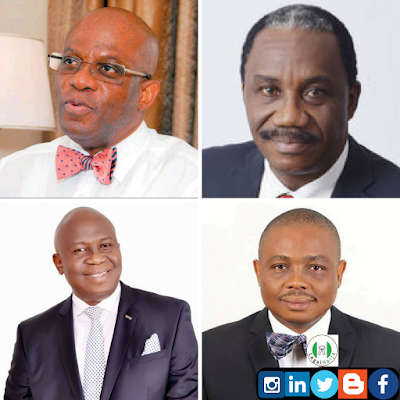
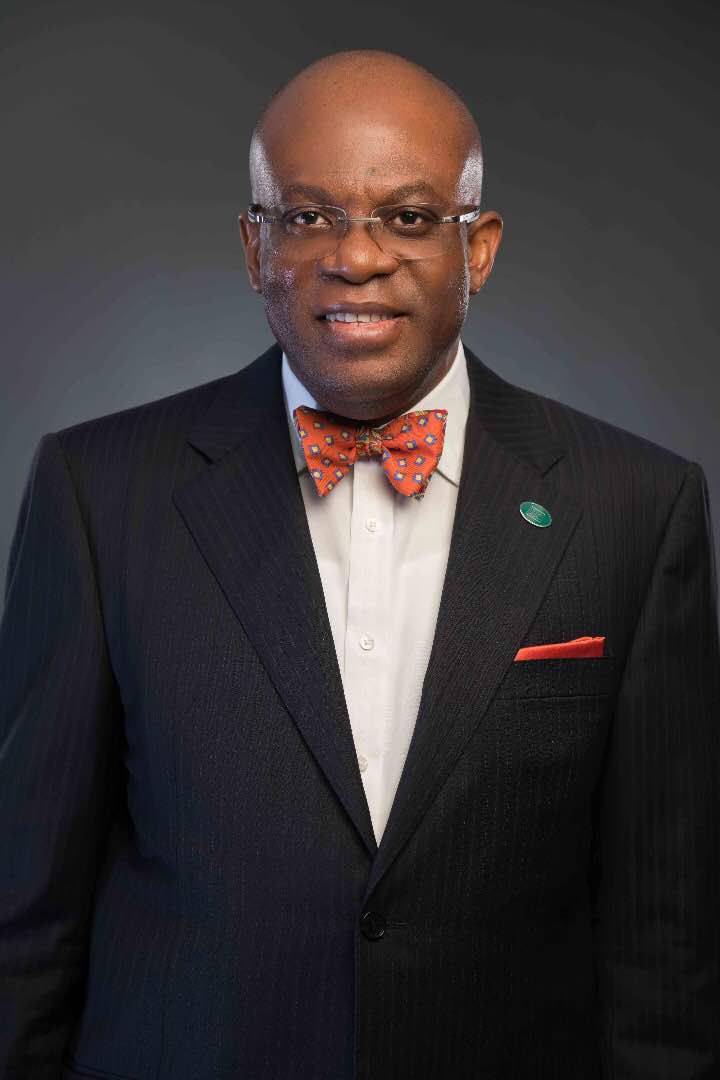
The comparison of the Advocacy skills of the NBA Presidential Candidates will be the focus of this 4th post in our series. Our 1st post was centered on the background of the candidates while our 2nd and 3rd post were centered on their contributions to lawyer welfare and law reforms and their NBA activities respectively.
Kindly note that the information provided below has been derived from the profiles of the candidates published online via the following links; Mr.
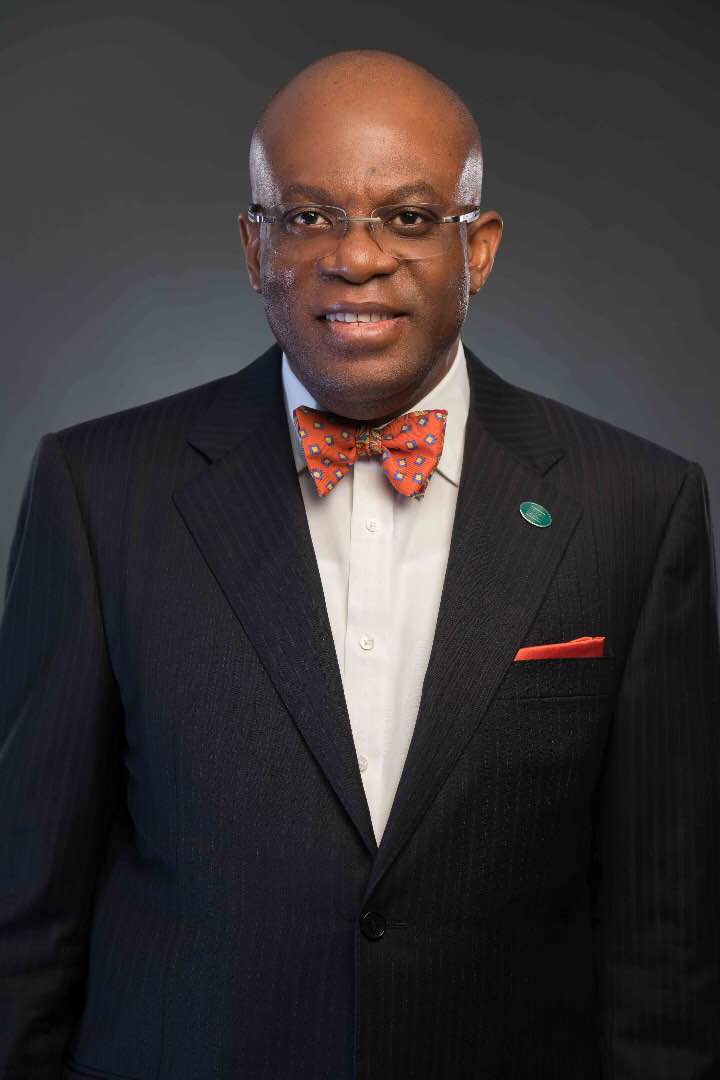
Paul Usoro, SAN, FCIArb
; Prof.
Ernest Ojukwu, SAN
; Mr.
Arthur Obi Okafor, SAN FCIArb
and
Mazi
Afam Osigwe, LLM, FCIArb
.

Pls note that you may also download the full report here

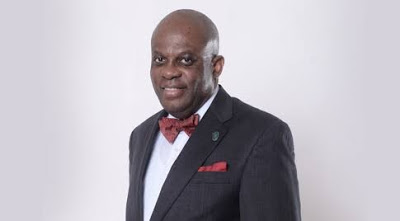
Advocacy Experience of Presidential Candidates 

PAUL USORO SAN

1.      Paul has been
involved in virtually all major transactions and regulatory reforms in the
Nigerian communications sector.

2.      The world-acclaimed,
first-ever and all-round successful Nigerian Digital Mobile Spectrum Auction
conducted in 2000. The transaction earned the Federal Government of Nigeria
US$855,000,000.00 for 3 Digital Mobile Licences.

3.      Has been the primary
adviser to the Nigerian Communications Commission (NCC) in most of its reform
initiatives till date

4.      Served as and was the only African and the sole Legal practitioner in
the six-member Auction Control Team for the Global Systems of Mobile
Communications (GSM) Spectrum Licence Auction that introduced Econet Wireless
Networks Limited (now Airtel), MTN Communications Limited and NITEL GSM to the
Nigerian market.

5.      Additional core ICT
regulatory and transaction experiences are highlighted hereunder:

i.      Acted as sole legal
consultant to the NCC in respect of the Mobile Number Portability;

ii.    Preparation,
on behalf of NCC, of a National Carrier Licence and an International Gateway
Licences for NITEL, a hitherto unlicensed monopoly;

iii. Acted as
lead legal consultants to NCC for the Second National Operator licensing
processes, including the auction and preparation of the 3 SNO licences;
the process produced
Globacom Limited as Nigeria’s Second National Carrier;

iv. Preparation of the
Interconnectivity Agreement between NITEL and licensed private network
operators;

v.    Represented NITEL in
the negotiation of the Construction and Management Agreement for the laying of
the SAT-3/SAFE/WASC trans-continental fibre-optic cable project which spans the
sub-Saharan African Continent and extends to Far East Asia through Southern
Africa, with European landing points. 
This was the first trans-continental cable project in sub-Saharan
Africa.

6.       On account of Paul’s
acknowledged eminence as Nigeria’s leading Communications Lawyer, Akwa Ibom
State Government appointed and relied on him to manage its portfolio investment
in Airtel in 2001. Paul negotiated this investment, valued as at the date of
entry at the sum of US$75,000,000.00. 
Akwa Ibom State Government cashed out most of its investments in this
enterprise in 2006, in the transaction by which Celtel BV successfully invested
over US$1,000,000,000, by way of share purchase from existing shareholders and
injected fresh capital into Airtel (“Celtel Transaction”), which transaction
was chiefly negotiated by Paul.

7.    Paul led
the Airtel Shareholders Committee in negotiating the Celtel Transaction as the
Committee Chairman, which, at the time, ranked as one of the biggest private
sector equity transactions in Nigeria’s history. Paul represented the interest
of all the shareholders which included three Nigerian State Governments and
blue-chip corporate citizens like First Assets Limited, a wholly-owned
subsidiary of First Bank of Nigeria Limited. It is a testimony to Paul’s
leadership quality that Celtel BV insisted after the Transaction that he
remains on the Board even though Akwa Ibom State Government whom he initially
represented had about sold out completely from the Company. 

8.    Celtel BV
in 2010 sold out its equity entirely to the Bharti-Airtel Group of India
resulting again in the reorganization of the Airtel Board.  Again, Bharti-Airtel, the new 65% owners of
Airtel insisted that Paul remains on the Board of the Company where, as at
date, he chairs the only Committee of the Board i.e. the Audit Committee.

9.    A founding
Secretary General, Telecommunications Law Association, Mr Usoro was named ‘Best
Pan African Telecoms Lawyer of All Times’ by the IT and Telecom Digest,
Nigeria’s leading and one of Africa’s foremost ICT magazines.

Matters Reported in The Nigerian Weekly Law
Report

A. SUPREME COURT:

1.   
A.G Rivers State v A.G Akwa Ibom State (2011) 8 NWLR
(Pt. 1248) 31 (SC)

2.   
Engr. Frank Okon v INEC (2015) 9 NWLR (Pt. 1463) 113
(SC)

3.   
INEC v Umana (No. 1) (2016) 12 NWLR (PT 1526) 260 SC

4.   
INEC v Umana (No. 2) (2016) 12 NWLR (Pt 1526)289 SC

5.   
PDP v Umana (No. 1) (2016) 12 NWLR (Pt 1526)299 SC

6.   
PDP v Umana (No. 2) (2016) 12 NWLR (Pt 1526) 307 SC

7.   
Udom v Umana (No. 1) (2016) 12 NWLR (Pt. 1526) 179 SC

8.   
Udom v Umana (No. 2) (2016) 12 NWLR (Pt 1526) 270 SC

9.   
A.G Lagos v A.G Federation
(2003) 12 NWLR (Pt.833) SC

10.   
A.G Ondo v A.G Federation
(2002) 9 NWLR (Pt. 772) 222 SC

11.   
Societe Bancaire (NIG.) Ltd
v De Lluch (2004) 18 NWLR 341 SC

12.   
Nitel v Okeke (2017) 9 NWLR
(Pt. 1571) 439 SC

B. COURT
OF APPEAL:

13.   
Archibong v State (2006) 14
NWLR (Pt. 1000) 349 (CA)

14.   
A.G. Federation v A.G. Abia
State & Ors (2002) 6 NWLR (Pt. 784) 542 (CA)

15.   
A.G. Abia State v A.G.
Federation (2005) 12 NWLR (Pt. 940) 542 (CA)

16.   
Idiok v State (2008) 13 NWLR
(Pt. 1104) 225 (CA)

17.   
SEC v Osidero (2009) 5 NWLR (Pt. 1134) 377 (CA)

18.   
Habeeb Bank v Opomulero (2000) 15 NWLR (Pt. 690) 315
(CA)

19.   
Technip v AIC Ltd (2011) 15 NWLR (Pt. 1270) 326 (CA)

20.   
Union Bank v Sadiku Lawal (2008) 7 NWLR (Pt. 1087) 613
(CA)

21.   
NITEL v Ugbe (2002) 3 NWLR (Pt. 753) 1 (CA)

22.   
Mobil v Yusuf (2012) 9 NWLR (Pt. 1304) 47 (CA)

23.   
Leasing Company Nigeria Ltd
v Tiger Industries Ltd (2007) All FWLR (Pt. 347) 659 (CA).

Matters Reported in Law Pavilion Electronic Law Report

COURT OF APPEAL

1.     Star Deepwater Petroleum &
3 Ors v AIC Ltd Limited & 3 Ors (2010) LPELR – 9165 (CA)

2.     NITEL v Emos Dynamic Nig. Ltd
(2008) LPELR – 4618 (CA)

3.     Hon. Iquo Nyong of PDP v Elder
(Dr.) Ini Akpan of Achan Congress Party (AC) & 3 Ors (2008) LPELR – 4656
(CA)

4.     Scanad Nigeria Ltd v Prima
Garnet Communication & Anor (2014) LPELR- 23313 (CA)

5.     Hon. Minister of Environment
& Anor v County & City Bricks Development Co. Ltd (2011) LPELR – 4256
(CA); (2011) All FWLR (Pt. 644) 66

6.     Edet Udo v Akpabio (2013)
LPELR-22119(CA)

7.     Nigerian
Agricultural Co-op & Rural Development Bank Ltd. Anor. v Mbio Oku Ikot Oku
Odung Multi-Purpose Co-op Society Ltd. & ORS. (2013) LPELR-20202(CA)

8.     Gordon
Tom Iwok & Ors. v. University of Uyo & Anor (2010) LPELR-4345(CA)

Ogundipe v NITEL (2015) LPELR
– 24920 (CA).

PROF. ERNEST OJUKWU SAN

     
Information was not provided on public
profile –
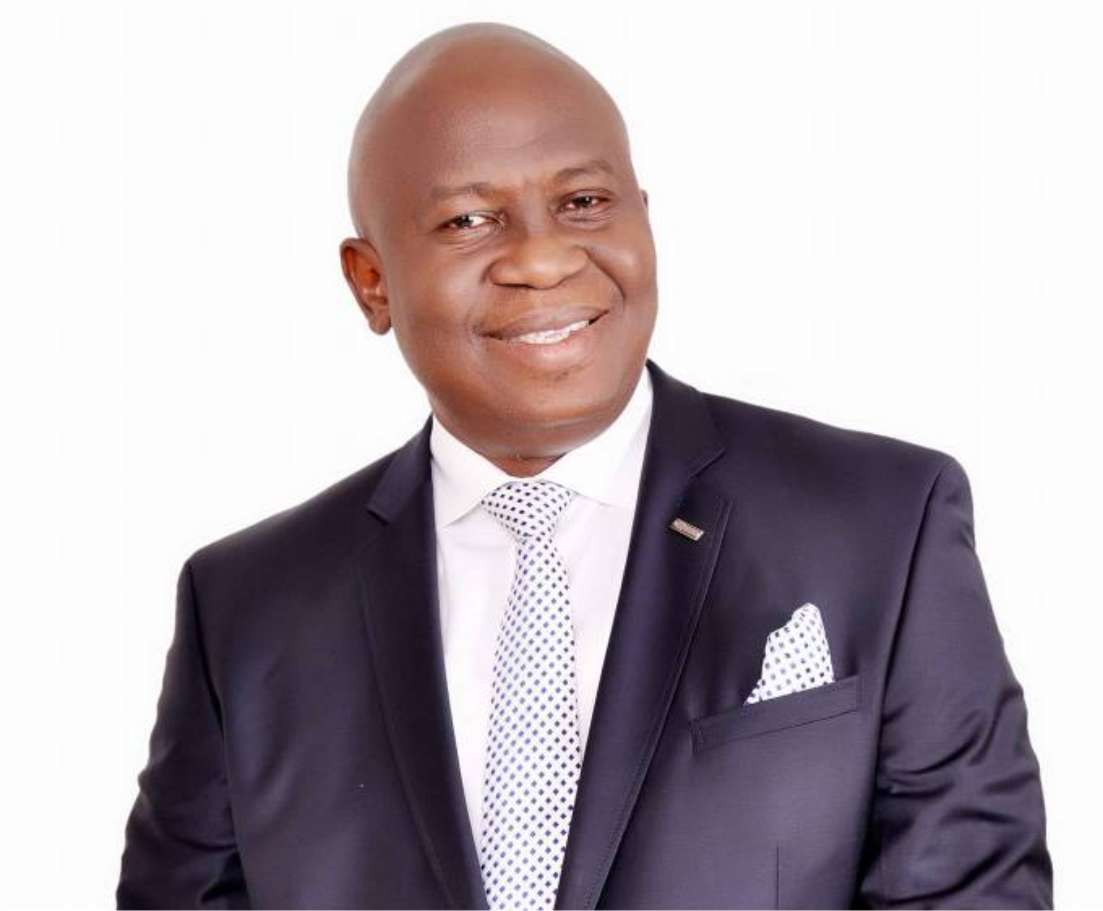


ARTHUR OBI OKAFOR SAN

1.         Onuorah v. KRPC Ltd. (2005) 6 NWLR (Pt. 921) 393.

2.         Balonwu v. Governor of Anambra State 2009 18 NWLR 13 (Pt.
1172).

3.         Peter Obi v. INEC (2007) 11 NWLR (Pt. 1046) 565.

4.         Edward Nkwegu Okereke v. Nweze David
Umahi & Ors. (2016) LPELR-40035(SC).  

5.         Ikechukwu v. Nwoye (2015) 3 NWLR (Pt. 1446) 367.

6.         Ilobachie v. Ilobachie (2005) 13 NWLR (Pt. 943) 695.

7.         Odedo v. I.N.E.C (2008) 17 NWLR (Pt. 1117)554. 
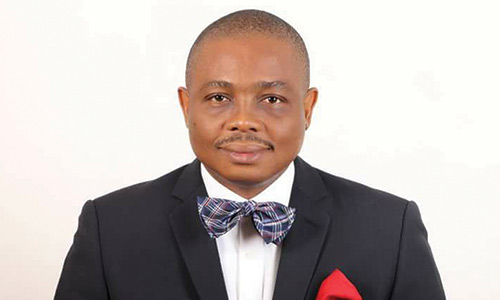
MAZI
AFAM OSIGWE

At various times Afam has
had cause to carry out research and litigation in various areas of the law
including Corporate and Business Law; Land law, Banking law, Intellectual
Property; International Commercial Law, Tele-communications, Energy, Oil and Gas
Law; Domestic arbitration, International Commercial Arbitration etc. He has a
special bias for commercial and financial practice and litigation
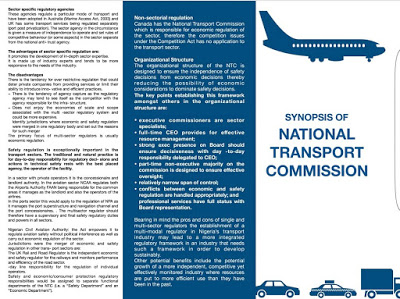
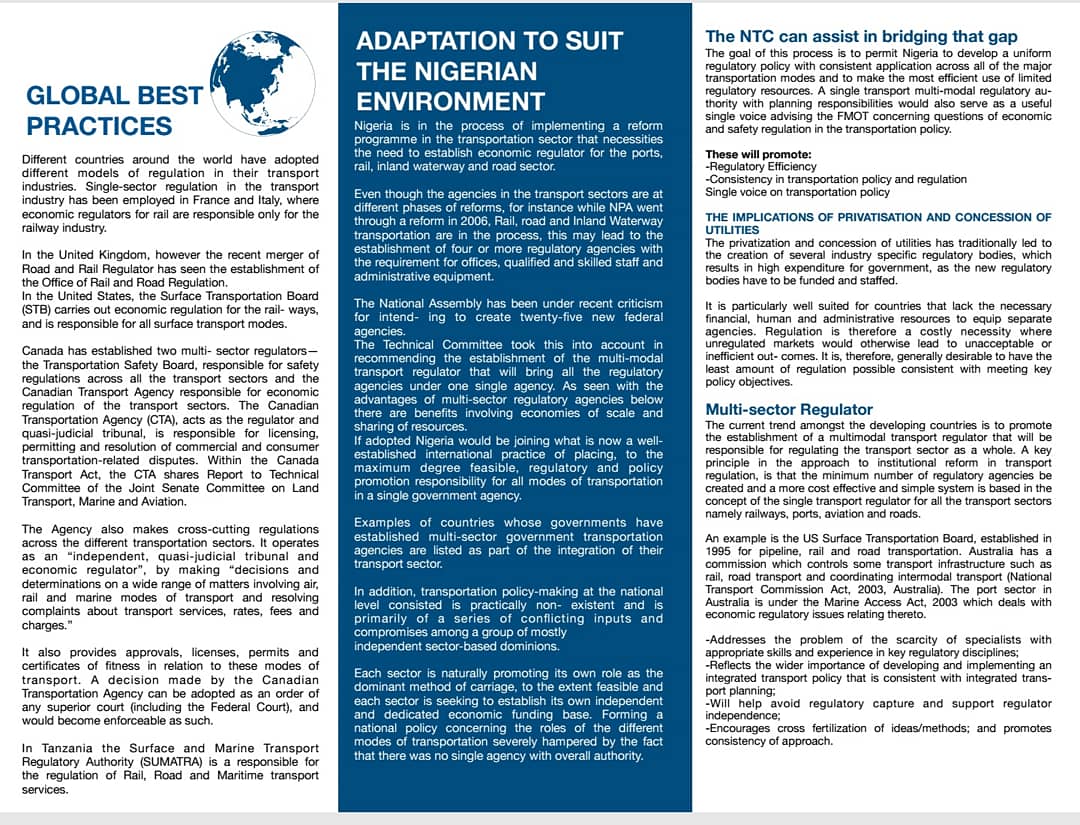
National Transport Commission Bill Crosses Final Hurdle In National Assembly

National Transport Commission Bill Crosses Final Hurdle In National Assembly

Following the passage of the National
Transport Commission Bill by the Senate on Thursday 15th of
March, 2018, the Senate on Wednesday 6thJune, 2018 passed the report
of the Conference Committee of the National Assembly on the National Transport
Commission Bill.

The Conference Committee, which was Chaired
by Senator Gbenga Ashafa representing Lagos East Senatorial District, was set
up by both chambers of the National Assembly with a view to harmonise the
differences between the versions of the Bill as passed by the House of
Representatives and the Senate respectively.

With the passage of the conference committee
report, which was first sponsored in the National Assembly in 2008,
stakeholders now eagerly await the transmission of the said bill to the
Executive arm of Government for the assent of His Excellency, President
Muhamadu Buhari.

While addressing the press after the passage
of the Bill by the Senate in April, Ashafa had stated that “the National
Transport Commission when signed into law is capable of setting the transport
sector on the path of positive development. With this bill, we would
successfully create a multi-modal transport sector economic and safety
oversight regulator for the transport sector. This is very good for business as
it brings standard and structure to the transport sector while also increasing
the revenue of Government.” 

He stated further that, “The Joint Senate
Committee worked with the understanding that this is one of the priority
Economic Bills of the 8th Senate and therefore ensured that all
imputes from stake holders were considered and the best possible version of the
bill was presented to the Senate.”


The National Transport Commission Bill when
signed into law is expected to create a multi-modal transport sector economic
and safety oversight commission, that will drive the National Transport Policy.

Resolutions passed by #NASSJointSession on 5th June,2018

Resolutions passed by #NASSJointSession on 5th June,2018

The following are the resolutions passed at the Joint Session of the National Assembly on 5th June, 2018. 

1.The Security Agencies must be given marching orders to contain all the sustained killings of Nigerians and protect the lives and properties of Nigerians — as this is the primary duty for any responsible government.
2.The systemic harassment by the executive of perceived political opponents — people with contrary opinions in the legislature and the judiciary — by the police and other security agencies must stop.
3.There must be strict adherence to the rule of law and protection for all citizens by the President and all his appointees. 
4.The President must be held accountable for the actions of his appointees and must be ready to sanction, those that carry out any act, that will ridicule or endanger the country and our democracy.
5.The government should show sincerity in the fight against corruption by not being selective and also prosecute current appointees that have cases pending against them.
6.The sanctity of the National Assembly should be protected and preserved by the federal government… and prosecute those who invaded the Senate to seize the mace.
7.Democratic elections must be competitive and inclusive by removing the current reign of fear and intimidation — particularly as we approach the forthcoming 2019 elections. 
8.The National Assembly will liaise with the international community through the IPU, the APU, ECOWAS Parliament, Pan-African Parliament, EU, US Congress and the United Nations to secure our democracy. The National Assembly will also engage with civil society organizations, trade unions and NGOs to further deepen and protect our democracy.
9. The President must take immediate steps to curtail the growing level of poverty and unemployment in Nigeria — especially now that we have an advantage of high oil prices.
10. Both chambers of the National Assembly hereby pass a vote of confidence on the Senate President, the Speaker and the entire leadership of the National Assembly.
11. We also hereby reaffirm our earlier resolution on the vote of no confidence on the Inspector General of Police, who does nothing but preside over innocent Nigerians with an outright disregard for constitutional authority of both the executive and the legislature.

12. The National Assembly will not hesitate to invoke its constitutional powers if nothing is done to address the above resolutions passed today.
REFLECTIONS: Welfare of Young Lawyers & Related Issues  – PAUL USORO, SAN FCIArb

REFLECTIONS: Welfare of Young Lawyers & Related Issues – PAUL USORO, SAN FCIArb

Contributing Factors (I):
Contracting Market for Legal Services

It is axiomatic that one cannot
give what he does not possess or have.  Ironically, most lawyers only
apply that saying to intellectual matters forgetting or ignoring the fact that
it applies just as well to economic circumstances.  The senior lawyer or
firm that is earning little cannot afford to pay their younger colleagues any
reasonable income.  Why do some lawyers and firms earn such poor income?
 Several factors account for this and one of these is the contracting size
of the Nigerian legal services market.  This contraction which has
insidiously been creeping in on us over the years is caused, in part, by the
unceasing, widespread and unregulated encroachment into the Nigerian legal
services market by Nigerian non-lawyers as well as foreign lawyers and law
firms.


At the very base level, the level
which affects most lawyers whether in the urban or rural branches, there is,
illustratively, serious and persistent encroachment by non-lawyers and touts
into the legal services market as it relates to land transactions, to the
detriment and disadvantage of lawyers.  Lawyers in literally all branches
of the NBA, both cosmopolitan and provincial branches (a term that was
generously donated recently to me by the Okitipupa NBA Branch), feel the impact
and brunt of and lament these encroachments.  At the upscale level,
in-house counsel positions in multinational companies are increasingly being
taken over and occupied by foreign lawyers who have not been called to the
Nigerian Bar and are not licensed to practice or offer legal services in
Nigeria.


Foreign law firms are also
increasingly taking over a disproportionate share of the Nigerian legal
transaction market, with the active connivance of governments, at the Federal
level mostly and sometimes at the States levels, and also with the complicity
of some of our colleagues.  In some instances, governments are, perhaps,
unwitting accomplices, and this occurs mostly when multilateral credits or aids
are taken from foreign donors and/or agencies with the collateral
conditionality which requires the engagement of donor country consultants and
foreign law firms to manage the transaction, ostensibly because Nigerian
lawyers, as we hear so often, are not experienced, have never handled such
transactions, do not have the discipline to handle such transactions and cannot
be trusted to handle them.  In some other instances, government officials,
with the support of some of us, boldly pronounce, even without prompting from
those multi-lateral agencies and donors that they, the government officials,
find Nigerian lawyers unfit and totally inexperienced and undisciplined to
handle certain transactions.

I have always found these excuses
by Nigerian governments and their officials totally inexplicable and untenable
and indeed insulting to and demeaning of the intellect and capabilities of
Nigerian lawyers and it is rather unfortunate that some of us join in mouthing
and condoning these feckless excuses.  Happily, and thanks in part to
Awolowo v The Hon Mallam Usman Sarki & another (1966) LPELR-25290 (SC),
these excuses are not applied to court litigation matters and this is rather
ironic.  Ironic in the sense that Nigerian lawyers who can be trusted to
argue matters in court, no matter how recondite or novel, cannot be trusted by
their governments and some private sector organizations and individuals to handle
novel/recondite and/or complicated transactions.  How will the Nigerian
lawyers gain experience when they’re so excluded from those transactions and in
instances where they’re not totally excluded or banished, they’re fed crumbs
and assigned low-level reviews of Nigerian law portions of the deal by the
foreign lawyers and their firms, with the active connivance of Nigerian
governments, organizations and persons?

Just before leaving the issue of
court litigation, I must mention that a multinational company operating in
Nigeria, about a year or two ago, engaged a foreign counsel to negotiate an
out-of-court settlement with the Nigerian government in a matter that was then
pending in Court.  That may perhaps have signalled a creeping encroachment
even into the court litigation arena by foreign lawyers and firms which, if
unchecked and nipped in the bud, could blossom into a full-blown incursion
similar to what we’re experiencing in transactions.  In the broader
dispute resolution arena, there’re unchecked incursions by foreign law firms
and lawyers notably in arbitration matters.  I am aware of instances where
parties to arbitral proceedings that are conducted in Nigeria engage foreign
counsel to represent them in those proceedings and in matters that Nigerian counsel
are very capable of handling.  

I do not believe that there’s any
aspect of legal services, including transaction and arbitral matters, that we
cannot find capable Nigerian lawyers to handle.  I also believe that, if
we must involve foreign counsel in delivery of legal services in Nigeria, there
must be open dialogue and negotiations led by the NBA and our Attorney General
of the Federation/Trade Ministry with relevant foreign Bar Associations and
their countries’ trade negotiators.  This is standard practice in
developed and developing countries where Bar Associations work with Trade
Ministries in market access negotiations as it relates to legal services. A
limited access principle whereby foreign lawyers must be led by Nigerian
lawyers, the Nigerian lawyers being the ones to nominate, agree with and assign
portions of the assignment to the foreign lawyers and firms, could be put on
the table in such negotiations.

Incidentally, I speak from
well-heeled and vindicated experience.  At the time of the first Nigerian
international spectrum auction which ushered GSM services into Nigeria in 2000,
the same arguments of novel and recondite transaction were raised against my
engagement as the Counsel for the transaction, but thank Heavens and the
strong-will of the Board and Executive Management of the Nigerian
Communications Commission (“NCC”) that was led respectively by Alhaji Ahmed
Joda and Engr Ernest Ndukwe, OFR, I was retained for the assignment and I
turned out to be the only lawyer in the 5-man Auction Control Team that
conducted the spectrum auction which has remained a landmark Nigerian
transaction and the template for subsequent such transactions beyond Nigeria.
 The License and other transaction documents and framework which I
prepared then, in conjunction with NCC in-house Counsel, all Nigerians,
including Michael Ikpoki who later joined MTN and rose to become its first and
only Nigerian Managing Director, Osondu Nwokoro, currently the Legal Director
of MNTel and Josephine Amuwa, currently a Director at NCC, remains, up till
date, the model and template for such transactions. Not even our then
detractors and traducers could find fault in them.

Exactly the same scenario played
out when we had the responsibility for preparing the Nigerian Communications
Act, 2003 – the subsisting regulatory framework for the Nigerian communications
industry.  Naysayers rose and claimed, at the time, that no Nigerian
lawyer had the experience or skill to prepare such a landmark legislation; they
indeed they went as far as hiring foreign firms who prepared drafts of the
legislation for them.  Again, we working with the same set of NCC in-house
Counsel that I mentioned earlier who worked with me during the GSM Auction –
defeated them solely because we produced a far superior and unsurpassable
legislation, entirely and wholly Nigerian-made!  As at date, almost 15
years after the passage of that Act, no fault has been found in the legislation
and no amendment has been made thereto.

To summarize, I propose that the
NBA intervene to protect the Nigerian legal services market for the Nigerian
lawyers by pushing back on the encroachment of the market by non-lawyers and
foreign lawyers and law firms – both at the base and upscale levels.
 Every land transaction that is handled by a non-lawyer results in loss of
income to the Nigerian lawyer.  Each legal position that is occupied in
multinational organizations by foreign lawyers amounts to a lost opportunity
and loss of income for the Nigerian lawyers; ditto in respect of Nigerian transactions
particularly Nigerian financed transactions that are handled by foreign law
firms and also arbitral proceedings that are conducted in Nigeria.  Of
course, I’m aware of the globalization of services and our commitments to the
World Trade Organization, but then these commitments and the globalization
trends should be domestically regulated in a manner that do not prejudice and
marginalize the Nigerian lawyers in the way that they’re currently totally
prejudiced, marginalized and excluded.  Incidentally, we would not be the
only ones to have such domestic regulations in place; in developed and other
developing countries, they’re such regulations which, in varying degrees,
regulate the influx of foreign lawyers and firms into their respective domestic
market, as I’ve pointed out earlier. By championing such protective measures,
the NBA would, in some ways, be guaranteeing decent income and opportunities
not to mention skills development, not only for the Nigerian young lawyers but
for Nigerian lawyers generally.

It may also serve us well for the
NBA to actively develop, maintain and constantly update at its National
Secretariat, a verifiable database of Nigerian lawyers who have specialized
knowledge and skills in various areas of law, either through practice or by
education.  Such a database would come in handy not only to blunt the
constant put-down by Nigerian governments and their officials against Nigerian
lawyers but also to positively assist such Government Agencies and
private-sector in identifying skilled lawyers that could assist them in
handling these so-called complex and “novel” transactions and matters.

2018 NBA ELECTIONS: List of NBA Activities & Commitments by Presidential Aspirants (Part 3)

2018 NBA ELECTIONS: List of NBA Activities & Commitments by Presidential Aspirants (Part 3)

This is the 3rd
post in our series on the Qualitative Assessment of all 2018 NBA Presidential
Candidates. Our aim is to critically evaluate the profiles of these candidates
in order to give lawyers the opportunity to carefully peruse their background and
get insights into their candidacy.

In this 3rd
part of our analysis of the profiles of all 4 (four) NBA Presidential
Candidates, we shall be examining their NBA commitments and activities so far.
As Bar men, all four candidates have participated in various activities of the
NBA, both at the Branch and at the National Levels.

Our first analysis and assessment
covered the Background of all candidates in this post, while the 2nd
part covered their contributions to law reforms and also the welfare of lawyers
in this post.

Please note that all
information provided has been sourced from the profiles of the candidates as
provided online. Through this series, lawyers will be able to identify who the
best man for the job is.

Nba Commitments And Activities Of Candidates


PAUL USORO SAN

1. 
Member of the National Executive Committee
(NEC) of the NBA and attends most NEC meetings.

2. 
Member of the NBA Legal Profession Regulation
Review Committee.

3. 
The pioneer Chairman of the Communications
Committee of the NBA Section of Business Law (“SBL”).

4. 
Attended the NBA Legal mission to the UK Bar
Standard Commission and Solicitors’ Regulatory Authority to understudy their
system in 2017.

5. 
Fully sponsored the Elders’ Night of NBA Lagos
Branch 2017 Law week and routinely sponsors Lagos Bar events.

6. 
PUC was the sole sponsor of one of the most
attended Break-out sessions at the 2017 NBA Conference: “Emerging Trends in
Global Legal Practice”. PUC paid for travel costs of the four (4) foreign
speakers at the session.

7. 
Hosted entire delegates to NBA NEC Meeting
held in Uyo, Akwa Ibom State in November, 2017.

8. 
Member, planning committee, November 2017 NEC
Meeting.

9. 
Chief organizer and major sponsor of the Akwa
Cross Dinner for delegates to the NBA AGC held in Calabar.


PROF
ERNEST OJUKWU

1.    
Chairman,
NBA Aba Branch 1997 – 1999.

2.    
Secretary,
NBA Aba branch 1992-93.

3.    
Chairman,
NBA Law Reform Committee 2003 to 2004.

4.    
Chairman,
NBA Academic Forum 2006 to 2010 & 2012-2014.

5.    
Chairman,
NBA Editorial Committee 2006-2008.

6.    
Chairman,
NBA Legal Education Committee 2006-2008.

7.    
Chairman,
NBA Strategic Plan Working Group 2012.

8.    
Project
Director, NBA Institute of Continuing Legal Education (Set up the Institute of
Continuing Legal Education and commenced the MCLE as the Pioneer Director) 2006
to 2010; and 2012- 2014.

9.    
Alternate
Chairman, 2003 NBA Annual Conference Planning Committee; Alternate
Chairman/Editor-in-Chief, Editorial Board Nigerian Bar Journal, October 2002 to
2004.

10. Alternate Chairman, NBA Summit on the future of
legal education in Nigeria 2006.

11. Member, NBA Special National Committee on Abuse of
Executive, Legislative and Judicial powers, 1998 to 2000.

12. Member, Joint working committee of the NBA &
CLEAN on continuing legal education for practicing members of the legal
profession August 1999 to 2000.

13. Sole Member, NBA Standing Sub Committee to
investigate complaints against legal practitioners October 1999.

14. Member NBA Legal Education Committee, 2002 to 2004.

15. Member, Steering Committee of HURILAWS-NBA National
Action Plan for justice sector reform in Nigeria, 2002.

16. Member, 2002 NBA Annual Conference Planning
Committee.

17. Member, NBA Practicing fee, stamp and seal
committee, Jan 2003 to 2004.

18. Member, NBA Committee on the state of the NBA, March
2005.

19. Member, NBA Special Committee on the Review of the
Rules of Professional Conduct 2006/07.

20. Member, NBA Working Group on the Review of the Legal
Practitioners’ Act and Council of Legal Education Act, 2011.

21. Pioneer Chairman/Founder, NBA Eastern Bar Forum
(EBF) 2004-2011.

22. Member of the National Executive Counsel of the NBA.

ARTHUR
OBI-OKAFOR SAN
1.  Member,
Legal Profession Review Committee.

2.       Chairman,
Resource Committee of the NBA.

3.       Chairman,
NBA Disciplinary Committee for Anambra, Enugu and Ebonyi States.

4.       Member,
Land Committee of Nigerian Bar Association, Onitsha Branch 2009.

5.       NBA
Representative on NEITI Civil Society Steering Committee.

6.       Chairman,
NBA Legislative Advocacy.

7.       He
was recently appointed Chairman of the Administration of Criminal Justice
Reform Committee of the Nigerian Bar Association.

8.       Member
of the National Executive Committee (NEC) of the NBA.

9.       Member,
Body of Benchers – From May 2016

10.     Member,
Council of Legal Education from 2015 till date.

11.     Member,
Legal Aid Council of Nigeria – from September 2014 – 2016.

12.     Member,
General Council of the Bar – from 2015 till date.

13.     Life
Member, National Executive Committee of NBA.

14.     Member,
Elders Committee, NBA Abuja December 2010- August 2015.

15.     Life
Member, Advisory Committee, NBA Abuja.


MAZI
AFAM OSIGWE

1.       Member,
Law Reporting Committee – 2003-2005,

2.       Member,
Bar Dinner/Awards Committee – 2004.

3.       Secretary,
Committee on Continuing Legal Education – 2005-2007.

4.       Secretary,
Committee on Continuing Legal Education – 2009 -2011.

5.       Alternate
Chairman for the LOC of the NEC hosted by NBA Abuja Branch – June 2011.

6.       Alternate
Chairman of the LOC for the 2012 Annual General Conference.

7.       Co-opted
member of the TCPC of 2012 Annual General Conference.

8.       Member
of the National Executive Council (NEC) of the NBA from 2011 to 2013

9.       Chairman
of NBA Abuja Branch in 2012

10.     Prosecutor
at the Legal Practitioners’ Disciplinary Committee of the Body of Benchers from
2012 -2014.

11.     General
Secretary of the Nigerian Bar Association in 2014 and served till August 2016.

12.     Publicity
Secretary (PRO) of NBA Abuja, from 2006-2008.

13.     Committee
for the Review of High Court (Civil Procedure Rules) of the FCT- 2011- 2013.

14.     Committee
on the Review of ADR Laws and Rules – 2011 till 2013.

15.     Member
Body of Benchers – From May 2016

16.     Member
Council of Legal Education from 2015 till date

17.     Member
Legal Aid Council of Nigeria – from September 2014 – 2016

18.     Member
General Council of the Bar – from 2015 till date

19.     Life
Member National Executive Committee of NBA

20.     Member,
Elders Committee, NBA Abuja December 2010- August 2015.

21.     Life
Member, Advisory Committee, NBA Abuja

2018 NBA Election: Presidential Candiates; Welfare of Lawyers and Nba Activities (Part 2)

2018 NBA Election: Presidential Candiates; Welfare of Lawyers and Nba Activities (Part 2)

The second part of our
qualitative assessment of the respective profiles of the 4 (four) NBA Presidential
Candidates is centered on their contributions to lawyer welfare and respective law
reform contributions as stated in their profiles available online via the
following links;  
Mr.
Paul Usoro, SAN, FCIArb
; Prof.
Ernest Ojukwu, SAN
; Mr.
Arthur Obi Okafor, SAN FCIArb
and Mazi
Afam Osigwe, LLM, FCIArb
.

The first part was an assessment
of their backgrounds and is available here.

Paul
Usoro SAN
Contributions
to Lawyer Welfare

1.    New hires in PUC being post NYSC enjoy six
figures start salaries (minimum of N150,000 and are encouraged to tap into the
sustainable growth scheme of the firm.

2.   Young Lawyers benefit from
the Firm’s annual Profit Sharing and Bonus schemes.

3.   Paul invests in the
mentorship and growth of young lawyers in PUC.

4.   Youth Corpers in PUC paid a
minimum of N50,000 monthly and Law School interns have a N20,000 farewell
allowance.

5.   From 2008 – nine (9) years
and counting, PUC sponsors the Lawyers’ Table Tennis Open (Mfon Usoro Cup),
nicknamed the largest sporting event among lawyers, for male and female
lawyers. LTTO is a Table Tennis tournament open to lawyers from within and
outside Lagos. Travel and accommodation cost for out-of-town lawyers

are
underwritten by PUC. Prizes include fully paid return flight ticket to the
International Bar Association (“IBA”) Conferences for male and female champions
respectively plus attractive prizes for 2nd and 3rd positions.

6.   Sponsorship of lawyers for
international LLM programs and capacity building trainings. 

Law
Reform Contributions

EXTANT LEGISLATION

Drafting and legislative advocacy
for industry and National Assembly of the following extant legislation and
subsidiary legislation by Paul directly and PUC:

1.     Nigerian
Communications Act 2003.

2.    
Nigerian
Communications (Enforcement Processes etc.) Regulations, 2005.

3.    
Annual
Operating Levy Regulations, 2014.

4.    
Mobile
Number Portability Regulations, 2014.

5.     Nigerian Maritime Administration and Safety Agency
Act 2007
.

6.     Coastal and Inland Shipping (Cabotage) Act 2003. 

7.     Coastal and Inland Shipping Cabotage (Bareboat
Registration) Regulations 2005.
 

8.     Coastal and Inland Shipping Cabotage (Ship Detention
Order) Regulations 2005.

9.     Council
for the Regulation of Freight Forwarding in Nigeria Act 2007.

10. Council
for the Regulation of Freight Forwarding in Nigeria (Annual Subscription and
Other Fees) Regulations, 2010.

11. Council
for the Regulation of Freight Forwarding in Nigeria Act (Professional
Misconduct and Discipline Regulations) 2010.

12. Council
for the Regulation of Freight Forwarding in Nigeria Act 2007 (Registration of
Freight Forwarders) Regulations 2010.

13. Council
for the Regulation of Freight Forwarding in Nigeria Act (Organs and Offices of
the Council Regulations) 2010.

OUTSTANDING BILLS

14.              
National Transport Commission Bill (undergoing
legislative processes).

15.              
Ports and Harbours Authority Bill (undergoing
legislative processes).

A draft for a Law Establishing a
Liability Regime for Land Transport in Nigeria (Work in Progress).

PROF.
ERNEST OJUKWU, SAN

Contribution
to lawyer welfare

·       
No Information Provided On Public Profile

Law
Reforms

·       
Draft
Bills

1. 
He drafted the Nigerian Bar Association Continuing Legal
Education Rules
 and set up the Institute of Continuing Legal education in 2007.

2. 
As Chairman of NBA
Law Reform Committee, he produced a new Legal Practitioners Bill in 2004 under President Wole Olanipekun, SAN.

3. 
In 2006, the NBA
under the leadership of President
Olisa Agbakoba SAN
 requested an amendment in place of a completely
new Act and Professor Ojukwu submitted
an amended Legal Practitioners Act which was submitted to the National
Assembly.

4. 
In 2011, the NBA
under the leadership of President
JB Daudu SAN 
set up a new Committee to draft a new Legal
Practitioners Act. Professor
Ojukwu
produced a new draft for the Committee pending before the
National Assembly today.

5.  Professor Ojukwu also submitted to the NBA, draft bills on Legal Education and Legal Services Commission.
Submitted to National Assembly
.

ARTHUR OBI-OKAFOR, SAN

Contributions To Lawyer Welfare

·       
The sole sponsor of Eastern Bar Forum Unity Football
Tournament
.

Law Reforms

        
No Information Provided On Public Profile

MAZI AFAM OSIGWE

        
No Information Provided On Public Profile

Our 2018 NBA Elections
Qualitative Assessments of Presidential Candidates continues tomorrow. YOU MAY ALSO DOWNLOAD THE FULL REPORT HERE

@Legalnaija

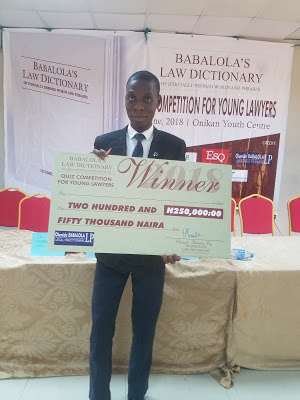
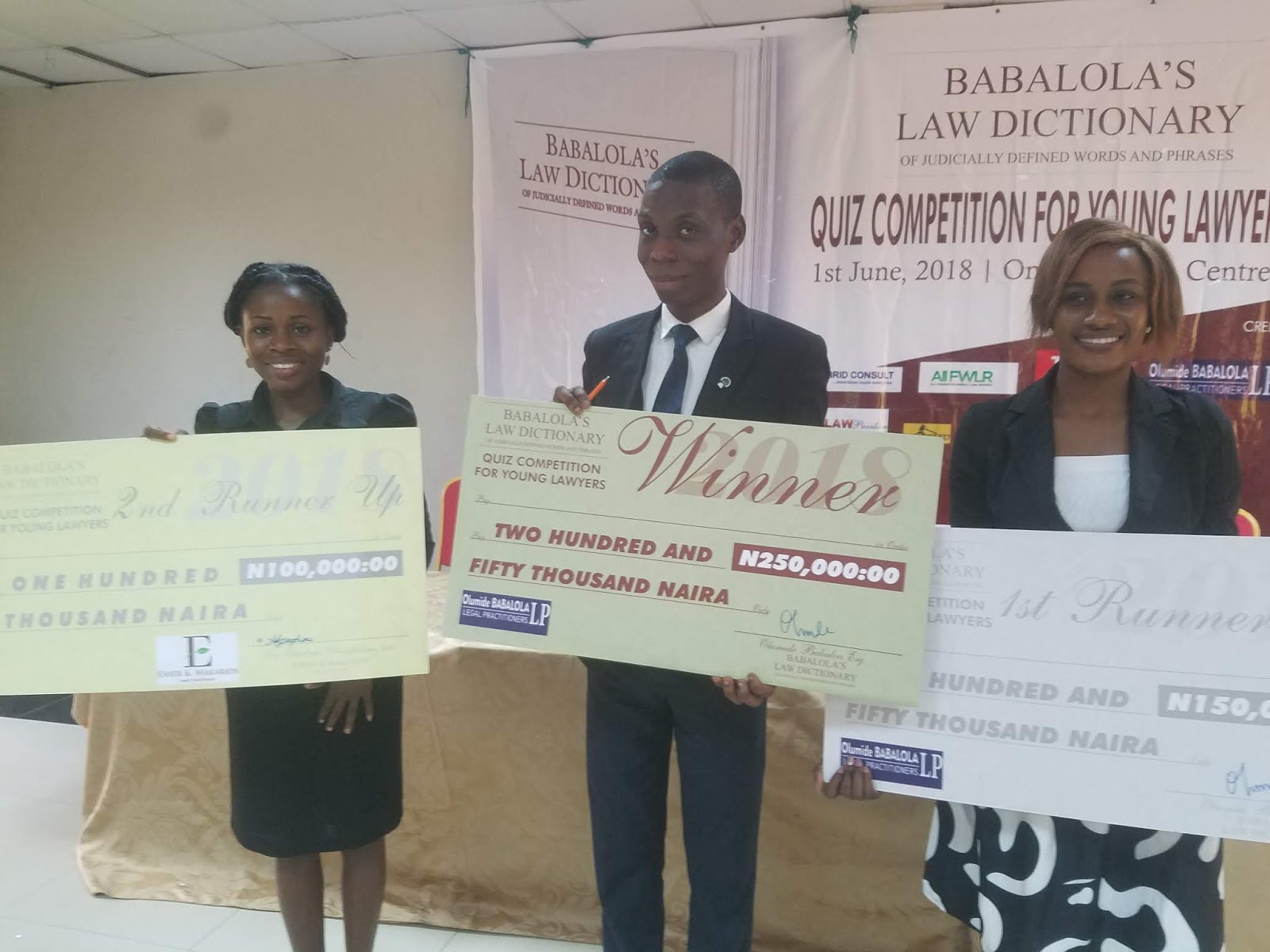
Temidayo Adewoye wins N250, 000 at the maiden edition of Babalola’s Law dictionary Quiz Competition

Temidayo Adewoye wins N250, 000 at the maiden edition of Babalola’s Law dictionary Quiz Competition

Temidayo
Adewoye of Perchstone & Graeys wins N250, 000 at the maiden edition of
Babalola’s Law dictionary Quiz Competition

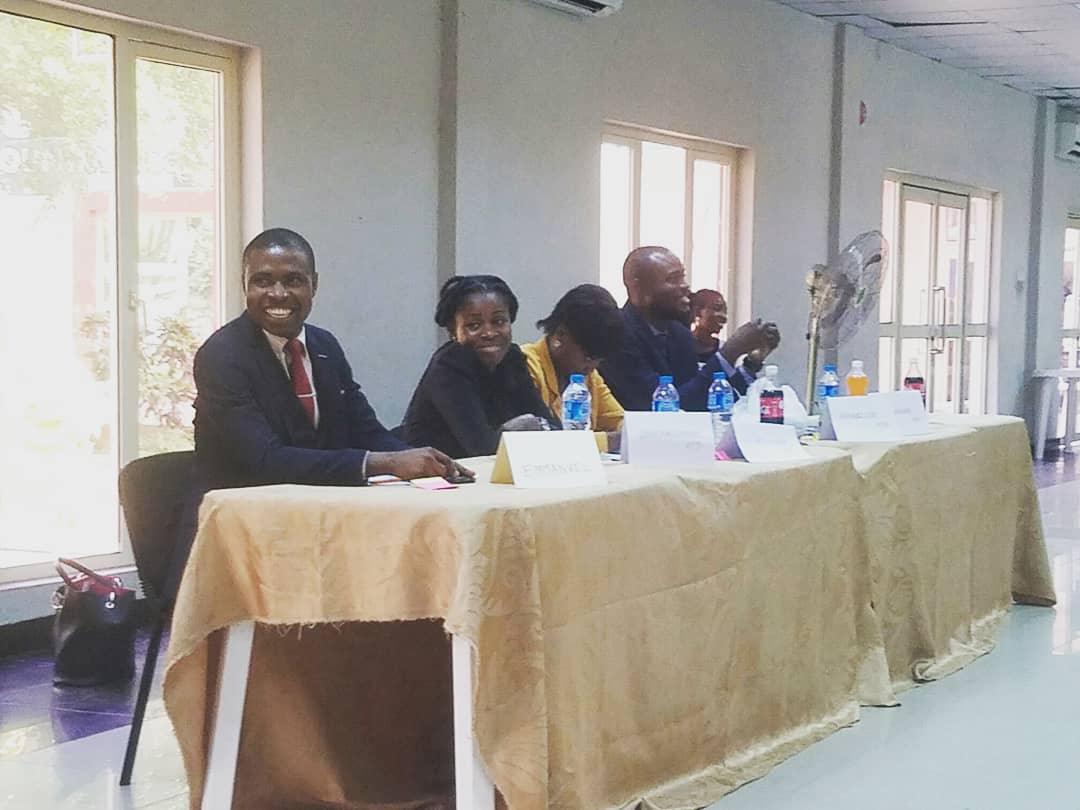
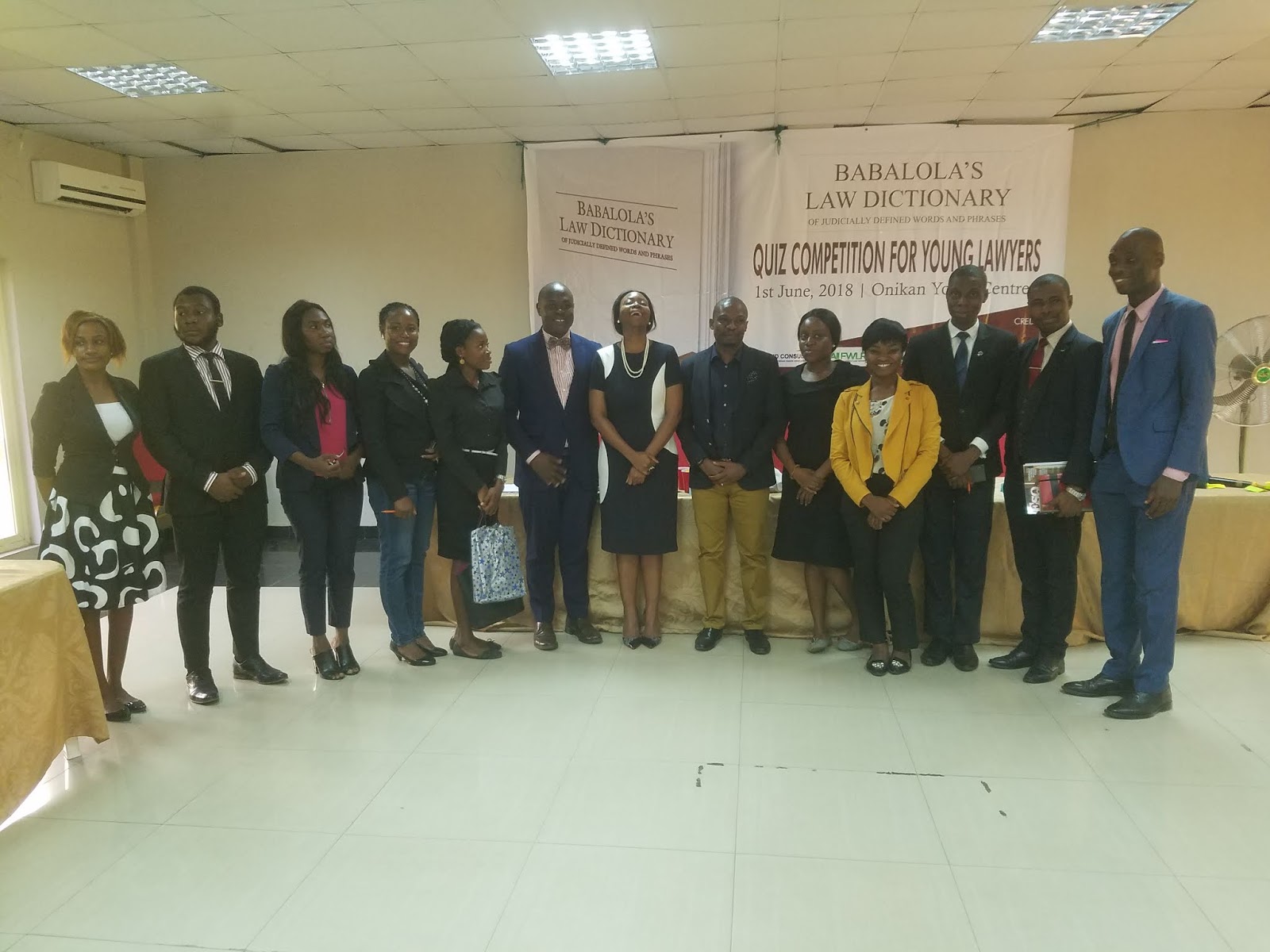
In a keenly contested Law quiz competition held at the Onikan Youth Centre, Lagoson the 1st day of June 2018, Temidayo Adewoye, an associate at the law firm of Perchstone & Graeys edged 9 other participants to emerge the winner of the maiden edition of the Babalola’s Law dictionary Quiz Competition for young lawyers. 
In the words of the Editor of Babalola’s Law Dictionary – Olumide Babalola, the competition was organized to deepen the culture of reading amongst young lawyers especially as it pertains to legal/procedural words and terminologies.

The competition had 10 finalists but Temidayo Adewoye emerged the Winner carting home the ultimate prize Money of N250, 000 (courtesy the firm of Olumide Babalola LP) and law Pavilion electronic report while Morisola Alaba emerged the 1st runner up with N150, 000 and Abdulateef Abdul Olasubomi came 2nd runner up with prize money of N100, 000 courtesy the firm of Esher and Makarios. 

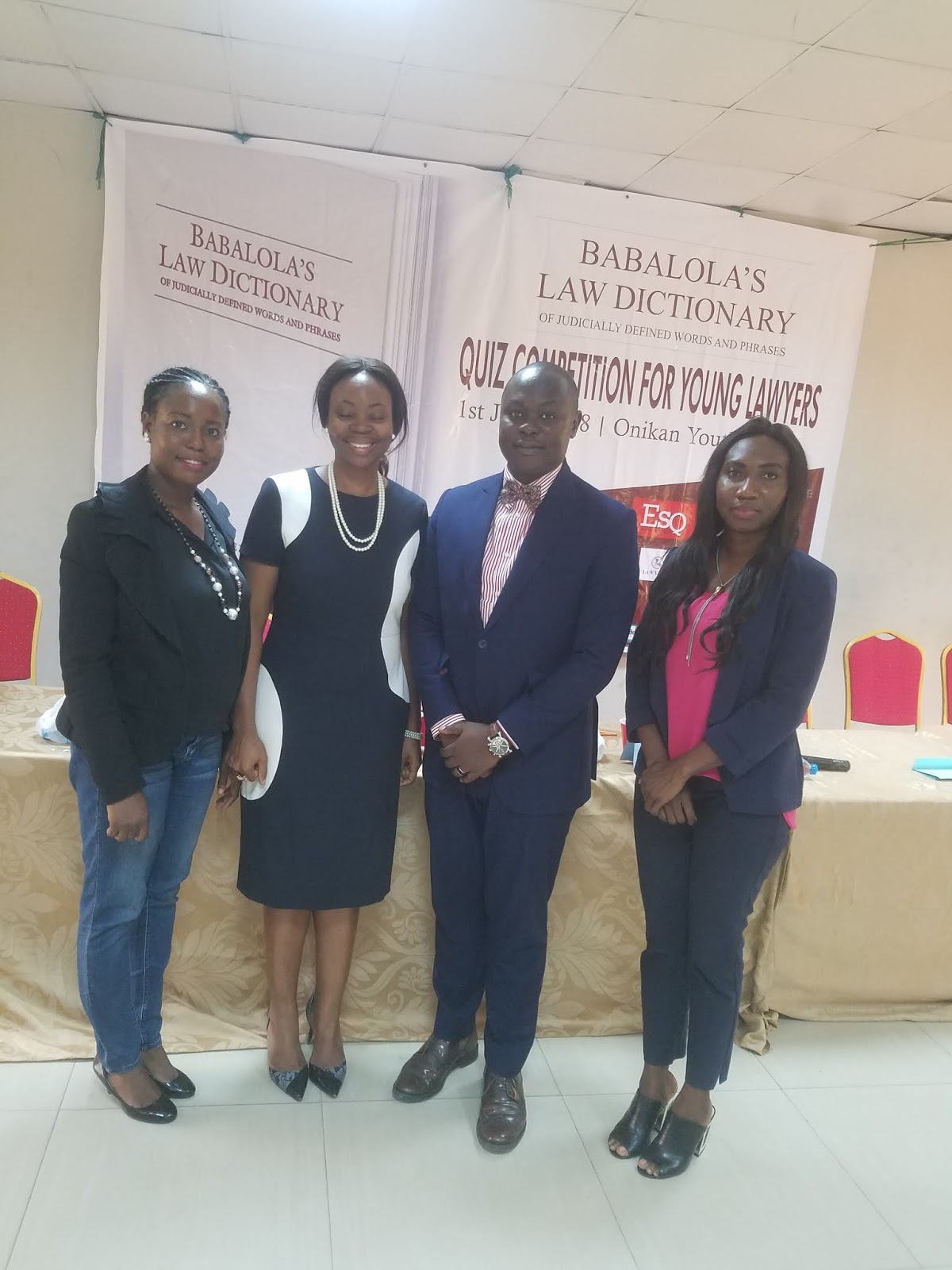
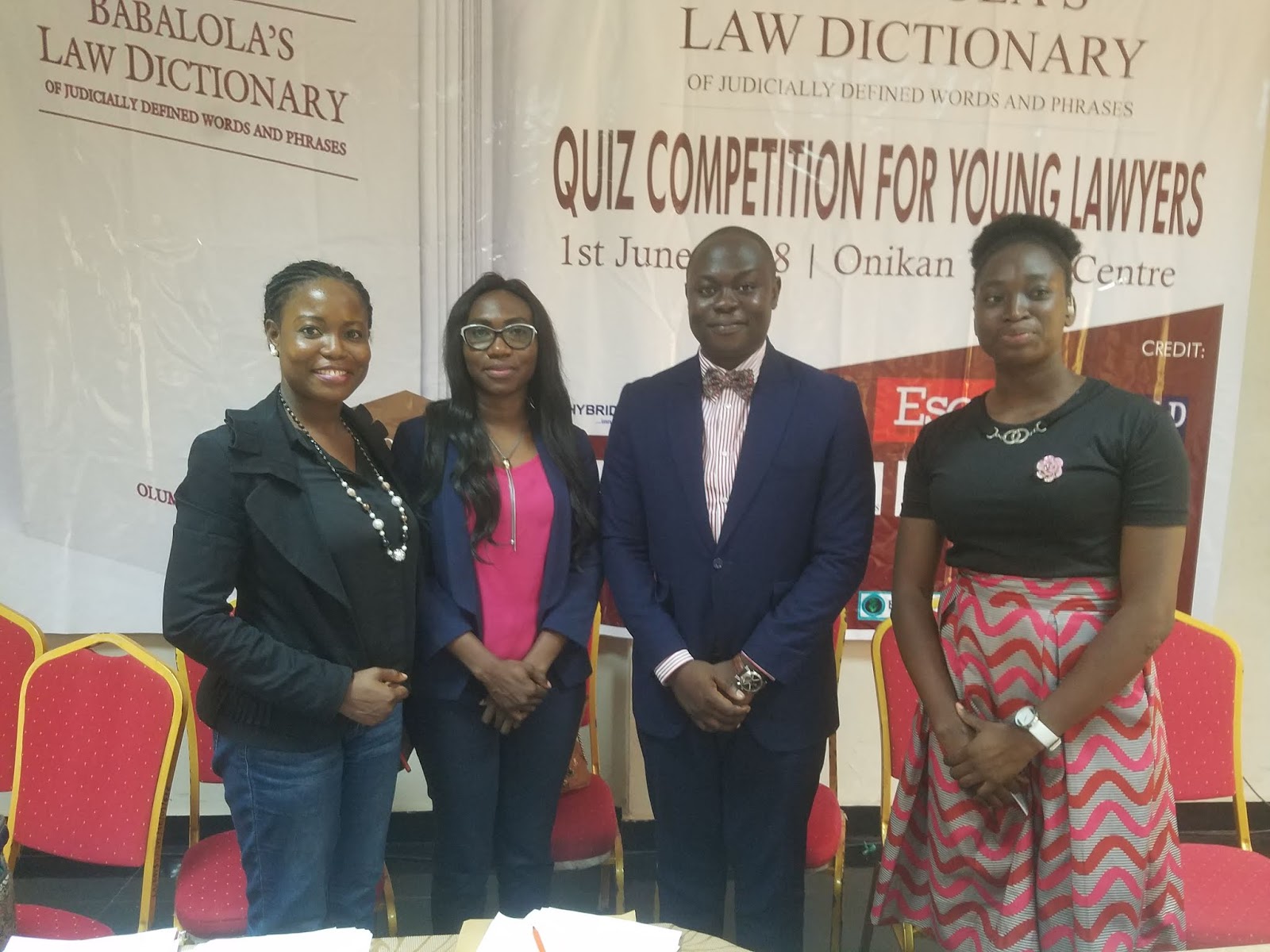
The competition judges were Faruq Abbass, (managing partner of Abdul Salam & Co.); Mofesomo Tayo-Oyetibo Of Tayo Oyetibo LP; Issa Adedokun, former Chairman NBA YLF Ikeja; Ope Odejayi (Mrs) (Legal officer at CBN); Omolade Lawal (From Lawpavilion); Adedunmade Onibokun (publisher of LegalNaija blawg); Busola Ajala (Legal officer at 9Mobile) and Faith Obafemi (Blockchain and crypotcurrency Lawyer).

The event which is billed to be an annual affair had all the contestants smiling home with FWLR Law reports and practice books donated by Mr. Bimbo Atilola of Hybrid Consult, Mr. Taiwo Kupolati Of Renaissance publishers and Mr. Lere Fashola of Legal Blitz Ltd (Publishers of Esq. Magazine).

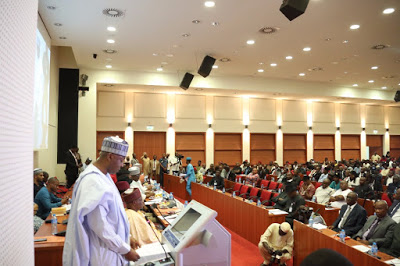
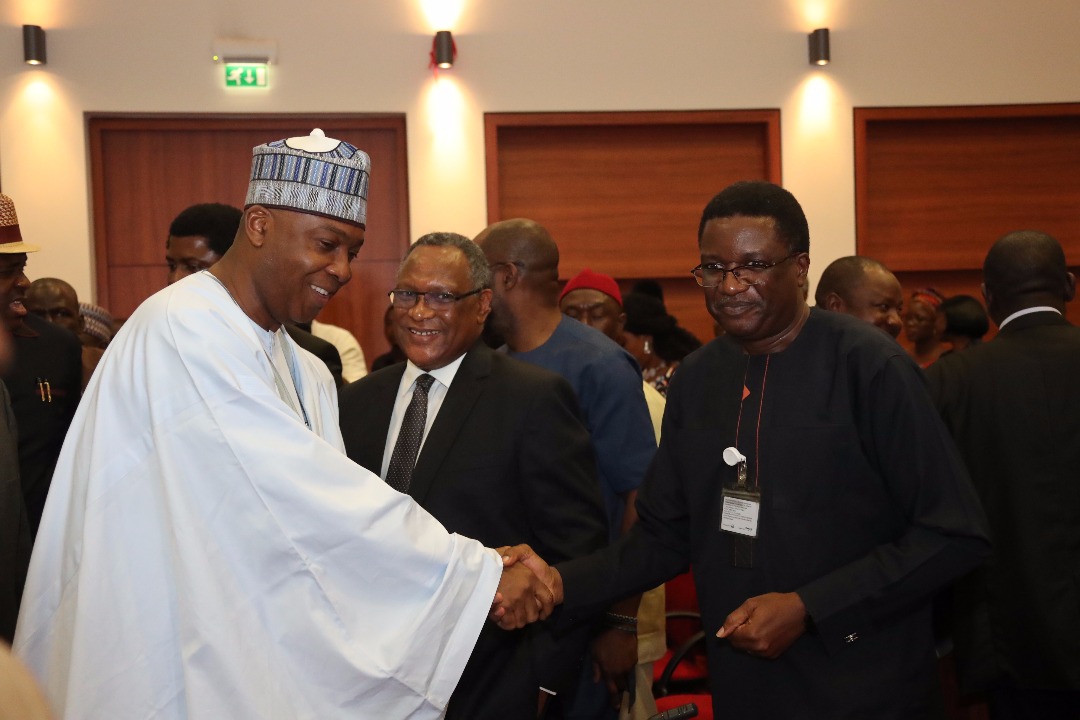
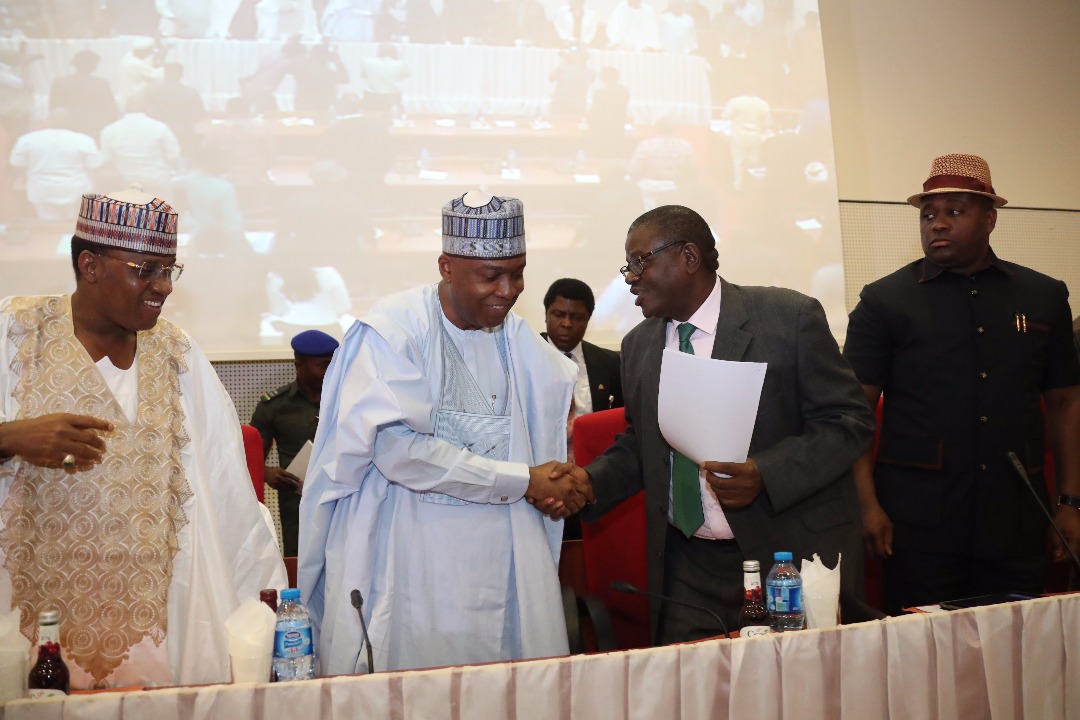
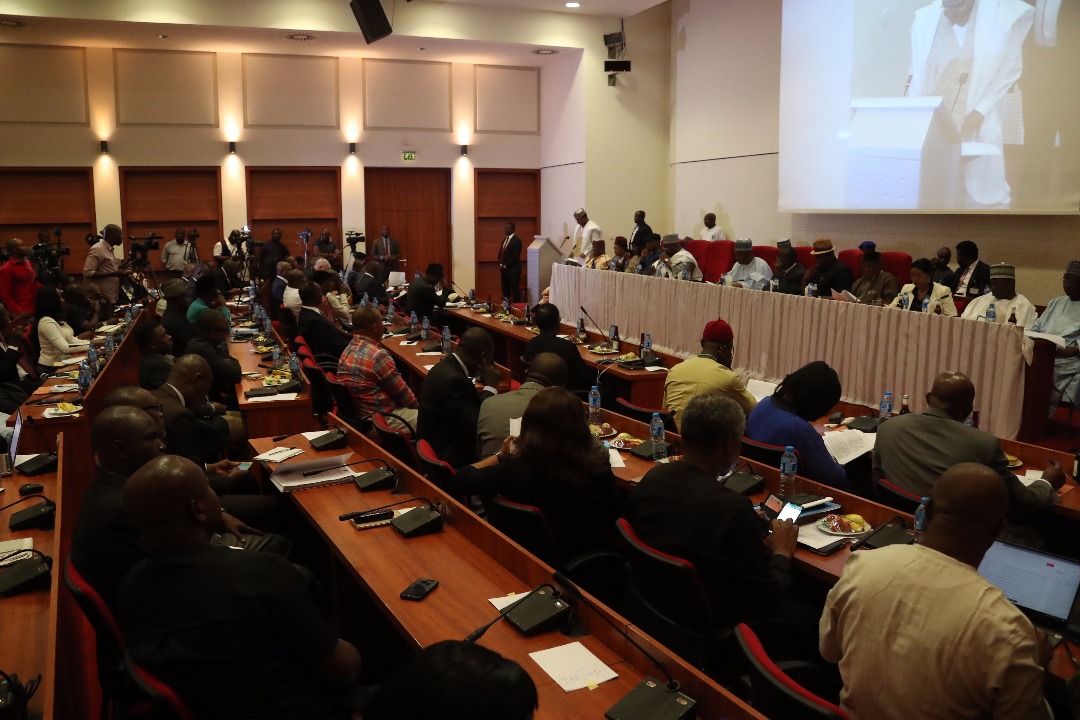
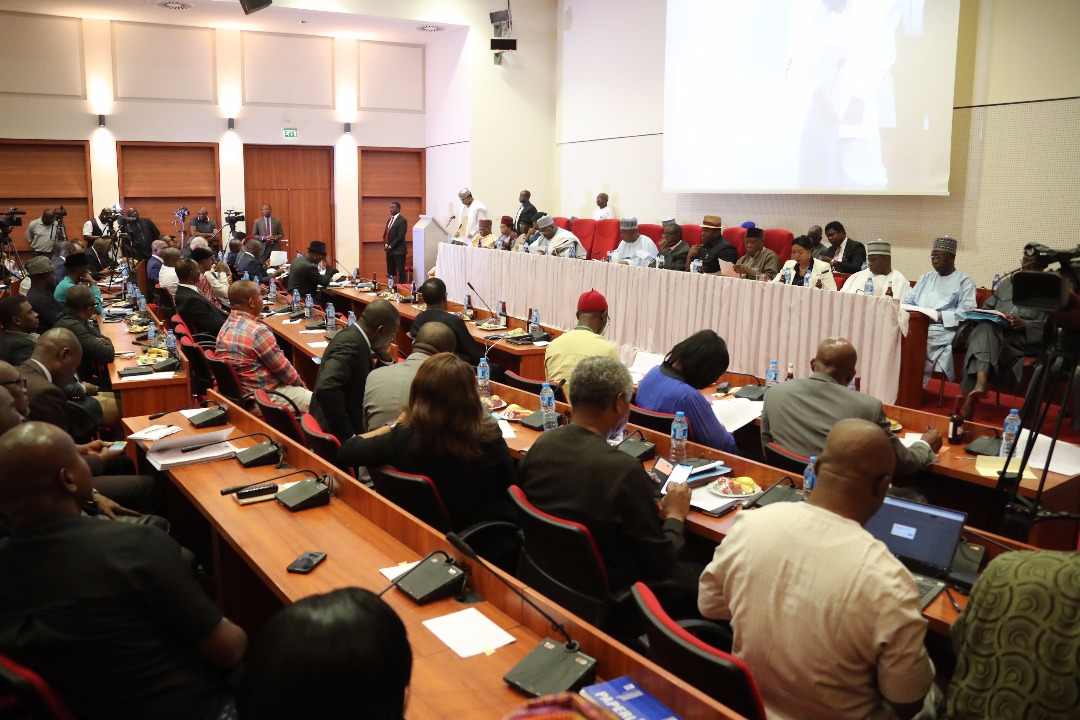
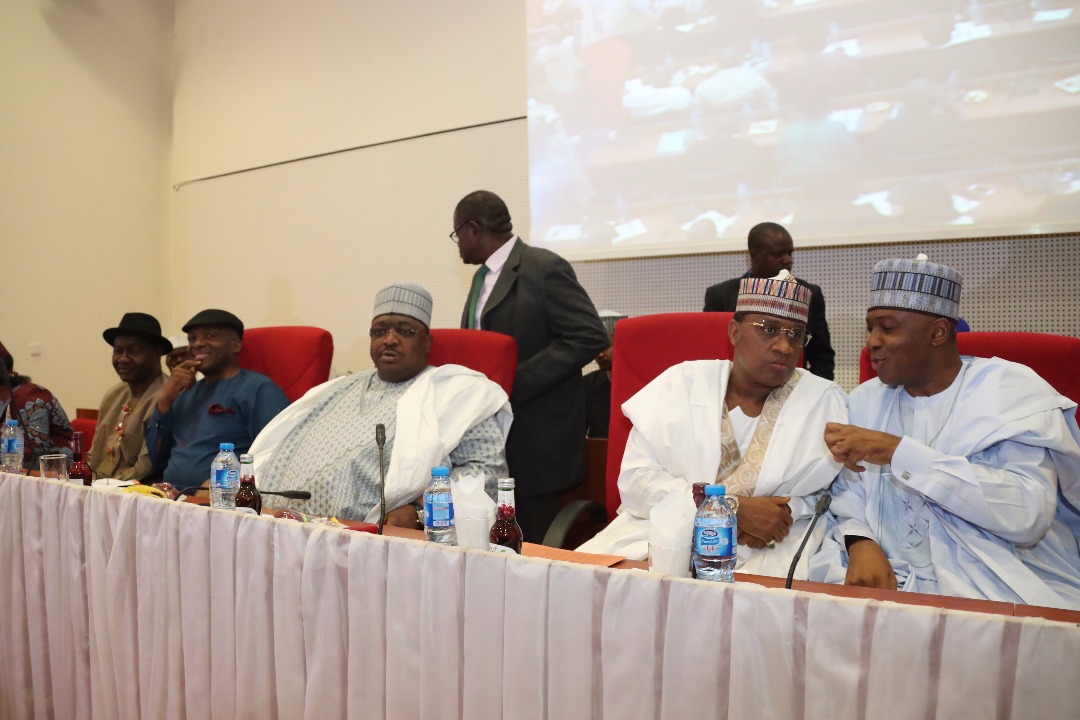
Photos – Public Hearing of the Petroleum Industry Bills

Photos – Public Hearing of the Petroleum Industry Bills

                              
OPENING REMARKS BY THE PRESIDENT OF THE SENATE OF THE FEDERAL REPUBLIC OF NIGERIA, HIS EXCELLENCY, (DR.) ABUBAKAR BUKOLA SARAKI, CON, AT THE 3-DAY PUBLIC HEARING ON THE PETROLEUM INDUSTRY BILLS, HELD AT THE NATIONAL ASSEMBLY COMPLEX, ABUJA – JUNE 4, 2018.

 PROTOCOL.
1.      It is my pleasure to welcome you all to this 3-Day Public Hearing organised by the Senate Committee on the Downstream Petroleum Sector for the consideration of the Petroleum Industry Bills.
2.      Specifically, this Public Hearing seeks further input on: the Petroleum Industry Administration Bill 2018; the Petroleum Industry Fiscal Bill 2018; and the Petroleum Host and Impacted Communities Bill 2018. Together, the Bills are part of a combo that was virtually comatose for over a decade as the Petroleum Industry Bill (PIB), before we took the radical approach of breaking the single Bill into workable parts, for greater ease of passage into law.


3.      As some of you may recall, the 8th Senate had promised to set in motion an agenda for the comprehensive reform of the Nigerian oil and gas industry, and to do so through an unbundled package of Bills. Our reform agenda is driven by the need to overhaul a system that has led to corruption being endemic in the petroleum industry.

4.      We are also motivated by the desire to usher in an internationalised framework that allows Nigeria to compete globally in terms of this industry. This would lead to the development of the local market; and the efficient use of this depleting resource, the ebb and flow of which have been so indelibly tied to the economy of the country. It is high time we stabilised the system, and to stabilise it for good.

5.      With all this in mind, we took two critical decisions when we commenced work in the 8th Senate in 2015:
i.                   The first was to split the Petroleum Industry Bill (PIB) into five (5) Bills, namely: the Petroleum Industry Governance Bill, the Petroleum Industry Administration Bill, the Petroleum Industry Fiscal Bill, the Petroleum Host and Impacted Communities Bill, and the Petroleum Revenue Management Bill.
ii.                 The second decision was to encourage private member sponsorship of the Bills.
6.      We recently passed the PIGB but at point of harmonization review, certain minor observations were made which we immediately directed our conference committee to act on. We are hopeful to have it back on the floor for adoption in a week. It is my expectation that, when work is concluded on the trio of Bills under consideration at this hearing, the Senate will start the process on the Petroleum Revenue Management Bill, which would reshape how we utilise the resources we earn from oil and gas.
                                         
                                         
7.      Distinguished ladies and gentlemen, permit me to outline the key provisions of the Bills under consideration at this Public Hearing. The objective of the Petroleum Industry Administration Bill is to transform the administration of the upstream, midstream and downstream sectors of the Nigerian petroleum industry:
i.                   Firstly, the Bill creates a framework that will free up acreages that are not being developed by current license and lease holders, thereby creating opportunities for new investors. This will bring substantial new investment to our oil and gas industry.
ii.                 Secondly, it ensures effective management of the environment by petroleum operators and administrators.
iii.              Thirdly, it provides a framework to unleash midstream activities which will open up the market for the supply of gas and other downstream products, for economic growth. Above all, I believe the most important feature of this Bill is that it provides much needed legal backing for the deregulation of our downstream petroleum sector. 
                                        
8.      Regrettably, our existing fiscal framework for the petroleum industry is outdated. The Petroleum Industry Fiscal Bill, therefore, aims to fix the anomalies, especially with regard to our royalty and tax regimes. For instance, billions of dollars have been lost through non-invocation of provisions in subsisting laws, at those times when crude oil price crosses certain thresholds. The Bill will fix this as well as remove difficulties and uncertainties surrounding our tax assessment and collection system. Additionally, it will remove distortions created by the Associated Gas Framework Agreement; and provide comprehensive fiscal terms for the development of our abundant natural gas resources. Perhaps the most critical objective of the Petroleum Industry Fiscal Bill is that it will enhance our international competitiveness and make Nigeria a choice destination for oil and gas investors.
                                        
 9.      Last but not least, is the Petroleum Host and Impacted Communities Bill, which provides for a legal framework for the development of the petroleum host and impacted communities. It is a pan-Nigeria Bill that will cater for communities that are hosts to upstream assets, as well as significant midstream and downstream assets and infrastructure.
                                          
10. The Petroleum Host and Impacted Communities Bill is unique because it overcomes the pitfalls of past efforts; and is structured to bring funding for the development of host communities, under the direct control of the communities themselves. We expect the Bill to make for greater harmony and partnership among the various stakeholders in the sector. I urge everyone to pay particular attention to presentations by representatives of host communities.
                                         
                                        
11. In closing, let me state that the outcome of this Public Hearing is very important to our economy and to the livelihood of all Nigerians as well as the interests of investors. We have the task of delivering these Bills which, together, will enhance the growth of our oil and gas industry, modernise our fiscal system and enhance competitiveness, while creating harmony for all stakeholders. 
                                    
                                     
12. It is our expectation that, with your active participation, we will have Bills that truly reflect the aspirations of Nigerians. We have an opportunity to show that the momentous passage of the PIGB was by no means a one-off. Let us power ahead with the radical transformation of our oil and gas sector.
13. On that note, I wish you successful deliberations, as I now formally declare open the Public Hearing on the Petroleum Industry Bills.
Thank you.
THE PRESIDENT OF THE SENATE
2018 NBA Elections: Comparison of NBA Presidential Candidates Backgrounds (Part 1)

2018 NBA Elections: Comparison of NBA Presidential Candidates Backgrounds (Part 1)

With
few weeks to the expiration of the tenure of office for the President of the
Nigerian Bar Association (NBA); Mr A.B. Mahmoud SAN, the time has come to vote
among others, the next President of the Nigerian Bar Association and in accordance
with the internal zoning arrangement of the Association, the position of the
NBA President has been zoned to the Eastern part of Nigeria comprising of
Rivers, Akwa Ibom, Cross River, Abia, Anambra, Enugu, Ebonyi and Imo States. 


This
report examines and compares the respective profiles of the 4 (four) candidates,
thereby allowing lawyers, the opportunity to independently vet & select the
most capable to lead the Bar. These 4 candidates include
Mr.
Paul Usoro, SAN, FCIArb
; Prof.
Ernest Ojukwu, SAN
; Mr.
Arthur Obi Okafor, SAN FCIArb
and
Mazi
Afam Osigwe, LLM, FCIArb
. Also the information
contained in this report has been sourced from the profiles independently
released to the public domain by these candidates.

The
categories of our comparison include –


i.                  
Candidate
Background/Active Law Practice 


ii.               
Welfare Support for young
lawyers


iii.             
NBA Activities


iv.             
Advocacy Experience &
Skills


v.                
Corporate Governance &
Leadership


vi.             
Law Reforms


vii.          
Papers Presented &
Scholarly Works

It
is trite that the President of the Bar Association must not be selected merely
by whims but by careful examination of the Candidates. The next President of
the NBA must have the qualities of an exemplary leader and a rich background of
legal advocacy and competence; he also must be honest; have a passion for the
welfare of lawyers and quite knowledgeable in corporate governance. It is also
most important the next president of the Bar understands finance and how to
open Nigerian lawyers to more international and local opportunities. 


The
big question however remains “who is the right candidate to lead the Bar
Association? 

This first part shall be examining the Background and Active Law Practice of all four (4) Presidential Candidates, Please find same below –

BACKGROUND AND ACTIVE LAW PRACTICE


PAUL USORO, SAN

1.       Born on 07 September 1958.

2.       Bachelor of Laws, 1981 from the
University of Ife, Ile-Ife (now Obafemi Awolowo University) Osun State,
Nigeria.

3.       Called to the Nigerian Bar in 1982.
4.       Senior Partner and founder of Paul Usoro
& Co (PUC).

5.       PUC is a top commercial law firm founded
in 1985 in Kaduna. Now headquartered in Lagos with offices in Abuja and Uyo.

6.       Firm employs over 38 lawyers excluding
corpers.

7.       Notary Public from 23 June 2003.
8.       Heads the Advocacy and Dispute Resolution
Practice Group and the Communications Section of the Firm.

9.       Fellow of the Chartered Institute of
Arbitrators. 2001

10.     Elevated to the Inner Bar as a Senior
Advocate of Nigeria in 2003.

11.     Attends International Bar Association
Conferences

12.     Attends Nigerian Bar Association
Conferences

13.     Actively participated in the activities of
the Nigerian Economic Summit Group.

14.     Paul was Awardee of the Corporate
Governance Rating System (GCRS) “Rating Certificate” by the Board of the
Nigerian Stock Exchange and The Convention on Business Integrity. February
2018.

15.     He has acquired leadership, finance and
corporate governance skills from the executive trainings in world’s top
institutions attended over the years some of which are listed below:


       Making Corporate Boards More Effective,
Harvard Business School, Boston, USA (November 2014),

       Audit Committees in a new Era of
Governance Harvard Business School, Boston, USA, (July 2013),

       Leadership Best Practices, Harvard
Business School, Boston, USA, 
       Finance for Executives Program at the
Fontainebleau Campus of INSEAD, France (April 2017) and,
       Finance and Accounting for the
Nonfinancial Executive, Columbia Business School in New York, USA (March 2018).


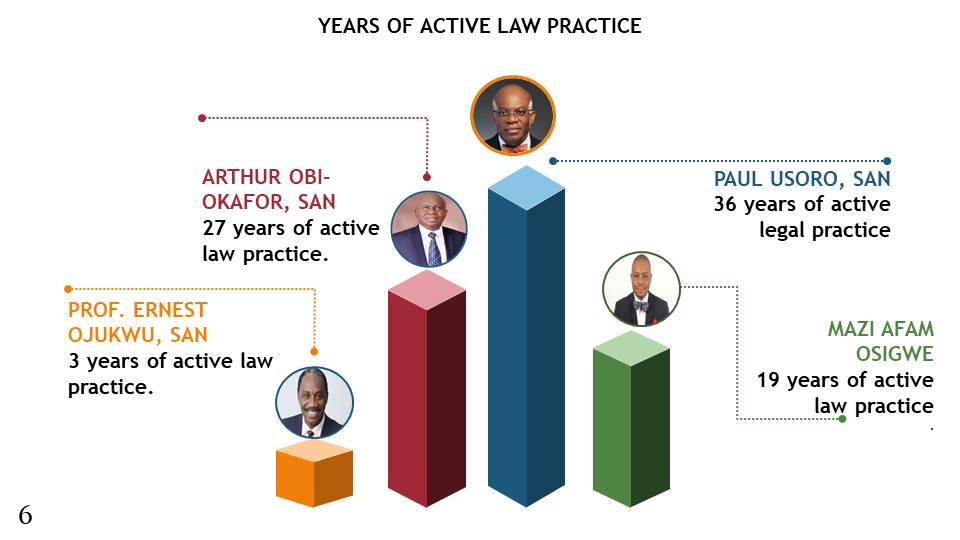
16.     36 years of active legal practice


PROF. ERNEST OJUKWU SAN

1.    
Born on September
23 1960.

2.    
He attended the Methodist
College, Uzuakoli and Government College, Umuahia.

3.    
Bachelor of Laws and Master of Laws Degrees
in 1983 and 1987 respectively from Obafemi Awolowo
University, Ile-Ife where he received the

4.    
Called to the Nigerian Bar in 1984.
5.    
Elevated to the Inner Bar as a Senior Advocate of Nigeria on 12 July 2014. 
6.    
In 1988, he established Eleuthera Chambers
with his friends.

7.    
Former Deputy Director General, the Nigerian Law School,
Augustine Nnamani Campus, Agbani Enugu.

8.    
Associate Professor and Dean Faculty of Law, Abia State University, Uturu from
1995-2001.

9.    
Partner at the Law Firm of Ojukwu, Faotu and Yusuf (OFY Lawyers).
10.
 1985 –
2016 (Law Lecturer in academic institutions)
11.  3 years of active law practice.


ARTHUR OBI-OKAFOR, SAN

1.  Born on the July 18 1965.

2.  First school leaving
certificate from all Saints Primary School, Onitsha, Anambra state, in 1976

3.  Secondary
school education at St. Joseph’s Secondary School, Awka-Etiti in Anambra State
where he obtained his West African School Certificate in 1981.

4.  1984,
Ordinary Certificate in Business Administration at School of Accountancy and
Business Studies, Uyo, Cross River State (an affiliate of Calabar Polytechnic
at that time); now Uyo City Polytechnic in Akwa Ibom State.

5.  Bachelor
of Laws degree in 1990, from the University of Calabar.

6.  Called
to the Bar in 1991.

7.  Established
the law firm of Arthur Obi Okafor & Associates in 1995.

8.  Elevated
to the Inner Bar in 2010.

9.  27 years of active law
practice.


MAZI AFAM OSIGWE

1.       Born on 25 of October 1972.
2.       Attended Dennis Memorial Grammar School,
Onitsha.

3.       Studied law at the University of Nigeria,
Enugu and graduated in 1997.

4.       Called to the Nigerian Bar in September
1999.

5.       In 2002 founded his firm, the Law Forte
(Legal Practitioners, Corporate Consultants and Notary Public).

6.       Notary Public in 2006.
7.       Master of Laws Degree (LL.M), from the
University of Jos in 2010

8.       Master of Laws (LLM) from the Centre for
International Legal Studies, Austria (in collaboration with the Lazarsky
University, Poland).

9.       Diploma in International Commercial
Arbitration.

10.     Fellow of the Chartered Institute of
Arbitrators (UK) in 2011.

11.     Fellow of the Nigerian Institute of
Chartered Arbitrators in 2017.

12.     Member, International Bar Association.
13.     Member, Nigerian Institute of Management.
14.     Associate Member, American Bar Association.

15.     Member, Institute of Chartered Mediators
& Conciliators.

16.     19 years of active law practice.

Over the next few days, we
would be sharing other comparisons between the profiles of the NBA Presidential Candidates. Kindly read, evaluate
all contestants and share.
YOU MAY ALSO DOWNLOAD THE FULL REPORT HERE

@LEGALNAIJA 
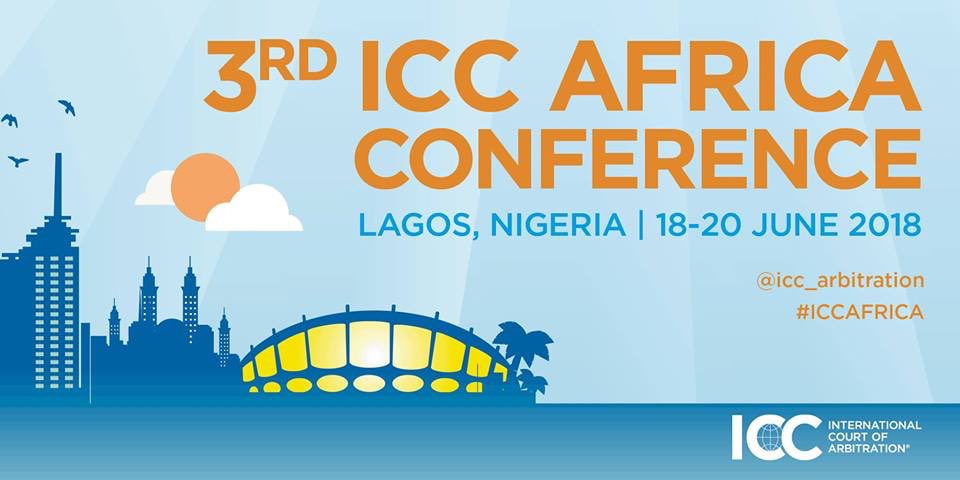
15 countries to show presence at 3rd ICC Africa confab holding 18th to 19th of June, 2018

15 countries to show presence at 3rd ICC Africa confab holding 18th to 19th of June, 2018

Fifteen
countries to show presence at 3rd ICC Africa confab
…to hold 18th to 19th of June, 2018

 Not less
than 350 participants representing about 15 countries will be present at the
3rd International Chambers of Commerce (ICC) Africa Conference on International
Arbitration which is scheduled to hold on Monday June 18th and Tuesday 19th,
2018 at the Civic Centre, Ozumba Mbadiwe Street, Victoria Island, Lagos.

The
conference is an annual event at which the African arbitration community
updates itself on developments in the region and is also a great opportunity
for participants to network and develop excellent business and professional
relationships.

Aelex Partner, Funke Adekoya, SAN who is also the chairperson of
the conference said the conference, which is the most important gathering for
the African arbitration community will provide invaluable updates on
developments in the region, during a series of panel discussions with a faculty
of prominent speakers and thought leaders.

According
to her, ICC’s annual Africa conference, held in English and French, is the key
forum for understanding international commercial arbitration in Africa.

“This
conference provides an indispensable update on developments in the region and
is becoming the most important gathering for the African arbitration community.
Not only does it offer a line-up of top-class speakers, topical discussions and
relevant news, but also an excellent opportunity to network,” Adekoya said.

The event
will kick off on Monday 18 June 2018, with a session focusing on, ICC
Arbitration: Innovation on the Basis of the Tradition for Quality. This will
introduce the latest strive of the ICC International Court of Arbitration for
enhancing time and cost efficiency to a fast track arbitration for smaller
claims while ensuring fundamental quality features.

Another
session will focus on Clause and Effect: Seating your Arbitration in Africa.
This session will discuss how African jurisdictions have responded to the
requirements of an arbitration friendly environment and its impact upon
arbitration on the continent.

In
addition to these, there will be an engaging session on International
Arbitration Awards: First Bus Stop or Last Station. Panellists will discuss
this topic against the backdrop of domestic and international legislation, conventions
and proposed initiatives.

Another
engaging session focusing on Africa Rising – Stemming the Flight of Arbitral
Disputes, will stress on attendant issues resulting in the delocalisation and
flight of arbitral disputes from Africa.
 

Panel
Discussions on this session will include identification and discussion of
attendant factors that weigh against seating arbitrations in African
Jurisdictions. Panellists will offer perspectives and bring their individual
jurisdictional experiences to bear on discussions and explore how the
challenges can be surmounted, if not eliminated, so that arbitration can take
its rightful role as a Catalyst for economic growth in Africa.

After the long day of impactful activities, the day will end with
a cocktail.

Tuesday 19 June 2018 will kick off with a session focusing on
Supporting the Arbitral Process. This session will consider and identify the
various bodies which support arbitration and the entire arbitral process.

Speakers
will discuss the significant role the State plays in arbitration by providing
enabling legislation that validates and legitimizes arbitration. The
Judiciary’s role during the arbitral process regarding issues such as challenge
of arbitrators, interim measures and enforcement of awards will also be
discussed. The role played by arbitral institutions will also be examined.

It is
expected that the outcome of the session will be an identification of whether
arbitration in Africa receives sufficient support and also proffer any
suggestions on how arbitral process can be better supported.

There
will also be panel discussions on the session Arbitrability in Africa: New
hopes or Lost Opportunities. Discussions on this session will focus on whether the
approaches to arbitrability taken by African jurisdictions give rise to new
hopes (increased use of African seats) or lost opportunities (reluctance to
arbitrate in African jurisdictions).

Participants
are in for an interesting session on ECOWAS Energy Protocol “Reality or Mirage”
as panel discussions on this session will focus on the effectiveness and/or
potential impact of the Protocol on energy related disputes in the West African
sub region.

In a bid
to understand the damages tool being developed by the ICCA-ASIL Damages Task
Force which allows everyone easy access to complex damages analysis, there will
be a session focusing on Damages tools – Globalizing the Analysis of Damages.

During
this interactive session, distinguished legal and economic experts will explain
the tool and demonstrate how it works by illustrating the lifecycle of a
damages case, before asking the audience for feedback.