by Legalnaija | Mar 31, 2026 | Blawg

Vacancy: Associate Counsel (Commercial Litigation)
Experience Level: 4-7 Years Post-Call litigation
Location: Dolphin Estate, Ikoyi, Lagos
Employment Type: Full-Time
Role
We are seeking an experienced Litigation Associate Counsel with a strong commercial law background to join
our firm. Applicant should be organized, smart, detail-driven, confident in Court and capable of handling
complex commercial disputes with minimal supervision.
Key Responsibilities
● Represent clients in commercial litigation matters before various Courts and tribunals.
● Draft, review, and file pleadings, written addresses, affidavits, motions and other legal documents.
● Conduct legal research and prepare well-reasoned opinions on commercial law issues.
● Manage case files, develop litigation strategies, and provide legal advisory services.
● Attend court proceedings, client meetings, arbitration sessions and settlement negotiations.
● Interpret laws, rulings and regulations to provide accurate legal guidance.
● Liaise with external Counsel, regulatory bodies and key stakeholders where necessary.
Requirements & Qualifications
● LL.B and B.L from accredited institutions.
● 4-7 years post-call litigation experience, with proven expertise in commercial law.
● Strong understanding of commercial transactions, contract disputes, regulatory compliance and
corporate litigation.
● Demonstrated ability to draft high-quality legal documents and manage cases independently.
● Excellent written and verbal communication skills.
● Strong advocacy and Courtroom presentation skills.
● Ability to work under pressure, manage deadlines and multitask effectively.
● High level of professionalism, integrity and attention to detail.
● A polished and well-groomed appearance and presence is required and an added advantage
Preferred Skills
● Experience with arbitration or alternative dispute resolution (ADR).
● Research proficiency and strong analytical ability.
● Client-facing skills and the ability to maintain strong professional relationships.
How to Apply
Interested candidates should send their CV and a short cover letter to litigationjobs2026@gmail.com with
the subject line: “Application – Associate Counsel (Commercial Law)”.

by Legalnaija | Mar 29, 2026 | Blawg, Uncategorized

WHEN INCLUSION BECOMES EXCLUSION: A GOODWILL MESSAGE FROM MR LATEEF OMOYEMI AKANGBE, SAN TO THE MEMBERSHIP OF THE NIGERIAN BAR ASSOCIATION WOMEN FORUM (NBA-WF) ON THE OCCASION OF THE FORUM’S 2026 ANNUAL GENERAL CONFERENCE TAKING PLACE IN KANO STATE AND A NOTE ON THE NBA-WF LEADERSHIP’S DECISION TO SHUT OUT MALE PRESIDENTIAL ASPIRANTS
1. It is with utmost delight that I congratulate the membership of the Nigerian Bar Association Women Forum (NBA-WF) on the occasion of their Annual General Conference taking place in the ancient city of Kano from 27 March 2026 to 1 April 2026.
2. While I had looked forward to participating in at least one of the high-level intellectual panel sessions lined up by the organising committee, as has become the convention, I was regrettably denied that privilege by the leadership of the NBA-WF. Nevertheless, I wish the membership of the NBA-WF a very fruitful Conference and I will attend the Conference and contribute to the success of the Conference in other ways possible.
3. The Theme of this Year’s Conference “Time to Gain: Building a Culture of Leadership, Legacy & Support” is as timely as it is important. The importance of the Forum, which is the umbrella body of the foremost professional membership association in Nigeria and the most influential network of legal practitioners in Africa cannot be overemphasised. At a time when the wider Nigerian society is earnestly yearning for quality leadership in every facet of our national life and for champions to address the societal ills that continue to plague our society, the 2026 Annual General Conference of the Forum could not have come at a better time.
4. It is precisely because of the above reasons that I am constrained to call out the highly unusual and deeply troubling actions of the present leadership of the NBA-WF in excluding all male aspirants to the office of the President of our noble Association from participating in panel sessions at the 2026 Conference.
5. I must of necessity state that the opportunity to speak as a panelist at the general conference of the NBA as well as those of the various Branches, Fora and Sections of the NBA is not a legal orenforceable right but at the discretion of the applicable organisers; the invitation is merely a privilege that should not be taken for granted. However, it has become conventional to invite aspirants to the different elective offices of our Association, especially the office of the President at such events. I therefore took it for granted that all aspirants to the office of the President of our noble Association would be invited to participate in panel sessions at the 2026 Conference.
6. As the dates for the 2026 Conference drew near, I was initially concerned when I did not receive an invitation, but my concern turned to profound dismay when I confirmed that the leadership of the NBA-WF had decided to depart from convention and exclude all male Presidential aspirants from participating in panel sessions at the 2026 Annual General Conference of the NBA-WF, a decision that is without justification and which undermines the very democratic ethos that the Forum undoubtedly upholds.
7. It is instructive to add that the NBA-WF is not an independent body without affiliation to the NBA. The NBA-WF is a Forum of the NBA and a vital part of the Association whose aims and objectivesinclude commitment to upholding the principles of democracy and the rule of law in Nigeria. Additionally, whoever emerges as the President of the NBA will be the President of the Association alongside all Branches, Fora and Sections. The Annual General Conference of the NBA-WF therefore provides the Forum and its members with a veritable opportunity to draw from the experience of a diverse array of speakers including Presidential aspirants who utilise the opportunity to further consult and receive firsthand feedback on the issues plaguing the various Branches, Fora and Sections of the Association. Regrettably, by its present actions, the leadership has chosen to deprive the Forum’s membership of this invaluable opportunity.
8. Putting it starkly, the leadership of the NBA-WF has, by this singular act, denied the conference delegates and the generality of the membership of the Forum the opportunity to “gain newperspectives and strengthen their collective legacy.” This is a deliberate affront to the ideals of inclusivity and democratic participation that the NBA-WF has historically championed.
9. I wish to place on record that I have received phone calls and messages from a wide range of discerning members of the Forum who were deeply uncomfortable with the actions of the leadership. The groundswell of concern is unmistakable. I am therefore gratified to note that the general membership is not aligned with the leadership on this critical issue, and I respectfully urge the leadership to take heed.
10. As the Conference begins today, let me once again congratulate the membership of the NBA-WF on the occasion of their Annual General Conference and wish them fruitful deliberations. I trust that the leadership will reflect on this and that this episode will serve as a learning curve for us to do better for the sake of posterity and the enduring credibility of the Forum.
See you in Kano State.
27 March 2026
LATEEF OMOYEMI AKANGBE, SAN, FCIArb (UK) Former Chairman, NBA Lagos Branch

by Legalnaija | Mar 25, 2026 | Blawg

Introduction:- Cryptocurrencies, blockchain-based payments,tokenized assets, and digital securities remain one of the most disruptive innovations in the world of 21st century finance, especially in Nigeria where it led to unprecedented levels of financial inclusion and truly borderless transactions, creating new business opportunities & possibilities as well as pushing the boundaries of decentralized banking & finance.
But these innovations also came with unprecedented levels of problems not seen in the field of compliance & financial/economic crimes , ranging from advanced methods of Terrorism-financing, the safe keeping of the financial proceeds of crime far beyond the reach of regulatory agencies, and major uninsured losses to victims of uncontrolled trading of highly volatile cryptocurrencies and tokens usually pegged to no real-world assets.
This necessitated the need for regulatory control of digital & virtual assets (including cryptocurrencies) as well as regulatory licensing & oversight of businesses engaged in digital & virtual assets services, which in Nigeria, falls under the jurisdiction of the Securities & Exchange Commission (SEC), charged by virtue of the Investments and Securities Act (ISA) 2025 & its updated SEC Rules On The Issuance, Registration & Custody Of Digital Assets 2022.
This article will be focused on highlighting:-
a). The classes of digital & virtual assets/crypto business licenses currently available in Nigeria.
b). The licensing process & requirements for these business licenses.
c). The cost & time implications of procuring these business licenses.
d). Alternative licensing options for techpreneurs seeking to engage in the business of rendering virtual & digital asset /crypto services in Nigeria.
What are the business licenses currently available for digital & virtual asset/crypto service providers in Nigeria?
The SEC currently provides the following business licenses for digital & virtual asset/crypto service providers in Nigeria:-
- a) .Digital Asset Exchange (DAX) Licenses :-
– A DAX is an online platform for the facilitation of trading in virtual and digital assets.
– A DAX is regulated by the Securities and Exchange Commission (SEC) and comes with a minimum share capital requirement of 2 (Two) Billion Naira.
b). Digital Asset Offering Provider (DAOP) Licenses :-
– DAOPs are digital platforms licensed by the SEC for the purpose of serving as a platform for digital asset offerings in the form of ICOs or Initial Coin Offerings.
– DAOPs carry a minimum share capital requirement of 1(One) Billion Naira.
c). Digital Asset Custodians (DACs) :-
– DACs are companies licensed by the SEC to be engaged in the safekeeping of digital assets invested in ICOs in a manner similar to traditional Custodian companies.They come with a share capital requirement of 2(Two) Billion Naira.
d).“VASPs” or Virtual Asset Service Providers which are defined in the guidelines as platforms that conduct of behalf of other parties :-
- a) exchanges between Cryptocurrencies and Fiat currencies;
b). exchanges between virtual assets;
c). the transfer of Virtual assets;
d). the safe-keeping of Virtual assets;
e). the provision of financial services related to an issuer’s offer or sale of a virtual asset.
This category has now been modified into an Ancillary VASP (AVASP) license, which as a license covers providers of digital asset non-custodial services such as crypto wallet services .This license category comes with a share capital requirement of 300 (Three Hundred) Million Naira.
e). Digital Asset Platform Operator (DAPO) Licenses :- This applies to businesses that own platforms for the offering & issuance of newly minted digital assets & also include token issuers themselves. This license category carries a minimum share capital requirement of 500 (Five Hundred) Million Naira.
f). Digital Asset Intermediary (DAI) Licenses:- This license applies to digital asset brokers, portfolio managers & digital investment advisors and carries a minimum share capital requirement of 500 (Five Hundred Million) Naira.
g). Real-World Assets Tokenization & Offering Platforms (RATOP) Licenses :- This license category applies to businesses involved in the tokenization of “real world” or physical assets like real estate & carries a minimum share capital requirement of 1 (One) Billion Naira.
What is the licensing process for procuring any of the licenses mentioned above?
SEC licensing for digital asset/crypto service providers in Nigeria typically involves going through 2 processes known as :-
a). The SEC Regulatory Incubator (RI) Sandbox :- For new crypto start-up businesses offering innovative blockchain-based services that require controlled testing & observation by the SEC. Admission into this sandbox typically lasts a year.
b). The Accelerated Regulatory Incubator Program (ARIP):– For crypto service businesses already in operation before the SEC 2022 rules & are just seeking formal registration with the SEC. Admission into this sandbox typically lasts up to 12(Twelve) months.
What are the eligibility & other requirements for admission into the RI and ARIP programs?
Admission into the RI and ARIP incubation programs are open to :-
a). Nigerian companies or companies licensed by an overseas securities operator (MISA registration in Europe for example). This means foreigners or foreign businesses seeking SEC licensing will have to register foreign-owned Nigerian companies with the Corporate Affairs Commission (CAC) and procure Certificates of Capital Importation (CCI). The CEO or managing director of an applicant company must be resident in Nigeria.
b). Businesses offering innovative products, solutions, technologies or services to the Nigerian capital market (the SEC regards digital assets & tokens as securities or digital interpretations of real life value or money demand similar to shares as debt instruments).
Admission requirements into the RI and ARIP include:-
a). Submitting an admission assessment form to SEC with an assessment fee of 50,000.00 Naira for the RI & 200,000.00 Naira for the ARIP.
b). Evidence of shareholders funds.
c). A 25% fidelity bond .
d). 4 (Four) sponsored individuals representing the company.
e). A processing fee of 2 million Naira (for ARIP admission only,not the RI).
f). Proof of registration with the Nigerian Financial Intelligence Unit (NFIU).
g). A letter of “no objection” from other sectoral regulators if applicable.
h). Company incorporation documents.
i). An end-to-end schematic illustration of the applicant company’s proposed business operations or product operation(especially for RI admission).
Note that with admission into the RI, the SEC has the power to issue a discretionary waiver of the rules for applicants with products that might be deemed particularly innovative.
Does this mean P2P (Peer-to-Peer) crypto trading is now illegal in Nigeria?
No,P2P trading for now hasn’t been rendered illegal by the SEC Rules yet. But facilitating P2P trading for a fee would be deemed by the SEC as running an unlicensed crypto business and can attract serious penalties.
What if I decide to run an unlicensed crypto/digital & virtual asset business under the radar without the knowledge of the SEC?
If caught, this can attract a fine of at least 10-20 Million Naira, minus the possibility of imprisonment of 5-10 years & asset forfeiture.
I’m a start-up techpreneur involved in crypto business services, but I simply can’t afford the share capital requirements required by the SEC in order to gain admission into the RI or ARIP. I’m even currently bootstrapping. What can i do as an alternative licensing measure to avoid getting into trouble with the SEC?
Start-up techpreneurs have the following alternative licensing options, but they’ll first need to consult a lawyer to determine the viability of these options, most of which are still under regulatory control:-
1). Strategic partnership with SEC-licensed crypto businesses via umbrella agreements.
2). Seeking alternative SEC licensing as digital, corporate, or individual sub-brokers or crowdfunding intermediaries (with a minimum share capital requirement of 10-200 million Naira) and then entering digital asset service partnership agreements with SEC-licensed crypto businesses.
3). Seeking more affordable Central Bank of Nigeria (CBN) licensing as payment gateways for crypto service companies focused on the facilitation of fiat payments (this carries a minimum share capital of at least 100 million Naira as prescribed by the CBN). Umbrella agreements are also possible with CBN licensing.
Emmanuel Ifeanyi Ogbuka, Esq, a lawyer and legal consultant, writes from Lagos,Nigeria.
Phone:- +2347011261897
Email:- ogbukalegal@outlook.com
***PLEASE NOTE****:- This article is strictly for informative purposes and neither constitutes legal advice nor prohibited advertising as prescribed by the Rules Of Professional Conduct For Legal Practitioners In Nigeria.

by Legalnaija | Mar 25, 2026 | Blawg

Introduction:- Digital consumer lending has come a long way in Nigeria, starting from the introduction of Microfinance Banks (MFBs) and lending companies that evolved from one-man money-lenders that in some cases acted as glorified loan sharks, to money lending licenses governed by state governments, to loan apps operated by Nigerian & foreign-owned companies that sometimes engaged in business practices that by today’s standards, were quite very unfair and downright illegal.
Digital consumer lending is simply the business of licensed money-lenders rendering consumer lending services through the means of digital loan web or mobile applications, which means that in order to own a digital lending platform (be it a website, USSD service, or app) operational in Nigeria, 2-tier licensing must be obtained, first from the relevant state government in the state where the intending money-lender is located, and then from the Federal Competition & Consumer Protection Commission (FCCPC), the government agency tasked with granting licensing to digital lenders in Nigeria.
This article will be looking at:-
1). Eligibility requirements for licensing as digital lenders in Nigeria.
2). The cost & time implications of securing digital money-lending licensing in Nigeria.
3). The validity of digital lender licensing grants in Nigeria.
4). The relevant FCCPC regulatory requirements where lending partnerships are formed for the purpose of rendering consumer lending services in Nigeria.
What is the major regulatory provision governing FCCPC licensing of digital lenders in Nigeria?
The FCCPC exercises its jurisdiction over the licensing and regulation of digital lenders in Nigeria through its DEON (Digital, Electronic, Online/Non-Traditional) Consumer Lending Regulations.
Which companies are eligible to secure digital lending licensing from the FCCPC?
FCCPC licensing is open to companies that have already obtained money-lending licenses from their respective state governments as other non-lending financial service companies (like Mobile Money Operators or MMOs)licensed by other sector regulators like the Central Bank of Nigeria (CBN).
What is the minimum share capital requirement for a money-lending company?
Money-lending companies in Nigeria carry a minimum share capital requirement of 20 (Twenty) Million Naira & 100 (One Hundred) Million Naira for foreign-owned companies .
What are the requirements for obtaining a money-lending license from states like Lagos State for instance?
Getting a money-lending license in Lagos State requires the following:-
a). A registered limited liability company with at least 2(Two) directors and relevant incorporation documents.
b). Proof of a physical office in Lagos State.
c). Police clearance for the 2 directors.
d). 3- year Tax Clearance Certificates (TCCs) or proof of tax registration of the company if it’s newly registered & its 2 directors.
e). A reference letter from the applicant company’s bank.
f). Filled & submitted magistrate forms B & C.
g). An application fee of 25,000.00 Naira.
h). A registration/license fee of 200,000.00 Naira.
i). A license renewal fee of 100,000.00 Naira.
How long does it take to get the state money-lending license?
If all documentation is complete, at least 4-8 weeks.
How long does FCCPC digital lending licensing take?
It takes a period of 30(Thirty) days from the submission of all required documentation.
What are the requirements for FCCPC digital lending licensing?
a). Filled & submitted application forms 001 & 002.
b). An application fee of 100 (One Hundred) Thousand Naira.
c). An approval/licensing fee of 1(One) Million Naira. This enables a digital lending company to have 2 separate digital loan apps.
d). An additional approval fee of 500 (Five Hundred) Thousand Naira for an extra third lending app proposed by a licensed money-lending company. A licensed digital lender is allowed to have a maximum of 5 (Five) loan apps.
e). A consumer lending services agreement where the licensed money-lending company is in a partnership with a technology services company to provide the tech infrastructure needed to provide the consumer lending services.
f). A completed data regulations compliance audit report from a Data Protection Compliance Organization (DPCO) as well as Nigerian Data Protection Commission (NDPC) clearance. These will arrest that a digital lending company will not engage in DEON violations that include accessing the call log & & reaching contacts of loan defaulters.
g). The company’s compliance policies – Anti-Money Laundering(AML/CFT) , Privacy policy, KYC Policy, & Dispute Resolution policy among others.
What is the validity period of FCCPC licensing for digital lenders in Nigeria?
FCCPC licensing for digital lenders lasts till the 31st of December of the third year from the date of FCCPC licensing approval and is required to be renewed not later than the 31st of March of the subsequent year.
FCCPC licensing renewal requires a renewal fee of 500(Five Hundred)Thousand Naira.
Can FCCPC licensing be revoked and on what grounds?
Yes, FCCPC licensing for digital lenders can be revoked on the grounds of:-
a). Violating the DEON regulations or any relevant regulation of the FCCPC.
b). Discovery of misleading or false information supplied to the FCCPC by a money-lending company at the licensing stage.
c). A money-lender acting against the interests of its consumers/platform end-users.
Revocation of licensing can also come with imposition of fines on a defaulting money-lending company.
Emmanuel Ifeanyi Ogbuka, Esq, a lawyer and legal consultant, writes from Lagos,Nigeria.
Phone:- +2347011261897
Email:- ogbukalegal@outlook.com
***PLEASE NOTE****:- This article is strictly for informative purposes and neither constitutes legal advice nor prohibited advertising as prescribed by the Rules Of Professional Conduct For Legal Practitioners In Nigeria.

by Legalnaija | Mar 24, 2026 | Blawg
1.0 INTRODUCTION
“Vincent, if the Ministry of Justice knows and finds out that you are getting their laws and making use of it and explaining them to people, won’t they arrest you?”
My mother asked me this recently. She was serious and probably scared. This comes after a recent experience bound with fears and trauma.
I laughed at first, the question seemed absurd to me but within me I realized that “it is what many Nigerians like her are meant to believe their whole life”. I had spent months inside the ministry of justice, studying their field, accompanying prosecutors to court. The law was not a secret. It was not a weapon hidden from citizens. It was… just there. Available. Public and easy to access. No limitation accessing those laws.
But then I stopped laughing.
My mother’s question revealed something painfully; most Nigerians do not know their rights, especially within the Criminal Justice system. They do not know that the law is not a mysterious tool used only by the powerful. They do not know that they have the legal right and backing to understand the process that can take away their liberty, their property, even their lives. They fear law because they do not know it. They are unaware that the law is there to protect them. Even the law that convicts and sentences a guilty person, is the same law that protects their right while in prison and out of prison. Therefore, how much more of a person who tends to read, know and make use of the law to defend his or her right.
Conclusively, this guide is my answer to my mother and every Nigerian who has ever wondered, feared being traumatized, or stayed silent or said to leave everything to God because they did not know what the law says about their rights. This guide shall give elaborate steps and guides for citizens to better understand their right within the Criminal Justice system in Nigeria while dealing with law enforcement agencies, court, prison and the outside world.
2.0 DEFINITION OF CRIMINAL AND THE CRIMINAL JUSTICE SYSTEM
Who is a Criminal?
A Criminal is a person or an individual who has committed a crime or has been legally convicted of a crime (according to Oxford dictionary).
In the context of criminology and criminal justice, a criminal is a person who has been ‘convicted’ of a crime by a reputable and competent court of law, having considered and reviewed the case and evidence brought before it. However, a person is presumed innocent until proven guilty by a competent court of law.
2.1 WHAT DO WE UNDERSTAND BY THE CRIMINAL JUSTICE SYSTEM?
The Criminal Justice System as a criminological concept of justice, is defined as the process which involves, necessitates, and initiates the ‘investigation of crime’, ‘arrest’, ‘prosecution’, and possible ‘incarceration of offenders’, as obligated and mandated by the Criminal Law of a country. (Faloye Vincent Adetomide, 2026).
The Criminal Justice System (CJS) is a triangular or circular section that defines crime and shows the steps in which the crime would be taken care of. The Criminal justice system (CJS) involves a triangular or circular relationship that exists among the ‘police’, the ‘court’, and the ‘prison’.
This shows that the Police is the first point of contact in the CJS, following the investigation and arrest of a suspect, they are charged to court.
2.2 EXPLANATION
The Police are saddled with the responsibility of enforcing the law, detecting crime, investigating crime, and arresting the offenders. The Police Act, 2020, which grants the exclusive powers of the Nigeria Police Force. The Police Act is an enabling statute that defines, describes, provides for, and spells out the operation of the Nigerian Police Force, their powers and limits. They are to operate within the limits of their constitutional and statutory roles and functions.
It is stated as follows in reference to The Police Act, 2020:
General Duties of the Police: According to Section 4, the Police shall be employed for the prevention and detection of crime, the apprehension of offenders, the preservation of law and order etc. which they are directly charged with.
Power to Investigate Crime: According to Section 31, grant the police the power to investigate crime. That is, a police officer may investigate any alleged crime.
Power to Arrest: Section 32(1), grant the police the power to make an arrest or power of arrest. Section 38(1) further made explicit that a police officer may, without an order of a court and without a warrant, arrest a suspect. However, the “without a warrant” is subject to a specific condition or circumstance set or laid out in the Police Act, Administration of Criminal Justice Act, 2015 (ACJA), and other enactments such as the Criminal Code Act.
Note: Under section 32(2) of the Police Act, “a person shall not be arrested merely (simply) on a civil wrong or breach of contract.”
In addition, under Section 7 and Section 36 of the ACJA 2015 and The Police Act 2020 respectively, provided for; “Arrest in lieu prohibited” this specifically means that ‘A person shall not be arrested in place of a suspect’. What this means is that, a family member or friend to a ‘suspect’ of a crime shall not be arrested in place of or instead of the actual suspect.
In furtherance, under Article 9 of the United Nation’s “Universal Declaration of Human Right (UDHR)”, to which Nigeria is a party, provided for the following regarding arrest; “No one shall be subjected to arbitrary arrest, detention or exile”. Therefore, in addition to this provision, under Section 35(6) of the Constitution of the Federal Republic of Nigeria, it states; “Any person who is unlawfully arrested or detained shall be entitled to compensation and public apology from the appropriate authority or person.” Thus, this further explained that no person (citizen or aliens) in the country shall be subjected to any inhuman treatment in the cause of arrest, or arrested or detained arbitrary or unlawfully without due process being followed by law enforcement agencies, and such person or aliens shall be entitled to be compensated for harm suffered including psychological and emotional harm being experienced by the person or aliens.
The Court, in its stead, interprets the law and makes the trial of the offender efficient and possible, while ensuring a fair trial (fair hearing) provided under section 36(1) of the Constitution of the Federal Republic of Nigeria, and their eventual sentencing (adjudication). The Constitution Of The Federal Republic Of Nigeria, provided for the third arms of government which is the ‘Judiciary’ of which “The Court” is summarily ascribed to and mandated with the constitutional provision and power to tried a person accused of crime and hear the charge against the person and to deliver judgement against or in favour of the accused. With such courts having a hierarchical supremacy and independent of the other arms of government. Section 230 to 284 of the Constitution, which grants the court jurisdiction and power to hear all types of criminal cases and appeals.
The Prison, also known as a correctional institution, provides the atmosphere for either punishing or treating the offender and/or possible incarceration as adjudged by the trial court.
Every modern society has a Criminal Justice System. Let us take the family as an example to substantiate our reference (parents sanctioning children), which exercises formal social control by meting out punishment to any of their deviant or recalcitrant wards. Thus, this system also shapes offenders behaviour, the police, the court, and the correctional system also contribute to the development of this system, specifically the modern age.
The system within the prison may reduce crime by giving criminals skills acquisition; on the other hand, a prison sentence could contribute to crime by creating a desire for revenge to strike back at the society. This generally depends on the kind of orientation the prisoner is subjected to while in prison.
3.0 ELEMENT OF THE CJS
The Criminal Justice System has five components, and each of it performs a key role in the Criminal Justice System in Nigeria. Each created by laws or an act of the National Assembly and the State House of Assembly.
(1) Law Enforcement:
Law enforcement officers’ takes reports of crimes that happen in their jurisdictions. These officers investigate the crime, gather evidence from the crime scene, and protect evidence from possible contamination or damage, and also protect witnesses to the crime (either the victim or a passerby). Law enforcement agencies may arrest offenders, give testimony during court process (proceedings), and conduct follow-up investigation if need be. These law enforcement or security agencies are: The Police (the most common), The Nigeria Security And Civil Defence Corps, State Security Service, Amotekun (Southwest Security Network), and The Southeast Security Network, NAPTIP, NDLEA, Nigeria Customs etc.
Note: All the above mentioned law enforcement agencies follow the same process and are bound by the same statutory and constitutional provision. In summary, all persons (citizens) including law enforcement officers are equal before the law and governed under one “Constitution”, which is the supreme law of the land. The Constitution is based on the principles of democracy, and the rule of law.
(2) Prosecution:
Prosecutors are lawyers who represent the federal, state, or local government throughout the court process, right from the first appearance of the accused in court until the accused is acquitted, convicted or sentenced, respectively. In Furtherance, under Section 174(1a) and Section 211(1a) of the 1919 Constitution of the Federal Republic of Nigeria, which grants the Attorney-general at both the State and Federal level the power to institute and undertake criminal proceedings against any person before any court of law in Nigeria.
The prosecutor reveals or presents the evidence brought to them by the law enforcement agents or officers to decide whether to file charges or drop them. In this instance, the prosecutors must prove his case ‘beyond a reasonable doubt’, by presenting strong evidence that links the accused to the said crime. As the burden of proof lies mainly on the prosecution.
In addition, the prosecutor presents evidence in court, questions witnesses and decides whether to negotiate, or enter into a ‘plea bargain’ with the defendants.
Note: Pursuant to Article 11(2) of the UDHR 1948, states that “No one shall be held guilty of any penal offence on account of any act or omission which did not constitute a penal offence, under national or international law, at the time when it was committed. Nor shall a heavier penalty be imposed than the one that was applicable at the time the penal offence was committed”. Therefore, before a person is charged or prosecuted in court for a particular offence. The said crime has to be recognized and in effect and enacted by an act of the National Assembly (NASS) or the State House of Assembly (HoS) resident in every state of the federation. Therefore, arresting and charging a person over a said offence not recognized or enacted is grossly invalid and unconstitutional.
For instance, there is no law barring a citizen or criminalizing videoing an officer during their lawful duty, (every citizen or aliens resident in a country have the right to receive and impart information and ideas through any media and regardless of frontiers, this is provided under Article 19 of the UDHR 1948). So for such to be considered a criminal offence, the NASS or the HoS have to pass such into law and ‘assented’ by the president or the state governor. Therefore, no illegal laws shall be made without passing through the due process of law and in conformity with the Constitution and international laws.
(3) Defence Attorney
The defence attorney is the accused lawyer or counsel. The defense attorney defends the accused against the government. In some jurisdictions, the defence lawyer is responsible for proving the innocence of his/her client (the accused), that means the burden of proof lies on the defendant. However, in Nigeria current practice, the burden of proof lies on the Prosecution while the defence lawyer will have the opportunity to oppose or object to any accusation or evidence brought before the court by the prosecution.
Under section 36(6c) of the 1999 Constitution of the Federal of Nigeria, provided that;
“Every person who is charged with a criminal offence shall be entitled to defend himself in person or by legal practitioners of his own choice.”
In pursuant of the above provision, they are either hired by the defendant or provided for by the government, (this is in case the defendant cannot afford the service of a personal lawyer), and therefore, they are assigned by the court through the public defendant or by Legal aid council residence in the state of the defendant. In reference to the Administration of Criminal Justice Act, 2015, Section 349(1b), state as follows;
“Where a defendant charged before the court is not represented by a legal practitioner, the court shall enquire from him, whether he wishes to engage his own legal practitioner, or a legal practitioner engaged for him by way of legal aid.”
Note: This is an important and potent process in the Criminal Justice System, the constitution has made it a general compliance and mandate, that any person who has been arrested for any offence known to the law, such person shall have the right and power to defend him or herself by any legal practitioners of his own choice. This is where the rule of law and the Criminal Procedure Act (CPA) should take effect.
The rule of law state that; there should be “supremacy of the constitution”, that is, the constitution is supreme and it is above all other human, secondly, the “equality of every person before the law”, this means for the supremacy of the constitution, every person is equal before the law and is subjected and answerable to the constitution, lastly, to ensure the “fundamental human right of citizen”; this is one of the provision of the constitution and the foremost United Nation’s Universal Declaration of Human Right (UDHR) 1948, which is directly linked to the after arrest of a suspect; ‘right to dignity of his person’, ‘right to freedom from torture or to cruel, inhuman or degrading treatment or punishment’, ‘right to have accessed to their own legal representation’.
(4) The Court:
The courts are run by judges whose role is to make sure that law is followed and oversee what happens in court and preside over a case in court. They decide whether to release offenders before the trials. The presiding judges either accept or reject plea bargaining, oversee trials and sentence guilty offenders. There are two categories of inmates. They are ‘Awaiting trial and the convicted’.
(5) Correctional Institutions (Prison):
Correctional officers supervise convicted offenders when they are in jail, prison, in the community on probation or parole. According to the Nigerian Correctional Service Bill, 2018, made for the provision of the Nigerian Correctional Service, under Section 1 and its primary goal as a correctional service in Nigeria under Section 10 (a-k).
The Criminal Justice System is incomplete without the circumstance involving the prison and or a rehabilitation centre. Under the Administration of Criminal Justice Act, 2015, Section 467(1) describes the position of a Correctional Centre (institution) in the Criminal justice system.
“A defendant convicted of an offence triable summarily may be sentenced and ordered to serve the sentence at a Rehabilitation and Correctional Centre established by the Federal Government in lieu of imprisonment.”
In some jurisdictions, correctional officers prepare, present a criminal report with extensive and detailed background information or activities about the offender to help the judges decide his or her sentence.
4.0 LEGAL TERMS IN CRIMINAL PROCEDURE
This refers to the legal documents and procedures used to initiate, conduct, and execute criminal proceedings. This includes:
(1) Warrant:
This is a legal document issued by a judge or magistrate authorizing law enforcement to:
– Conduct a search or arrest.
– Seize evidence or property.
– Make an arrest.
Warrant requires probable cause or suspicion and specificity regarding the place, person, or things to be searched, seized or arrested.
(2) Miranda Warning (Right):
This is a warning given by law enforcement to suspects before questioning or arrest, informing them of their rights, according to Section 35(2), Constitution of the FRN, Section 6(2) ACJA, Section 35, of the Police Act respectively, includes:
– The right to remain silent or avoid answering any question until after consultation with a legal practitioner or any other person of his own choice.
– The right to an attorney.
– The right to have an attorney appointed if unable to afford one.
(3) Subpoena:
This is a legal order requiring a person to:
– Testify in court or as a deposition.
– Produce documents or evidence.
Subpoenas can be issued in criminal or civil cases and must be served on the person named.
(4) Jurisdiction:
This implies the authority of a court or government to hear and decide cases based on:
– Geographic area (territorial jurisdiction).
– Subject matter (e.g., criminal, civil, family law).
– Person (jurisdiction over a specific defendant).
(5) Summon:
In the context of criminal justice and law, a summon is a legal document that orders a person to appear in court or before a legal authority. It is often used to initiate a criminal case or to require a defendant to appear in court for a specific purpose, such as:
- To answer charges or allegations.
- To enter a plea (guilty, not guilty or no contest).
- To appear for a pretrial hearing or conference.
- To testify as a witness.
A summons is typically issued by a court clerk or judge and served on the person named, usually by a law enforcement officer or a process server. Failure to comply with a summon can result in serious consequences, including not limited to;
- Arrest
- Bench warrant
- Contempt of court charges
- Forfeiture of bail or bond
5.0 BASIS UPON WHICH ARREST AND DETENTION OF CRIMINALS WILL BE LAWFUL IN NIGERIA
In Nigeria, the basis for which lawful arrest and detention of criminals is established by the Constitution and the Criminal Procedure Act are stated as follows:
(1) Reasonable suspicion or probable cause:
The police must have a reasonable belief that a crime has been or is about to be committed, and that person to be arrested is involved. For example, when there has been a report of an ongoing crime or already committed crime, likely from a witness.
(2) Warrant:
A warrant of arrest issued by a competent court, except in situations where an arrest can be made without a warrant, such as when a crime is committed in the presence of a police officer or other law enforcement officer, which is provided under Section 18(1) of the ACJA, 2015 and Section 38(1) of the Police Act, 2020 respectively.
“A police officer may, without an order of a court and without a warrant, arrest a suspect:
(a) Whom he suspects on reasonable grounds of having committed an offence against a law in Nigeria or against the law of any other country, unless the law creating the offence provides that the suspect cannot be arrested without a warrant;
(b) Who commits any offence in his presence;
(c) who obstructs a police officer while in the execution of his duty, or who has escaped or attempts to escape from lawful custody;
(d) In whose possession anything is found which may reasonably be suspected to be stolen property or who may reasonably be suspected of having committed an offence with reference to the thing;
(e) Whom he suspects on reasonable grounds of being a deserter from any of the armed forces of Nigeria;
(f) whom he suspects on reasonable grounds of having been involved in an act committed at a place outside of Nigeria which, if committed in Nigeria, would have been punished as an offence, and for which he is, under a law in force in Nigeria, liable to be apprehended and detained in Nigeria;
(g) Having in his possession without lawful excuse, the burden of proving which excuse shall lie on such person, any implement of housebreaking, car theft, firearm or any offensive or dangerous weapon;
(h) Whom he has reasonable cause to believe a warrant of arrest has been issued by a court of competent jurisdiction in Nigeria;
(i) Found in Nigeria taking precautions to conceal his presence in circumstances, which afford reason to believe that he is taking such precautions with a view to committing an offence;
(j) whose arrest a warrant has been issued or whom he is directed to arrest by a Judge, Magistrate, Justice of the Peace or superior police officer;
(k) Whom he reasonably suspects to be designing to commit an offence for which the police may arrest without a warrant, if it appears to him that the commission of the offence cannot be otherwise prevented;
(l) Required to appear by a public summons issued under this Act or any other Act.
(m) To protect a child or other vulnerable person from the suspect in question;
(n) To prevent the suspect in question from:
- causing physical injury to himself or any other person
- suffering from physical injury,
- causing loss of or damage to property;
- committing an offence against public decency where members of the public going about their normal business cannot reasonably be expected to avoid the person in question, or
- Causing an unlawful obstruction of the highway.”
Lastly, under Section 38(2) of the Police Act, explicitly states that; no person shall be arrested without warrant except as provided in subsection (1). This means that no person shall be bundled or arrested without a warrant unless it has any elements specified in subsection (1) above.
Types of Warrant:
In Nigeria Criminal Justice system, there are different emphasis and types of warrant permitted by law of the Federal Republic of Nigeria. They includes:
- Arrest Warrant: This type of warrant authorizes law enforcement agencies to arrest an individual upon which his or her name is served.
- Search Warrant: This type of warrant allows law enforcement to search premises for evidence, person or other reasonable suspicion by the police or any law enforcement agency established by law of the Federal Republic of Nigeria.
- Search and Seizure Warrant: This type of warrant explicitly authorizes both search and seizure of items or evidence found during the search.
- Bench Warrant: This is issued by the court for failure to appear, honour or comply with court orders. As regard to appearing before a court with which he has been summoned or subpoena but fails to honour or comply with the court.
- Remand Warrant: A type of warrant that authorizes detention pending trial or further court proceedings.
- Production Warrant: This type of warrant requires a person to produce documents or evidence.
- Extradition Warrant: This is a type of warrant that requests another country to surrender a person for trial.
- Warrant of Committal: This type of warrant authorizes imprisonment or detention.
(3) Arrest for a specific offense:
The arrest must be for a specific offense, and the person must be informed of the reason for the arrest. That is, the person to be arrested need to be aware of why he or she is to be taken into custody or is being arrested for.
(4) Informing the suspect of their rights:
The police must inform the suspect of their right, including the right to remain silent and the right to legal representation at the point or moment of arrest.
(5) Detention for a reasonable period:
The suspect must be detained for a reasonable period, not exceeding 24-48 hours, before being charged to court or released on bail.
(6) Compliance with the Administration of Criminal Justice Act (ACJA) 2015:
The arrest and detention must comply with the provisions of the ACJA, which regulates the Criminal Justice process in Nigeria and .
(7) No Arbitrary Arrest and Detention:
The arrest and detention must not be arbitrary or based on vague suspicion. That is the due process involved in the arrest and detention of suspect should be strictly followed and complied with. No coercion, no force confession, and on no account should a suspect be treated punitively without following the due process of law. According to Section 34, of the Police Act, 2020.
(8) Respect for Human Rights:
The arrest and detention must be carried out with respect for the suspect’s human rights, including the right to dignity of person, freedom from torture, fair trial and legal representation. According to Section 34 and 36 of the 1999 Constitution of the Federal Republic of Nigeria, the United Nation’s Universal Declaration of Human Right, 1948 and Section 2 of the Anti-Torture Act, 2017 which provided for and spelt out these provision.
The Pillar of Justice shall refuse to be shaken!
REFERENCE
- The 1919 Constitution of the Federal Republic of Nigeria.
- Administration of Criminal Justice Act, 2015.
- The Nigeria Criminal Procedure Act (CPA) 19
- The Anti-Torture Act 2017.
- The Police Act 2020.
- The United Nations Universal Declaration of Human Right (UDHR) 1948.
by Legalnaija | Mar 23, 2026 | Blawg, Book
Get the Law School Starter Pack
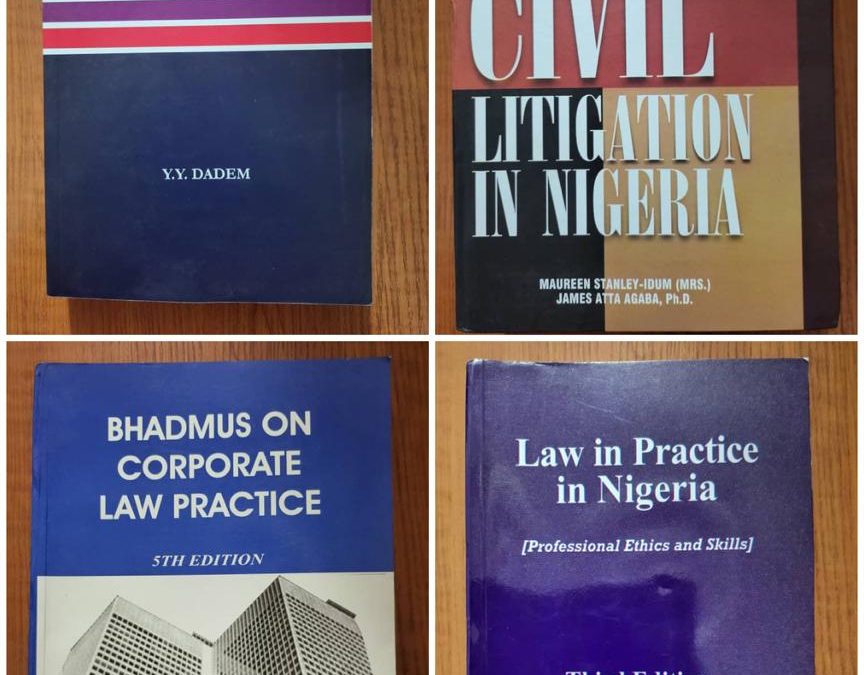
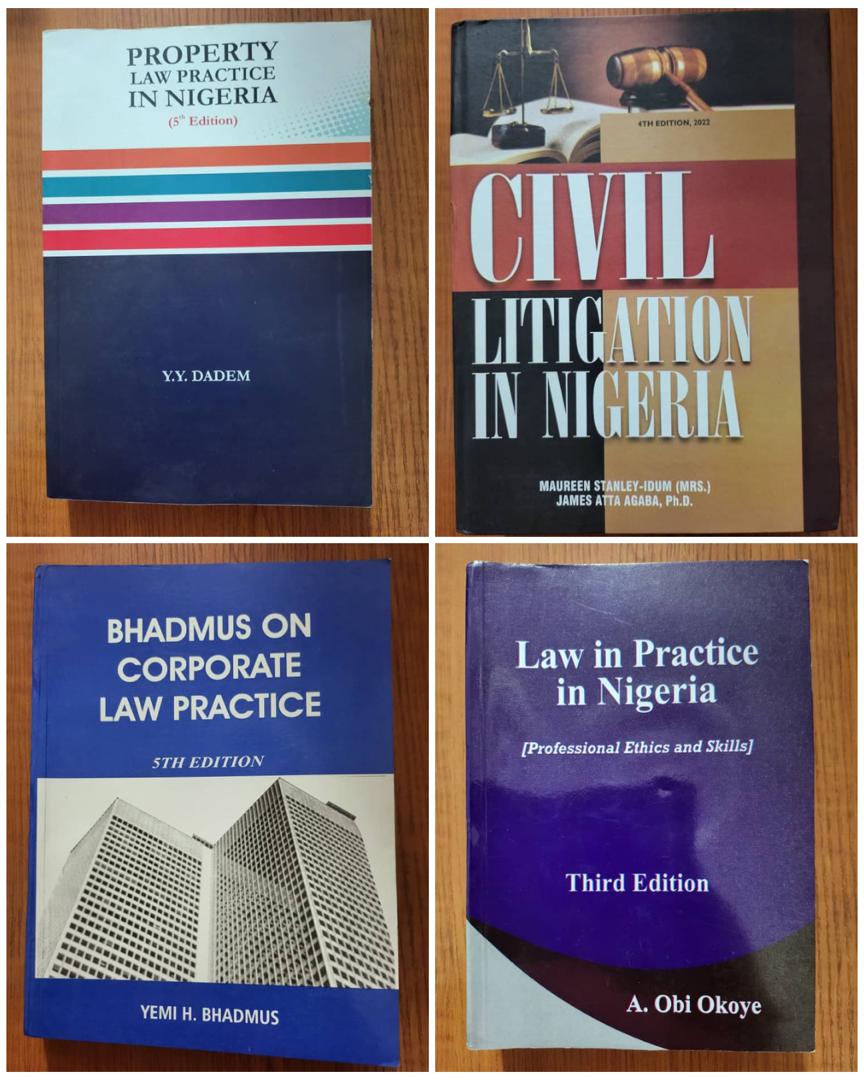
Starting at the Nigerian Law School? Then you already know—having the right materials is not optional, it’s essential.
The Legalnaija Law School Starter Pack gives you exactly what you need:
✅ All the core textbooks in the Law School curriculum
✅ Carefully curated for Nigerian law students
✅ Saves you time, stress, and multiple sourcing
No guesswork. No last-minute scrambling. Just a complete, ready-to-go academic arsenal.
🎯 Bonus: Get 10% OFF when you use the coupon code: LEGAL EXPERT
👉 Get your full pack here:
https://legalnaija.com/product/nls-law-textbooks/
Prepare smart. Start strong. Stay ahead.
You can contact us via whatsapp at 09029755663 or email hello@legalnaija.com
by Legalnaija | Mar 23, 2026 | Blawg
Dear Colleagues,
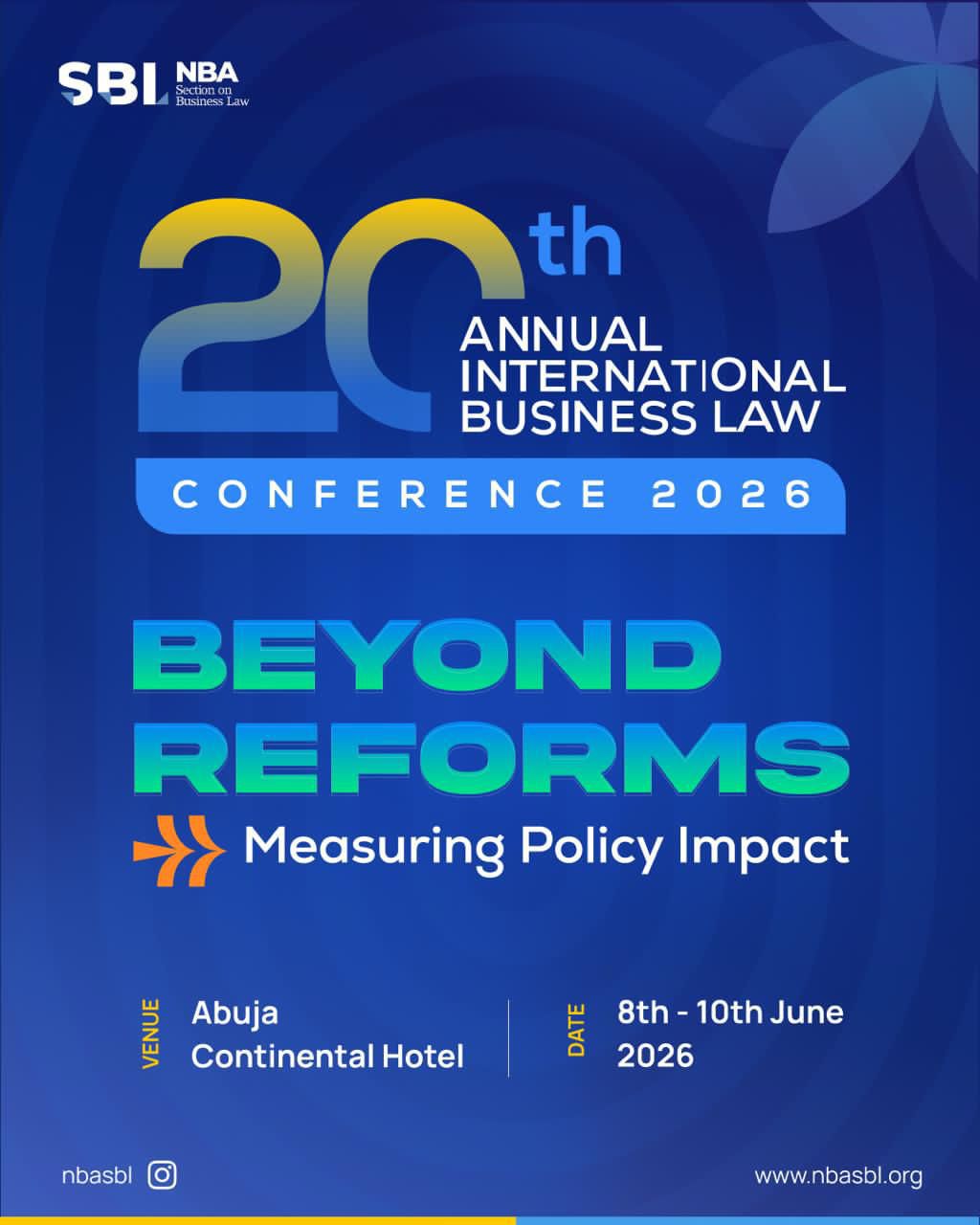
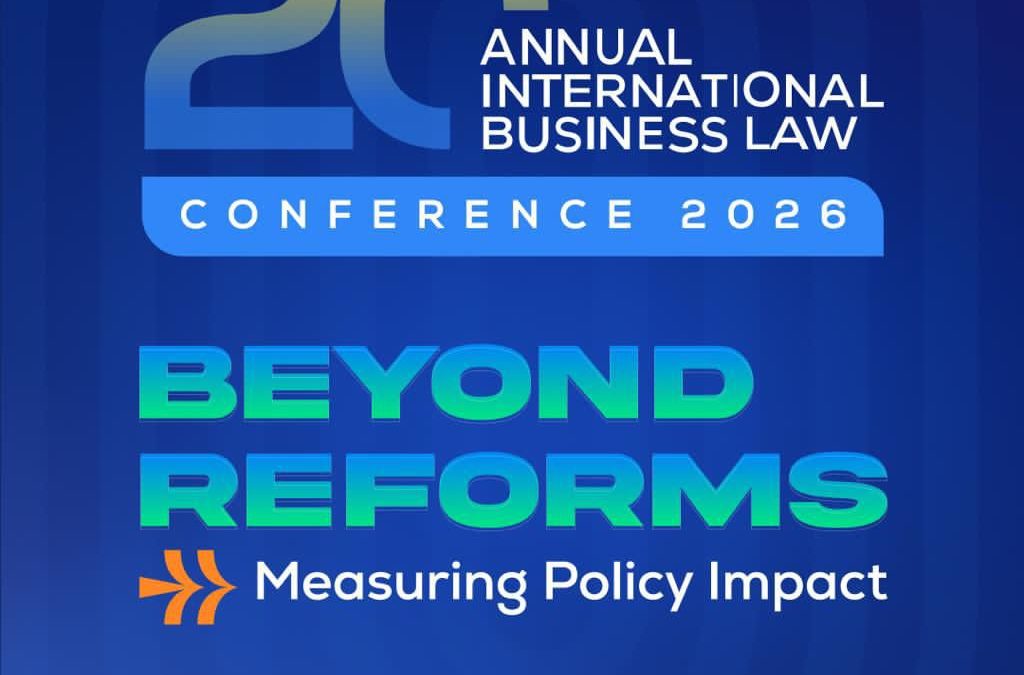
This year represents the 20th Annual International Business Law Conference hosted by the NBA Section on Business Law.
Over the past few years, we have worked to shape the legal landscape. Now, our collective focus is shifting. While legislative reforms provide a necessary foundation, true progress is found in their actual results.
Our upcoming annual conference centers on ensuring that policies create sustainable value within the Nigerian ecosystem.
CONFERENCE DETAILS
* Theme: Beyond Reforms: Measuring Policy Impact
* Dates: June 8th – 10th, 2026
* Location: Abuja Continental Hotel
Going beyond the standard language of reform requires a commitment to measurable results. This event is designed for professionals who navigate the intersection of law, governance, and economic growth.
We intend to move past theoretical intent to examine the tangible effects of legal frameworks on our business environment.
* Analytical Depth: Gain high-level perspectives on how specific policies influence market stability.
* Effective Frameworks: Access specialized tools for measuring long-term policy outcomes.
* Meaningful Connections: Engage with influential policymakers, legal experts, and global industry leaders.
* Future Roadmap: Help define the trajectory for inclusive economic development in Nigeria.
Registration portals opens next week! We invite you to prepare for an experience that transcends traditional reform discussions. The countdown has officially started.
Stay updated by following us on our official channels:
Instagram:
LinkedIn:
X:
Threads:
by Legalnaija | Mar 17, 2026 | Blawg

As the Nigerian Bar Association (NBA) Gwagwalada Branch marks its 2026 Annual Law Week, a powerful message has been shared by Lateef Omoyemi Akangbe, SAN, emphasizing one of the most pressing issues facing the legal profession today — public trust.
The theme of the Law Week, “Rebuilding Public Trust in the Nigerian Legal System,” could not be more timely. Trust is the foundation upon which every effective justice system is built. Without it, the very purpose of the law is undermined.
In his goodwill message, Akangbe, SAN, reminds us that lawyers are not merely practitioners but custodians of justice, entrusted with upholding the rule of law and preserving the integrity of legal institutions.
However, the message does not shy away from a hard truth:
when public confidence in the legal system erodes, the consequences are far-reaching. Citizens may begin to bypass lawful processes, turning instead to extrajudicial means in their quest for justice. In such a climate, the role of lawyers becomes diminished — retaining the title, but losing the essence and dignity of the profession.
This is a stark reminder that the decline of trust in the justice system is not just a legal issue — it is a societal one. A system without trust risks disorder and instability.
The path forward, as highlighted, requires a collective effort. Both the Bar and the Bench must take deliberate steps to rebuild and sustain public confidence. It is a responsibility that demands commitment, sacrifice, and accountability.
The message concludes with a note of optimism — that the efforts made today to restore trust will ultimately strengthen the profession and secure its future relevance.
As the NBA Gwagwalada Branch begins its Law Week, this serves as both a reflection point and a call to action for all stakeholders within the legal community.
We wish the Branch a successful and impactful Law Week.
by Legalnaija | Mar 3, 2026 | Blawg

Starting a business in Nigeria can feel exciting… and completely overwhelming at the same time.
You have the idea.
You have the passion.
You may even have customers waiting.
But then reality sets in.
- CAC registration.
- Tax compliance.
- Drafting agreements.
- Protecting your brand.
- Understanding regulations.
- Opening corporate accounts.
- Hiring staff the right way.
Suddenly, your dream starts to feel like a maze.
And here’s the truth: many Nigerian entrepreneurs don’t fail because their ideas are bad — they struggle because they are overwhelmed by the legal and compliance side of things.
At Legalnaija, we understand this journey because we see it every day.
We know:
The tech founder trying to register a startup on a tight budget
The fashion entrepreneur unsure about trademark protection
The SME owner confused about contracts and tax obligations
The freelancer who doesn’t know if they need to incorporate
You shouldn’t have to navigate it alone.
How Legalnaija Can Support You
✅ Business Registration Guidance – We simplify CAC processes so you can start properly.
✅ Contract Templates & 
Legal Resources – Clear, practical documents tailored for Nigerian businesses.
✅ Compliance Insights – We break down regulatory and tax updates in plain language.
✅ Educational Content – Articles, webinars, and resources to help you make informed decisions.
✅ Access to Legal Professionals – Connecting you with lawyers who understand your industry.
Building a business is already demanding. Your legal foundation shouldn’t be guesswork.
When you get your structure right from the beginning, you save yourself future stress, disputes, and financial losses.
Legalnaija.com/store
If you’re an entrepreneur feeling overwhelmed, take a breath.
Start with the right information.
Start with the right support.
Start with Legalnaija.
Your business deserves more than just hustle — it deserves a solid legal foundation.

by Legalnaija | Feb 18, 2026 | Blawg

EFOSA EWERE, FCIS, FCIArb, ABR
Efosa Ewere is a distinguished dispute resolution lawyer, governance practitioner, and licensed insolvency professional with two decades of experience advising corporates, financial institutions, boards, and private clients across Nigeria’s commercial landscape.
She is the Managing Partner of Gravida Attorneys, where she leads the firm’s civil and commercial practice, overseeing complex litigation, arbitration, mediation, corporate governance advisory, insolvency, intellectual property, real estate transactions, employment matters, probate, and structured debt recovery. Her practice is defined by strategic clarity, disciplined case management, and the innovative integration of technology in dispute resolution.
Efosa is a Fellow of the Institute of Chartered Secretaries and Administrators of Nigeria (ICSAN), a Fellow of the Chartered Institute of Arbitrators (UK) Nigeria Branch (CIArb), a Fellow of the Business Recovery and Insolvency Practitioners of Nigeria (BRIPAN), and a Fellow of the Institute of Construction Industry Arbitrators. She is an Accredited Insolvency Practitioner licensed by the Corporate Affairs Commission of Nigeria and is appointed as a Notary Public by the Supreme Court of Nigeria.
Her insolvency and restructuring practice includes advisory and formal appointments in liquidation and recovery proceedings, where she provides pragmatic restructuring strategies and creditor-focused solutions. In governance, she serves as External Company Secretary to corporate entities, advising boards on regulatory compliance, corporate governance frameworks, board evaluations, directors’ induction processes, and statutory obligations.
Beyond practice, Efosa plays a prominent leadership role within the professional community. She currently serves as Chairman of the Lagos State Chapter of the Institute of Chartered Secretaries and Administrators of Nigeria. She is also a Council Member and General Secretary of the Business Recovery and Insolvency Practitioners of Nigeria, and Chairman of the BRIPAN Future Insolvency Leaders Forum. Recognised for her strategic insight, institutional leadership, and multidisciplinary strength across dispute resolution, governance, and insolvency, Efosa is trusted by clients for her measured judgment, discretion, and results-driven advocacy.