by Legalnaija | Jul 14, 2024 | Blawg
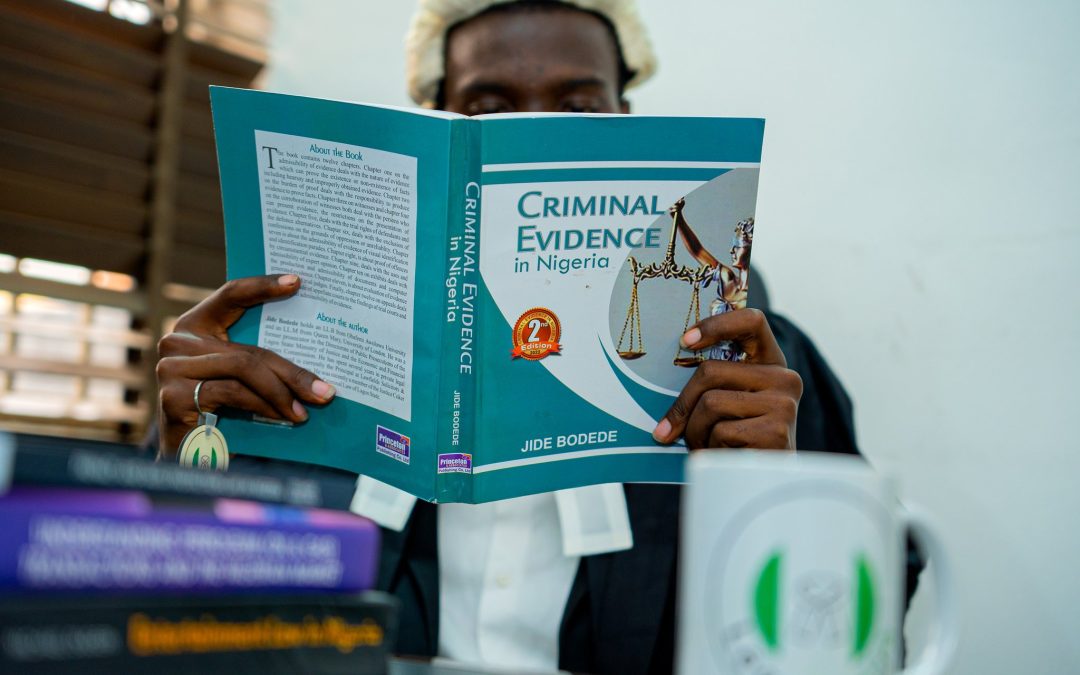
Attention Lawyers and Law Firms! Exclusive Deal On All Law Book
Great news! You can now enjoy a **10% discount** on all orders from the Legalnaija Bookstore using the exclusive promo code **NBAAGC2024**.
Whether you’re looking for textbooks, legal resources, or professional development materials, this is the perfect opportunity to stock up on essential law books.
Promo Details:
Discount Code: NBAAGC2024
Website: https://www.legalnaija.com/store
<span;>- Promo Ends:August 31, 2024
Don’t miss out! Enhance your legal knowledge and stay ahead in your practice. Feel free to share this offer with your colleagues and fellow lawyers. Happy reading!
by Legalnaija | Jul 13, 2024 | Blawg
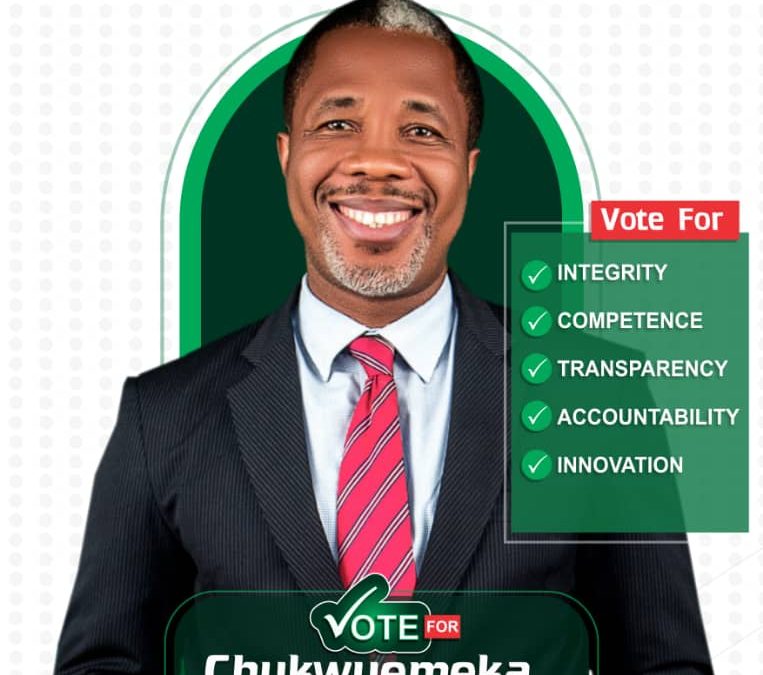
Chukwuemeka Mbamala: Financial Excellence in the NBA, A Vital Imperative
As legal professionals, we understand that financial management is the backbone of any successful organization. The NBA, as a representative body for lawyers in Nigeria, must uphold the highest standards of financial transparency, accountability, and efficiency. Here’s why:
1. Resource Allocation: The NBA manages substantial funds, including membership dues, conference fees, and grants. Proper allocation ensures that these resources benefit members, support legal education, and promote justice.
2. Infrastructure and Services: Financial excellence allows the NBA to invest in infrastructure, technology, and member services. From maintaining physical spaces to enhancing digital platforms, these investments directly impact our legal community.
3. Advocacy and Representation: Financial stability empowers the NBA to advocate effectively for lawyers’ rights, engage in legislative processes, and represent our interests at national and international levels.
4. Professional Development: Continuing legal education, workshops, and conferences rely on sound financial planning. These opportunities enhance lawyers’ skills and contribute to the overall growth of the legal profession.
5. Public Perception: Transparent financial practices build trust with members and the public. When we demonstrate fiscal responsibility, we strengthen our credibility as legal practitioners.
Why Chukwuemeka Mbamala?
Chukwuemeka Mbamala brings a wealth of experience and vision to the role of NBA Treasurer:
Financial Acumen: Mbamala has demonstrated an understanding of financial matters. His track record speaks to his ability to manage resources effectively.
Innovation: Mbamala envisions a technologically advanced NBA, where financial processes are streamlined, accessible, and efficient. His proposals include digital platforms for financial reporting and transparency.
Collaboration: Mbamala believes in collaboration with other NBA executives, committees, and stakeholders. His inclusive approach ensures that financial decisions align with the broader goals of the association.
Integrity: Mbamala’s commitment to ethical conduct and accountability is unwavering. He pledges to uphold the highest standards in financial management.
Vote for Mbamala: Let’s choose a Treasurer who will safeguard our resources, drive financial excellence, and elevate the NBA. Together, we can build a stronger legal community. #MbamalaForTreasurer #NBA2024

by Legalnaija | Jul 10, 2024 | Blawg
Dear Lawyers,
I Am Walking In Your Shoes, So I Found A Way To Make The Journey Easier, Faster & Better!
As a lawyer and fellow legal professional, I understand the challenges we face in our journey toward success. The legal landscape can be demanding, and it seems you are paddling against the tides sometimes. Some of our challenges include client acquisition; establishing ourselves as experts in our field; getting valuable legal resources and accessing tools to make us more efficient.
In a bid to find solutions to this challenges in my own practice, I looked to technology for the answers, and in doing so built www.legalnaija.com with the help of some amazing software engineers. Essentially we curated a suite of tools that will help you achieve the following;
- Allow clients find you on our lawyers directory https://app.legalnaija.com/
- Allow you access and order law textbooks and resources on our bookstore www.legalnaija.com/store
- Allow you draft legal documents in minutes via our drafting tool https://app.legalnaija.com/shop/templates
- Allow you get quick research answers on our chatbot https://chatbot.legalnaija.com/
- Establish yourself as an expert in your area of specialty by publishing on our blog https://legalnaija.com/blawg/
- Allow you resolve client disputes faster via ODR https://legalnaija.com/online-dispute-resolution/
- Providing you with visibility on our social media pages via @Legalnaija
Trust me, building a one-stop-shop for legal solutions was hard and expensive, I even had to sell property to raise money because I am very passionate about what we have built and are doing in the legal ecosystem. I believe in the transformative impact of law, technology, and community. Most essentially I believe these tools can help your practice grow and contribute to making you more successful.
I encourage you to take full advantage of @Legalnaija’s offerings by;
- Signing up to Legalnaija here https://app.legalnaija.com/signup
- Renew your subscription to showcase your profile when you sign in here https://app.legalnaija.com/signin
- Sending your law articles for publication to hello@legalnaija.com
- Order your law books from the over 150 options here www.legalnaija.com/shop
- Tagging @Legalnaija on all your professional content on Instagram, X, LinkedIn, Facebook, Threads and even Tiktok. In my book, “Social Media For Lawyers,” I emphasize the power of harnessing social media resources to grow your online visibility. By renewing your subscription, you tap into our extensive social media presence, reaching a wider audience and establishing credibility.
- Use our customizable agreement templates for faster drafting here https://app.legalnaija.com/shop/templates plus access is free when you have an existing subscription.
In an era where technology shapes our lives, Legalnaija bridges the gap. We provide tools, resources, and legal solutions that blend tradition with innovation.
If you need any assistance, send @Legalnaija a mail at hello@legalnaija.com or call/whatsapp on +2349029755663.

Our platform has been a valuable resource for legal professionals like yourself, and we are committed to enhancing your experience. Thank you for being part of the Legalnaija family. Let’s elevate the legal profession together!
Warm regards,
Adedunmade Onibokun
Founder, Legalnaija
by Legalnaija | Jul 8, 2024 | Blawg
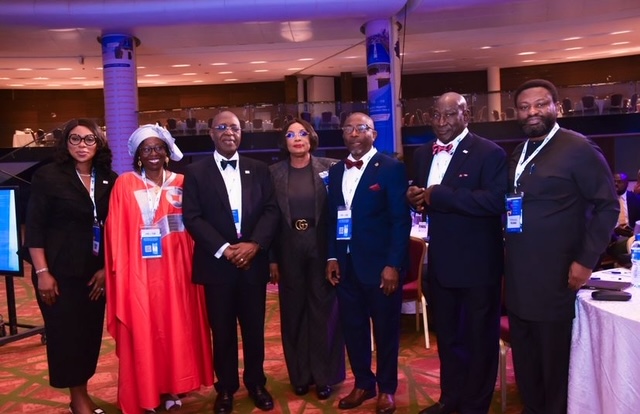
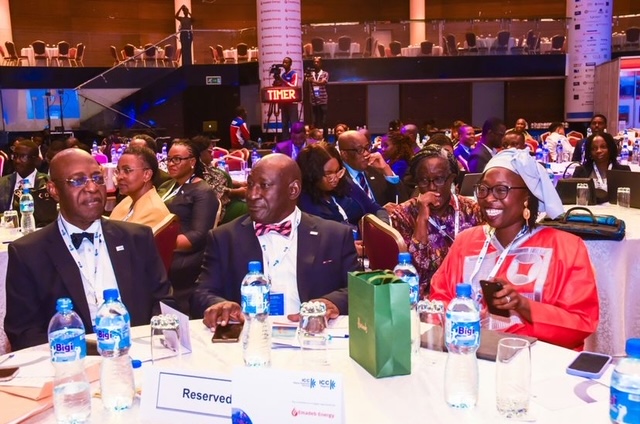
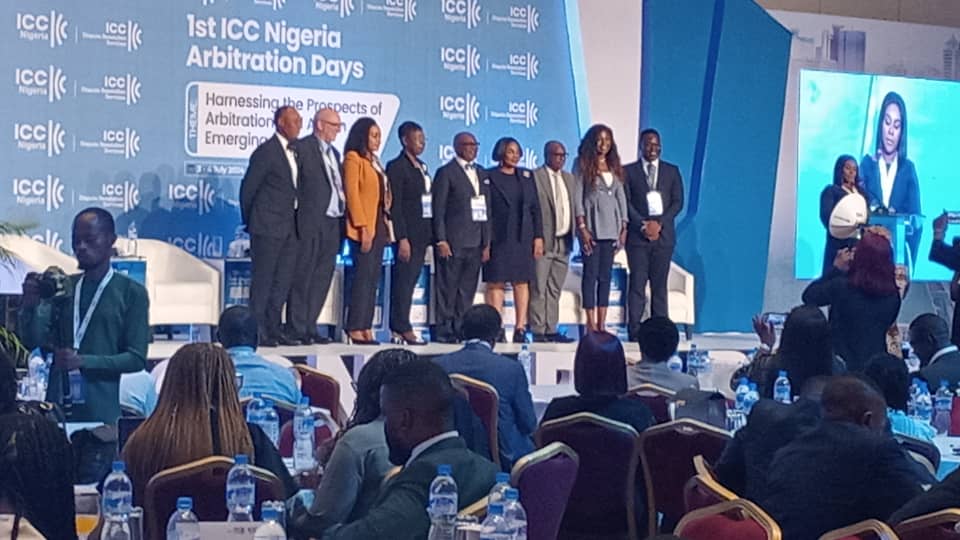
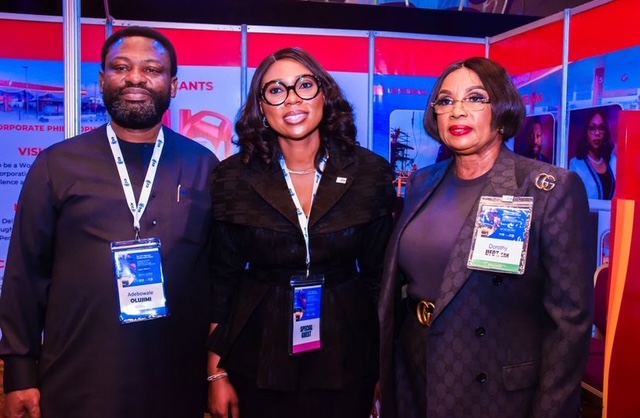
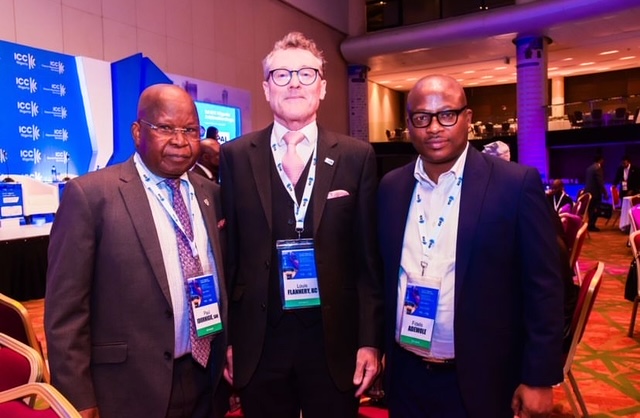
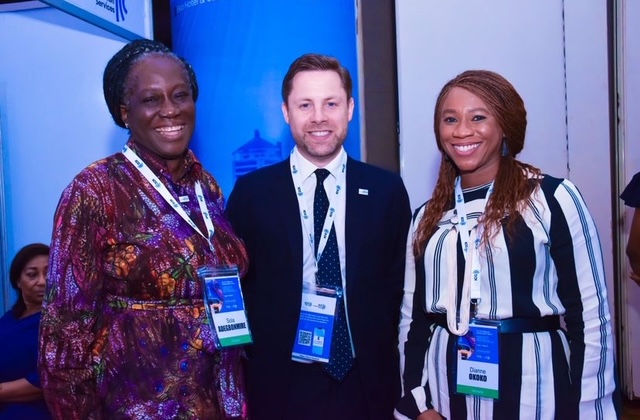
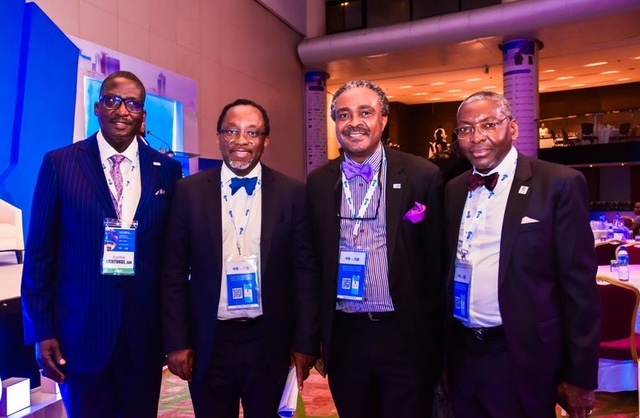
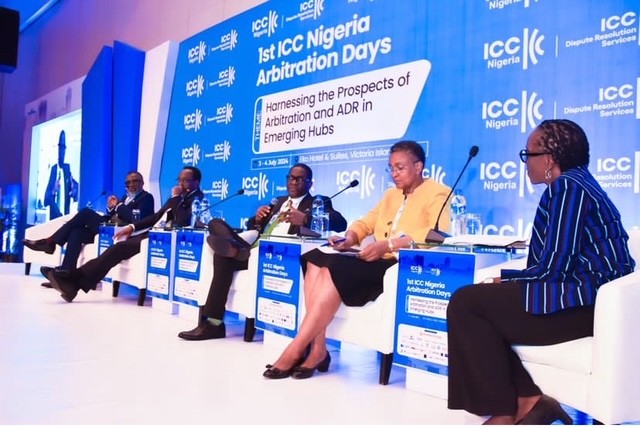
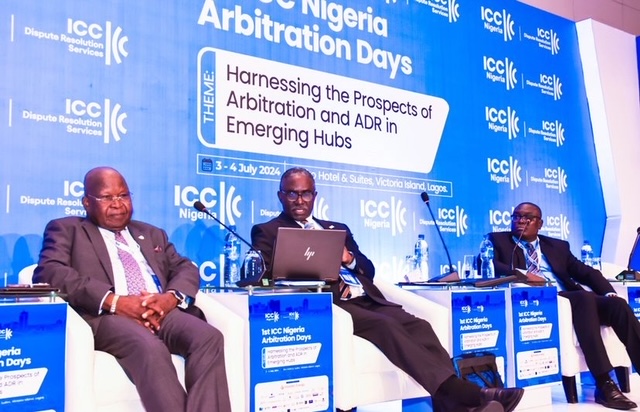
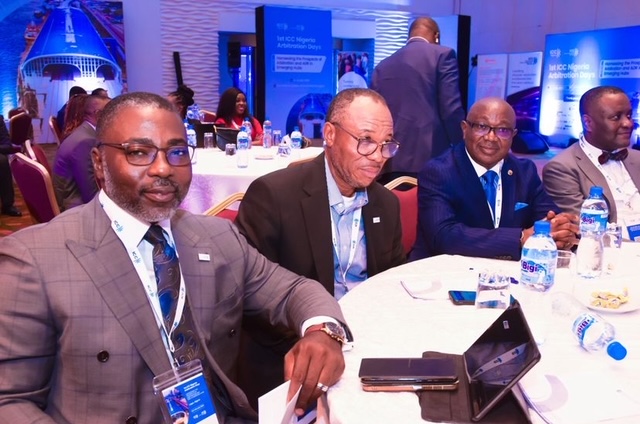
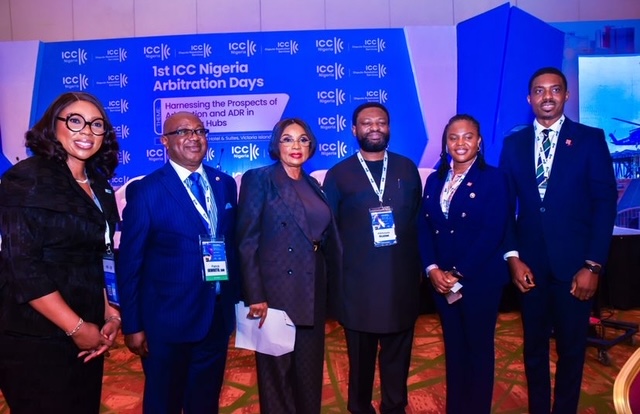
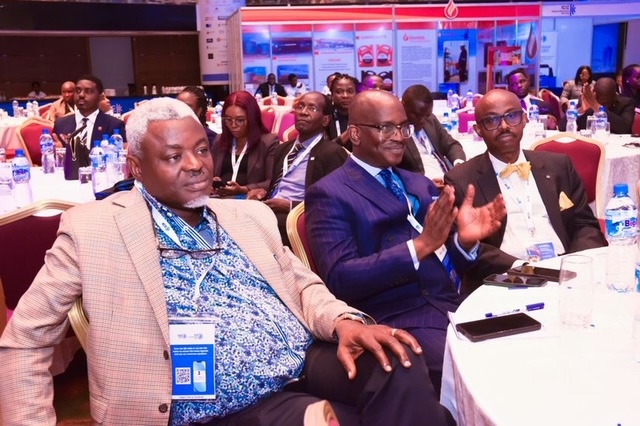
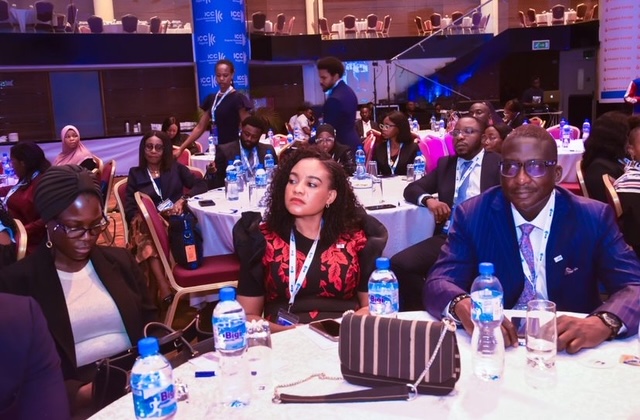
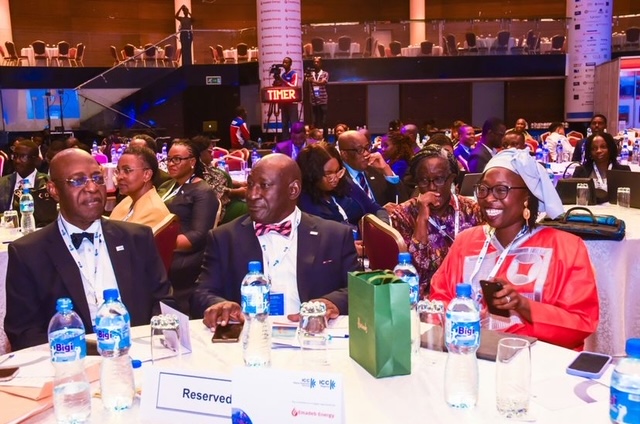
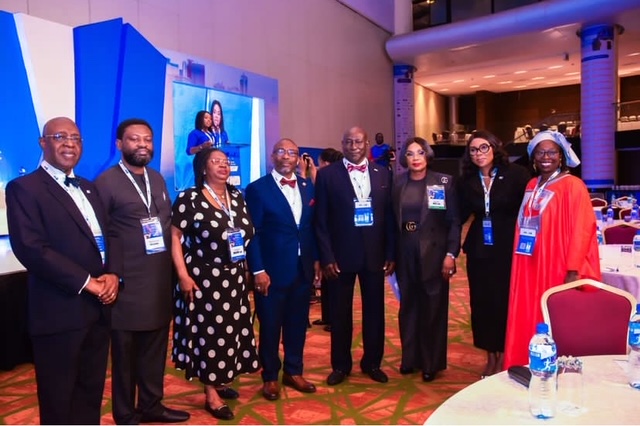
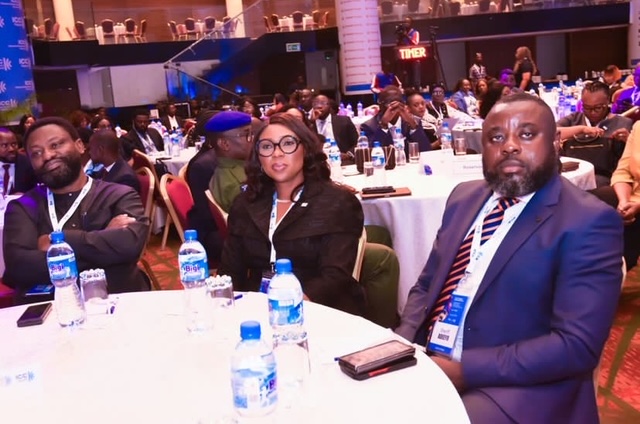
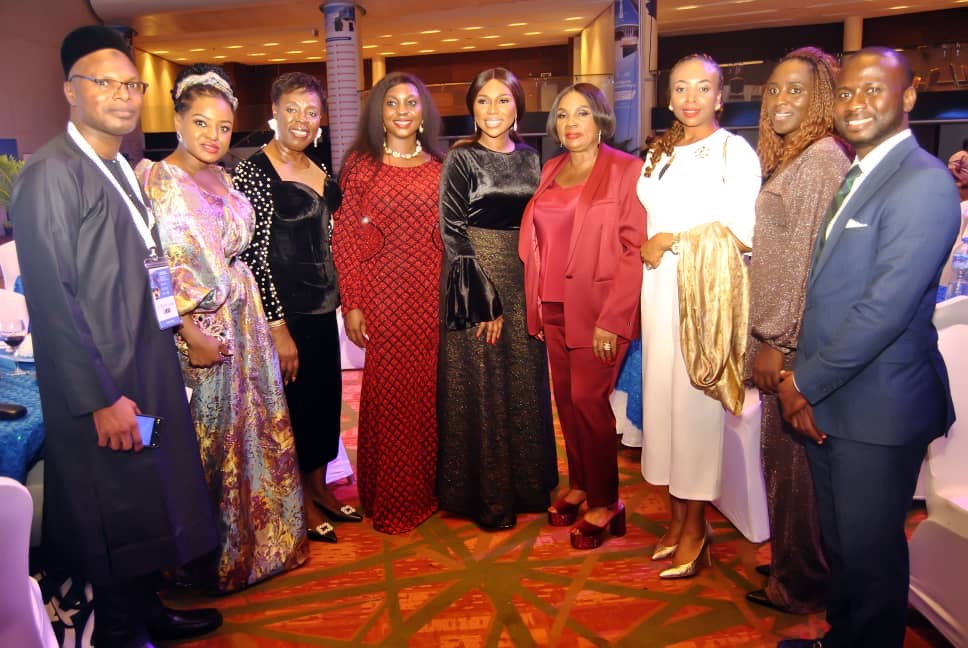
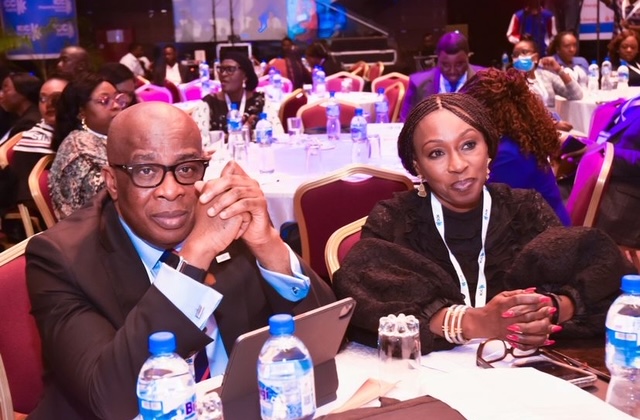
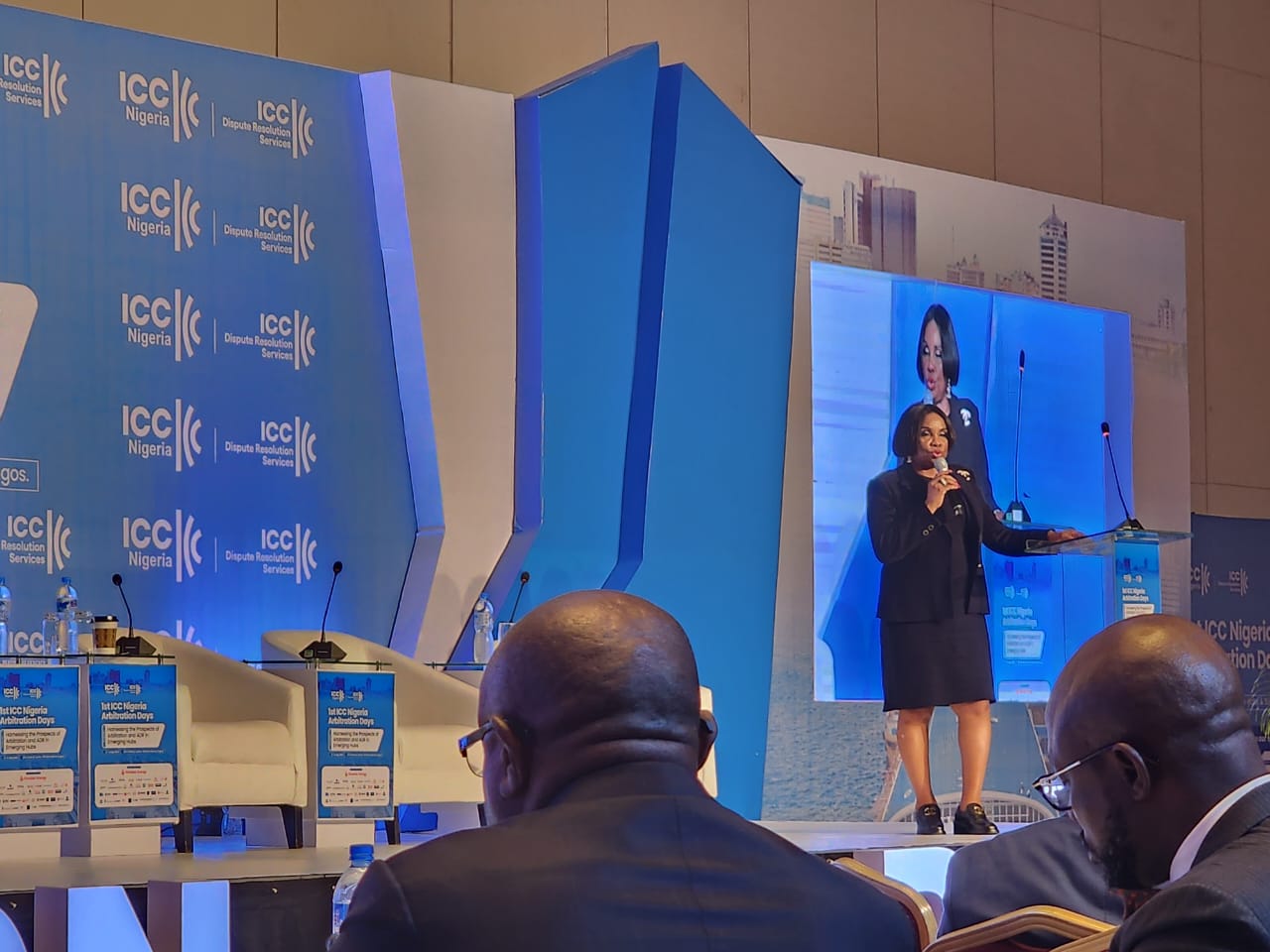
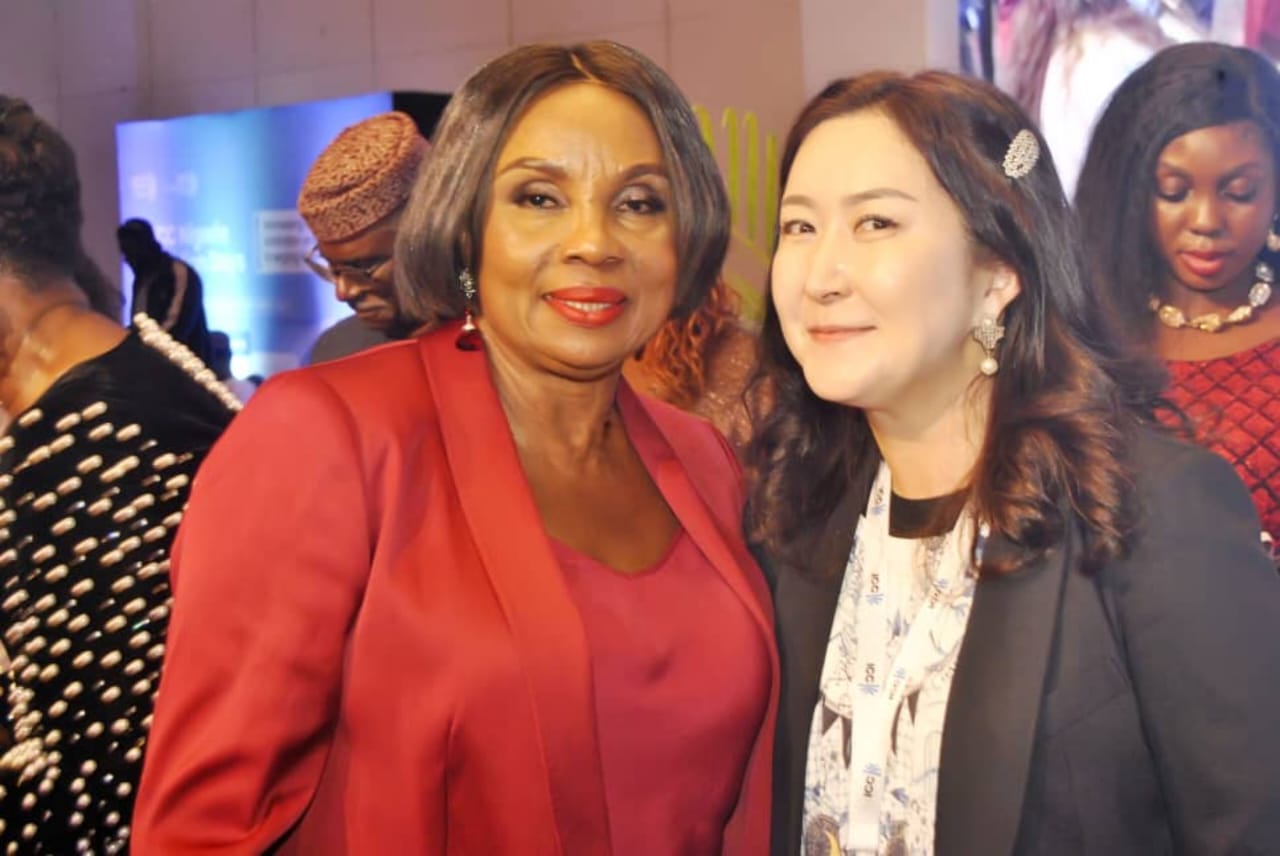
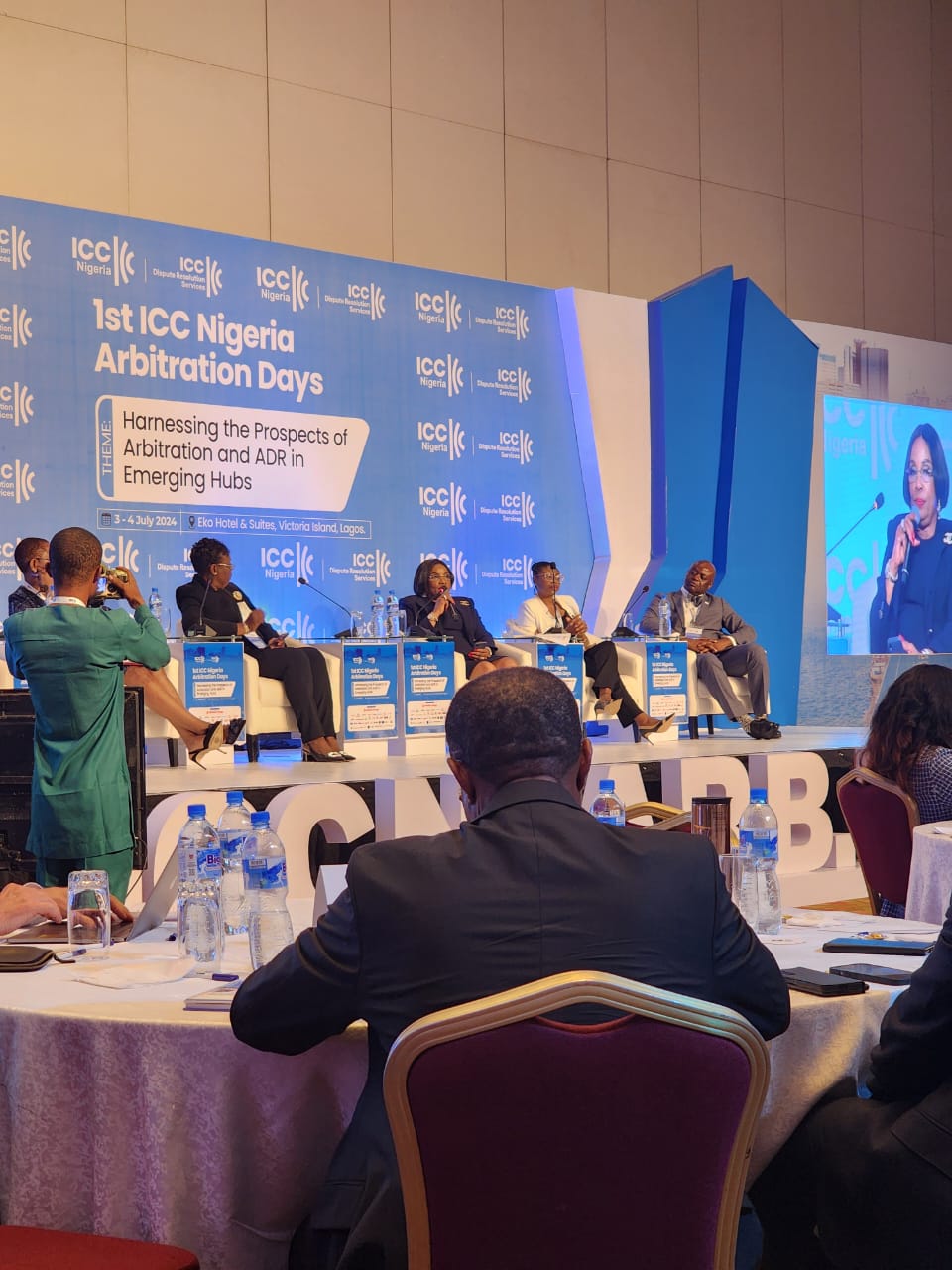
The inaugural ICC Nigeria International Arbitration Days took place on July 3rd and 4th of July, 2024. During this conference, delegates engaged in discussions on various topical issues related to the practice and development of International Arbitration and Alternative Dispute Resolution (ADR) in Nigeria. It commenced with the welcome addresses given by the Chairman of the international Chamber of Commerce Mr Babatunde Savage FCA, the chair person of ICC Nigeria commission on arbitration and ADR, Professor Mrs Dorothy Ufot SAN and Alexander Fessas,the Secretary General ICC International Court of arbitration.
Notably, Mr. Alexander Fessas, the Secretary General of the ICC International Court of Arbitration, acknowledged Nigeria’s efforts in hosting the Africa Regional conferences for the past seven years. This year, the Africa Regional conference took place in Nairobi, Kenya, aligning with ICC’s policy to expand its reach into other parts of Africa, particularly East Africa. Additionally, Mr. Babatunde Savage FCA, Chairman of the International Chamber of Commerce Nigeria, emphasized Nigeria’s openness for international arbitration business. He called upon federal and state governments to involve Nigerian arbitrators and enhance local content in international arbitration.
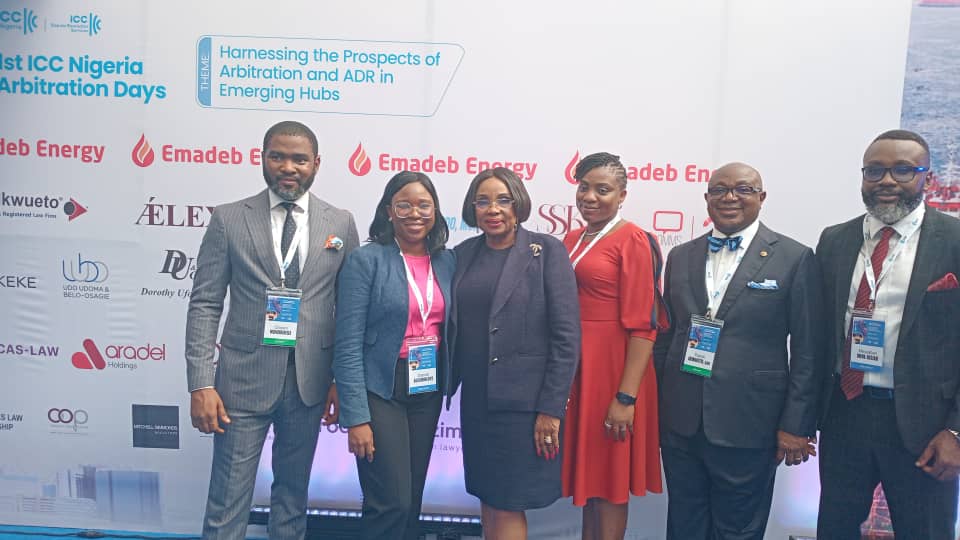
Overall, the conference provided valuable insights and fostered dialogue on the prospects of arbitration and ADR in emerging international arbitration hubs, benefiting participants and contributing to the growth of dispute resolution in Nigeria.
The chair of ICC Nigeria Arbitration Committee, Mrs. Dorothy Ufot SAN noted the dangers of corruption on arbitration and its effects. The President of the Nigerian Bar Association, Mr. YC Maikyau also gave his good will message and congratulated ICC Nigeria on its first inaugural ICC arbitration days. He thanked the ICC for the capacity building work that it has done over the years with respect to Nigerian legal practitioners. In attendance was also the Attorney General of Lagos State, Mr. Lawal Pedro, Senior Advocate of Nigeria who formerly opened the conference on behalf of the governor of Lagos State, His Excellency Mr Babatunde Sanwo Olu. After the opening ceremony there five sessions on various topics that interrogated the prospects and challenges of international arbitration in emerging market, investment treaty disputes, technology intervention in arbitration and AI, ethical considerations and the future of international arbitration.
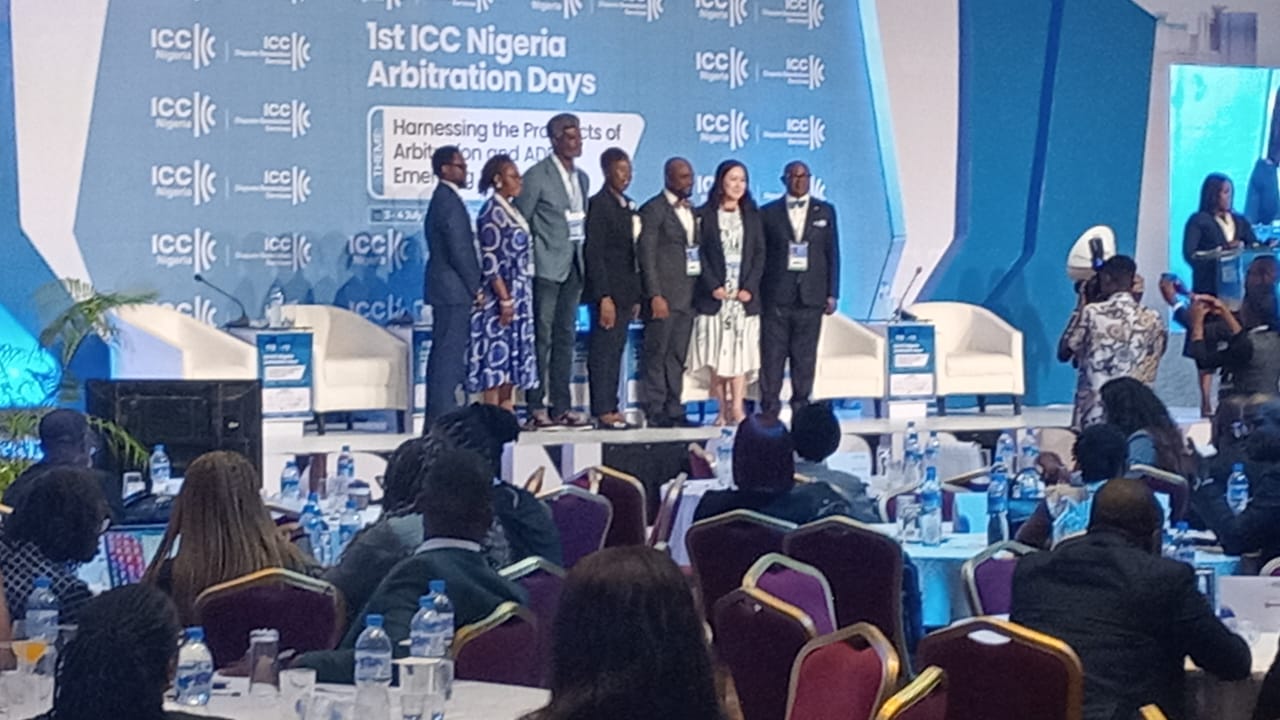
The second day of the ICC Nigeria Arbitration Days commenced with a plenary session that looked into unlocking the potentials of the blue economy particularly the opportunities inherent for maritime Arbitrators. Other sessions looked into capacity building of arbitration practitioners, enforcement of arbitral awards, promoting diversity and inclusion and the role of in-house counsel in international arbitration.
Several thought-provoking discussions and points to note are that:
- There is a steady increase in the contributions from African parties reflecting Africa’s expanding role in the international arbitration space and this is a welcome to development.
- Networking is important for the career development of arbitration practitioners but even more important is for the arbitrator to be clear on what services they are capable of rendering when they connect and network.
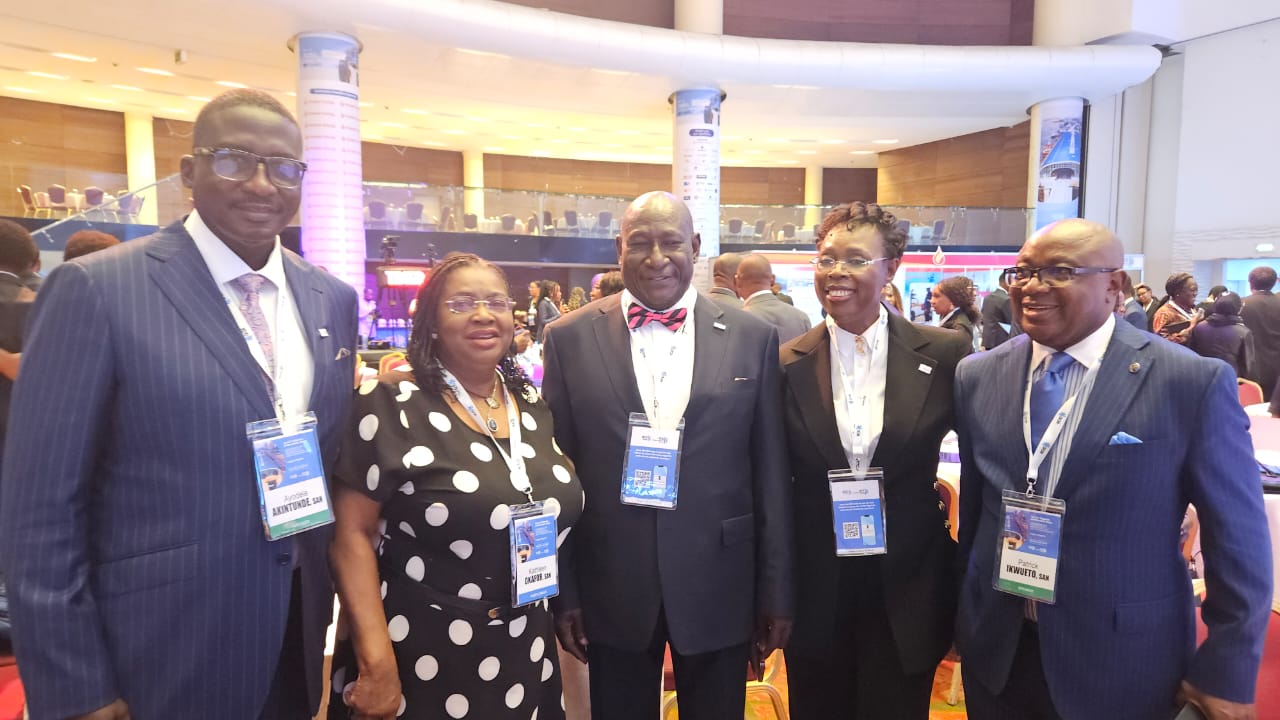
- That investment arbitration is evolving and there are new considerations such as corporate behaviour, environmental, social and governance considerations.
- Artificial intelligence is not going to replace human beings anytime soon as it cannot for now replicate human emotional intelligence nor does it have the cognizance of cultural nuances. However it is important to understand even though AI has its limits it has several areas where it can help in the efficient running of the arbitral process.
- Dedicated courts or judges will help address a number of issues in domestic and international arbitration in Nigeria from helping the arbitration process to ensuring ethical standards are maintained.

- There is a need for the Nigerian government to develop the maritime industry and the blue economy by putting down the right strategies as increased maritime business will increase the avenue for more maritime dispute resolution work.
- Mentorship must be deliberate on the part of the mentee and focused on professional, personal and business development.
- Enforcement of arbitral awards must be done with the understanding that it is important that Nigeria is seen as an arbitration friendly jurisdiction.
- Diversity and Inclusion is not just gender specific but also covers other areas such as race and age.
- There must be a collective willingness to make international arbitration work in Nigeria not just the laws but also the practice.
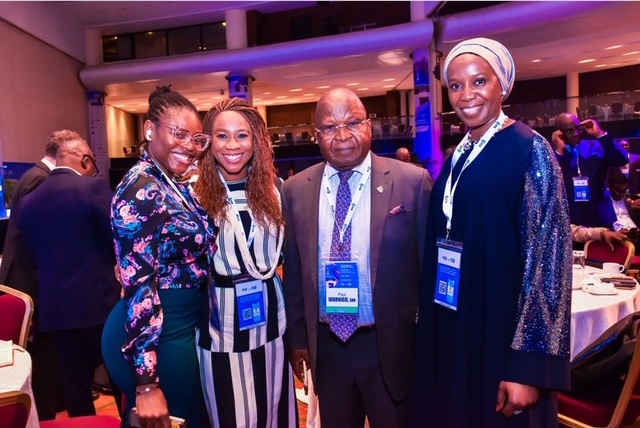
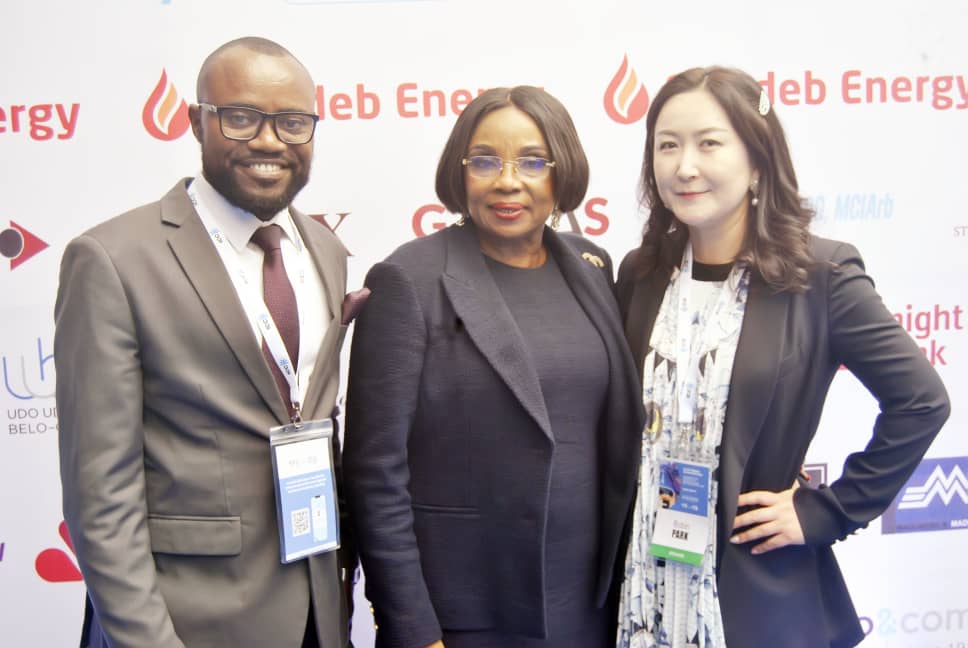
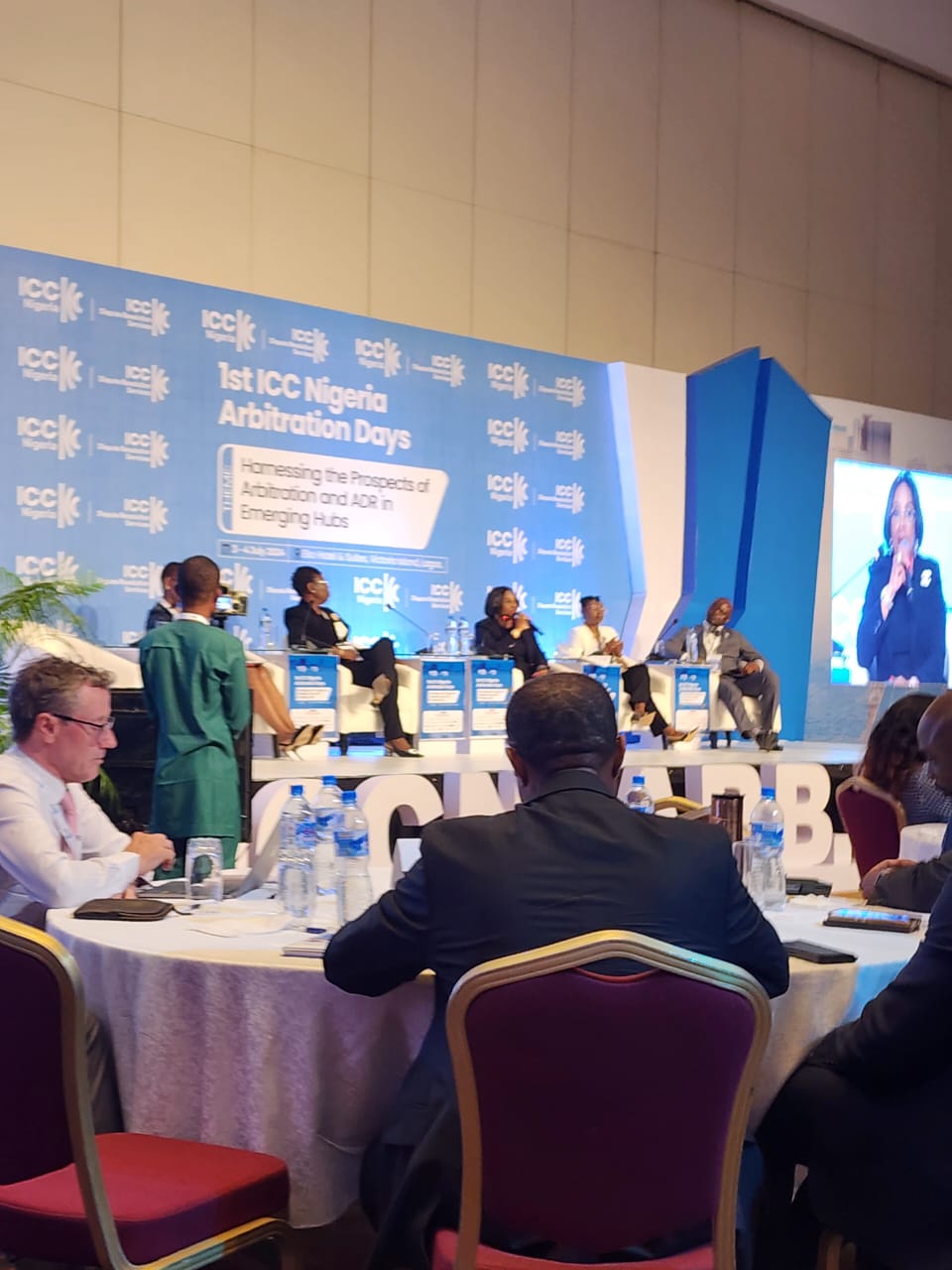
See more photos below;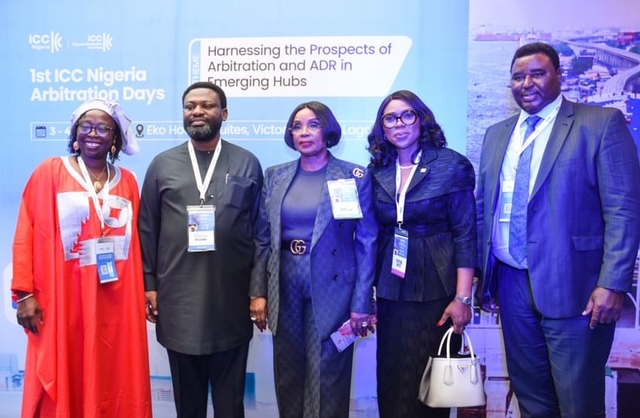




by Legalnaija | Jul 8, 2024 | Blawg
NBAAGC PRESIDENT’S CUP: 2 Million Naira Up For Grabs
Join the Excitement at the NBA 2024 Annual General Conference Football Tournament!
Get ready to showcase your athletic prowess and competitive spirit at the 2024 Annual General Conference of the Nigerian Bar Association.
This year’s conference promises not only intellectual stimulation but also an array of thrilling sports activities designed to foster camaraderie and healthy competition. Chief among these is the highly anticipated football tournament—the President’s Cup.
With 2 million Naira up for grabs, competitors finishing in 2nd and 3rd place will also receive substantial prizes.
**FOOTBALL PRIZE MONEY (MALE & FEMALE CATEGORIES):**
– 1st Prize – N2,000,000
– 2nd Prize – N1,500,000
– 3rd Prize – N1,000,000
Registration is currently ongoing at: [www.nigerianbar.org.ng/conference](https://www.nigerianbar.org.ng/conference) or send an email to agcpcsports@nigerianbar.org.ng.
Registration Timeline: Wednesday, 12th June 2024 to Friday, 12th July 2024
For enquiries, please contact:
– Tony Atata, Chair, NBA AGC 2024 Sports Sub-committee: *08032163006*
– Olujimi Olujide-Poko: *07065455869*
– Farida Umar Usman, Secretary, NBA AGC 2024 Sports Sub-committee: *08035811935
Do not miss out on this fantastic opportunity to engage with fellow lawyers outside the courtroom and enjoy a memorable conference experience filled with sportsmanship and networking. You can register for the 2024 Annual General Conference [here](https://www.nigerianbar.org.ng/conference).
Stay connected and follow us for updates:
– Twitter: @nbaconferenceNG
– Instagram: @nbaconference2024
– Hashtags: #nbaconference2024 #PressingForward
by Legalnaija | Jul 5, 2024 | Blawg

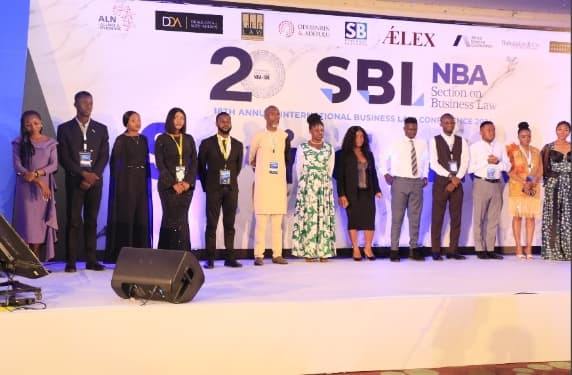
The Nigerian Bar Association Section on Business Law (NBA-SBL) added a vibrant and entertaining twist to its 18th Annual International Business Law Conference. Following the success of its maiden edition, the NBA-SBL brought back the highly anticipated “Lawyers Got Talent” 2.0. This event showcased the diverse talents of legal professionals beyond the courtroom, culminating in a night of captivating performances and spirited competition.
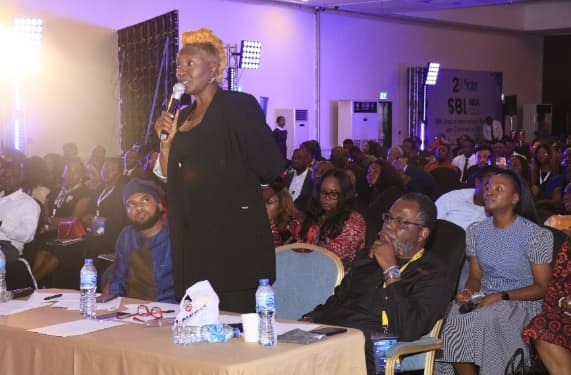
The event featured 10 would-be superstars who pitted their skills against one another in art forms such as music, spoken-word poetry, and drumming, under the watchful eyes of a trio of judges: Alex Muoka, Ms. Comfort Booth, and Ubi Franklin. Cheered on by a rapturous audience, each contestant gave a virtuoso performance – some, admittedly, more technically adept than others.
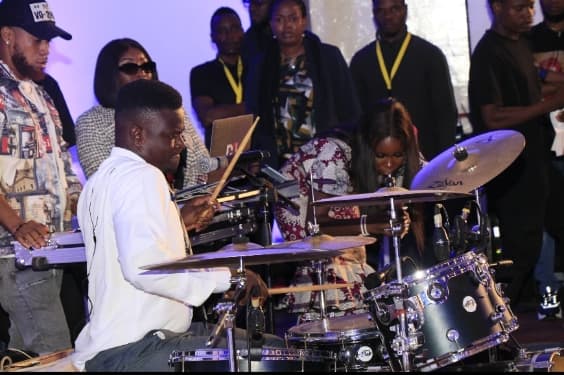
The competition, which started with 10 contestants during the first round, was streamlined by the keen eyes of the judges to five finalists: Favour Evoselum, Adekunle, Justice, Zullaihat, and Blessing. At the end of the second stage of the competition, the audience was left to choose their winners and top contestants.
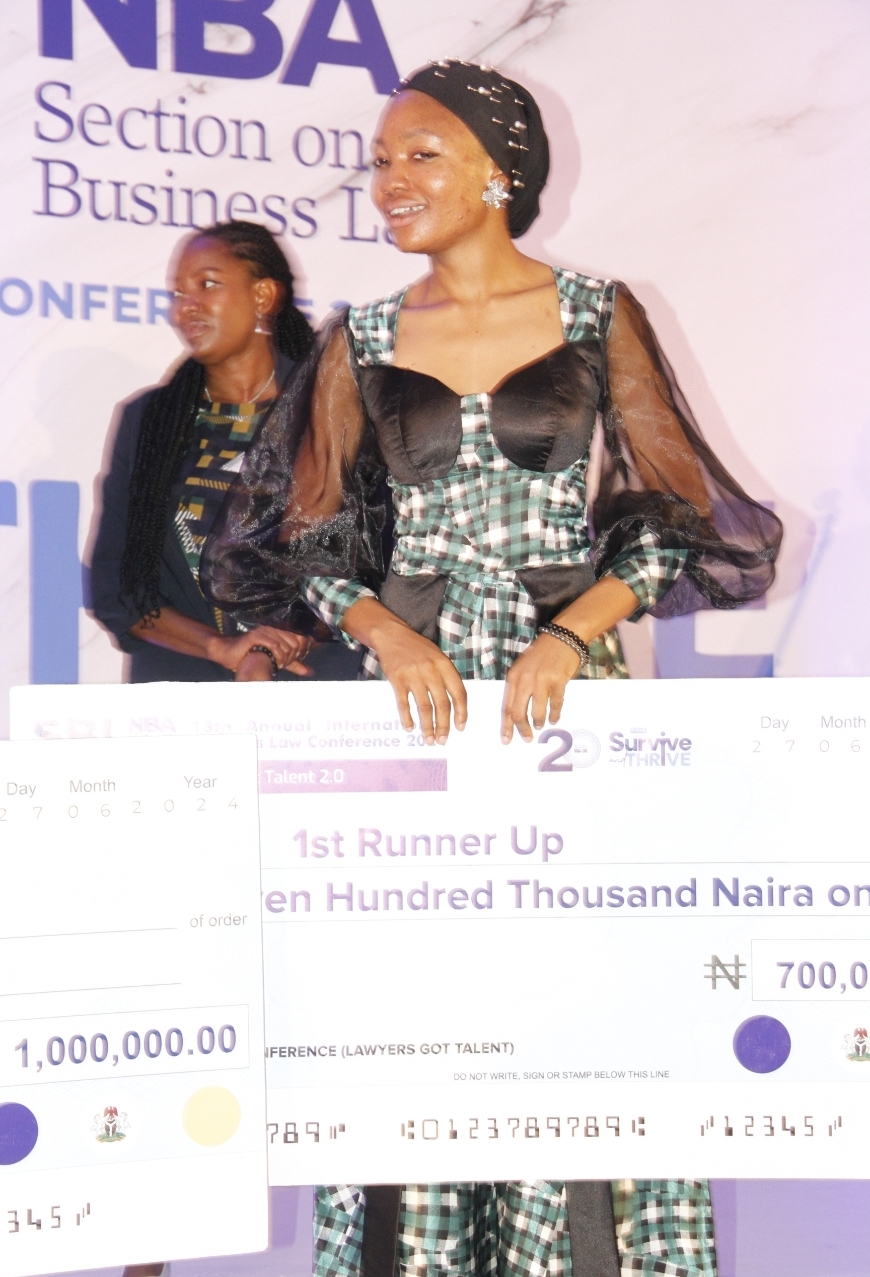
The grand finale of Lawyers Got Talent saw three exceptional performers take the stage, each bringing their unique flair and artistic expression to the delight of the audience. The competition, which aimed to celebrate the creativity and multifaceted abilities of lawyers, was a resounding success.
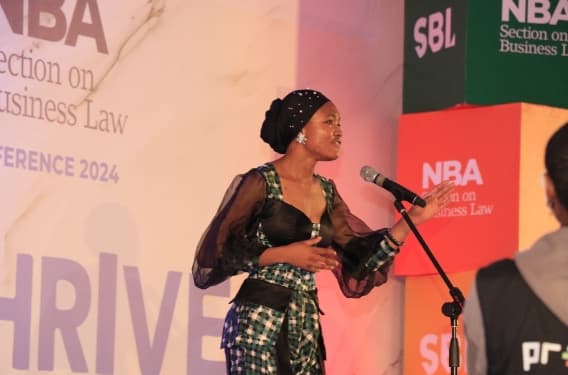
For Blessing Okpere Eboselum, it was a dream come true. Her victory in the talent hunt show came as a pleasant surprise. Her powerful voice and delivery earned her the top prize of 1 million naira.
Taking second place, the first runner-up, Adekunle, impressed the audience with his exceptional drumming skills. For his remarkable performance, Adekunle was awarded 750,000 naira.
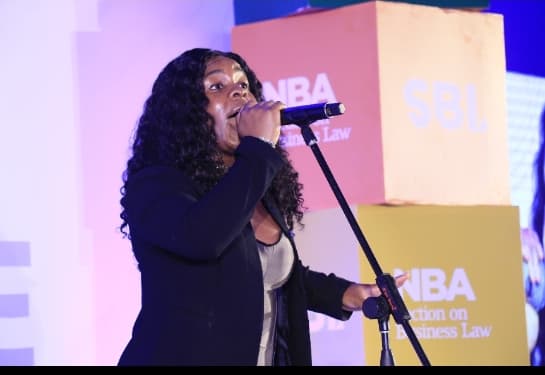
Securing third place was Justice, who captivated the audience with his compelling spoken word performance. His ability to convey a hilarious and powerful message through poetry was truly inspiring, earning him a well-deserved prize of 500,000 naira.
The Lawyers Got Talent competition was more than just a display of artistic prowess; it was a celebration of the vibrant and dynamic nature of the legal profession. The event provided a platform for lawyers to express themselves creatively, fostering a sense of camaraderie and mutual appreciation among peers.
It was a thoroughly enjoyable evening, with pictures to show for it.
by Legalnaija | Jul 4, 2024 | Blawg
Flying into Lagos for the #nbaagc24?
Get Discounted ValueJet Airline Tickets for NBA Annual General Conference Delegates
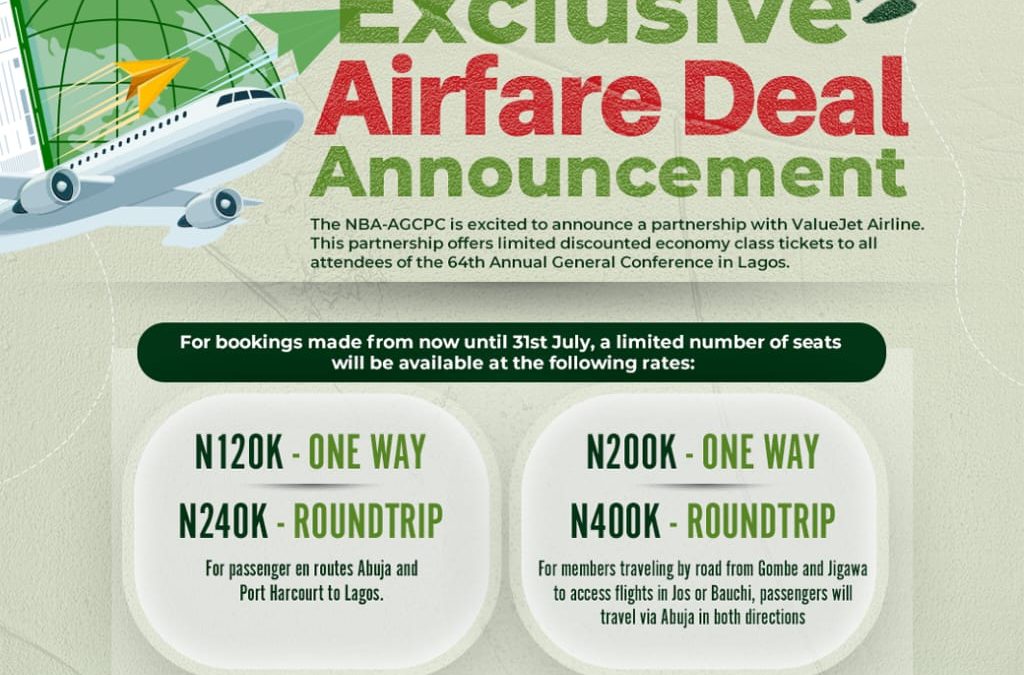
The Nigerian Bar Association is pleased to announce an exciting partnership between the NBA Annual General Conference Planning Committee (NBA-AGCPC) and ValueJet Airline, offering exclusive discounted travel rates for delegates attending the 64th Annual General Conference in Lagos.
Booking Details:
Routes and Rates:
– Abuja and Port Harcourt to Lagos:N120,000 net one-way and N240,000 net roundtrip per passenger.
– Road Travel from Gombe and Jigawa to Jos or Bauchi:Passengers will travel via Abuja at a net fare of N200,000 one-way and N400,000 net roundtrip.
Booking Period:
– This offer is valid for bookings made from now until July 31, 2024.
– Scheduled booking dates are from August 20-26 for outbound flights and August 28-31 for return flights.
How to access the offer
1. Access the flight schedule via the ValueJet website: [www.flyvaluejet.com](http://www.flyvaluejet.com/).
2. Email corporatesalesdesk@flyvaluejet.com with the subject line: NBA-AGC LAGOS.
3. Attach evidence of flight payment and your NBA Conference fee receipt to your email.
Terms and Conditions :
Ensure you are a registered delegate for the 2024 NBA-AGC, as the team will verify delegate status using SCN details and payments made for flights without registration for conference will be forfeited.
Contact Information:
– For inquiries, please contact Kazeem Nasir at 0803 589 4855.
Please note:
– This offer is limited and subject to ValueJet’s terms and conditions.
We encourage you to take advantage of this fantastic opportunity to secure your travel arrangements at a discounted rate. We look forward to welcoming you to the conference and making this event a memorable experience for all attendees.
#legalnaija
by Legalnaija | Jul 3, 2024 | Blawg

Are you planning to attend the Annual General Conference (AGC) with your colleagues, we’ve got great news for you!
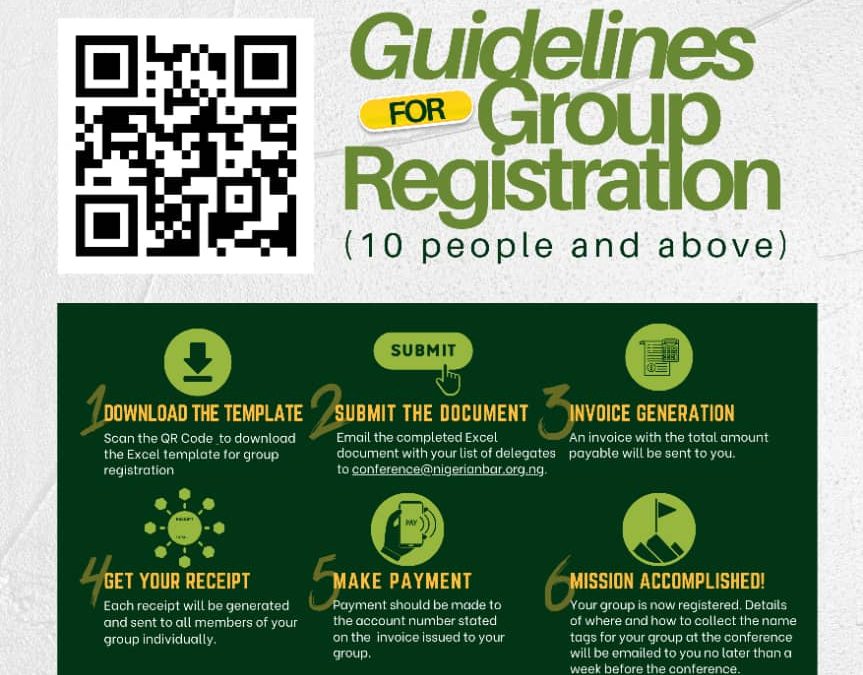
We have streamlined the group registration process to make it easier and more efficient for you. Note that you can only make Group Registration for not less than *10 persons*.
Here’s how you can get *your group of 10 people and above* registered seamlessly:
1. Download the Template
Simply scan the QR code on the flier to download the Excel template for group registration.
Submit the Document
2. Complete the Excel document with your list of delegates and email it to conference@nigerianbar.org.ng.
3. Invoice Generation
Once submitted, an invoice with the total amount payable will be sent to you.
Get Your Receipt.
Each receipt will be generated and sent to all members of your group individually.
4. Payment
The amount indicated on the invoice is to be paid into the designated account contained in the invoice. After payment, patiently wait for your payment to be processed. When the payment is processed, a confirmation email will be sent to you.
Your group is now registered!
Details on where and how to collect the name tags for your group at the conference will be emailed to you not later than a week before the conference.
Important: All lawyers in your group who have not already signed up on the NBA portal should visit portal.nigerianbar.org.ng and complete the onboarding process before group registration.
Don’t miss this opportunity to engage, learn, and network with the best in the legal profession. Act now and ensure your group’s participation in this landmark event.
For more information and assistance, please contact us at +2348149992919.
Let’s press forward together to rebuild Nigeria!
Stay connected with us:
Facebook: @nbaconferenceNG
Twitter: @nbaconference2024
Instagram: @nbaconference2024
Hashtags: #nbaconference2024 #pressingforward
by Legalnaija | Jul 2, 2024 | Blawg
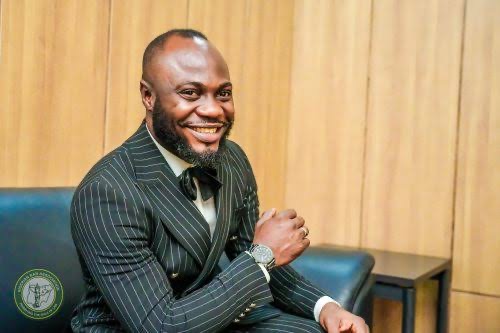
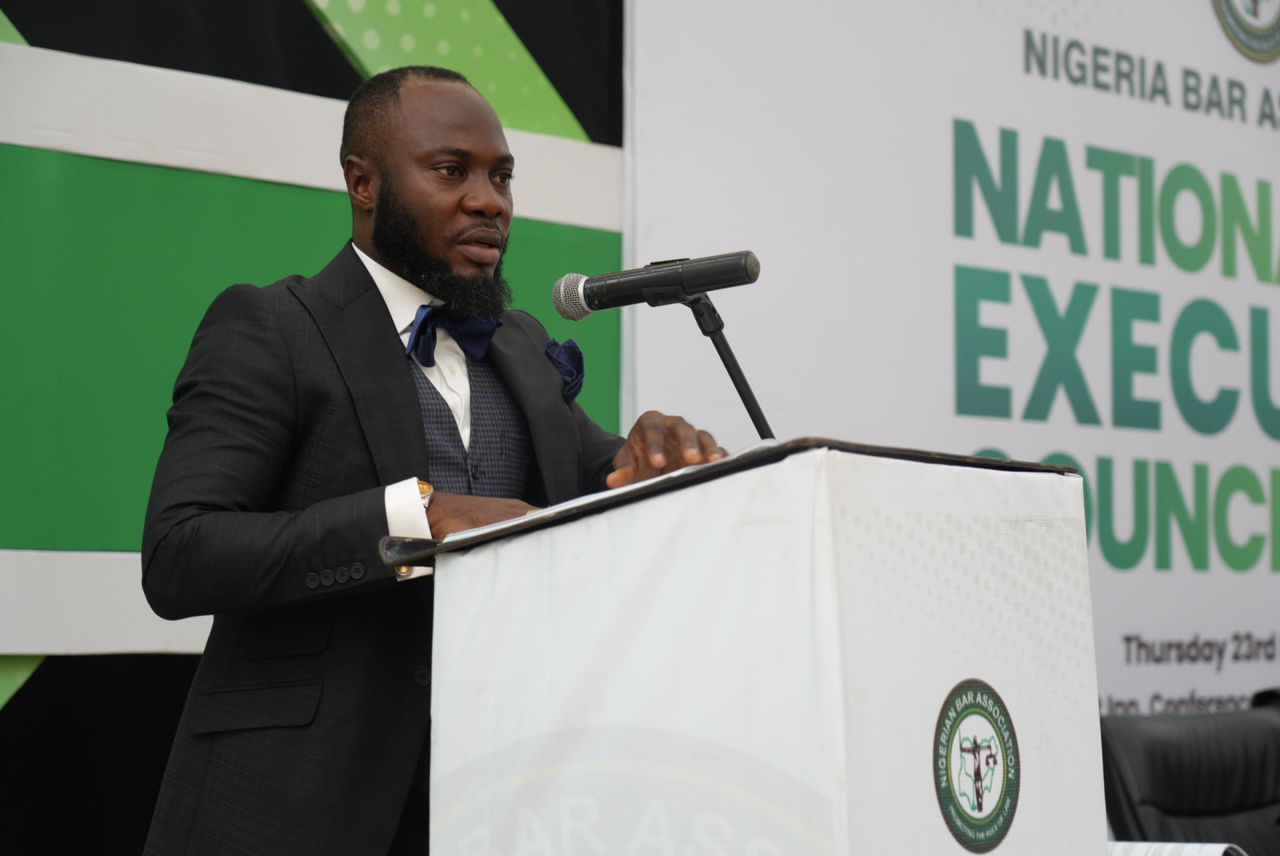
Are you a lawyer? Have you met Charles Ajiboye? Charles is the Executive Partner at The Penthouse Law and is currently serving as the Assistant Publicity Secretary of the Nigerian Bar Association (NBA), and in that role, he has been very integral to the successes of the publicity secretariat under the current National Executive.
To mention a few here are a few of what Charles has contributed to the NBA as a member of the NBA Publicity team;
- It is on record that the publicity team in which Charles is an integral member has revived the NBA Newsletter.
- It is also on record that the NBA publicity team has reorganized how emails are sent to members in compliance with current privacy laws of the country and in compliance with global privacy policies. Now members are free to determine which emails they receive and which emails they do not receive. There is backend data that can monitor open rates, unsubscribing rates, and all sorts to ensure efficiency.
- It is also on record that this is the first time in recent history in the NBA that an Assistant Publicity Secretary will be appointed as Alternate -chairman of the Media and Publicity Subcommittee of the Annual General Conference 2024. This is a testament and a proof of the enormous contribution that Charles brought to bear in the 2003 Abuja Annual General Conference.
- It is also on record that Charles has saved the Nigerian Bar Association several millions of Naira by his unusual ability to anchor, moderate and compare events. He has done this at scores of events for the Nigerian Bar Association at no cost at all, both at the branch level, at the section level, at NBA committees level, and even at the level of the National Executive Council.
5. It is on record that this current publicity team re-invogorated the social media accounts and Charles who manages the Instagram account got the account to be verified to ensure that the information that are on the NBA Instagram official handle are trusted.
6.Charles also raised the followership of lawyers on that IG account from less than 2,000 when he took over the account to over 7,000 followers now organically without one single financial investment from the NBA.
7. The current Publicity team also raised the Twitter account following from about 20,000 when the administration took over to over 41,000 now without any form of sponsorship, just by creative ideas and engagement.
8. Members can now follow NBA stories and news without any form of distractions through the WhatsApp channel which this Publicity team created.
9. Furthermore, there has now been a set up of an NBA blog and so lawyers are no longer tied to reading news only from NBA bloggers but the NBA now has an official blog which Charles has sufficiently managed under this current publicity team.
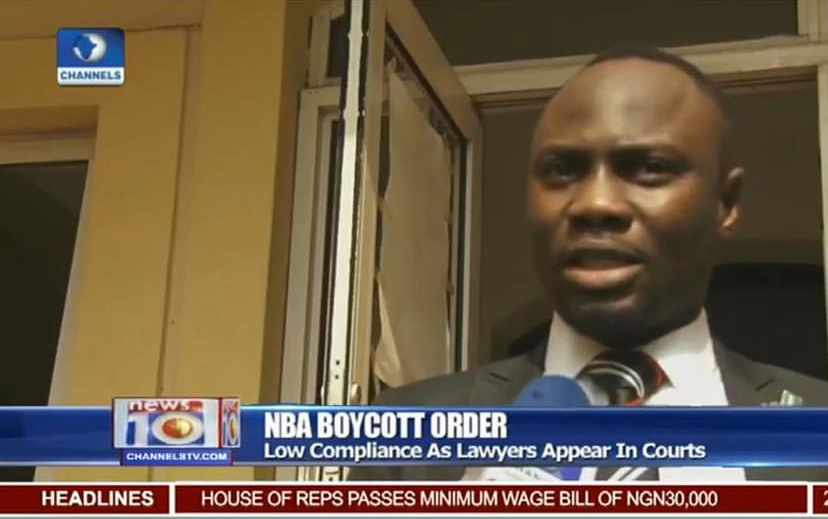
In addition to all of this, Charles has been a front line barman, an activist by excellence. He was at the forefront of the enforcement of the court boycott order when the NBA decided to boycott the court in protest to the illegal removal of the Chief Justice of Nigeria. Charles was also a front line barman and was part of those who led the activism that led to the reversal of the infamous land use charge in Lagos State. Charles has been part of several protests and activism against injustice, oppression of people and Nigerian lawyers, especially those that have been brutalized in the past by law enforcement agencies. He has been part of meetings and petition writing, litigation and the defense of the rights of many individuals.
There is no doubt that the Nigerian Bar Association needs Charles Ajiboye’s experience which has been garnered over the years in different roles both within and outside the NBA. As lawyers are gearing to the poll in less than three weeks, all lawyers are enjoined to vote Charles Ajiboye overwhelmingly as the National Publicity Secretary of the Nigerian Bar Association. The NBA will be greater for it.
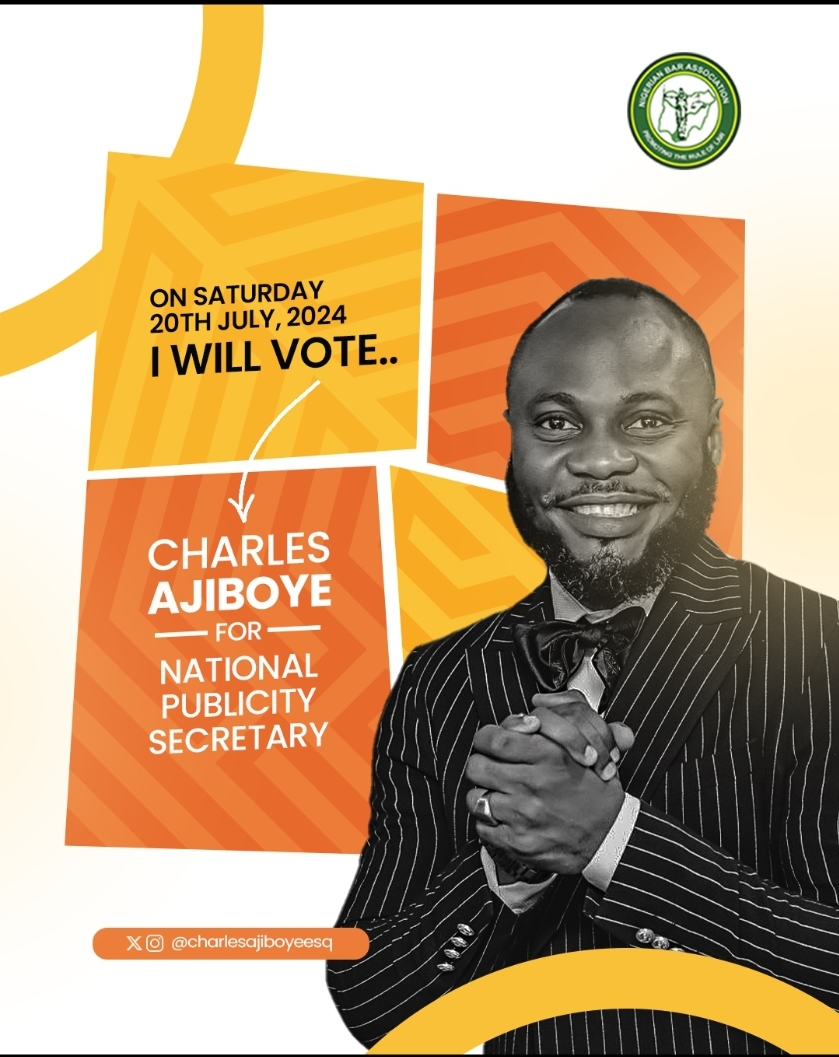
#BetterGlobalPerception #CharlesAjiboye
by Legalnaija | Jul 2, 2024 | Uncategorized
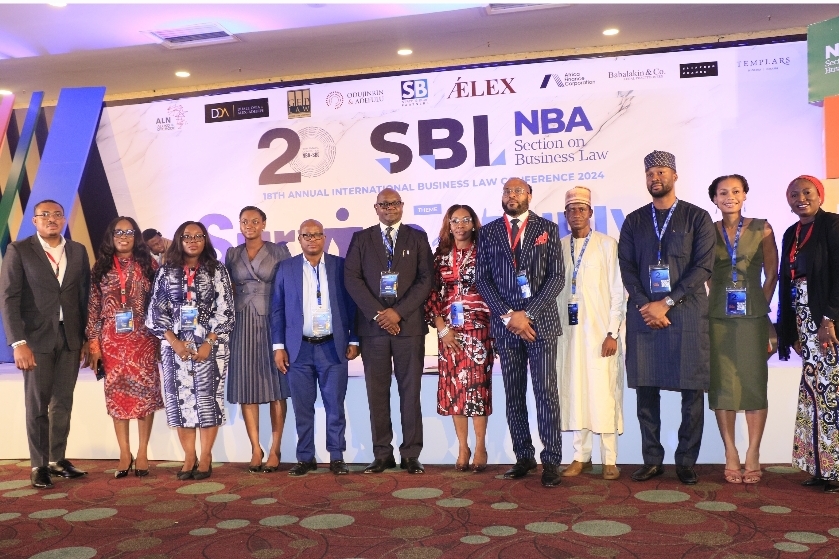
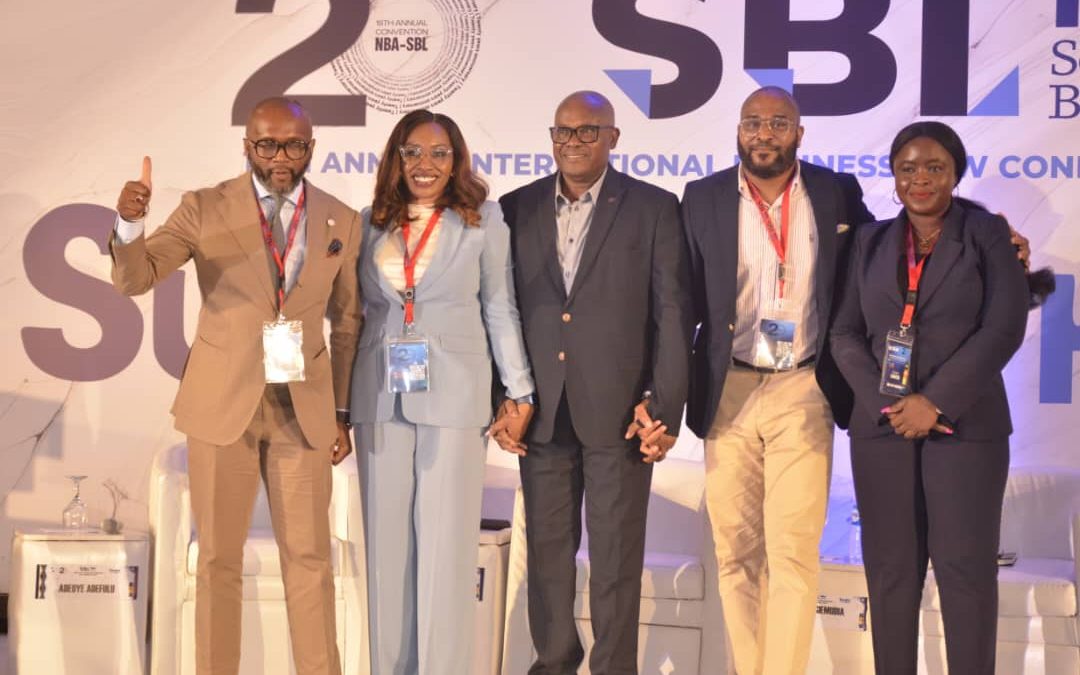
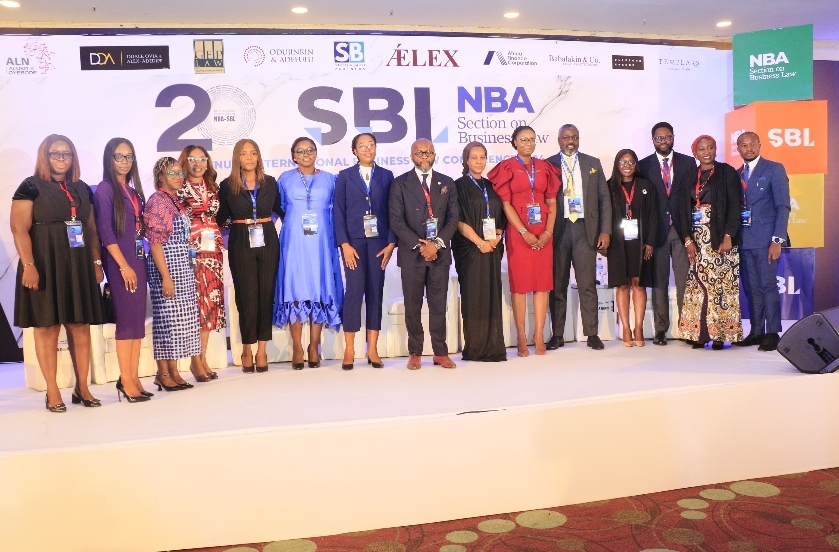
The Nigerian Bar Association Section on Business Law (NBA-SBL) concluded its 18th Annual International Business Law Conference on the 28th June, wrapping up a series of dynamic and informative sessions designed to empower legal practitioners and businesses. Themed “Survive and THRIVE,” the conference provided attendees with critical insights into various aspects of business law and the economy.
The day began with breakout sessions:
Breakout Session 1: Tackling the Power Deficit – Is Renewable Energy the Solution?
Moderated by Mrs. Dolapo Kukoyi, this session explored renewable energy as a potential solution to Nigeria’s power deficit. Speakers included Mr. Seyi Bioku (virtual attendance), Mr. Dafe Akpeneye, Ms. Ozim Ifeoma Ibeziako, Ms. Ozioma Agu, and Mr. Abba Aliyu.
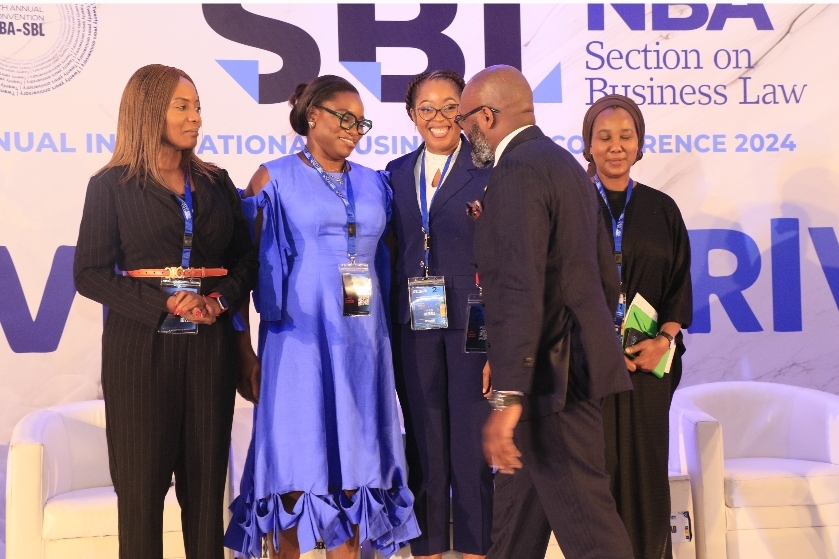
Breakout Session 2: Infrastructure Development and Economic Sustainability – A Case for Special Economic Zones
Moderated by Mr. Dapo Oduwole, this session examined the role of special economic zones in driving infrastructure development and economic sustainability. Panelists included Dr. Olufemi Ogunyemi, Mrs. Bolatito Ajibode, Mr. Mu’azu Musa Sahabi, Mr. Abiola Osho, and Mr. Yomi Ademola.
Breakout Session 3: Cybersecurity & Data Privacy in the Age of AI – Legal Considerations
Moderated by Mr. Olatunji Muritala, this session focused on the legal implications of cybersecurity and data privacy in the era of artificial intelligence. Speakers included Mr. Olumide Babalola, Ms. Rachel Magege (virtual attendance), Mr. Noble Obasi, Mrs. Ngozi Aderibigbe (virtual attendance), Mr. Victor Famubode, and Ms. Adamma Isamade.
Breakout Session 4: Balancing Act – Responsible Gambling Regulation in a Thriving Sports Betting Industry
Moderated by Mr. Ayokunle Adetula, this session addressed the regulatory challenges and responsibilities associated with the booming sports betting industry. Panelists included Mr. Lanre Gbajabiamila, Mrs. Beverly Agbakoba-Onyejianya, Mr. Layi Onafowokan, and Mr. Chizenum Nsitem.
Breakout Session 5: Unlocking the Potential of Real Estate Investment Trusts in Nigeria
Moderated by Mr. Ismaila Usman, this session delved into the opportunities and challenges in Nigeria’s real estate investment trust sector. Speakers included Hajiya Saadiya Aliyu Aminu, Mr. Ezekiel Nya-Etok, Mr. Gbenga Ismail, and Hajiya Sa’adatu Aliyu.
Breakout Session 6: The Untapped Potential of the Blue Economy
Moderated by Ms. Kashimana Tsumba, this session explored the blue economy’s potential in Nigeria and how it will help the governments create huge opportunities which in turn will create new sources of revenue that may contribute to the implementation of development plans and reduce donor dependency on national budgets. It featured insights from Dr. Emeka Akagbogu, Mr. Olanrewaju Badmus, Ms. Boma Alabi, OON, SAN, Ms. Joy Asanga-Dimka, and Mr. Jibril Abba.
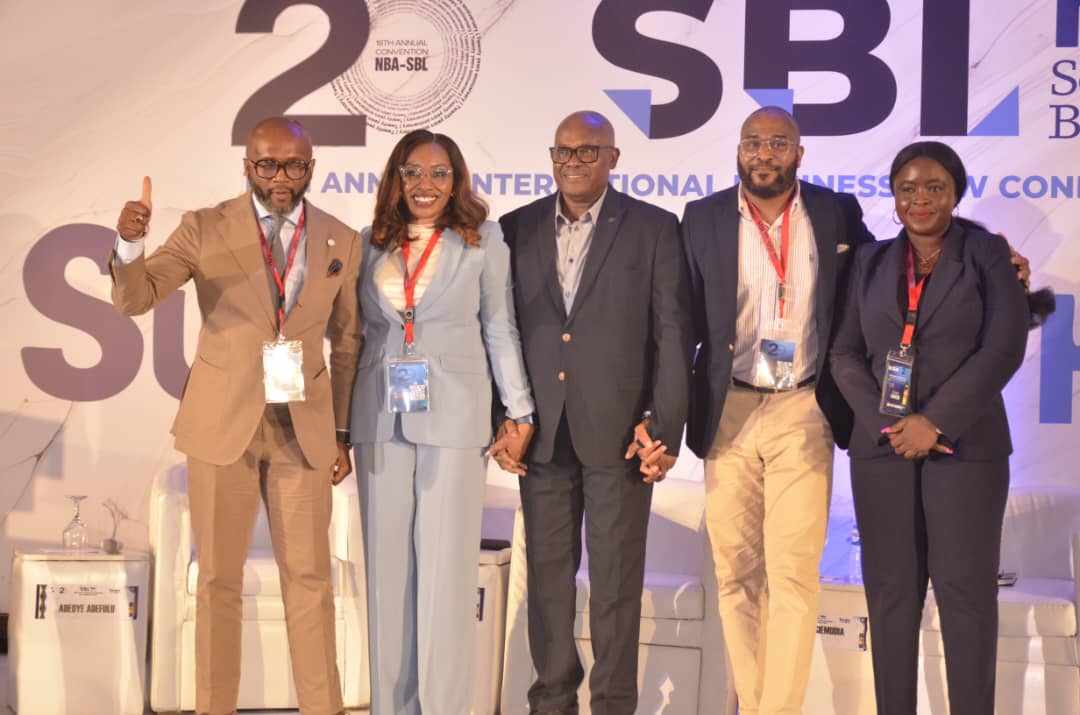
Following the breakout sessions was Plenary Five: Session with Past NBA-SBL Chairs. Moderated by Ms. Ozofu Ogiemudia vice chair NBA-SBL, the session reflected on the NBA-SBL’s past achievements and future directions. Mr. George Etomi, founding chairman of the SBL, reminisced about the organization’s inception and expressed joy at its growth.
He attributed the success of the SBL to hard work and dedication and commended the current chairman and planning committee for organizing an excellent conference. Mr. Adeoye Adefulu also shared his positive reflections on his SBL’s journey and encouraged young lawyers to engage actively, stating that the future of the SBL lies in their hands.
Next was Plenary Six: Mental Health – Moment of Truth: Are We Burning Out?
Moderated by Ms. Sylvia Nzekwu, this session addressed mental health and burning out in the legal profession, particularly in light of the current economic situation. Insights were provided by Mr. Omoruyi Edoigiawerie, Ms. Maimuna Ummi, Ms. Ayodele Adeyemi-Faboya, Ms. Tosin Ajose, Ms. Oyiza Salu, and Mr. Jamiu Akolade. The session encouraged attendees, especially young lawyers, to stay focused and resilient in their careers and to seek therapy if needed.
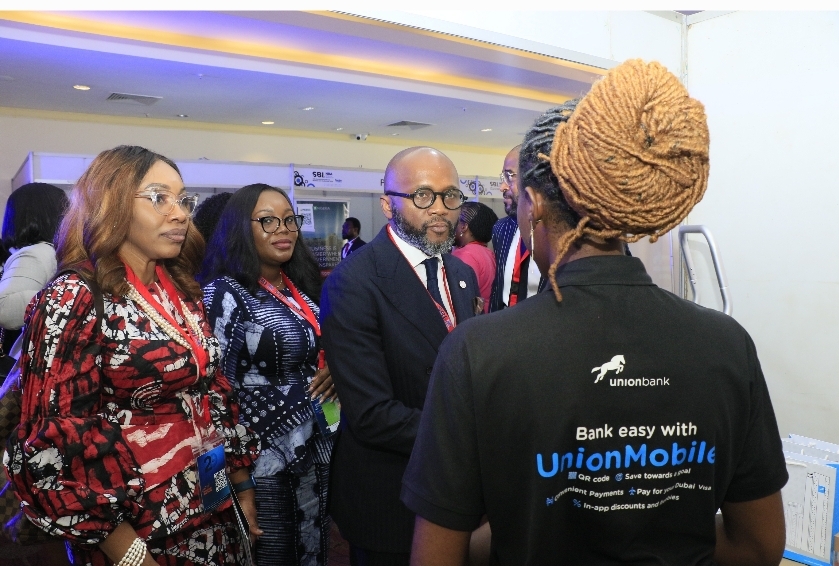
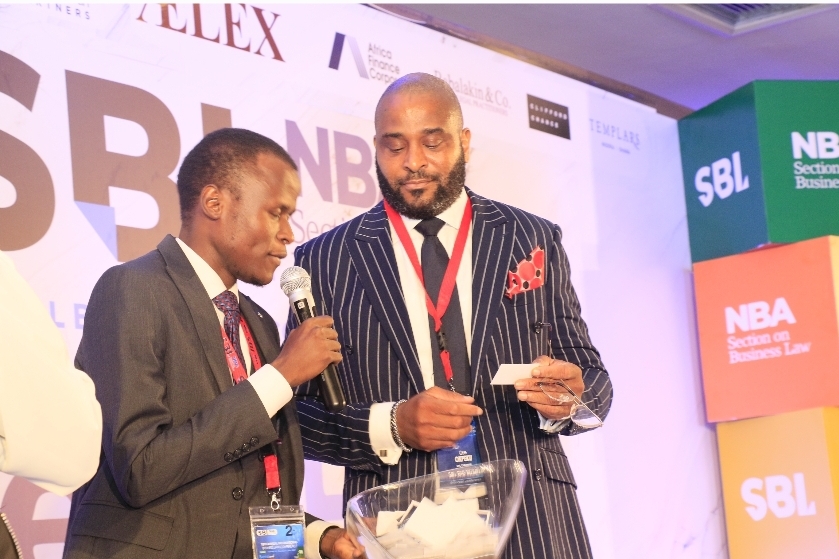
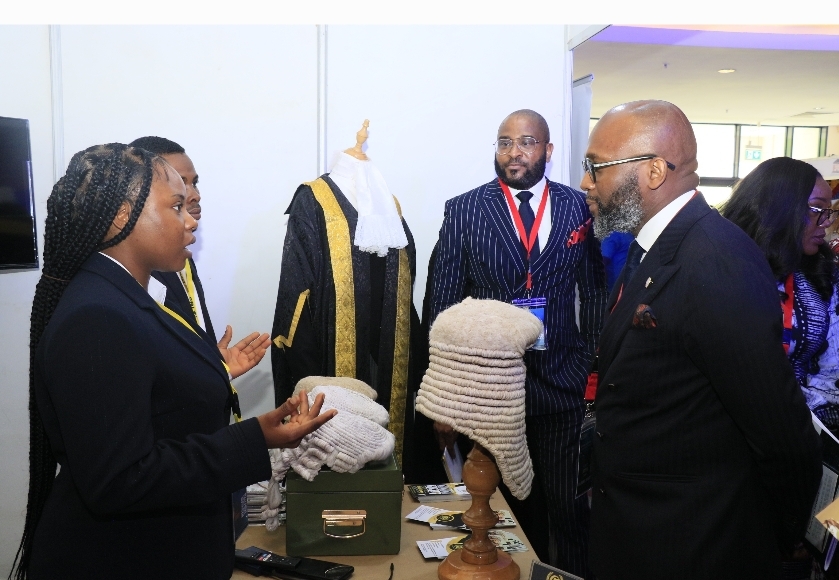
Following this were the conference debates. The day concluded with 2 lawyers winning the Tare Yeri Award and 1 winning the Oludamola Awobokun Recognition. The Tare Yeri Award was for dedication, selfless contribution and unwavering commitment towards the development of the NBA-SBL. While the Oludamola Awobokun Recognition was for embodying diligence, consistency, hard work, and efficiency in the NBA-SBL. Closing remarks and recognitions by the CPC Chair, Ose Okpeku and the NBA-SBL Chairman, Mr. Adeoye Adefulu, marked the official end of the conference. The conference ended on a high note in a lively celebration party for the NBA-SBL’s 20th anniversary.
The NBA-SBL remains committed to providing a platform for legal professionals to exchange knowledge and foster growth in the field of business law.
For further information and updates on the conference, visit the NBA-SBL website at www.nbasbl.org or contact the Conference Secretariat at info@nbasbl.org. Follow us on social media platforms to stay updated. Please visit NBA-SBL on Instagram – @nbasbl and Twitter – @nbasblofficial.