by Legalnaija | Aug 26, 2018 | Uncategorized
Full speech below:
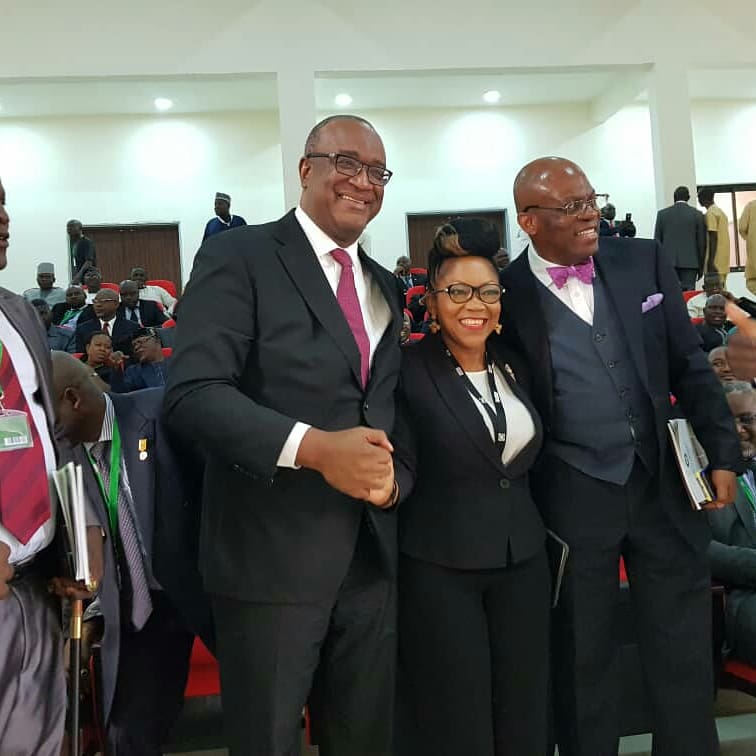
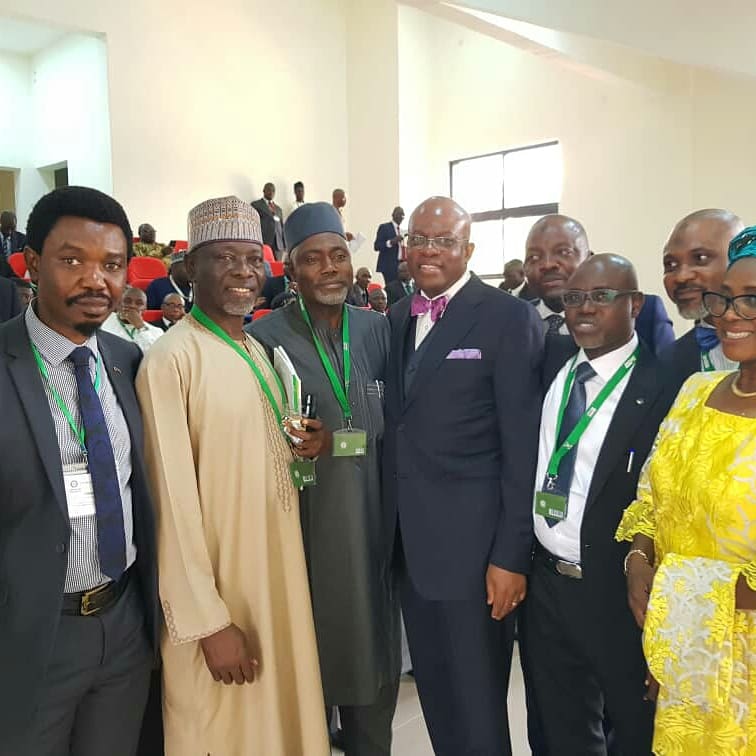
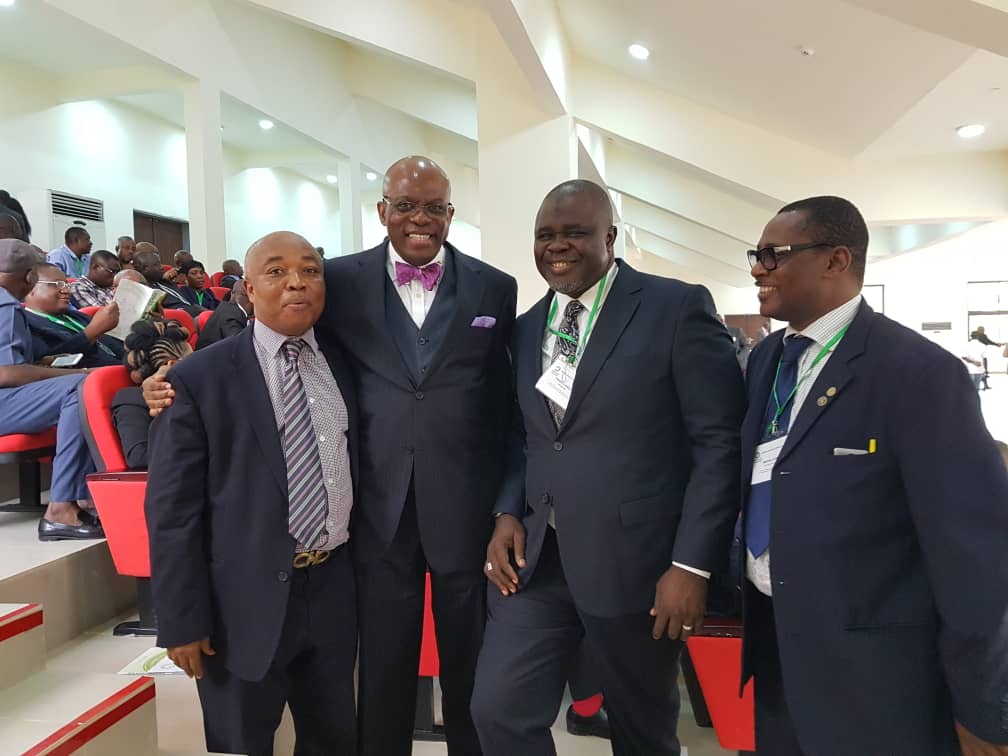
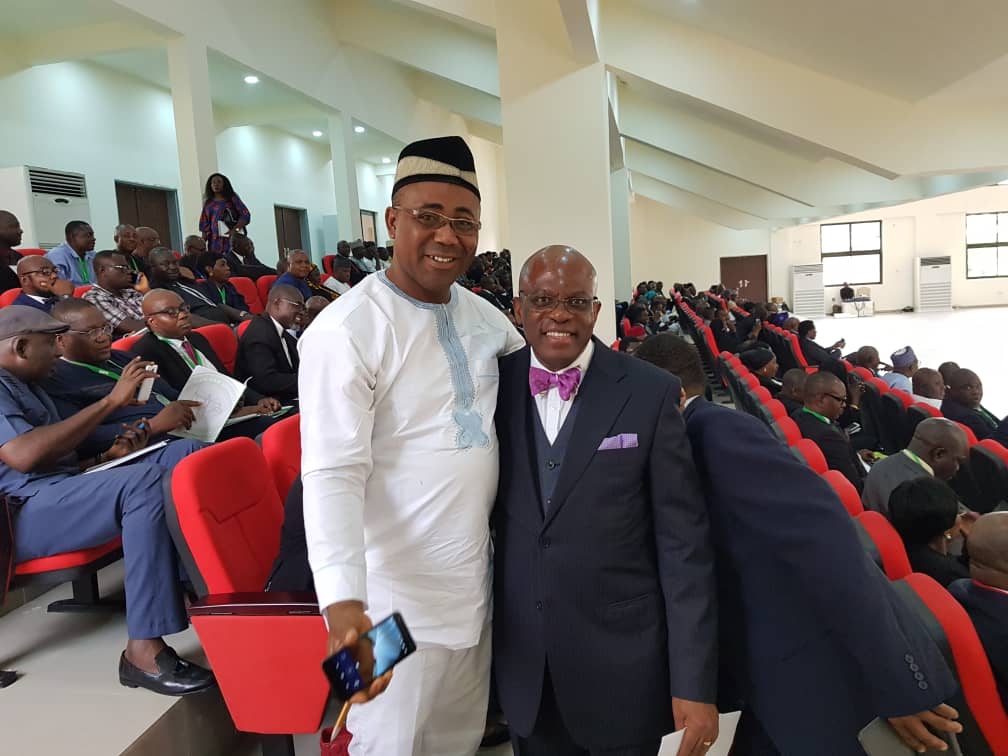
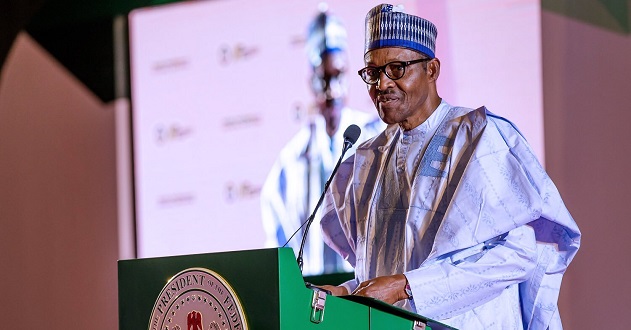
I am delighted to address this distinguished gathering on the occasion of the 2018 Annual Conference of the Nigerian Bar Association. Let me thank your Association for the invitation to declare this Conference open and to express my hope that the Conference will consolidate the position of the NBA as a prime stakeholder in our national affairs.
2. I am informed that with an average attendance of over 10,000 participants, this Conference represents one of the largest single gathering of lawyers anywhere in the world. I congratulate you all for this achievement which is a plus for our nation.
3. The theme of this 2018 NBA Conference — “Transition, Transformation and Sustainable Institutions” — is one which is apt in the light of our contemporary domestic and global challenges. I also consider it significant in view of the fact that it demonstrates the willingness of the NBA to address issues, not only related to the immediate practice of law but more importantly, to solutions of wider society’s problems.
4. Since the inauguration of this administration, I have had the privilege of observing at first hand how societies experience transition, attempt transformation and build or strengthen institutions to manage these processes.
5. As you will recall, this administration’s emergence marked the first successful civilian transition in Nigeria’s democratic history, following the outcome of the 2015 General Elections.
6. Given the enormity of the challenges we inherited and the yearnings of a citizenry earnestly desirous of a new way of running national affairs, our first challenge was to transform our country speedily into a society where impunity in the management of national resources would be replaced with a culture of accountability and transparency. We needed to deploy our resources to address our common needs rather than the greed of a callous few.
7. In order to achieve this, we have had to disrupt age-old assumptions and unsettle ancient norms in the management of our national patrimony, as you have all witnessed in the last three years.
8. While we have made appreciable progress in several sectors, including public awareness of the need to challenge the corrupt and the brazen in our midst, we have also learnt useful lessons on the dynamism of our society. However, elements within every society, including some lawyers, can equally become unduly resistant to change, even where it is proven that such change is to serve the interest of the larger society. At worst, corruption fights back.
9. As we gradually move into another season of intense political activities preparatory to the 2019 General Elections, I enjoin you to remember that by reason of your profession, you all have a responsibility to work for national cohesion and unity through your speeches and public positions and most importantly in your advocacy in court.
10. In the context of opinions and narratives about our past and present political and socio-economic experience, you cannot afford to jettison rational and proper analysis of issues in a manner which builds, rather than destroys the nation. I also urge you to work to uphold and improve the sanctity and integrity of our judicial and electoral institutions which play a fundamental role in the sustenance and growth of our democracy.
11. However, let me remind you all, my dear compatriots, that the law can only be optimally practiced in a Nigeria that is safe, secure and prosperous.
12. As you go into this Annual Conference, let me assure you of the resolve of this administration to promote measures that will achieve a vibrant economy under which the practice of law will thrive.
13. Through fiscal discipline, good housekeeping, we navigated the difficult days of economic transformation at the beginning of this Government in 2015 and have now come to improving economic indices, including the consistent increase in our foreign reserves; thirteen straight months of decreasing inflation; the expansion of social safety nets programmes as well as the blockages of historical drain pipes in our national treasury, all within the context of the Economic Recovery and Growth Plan.
14. It is equally significant to emphasize that our willingness to hold persons accountable for offences against society, through the judicial process, will equally transform the future of public service in Nigeria in a positive manner.
15. I believe that lawyers can contribute to another core objective of enhancing our business environment and promoting social justice by promoting respect for the Rule of Law; contributing to the law reform process and putting national interest and professional ethics above self in the conduct of their business.
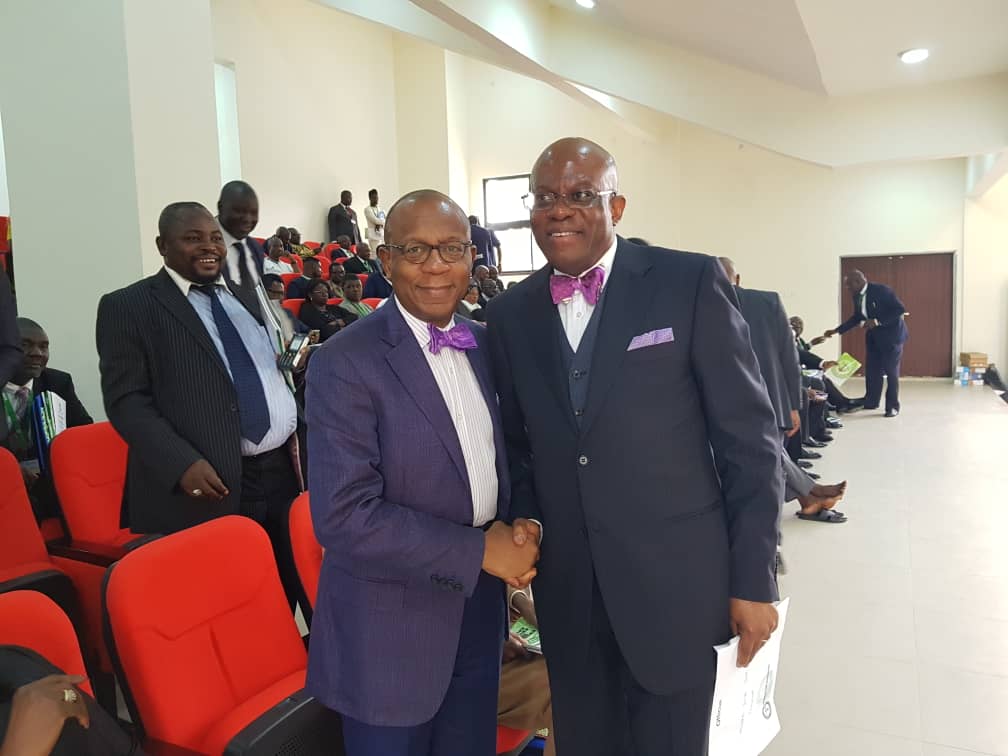
16. Rule of Law must be subject to the supremacy of the nation’s security and national interest. Our apex court has had cause to adopt a position on this issue in this regard and it is now a matter of judicial recognition that; where national security and public interest are threatened or there is a likelihood of their being threatened, the individual rights of those allegedly responsible must take second place, in favour of the greater good of society.
17. I trust that this Conference will achieve tremendous success and I urge you all to participate actively in its various intellectual and social activities in order to build new bonds and strengthen old relationships. I congratulate the incoming National Executive of the NBA led by Mr. Paul Usoro, SAN, and wish them a successful tenure in the task of advancing legal practice in Nigeria.
18. In conclusion, may I wish you all, once more, a very fruitful Conference. It is my hope that the outcome of your deliberations will impact positively on the socio-economic fortunes of our country and Africa in the years ahead and improve access of the poor and under-privileged in our society to justice. I look forward to reading the conclusions of your conference.
19. Your Excellencies, My Lords, Distinguished Ladies and Gentlemen of the Bar, it is now my pleasure to declare the 2018 Annual Conference of the Nigerian Bar Association open.
Thank you and God bless the Federal Republic of Nigeria.
by Legalnaija | Aug 26, 2018 | Uncategorized
Learn & Share
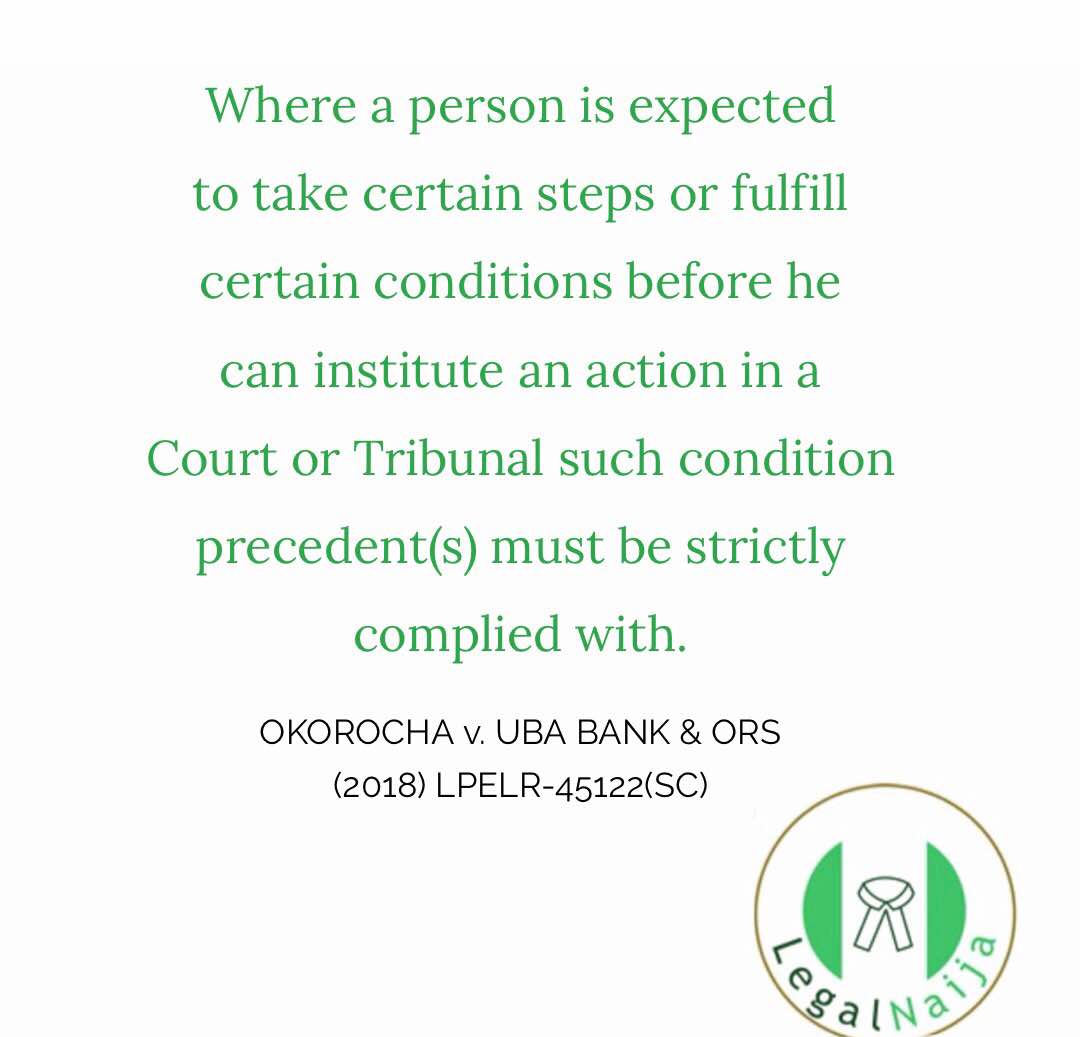
It is always important to pay attention to clauses in agreements wherein a procedure for seeking redress or registering a complaint is expressly provided.
For, if you jump straight to court, your suit may be struck out for lack of jurisdiction.
by Legalnaija | Aug 26, 2018 | Uncategorized
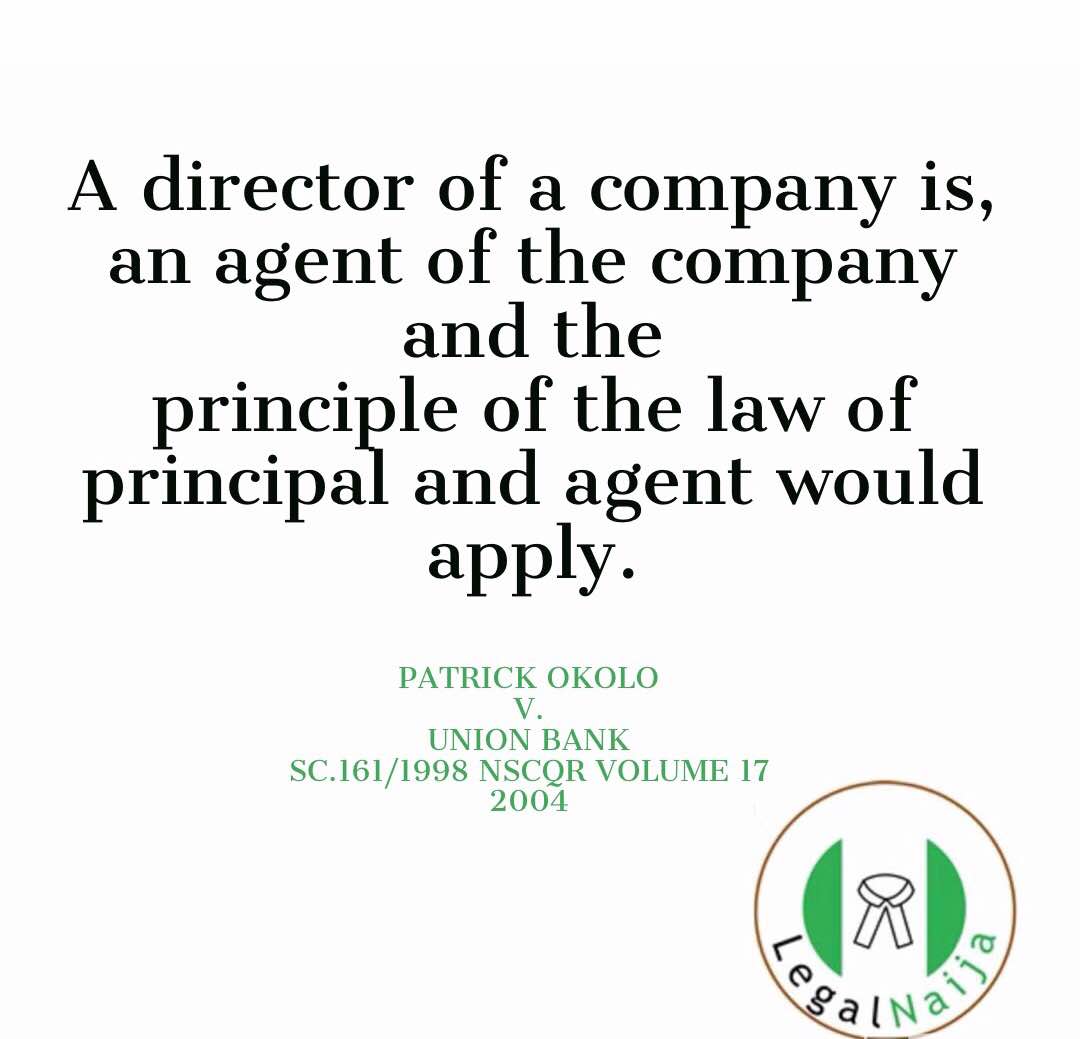
Where a director enters into a contract in the name of or purporting to bind the company, it is the company, the principal, which is liable on it, not the director.
Therefore, when going into agreements on behalf of your company, be sure to understand this principle.
Note: There is a provision of the CAMA that allows the court to lift the veil of the company and reach directly to the directors. E.g. fraud
Learn and Share
#company #law #companylaw #lawyerlife #lagoslawyer #businesslaw #lawnews #legalnews #legalnaija #blawg
by Legalnaija | Aug 26, 2018 | Uncategorized
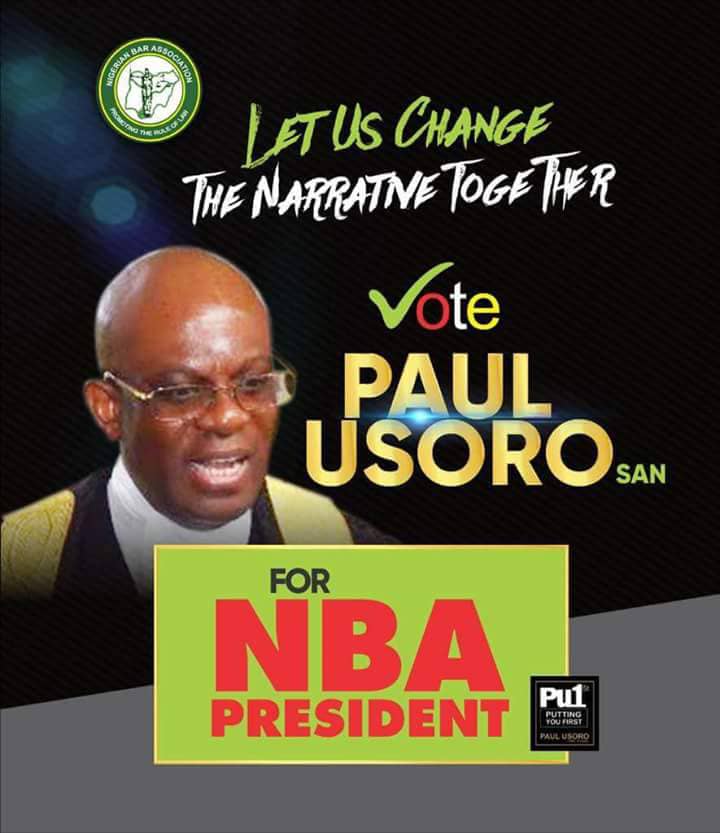
I have read the Preliminary Report that was prepared and released by Mr. Olumuyiwa Olowokure, the Leader of the Arthur Obi Okafor, SAN’s Technical Team, alleging irregularities that the Team purportedly identified in the just concluded NBA Elections. In the Report, Mr. Olowokure attempts to rubbish the NBA Elections and calls on “the current leadership of NBA to act and cancel this fault laden process that declared Paul Usoro SAN the winner of the election”.
The election processes had its significant challenges which would need to be looked into and addressed by the incoming NBA administration, but the election itself, as far as I observed, met the standard of substantial compliance and Mr. Usoro won the Presidency of the NBA straight and square. The current negative narratives by Arthur Obi Okafor, SAN’s Team amounts to unnecessary bellyaching and an attempt to call a dog (the Elections) by a bad name in order to nullify it.
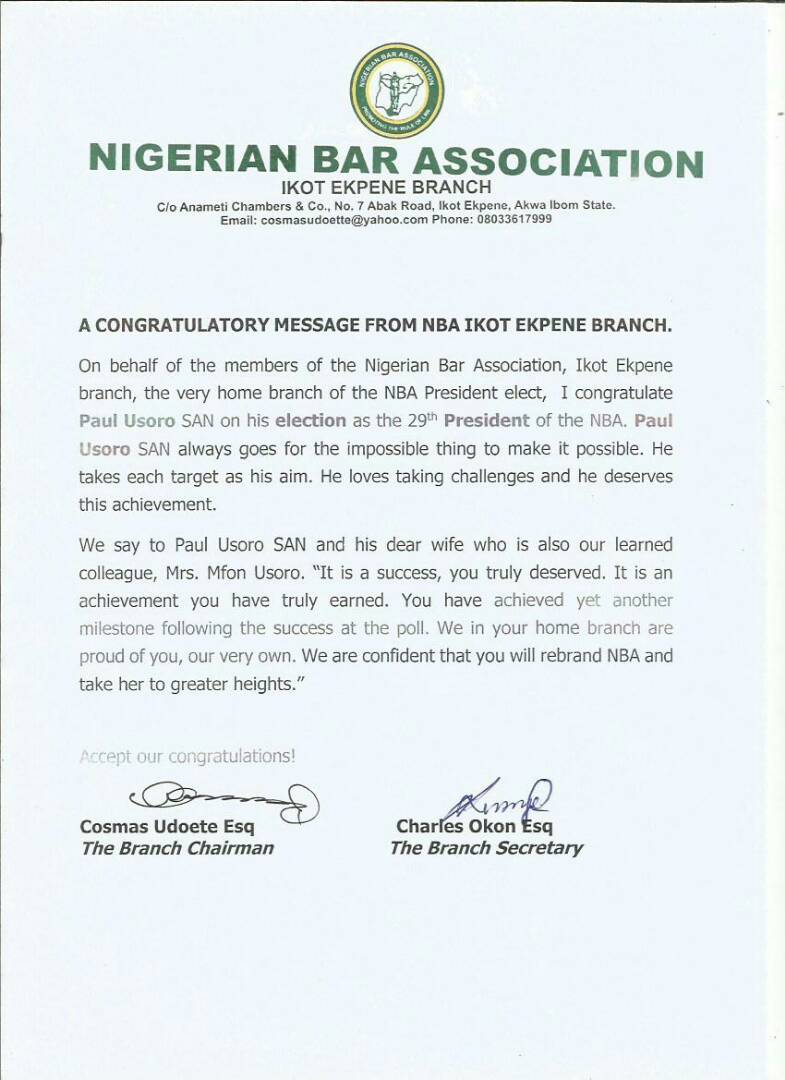
The Elections results have been hailed by the majority of lawyers across the geographical spread of Nigeria and Mr. Usoro is positioned to take over as the 29th President of the NBA, by Divine Grace. I know and can confirm that Mr. Usoro is focused on and determined to effect significant reforms in the NBA with the aim of making the NBA an institution of pride to all lawyers and non-lawyers alike. Typical of him, he has been magnanimous in victory and has graciously extended his hand of friendship and brotherhood to both Prof Ernest Ojukwu, SAN and Chief Arthur Obi Okafor, SAN.
“Openmailbox.org”; “firemail.cc”; “airmail.cc” Domains
The crux of the AOO Report relates to the allegation that there were certain irregularities in the Election in regard to the verified voters’ list and the use of three main domains – “Openmailbox.org”, “firemail.cc” and “airmail.cc” – by some lawyers in their e-mail addresses in the said list. According to the AOO Report, the lawyers’ actual e-mail addresses were supplanted by unknown persons with e-mail addresses from these three domains that did not belong to the named lawyers. I took active part in Mr. Usoro’s campaign and represented him in meetings with ECNBA and can state categorically that Mr. Usoro’s Campaign Team was not aware of nor privy to any such actions assuming that they happened at all.
What is rather troubling and extremely alarming to me is the admission by Mr. Olowokure in the AOO Report that he and his Team may have hacked into and/or compromised the Crenet and Chams servers in the course of the Elections. According to Mr. Olowokure, “a day before the election” he and his Team purportedly “discovered from the verification portal the incidences of some strange looking email addresses that surfaced as lawyers alleged email addresses for the first time. These email addresses predominantly came from three domains “openmailbox.org”, “firemail.cc” and “airmail.cc”.
As we recall, at all times material to the verification, the candidates and indeed all lawyers were able to access the verification portal but could only see the names of lawyers, their Enrolment Numbers and Branches but definitely not the telephone numbers and e-mail addresses. The technical people in the PU Campaign Team who attended meetings of ECNBA with me and also acted as agents for Mr. Usoro during the elections inform me that these additional pieces of information could only be accessed from the backend of the servers – whether Crenet or Chams. The backends of these servers were accessible only to the Crenet and Chams administrators and no other; in particular, they were not accessible to the candidates.
So, assuming that the AOO Team are telling the truth, how did they come by the information which they purport to have had and which the other candidates did not have? For the avoidance of doubt, I have investigated and confirmed that none of the candidates nor their agents were permitted or allowed any access to the backend of the Crenet and/or Chams’ servers. Mr. Olowokure and his Team may either therefore be lying about what they claim to have known or they had actually compromised and hacked into the service providers’ servers in the course of the Elections. Only these circumstances would explain their purported e-mails to the ECNBA which were not copied to other candidates.
As at 17, 18 and early hours of 19 August 2018 when they purported to have sent those e-mails to ECNBA alerting the Committee to the use of those three domains, none of the candidates had been given the Crenet verified list of voters that contained the details and information which Mr. Olowokure and his Team purport to have had. It was not until 5,53pm on Sunday, 19 August 2018, following the further loading of data on to the Chams portal that the ECNBA released to the candidates’ agents the revised list of verified voters that contained the voters’ phone numbers and e-mail addresses. By that time, as Mr. Olowokure now claims in his Report, his Team already had that data and information with them.
Given this scenario and the possibility that Mr. Olowokure may have illegally compromised and/or hacked into the Crenet and/or Chams’ servers, what moral or even legal right has he and his Team to raise issues of irregularities in the recently concluded NBA Election? With his Team having purportedly had such unauthorized and illegal access to the servers as they now admit to having had, what could, or may they have done to the Election data and processes that the rest of us may not have been aware of?
Purported Evidence – Annexure G
Still on the integrity quotient of Mr. Olowokure and his Team, Annexure G to his Report does great disservice to his integrity and that of his Team. I have confirmed that Annexure G to Mr. Olowokure’s Report was not issued and/or given by the ECNBA to Mr. Olowokure and his Team. So, where did Mr. Olowokure and his Team get that document come from? It is either that the document was fabricated by Mr. Olowokure and his Team or they, as is now becoming obvious, had compromised and hacked into the Crenet and/or Chams servers to obtain the data. I leave you, dear readers, to make your judgment on the credibility and probative value of documents of that nature, whether fabricated or illegally obtained. Beyond that, I leave you to judge the integrity quotient of the people who engage in such illegalities and malpractices
Move On
In all of these, it is rather intriguing to me that the AOO Team, in the ECNBA’s Election Situation Room and beyond, were, while voting was under way, literally jubilating, back-slapping, gloating and rejoicing at the prospect of success, believing that they had won the Presidency of the NBA as witnessed by all in the ECNBA’s Situation Room. This euphoria continued until Mr. Usoro closed in on and overtook Chief Okafor in the evening of Sunday, 19 August 2018. Assuming that that upset did not occur and Mr. Okafor had proceeded to win the Election, would Mr. Olowokure and his Team have seen and come out with the “warts” that they now claim to see in the processes of the Election? Definitely not.
We know that it is a Nigerian attitude to always blame election losses on malpractices and irregularities, but we should strive to be different in the NBA Elections. Losing an election does not make one any less of a Bar Leader and the respected Senior Advocate of Nigeria, Chief Arthur Obi Okafor, SAN can still make tremendous contributions to the Bar under the leadership of Mr. Usoro, to the Glory of God and man. I therefore most respectfully implore him to accept Mr. Usoro’s olive branch and let peace and progress reign, in the overall interest of the Bar.
Victor Abasiakan Ekim
#IStandWithPaul
by Legalnaija | Aug 26, 2018 | Uncategorized
The Kaduna State House of Assembly bill tagged ‘A LAW TO ESTABLISH THE KADUNA STATE MORTGAGES AND FORECLOSURE AUTHORITY TO REGULATE MORTGAGES, FORECLOSURE AND ENFORCEMENT OF REAL PROPERTY AND CONNECTED PURPOSES, 2017’,
is said to reduce the housing deficit in the state of Kaduna at the same time reducing the liability of the state government in maintaining government properties. It must be appreciated that this provision makes it possible for all state residents to acquire homes notwithstanding whatever sectors they belong to.
The Law starts by establishing (1) Kaduna State Mortgages and Foreclosure Authority under section 5 of the law, a corporate body tasked with the duties of creating a conducive environment for accessible and affordable mortgages for the benefit of residents of the State; advising the Governor on the funding, administration and structure of the State mortgage finance program or policy for the benefit of the indigenes and civil servants of the State; harmonizing any mortgage scheme or policy which the State has or may put in place from time to time in connection with the making, processing, placing, registering or administration of mortgages; and
(2) in Sections 16, the establishment of a Mortgage registry through the State Mortgages and Foreclosure Authority, this registry shall receive and process applications for consent of the Governor or the appropriate Local Government Area to mortgage transactions; receive and process applications for the registration and release of mortgages; keep and maintain a register of mortgages; provide a reliable record of information about interests in mortgages in the State to the Authority; interact with third parties concerned with property and mortgages; and receive and process applications for mortgage related searches.
In sections 32, the law clearly sets the covenants for the mortgagor. For instance,
The Mortgagor in all Mortgage transaction shall contain covenants as agreed by the parties:
(1)pay the principal sum borrowed at the times appointed in the mortgage deed, and, so long as the principal money or any part of it remains unpaid, to pay interest on it or on so much of it as for the time being remains unpaid at the rate and at the times and in the manner specified in the mortgage deed;
(2)pay all rates, charges, rent, taxes and other outgoings which are at all times payable in respect of the mortgaged property;
(3) repair and keep in a reasonable state of repair all buildings and other improvements upon the mortgaged property and to permit the Mortgagee or his or her agent at all reasonable times until the mortgage is discharged and after reasonable notice to the Mortgagor to enter the mortgaged property to examine its state and condition;
(4) provide adequate insurance to make good any loss or damage caused by fire, tornado, windstorm, flood, earthquake and lightning and such other related risks to all buildings on the mortgaged property, and, where insurance is taken out, it is done in the name of the Mortgagor with insurers approved by the Mortgagee acting reasonably and to the full replacement value of all the buildings on the mortgaged property. Provided that such insurances shall note the Mortgagee as the first loss payee;
(5) use the mortgaged property in a sustainable manner and to comply with all written laws, regulations and lawful orders applicable to the use of the land
A noteworthy area of the law is on the area of dispute resolution.
The law clearly states, particularly in sections 40 that:
(1) All matters arising from, or connected with a mortgage transaction may be resolved by arbitration or any other alternative dispute resolution mechanism.
(2) Where there is no agreement between parties to resolve the dispute by means of any alternative dispute resolution mechanism, the Court may refer all or part of the issues arising for determination in a proceeding before it relating to mortgages under this Law to the arbitration mechanism operational in the State.
(3) All arbitration proceedings conducted pursuant to the provisions of this Law or any other Arbitration Law applicable in the State shall be concluded within a period not exceeding thirty (30) Business Days by which time the arbitration panel must deliver an award.
(4) The arbitration provisions under this Law shall be read in conjunction with the Arbitration Laws of the State.
The law appreciates the speed and cost effectiveness of alternative dispute resolution. Additionally, a mortgagor shall be in default under a mortgage after a period of ninety (90) Business Days has elapsed subsequent to the Mortgagor failing to meet any obligations under a mortgage deed or fulfill any covenant or condition, express or implied in any mortgage deed or any underlying contracts.
Finally, the conditions for application of these mortgage scheme on the part of a private developer are clearly stated in sections 48 of the law. In the same vein the protects innocent purchasers from prejudicial conduct. In section 50 of the law, it is stated that
“An application for registration of a Scheme Plan and issuance of Scheme Titles may be withdrawn only where the withdrawal is no or will not be, detrimental to the interests of any person who has purchased or agreed to purchase any Unit of the property in question in reliance on the application having been made”
In conclusion, it must be recalled that the state government had declared its intention to sell some of its residential quarters to public servants and the general public. The move to sell off 1,990 government houses according to reports was to cut the cost of maintaining the quarters as endorsed by the State Executive Council. Through the Mortgage and foreclosure law, this disposal of property will be achieved. Private developers and the general public have a lot to gain thanks to this enactment.
Eseoghene Palmer Esq.
Legal Practitioner
www.adedunmadeonibokun.com
Photo Credit – www.kdsg.gov.ng
by Legalnaija | Aug 26, 2018 | Uncategorized
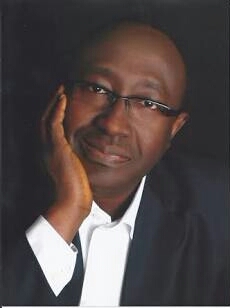
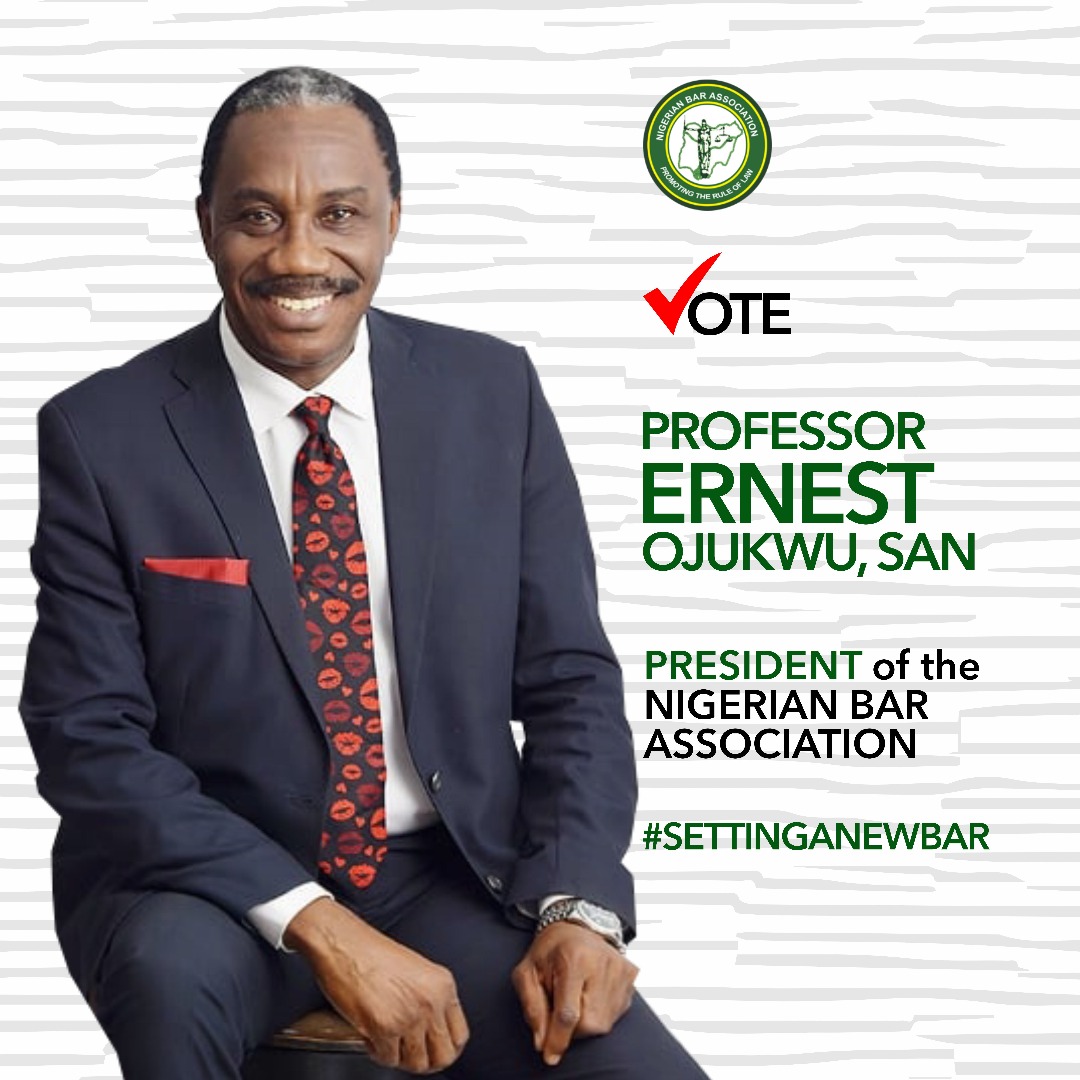
The past President of the NBA has expressed his delight at the effort of Paul Usoro on his recent election success. He also shared advice on leading the bar to greater heights.
See below the letter:
Dear Paul,
Congratulations on your success at the poll. I wish you a successful tenure.
Thank you for letting me into the content of your draft letter to your co-contestants.
I believe it is a good idea as the Bar must always be one. Please ensure you carry Prof. Ernest Ojukwu, SAN and Arthur Obi Okafor SAN along at all times. I would also advice that you see the entire Bar as your constituency. In other words, those who did not support you should not be discriminated against. This unfortunately has been the norm in the past and it has not augured well for the Bar.
I wish you God’s speed.
Best wishes
Bayo Ojo, SAN CON
Photo Credit
by Legalnaija | Aug 25, 2018 | Uncategorized
The past President joins a host of former Presidents to congratulate Paul Usoro on his election as the incoming leader of the NBA.
See below details of the letter
My dear Paul,
Permit me to acknowledge receipt of your endorsed mail to Ernest and Arthur , both of who contested the last NBA presidential election with you , you being the declared winner.congratulations.
May I commend the wisdom and thoughtfulness behind your mails , both to your illustrious co- contestants , as well as the past Presidents of our great and noble Association. That’s how it should be ; and that was how it had always been until we started losing or feigning ignorance or forgetfulness of what NBA used to be and represent. Truth be told , each of the three of you is well qualified , equipped and experienced to become our President ; but there can only be one President at a time . Having won the election , you’ve become our leader and a leader. It’s your duty to assuage feelings , and ensure the emergence of a United Bar. More than ever before , both our nation and profession need a strong , virile and formidable Bar , to speak both for the profession – the Bar and the Bench , as well as for the generality of our citizens. A divided house cannot achieve this ; a harassed or distracted leadership cannot face the mounting and daunting challenges facing our profession and nation.
While I will submit that you’ve started and done well by your afore- mentioned mails , you have and need to do more , and very urgently too. Put behind you the soap box rhetorics, and take the bull by the horns. Kickstart the process of healing and reconciliation within the NBA , and unite all the diverse factions and interests. Put in place a transparent system that will ensure all and sundry that the NBA presidency is for service , rather than self aggrandizement . Like the late President Umoru Yar’adua , be humble and manly enough to admit that the system that brought you to office was/ is faulty , and say it loud and clear that through you , our Association will never pass through that way or path again. Please don’t mount any high horse ! Very important. For the past three elections or so of NBA Presidents , similar allegations as are now being made and repeated against you had dominated the Bar landscape and hemisphere . Presently , the case challenging the election of the outgoing President by Chief JK Gadzama SAN is still in court ! For God and goodness sake , put a halt to this mess!
As for Ernest and Arthur , each of you is a gentleman of the highest order. You’ve carried out your respective campaigns with maturity , poise , style and much elegance . But there cannot be three Presidents of the Bar at the same time. Since the Lord lives for ever , there’s a better tomorrow for each of you , both at the Bar and the larger society. Without adjudging your complaints as frivolous or unmeritorious, I plead , with all sense of responsibility that let us forget the past ; let’s forgive ourselves ; let’s join hands with Paul to
rediscover and re- situate the Bar ; let’s now resolve that never again shall any presidential candidate of the Bar embark on the type of hazardous trips you all underwent in the past twelve months or indulge in the humongous expenses you all incurred.
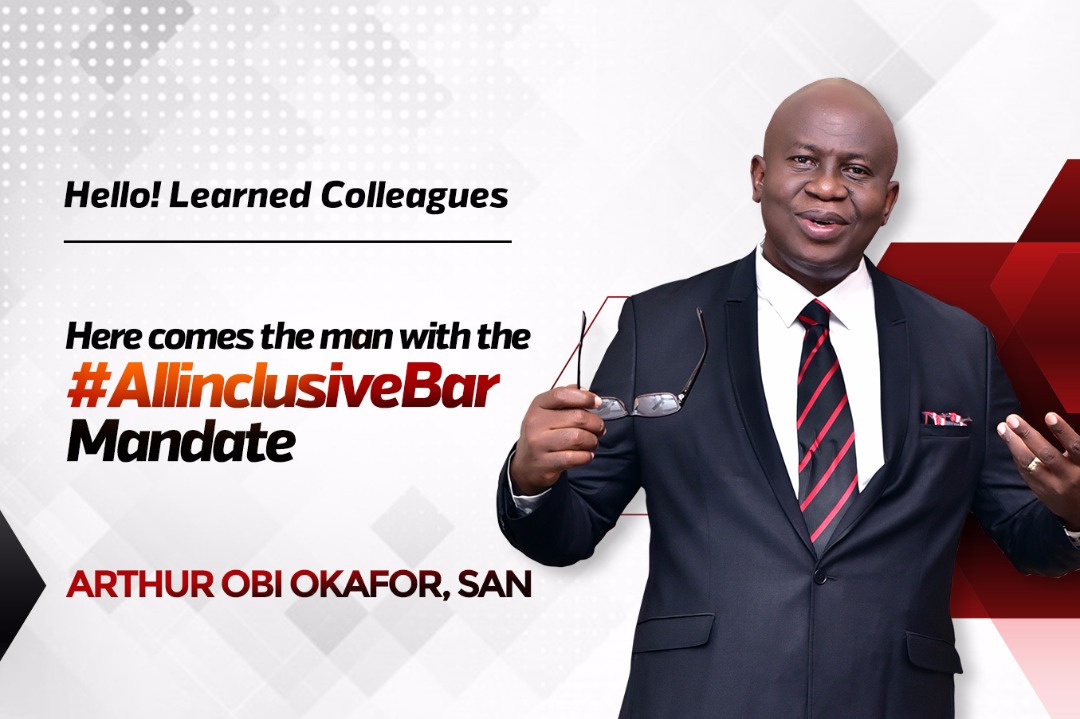
As for me , my loyalty and fidelity are always to our noble profession , and I believe I owe a duty to plead with all our colleagues , across the length and breadth of Nigeria who have some grievances and complaints against the last election to bury their hatchets ; and come together as a united body to chart a glorious way forward for the profession.
My respect to you Paul , as the in- coming President ; my high regards to Ernest and Arthur as my worthy
Colleagues ; my love to all .
Wole Olanipekun OFR , SAN
President , NBA , 2002-2004