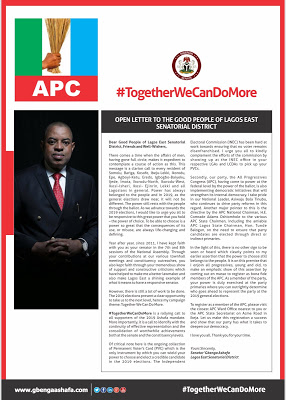
Ashafa Picks Up APC Senate Nomination Form For 2019 Elections

Ashafa Picks Up APC Senate Nomination Form For 2019 Elections

Today,
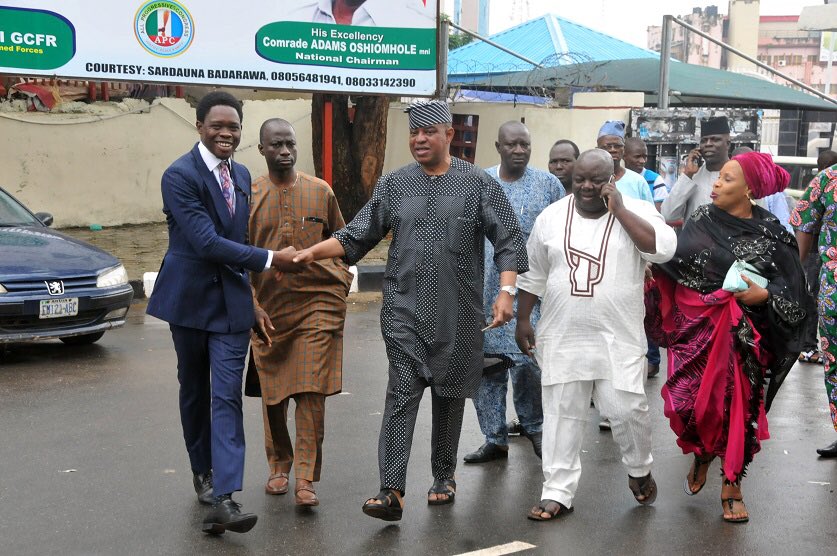
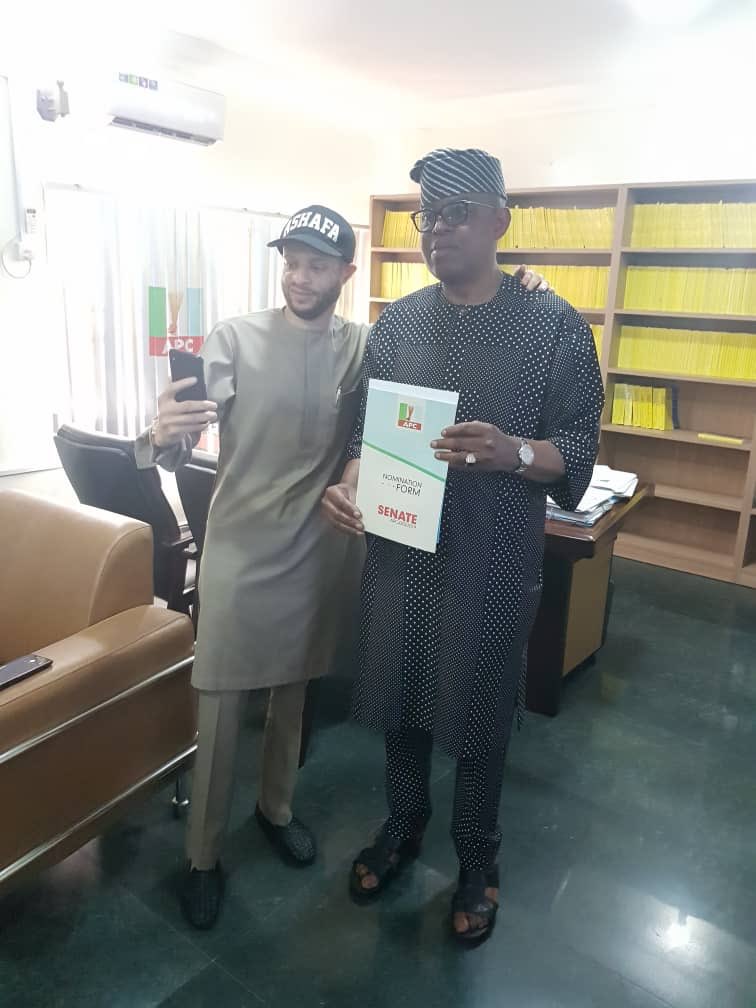
September 10, 2018, the Senator representing the good people of Lagos East
senatorial district, Senator ‘Gbenga Ashafa, obtained the senate expression of
interest and nomination forms for the APC primaries scheduled to hold on
September 26, 2016. He was accompanied to the national secretariat of the All
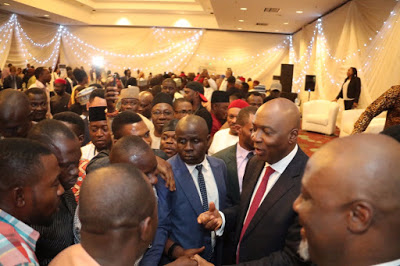
Progressives Congress in Abuja by Party Leaders from Lagos East, teeming
supporters, family friends and well wishers who were keen on witnessing the
anticipated moment.


He also used
the occasion to pay a courtesy call on the National Legal Adviser of the party,
Honourable Babatunde Ogala, whom he described as a very devoted and industrious
legal practitioner and party stalwart.
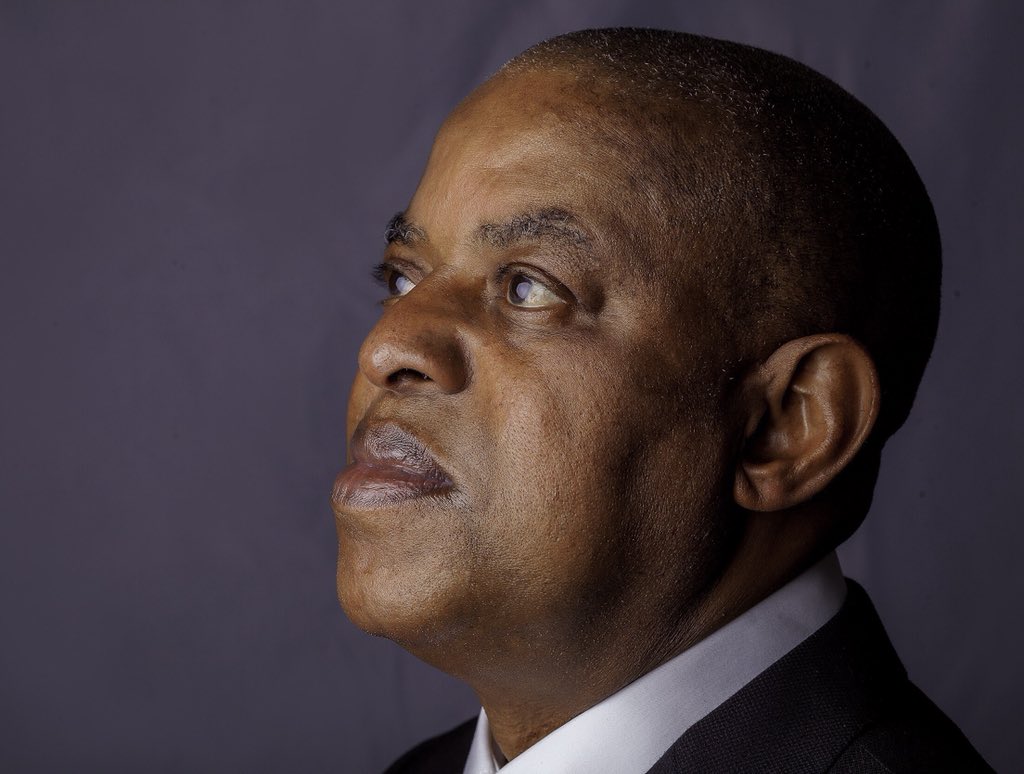
Senator Ashafa
who currently serves as the Chairman of the Senate Committee on Land Transport
used the occasion to thank everyone for their massive show of support and
steadfastness over the years. He reaffirmed his belief in the power of the
people as expressed through the ballot and urged them to maintain the same
passion with which they voted him into office in 2015.
In his words,
“I would like to urge you all to be responsive to this great power that you
hold – the power of choice. To be able to choose is a power so great that the
consequences of its use, or misuse, are always life-changing and defining. Year
after year, since 2011, I have kept faith with you as your senator in the 7th
and 8th sessions of the National Assembly. Through your contributions at our
various townhall meetings and constituency outreaches, you have also kept faith
by showing support and offering constructive criticisms which have helped to
make me a better lawmaker and also make Lagos East a shining example of what it
means to have a responsive senator.”
Senator Ashafa
showered accolades on the National Leader of the All Progressives Congress,
Asiwaju Bola Ahmed Tinubu and the APC National Chairman, Comrade Adams
Oshiomhole. He thanked them for living up to the democratic tenets that have
defined their journey as progressives and enjoined all APC members living in
Somolu, Bariga, Kosofe, Ibeju-Lekki, Ikorodu, Epe, Agboyi-Ketu, Eredo,
Igbogbo-Baiyeku, Ijede, Imota, Ikorodu-North, Ikorodu-West, Ikosi-Isheri,
Ikosi- Ejinrin and Lekki to emulate such tenets and turn out en masse at the
primaries on September 26, 2018.

—
Nigeria needs a young president; but not just any young President |Adedunmade Onibokun

Nigeria needs a young president; but not just any young President |Adedunmade Onibokun

As the 2019 general elections
approaches, Nigerians will have another opportunity to elect credible leaders along
all strata of government. It is important that these leaders are young,
intelligent and vibrant personalities who will steer the ship of our great
nation into a future of prosperity, growth and development. 


I propose to all Nigerians,
most especially young Nigerians to ensure we vote young politicians who have shown
a track-record of excellence and who exemplify the values we hope to see cascade
in the administration of our government.

This piece is not an indictment
on President Buhari, neither does it aim to criticize his administration. As
the President of this country, he has done his best in the past four years to
right the many wrongs pervading the nation. However, I feel it is time that His
Excellency steps aside for this youthful agenda.

It is also not my intention to
suggest in any way that our salvation lies with any political party, for any
political observer will note that Nigerian political parties have no clear set
out ideologies and are usually made up of the same class of people. For
instance, many politicians who were once members of the APC, have decamped to
the PDP and vice –versa. In party politics, personal interests hold a more
superior position over national interests and within the party, everyone just
wants to win, no matter the cost to our polity, our policies or even our
people.

Furthermore, though I campaign
for a youth agenda and alliance, I do not propose that we elect leaders based
solely on their age but also on the merit of their candidacy. Currently, many Nigerians
are unhappy with the state of the nation. Our health care systems rather than
improve have continued on a steady decline, medical practitioners are fleeing the
country in droves, businesses are dying or on life support and there are not
enough jobs for the millions of unemployed youths. Insecurity in the North-
East and the pockets of violence by herdsmen have taken farmers off the farms.
Also, there is no access to capital or cheap loans for boosting the economy and
just incase you are wondering the Trader Moni Programme is not the solution for
there is little N10,000 can do to help float or scale a business. Especially as
the environment has not been made conducive for business to flourish in.

It will take more than a young
President to reverse the name we have earned as the poverty capital of the
world, neither will the election of one young President fix all that needs to
be fixed, however, such a leader will understand adequately the thought process,
and needs of the youth. If we remember, the modern Nigeria was shaped by the
sheer will of young Nigerians. Sadly, the young leaders of yesteryears are still
the leaders of today, many of whom have outlived their youthfulness and
usefulness, such leaders should not be given the mandate of crafting a Nigerian
future they would not be part of.

However, like I mentioned above,
it is not only about electing a youthful leader, it is about electing a young
leader who is the best man for the job. For instance, for the position of
President, we have quite a number of young leaders who have signified interests
in occupying the number 1 office, including Fela Durotoye (46 years), Kingsley
Moghalu (55 years), Eunice Atuejide, Donald Duke (56 years), Omoyele Sowore (47 years) and Bukola Saraki
(55 years).

Many of the above-mentioned candidates are successful in their own right,
having established successful business and had high-flying careers. However,
not all of them are fit to be regarded as the best young person for the job. For,
if success is all it takes to administer a country, the United States will not
currently be regretting their choice of a leader. If I were to make a list of
some of the criteria I will like to see in who holds the office of President,
they will include –

1.       A
good leader

2.       A
patriotic citizen

3.       A
healthy person

4.       A
skilled negotiator

5.       A
background in and wide understanding of governance

6.       Excellent
budgetary experience

7.       A
good understanding of foreign affairs policies

8.       Compassionate,
yet strong-willed; and

9.       Understands
the importance of government policies in business

The candidate I believe possesses
all these characteristics from the above list is Bukola Saraki. He has shown
exemplary leadership as the Governor of Kwara State and as Senate President; he
is patriotic and physically fit; he showed excellent negotiation skills when
his intervention helped put an end to the JOHESU strike; he has a sterling
background in governance which started from his role as Special Adviser under
President Obasanjo; As Senate President, he has presided over national budgets;
he has a good understanding of foreign policy; he is strong willed as evident
in his rise to become Senate President and the hard positions he took while in
the role and lastly he understands the role and importance of government
policies in providing a conducive atmosphere for businesses as evidenced in the
creation of NASSBER – National Assembly Business Environment Roundtable.

If you were to elect a young
Nigerian President, who will it be?

Adedunmade Onibokun

@adedunmade is a lawyer and
writes from Lagos.

Duties And Powers Of The Public Complaints Commission | Adedunmade Onibokun

Duties And Powers Of The Public Complaints Commission | Adedunmade Onibokun

 On 16th October, 1975 the Murtala Muhammed
administration enacted Decree 31, which provided for the creation of the Public
Complaints Commission (PCC). The Decree was based on the recommendations of the
Udoji Report, following the government’s desire to improve the standard of
living of the generality of Nigerians.

By virtue of Section 315 of the Constitution, which provides
for the adoption of existing laws prior to the commencement of the 1999
Constitution, the PCC became known as the PUBLIC COMPLAINTS COMMISSION ACT, CAP
P37 LFN 2004.

The purpose of the Act is in its preamble where it’s
described as, “an Act to establish the Public Complaints Commission with wide
powers to inquire into complaints by members of the public concerning the
administrative action of any public authority and companies or their officials,
and other matters ancillary thereto”.  

Section 1 of the Act, establishes the Public Complaints
Commission (“the Commission”) which consists of a Chief Commissioner
and such number of other Commissioners as the National Assembly may, from time
to time, determine.

Sections 2 and 3 of the Act provides for the composition and
appointment of the Chief Commissioner and other staff of the commission.
Section 2(1), particularly provides that the National Assembly shall appoint
the Chief Commissioner and other commissioners.

The duties and powers of Commissioners
under the PCC Act is outlined in Section 5 and is hereby produced below –

(1)
– All Commissioners shall be responsible to the National Assembly but the Chief
Commissioner shall be responsible for coordinating the work of all other
Commissioners.

(2)
   A Commissioner shall have power to investigate either on his own
initiative or following complaints lodged before him by any other person, any
administrative action taken by-

(a)    any Department or Ministry of the
Federal or any State Government;

(b)    any Department of any local government
authority (howsoever designated) set up in any State in the Federation;

(c)    any statutory corporation or public
institution set up by any Government in Nigeria;

(d)    any company incorporated under or pursuant
to the Companies and Allied Matters Act whether owned by any Government
aforesaid or by private individuals in Nigeria or otherwise howsoever; or

(e)    any officer or servant of any of the
aforementioned bodies.

(3)
   For the purposes of this Act-

(a    
the Chief Commissioner may
determine the manner by which complaints are to be lodged;

(b)    any Commissioner may decide in his
absolute discretion whether, and if so, in what manner, he should notify the
public of his action or intended action in any particular case;

(c)    any Commissioner shall have access to
all information necessary for the efficient performance of his duties under
this Act and for this purpose may visit and inspect any premises belonging to
any person or body mentioned in sub-section (2) of this section;

(d)    every Commissioner shall ensure that
administrative action by any person or body mentioned in subsection (2) will
not result in the commitment of any act of injustice against any citizen of
Nigeria or any other person resident in Nigeria and for that purpose he shall
investigate with special care administrative acts which are or appear to be –

(i)
    contrary to any law or regulation;

(ii) 
  mistaken in law or arbitrary in the ascertainment of fact;

(iii)
   unreasonable, unfair, oppressive or inconsistent with the general
functions of administrative organs;

(iv)
  improper in motivation or based on irrelevant considerations;

(v) 
  unclear or inadequately explained; or

(vi)
  otherwise objectionable; and

(e)    a Commissioner shall be competent to
investigate administrative procedures of any court of law in Nigeria.

(4)
   Where concurrent complaints are lodged with more than one
Commissioner, the Chief Commissioner shall decide which Commissioner shall deal
with the matter and his decision thereon shall be final.

(5)
   All Commissioners and all the staff of the Commission shall
maintain secrecy in respect of matters so designated by reason of source or
content, so however that a Commissioner may, in any report made by him,
disclose such matters as in his opinion ought to be disclosed in order to
establish grounds for his conclusions and recommendations.

(6)   
In the exercise of the powers conferred upon a Commissioner by this
section, the Commissioner shall not be subject to the direction or control of
any other person or authority.

(7)   
It shall be the duty of anybody or person required by a
Commissioner to furnish information pursuant to subsection (3) (c) of this section to comply
with such requirement not later than thirty days from receipt thereof.

The
restrictions to the powers of the PCC are contained in Section 6, which
provides that the –

(1)
   A Commissioner shall not investigate any matter-

(a)
      
that
is clearly outside his terms of reference;

(b)    that is pending before the National Assembly,
the Council of State or the President;

(c)    that is pending before any court of
law in Nigeria;

(d)    relating to anything done or purported
to be done in respect of any member of the armed forces in Nigeria or the
Nigeria Police Force under the Armed Forces Act, or the Police Act, as the case
may be;

(e)    in which the complainant has not, in
the opinion of the Commissioner, exhausted all available legal or
administrative procedures;

(f)    relating to any
act or thing done before 29 July 1975 or in respect of which the complaint is
lodged later than twelve months after the date of the act or thing done from
which the complaint arose;

(g)   in which the complainant has no
personal interest.

Upon completion of its investigations, the PCC Commissioner
may recommend to the appropriate person or responsible administrative ageny.

Section 8 of the Act mandates strict secrecy on matters
brought before the Commission and prescribes a penalty of a jail time and/or
fine for anyone who breaches the section. Section 9, on the other hand,
empowers the commission to summon persons to give evidence or appear before it.

Section 10 grants immunity to Commissioners and provides that
“No Commissioner shall be liable to be sued in any court of law for any act
done or omitted to be done in the due exercise of his duties under or pursuant
to this Act.

Generally, the PCC has not lived up to its mandate and claims
by the Chief Commissioner states that the Commission needs finance to fund its operations.

Adedunmade Onibokun 
dunmadeo@yahoo.com 
@Adedunmade is a lawyer and he writes from Lagos 

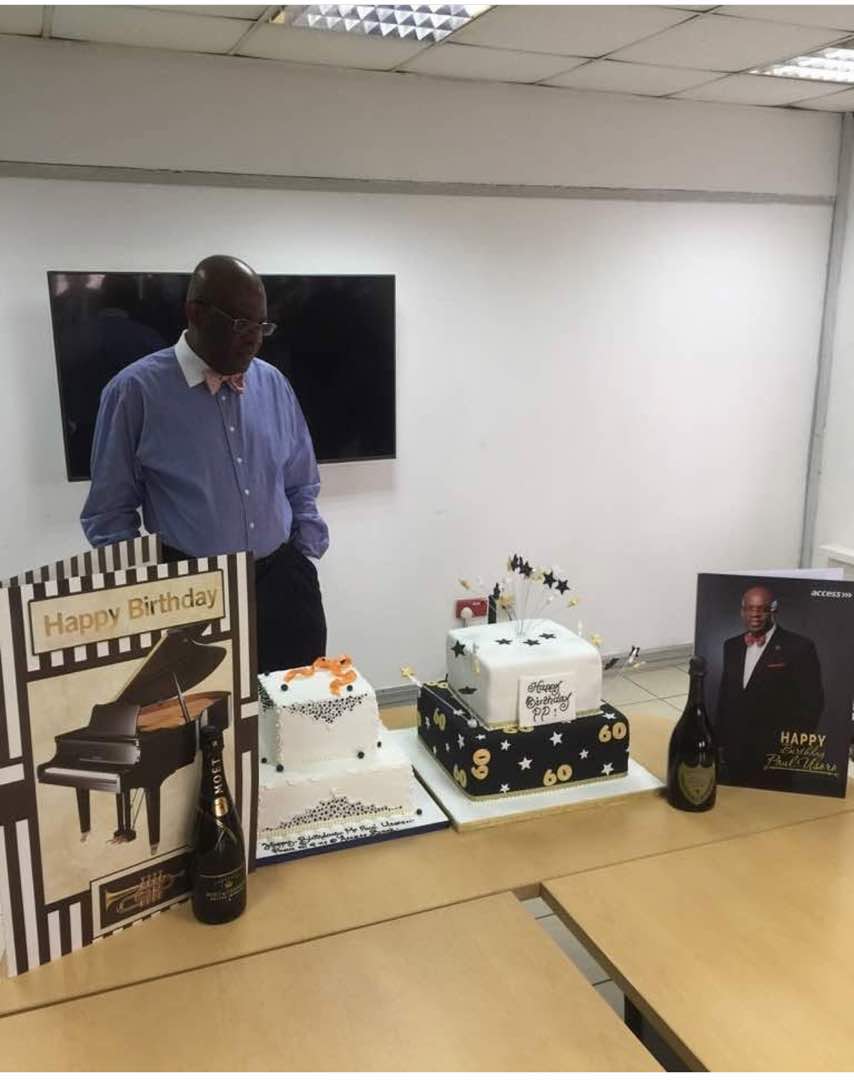
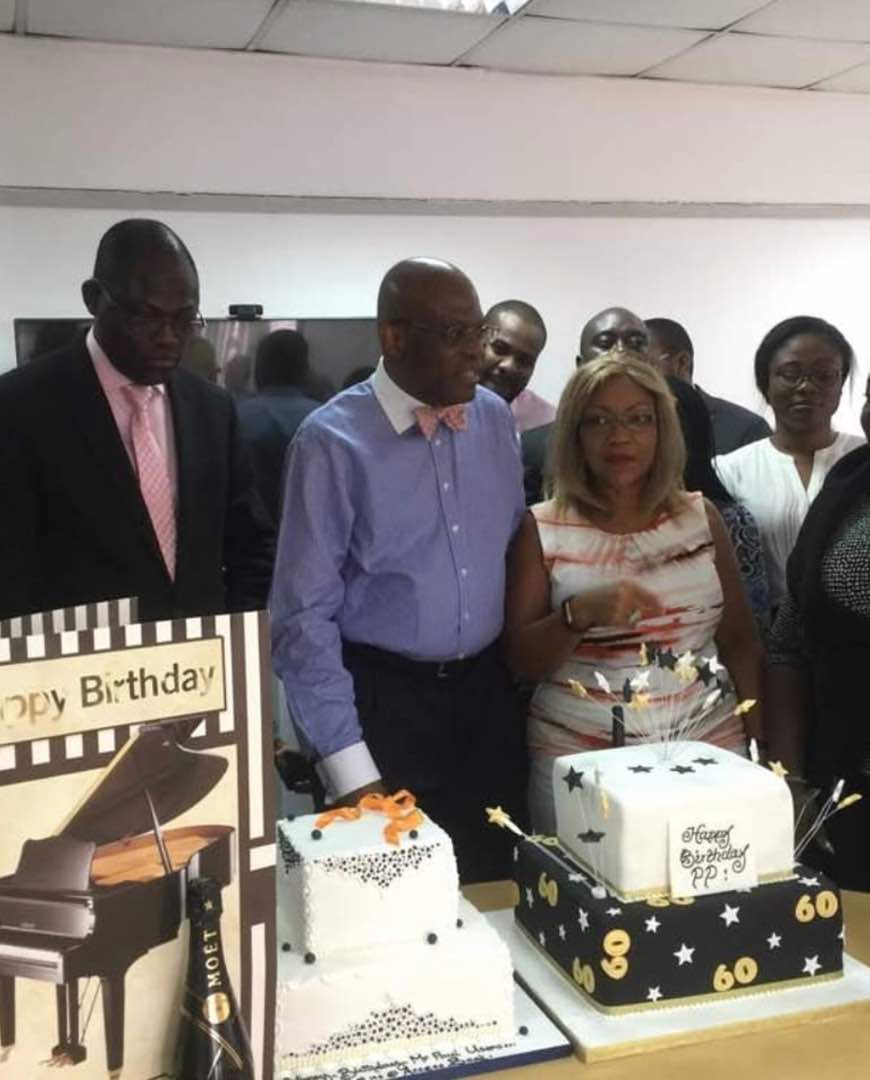
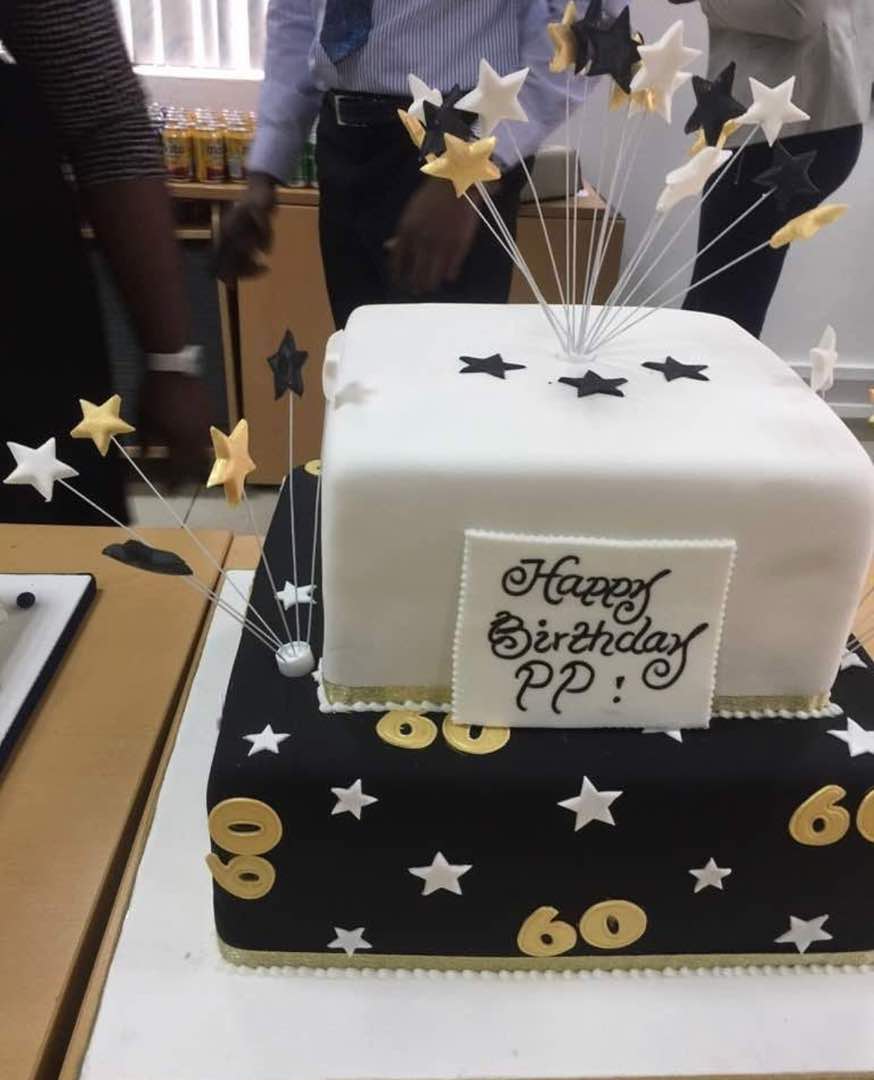
Birthday Greetings Pouring In For Paul Usoro SAN

Birthday Greetings Pouring In For Paul Usoro SAN

Happy birthday to you, my Presido, Paul Usoro,SAN.

May God bless you now and always. May the Lord Almighty grant you solomonic wisdom to lead the NBA and set standards that would write your name in bold prints.

Two years may be short but Gen. MURTALA MOHAMMED needed only six months to make history. Bold decisions require less than 24 hours’ action!

Cheers my President.

E.B. UKIRI,Esq.

My Amiable President,
This is to wish you a very big happy birthday sir.Today is a special day to the Nigerian Legal Community worth celebrating because you are a father to most of us,a mentor and role model to all of us.I celebrate you in a very special way my dear President and I pray to God to give you long life and prosperity.May God bless your family, your practice and May HE give you good health,more strength and energy to pilot the affairs of the NBA Amen.Happy Birthday our charismatic, amiable and eloquent 29th President of the NBA!

Wada Ahmed Wada.
Immediate Past National Chairman of NBA Young Lawyers Forum

Let me use this opportunity to wish our president a joyous happy birthday. It is a sizzling and outstanding feeling as you click on 60 on the dial with a burden to move the NBA forwar d. You’re there because you’re the right man for the job. Hit the ground running like the proverbial cheetah Mr. President. Happy birthday to Mr. Paul Usoro, SAN, FCIArb.

Nuhu Suleiman Tafida

CBN, AGF Vs. MTN – A template for killing FDI in Nigeria

CBN, AGF Vs. MTN – A template for killing FDI in Nigeria

The directive by the
Nigerian Federal Government via the Central Bank of Nigeria to MTN to repatriate
$8.13 billion, illegally taken out of the country is a direct assault on the
attraction of foreign direct investment to Nigeria. The matter is further
compounded by the directive of the Attorney – General of the Federation to MTN
to pay a fine of $2bn in tax arrears on imported equipment and payment to
suppliers.

These new directives by the
Nigerian government have been widely observed by industry experts and members
of the foreign community as a shake down by the government. The Nigerian Telecommunications
Industry contributes about 11% to the country’s GDP and these directives only to
seek to cause unpredictable ripples in the industry as MTN, one of the biggest
players is now probably considering its long – term business goals and
relationship with Nigeria.

According to the CBN, the
first error was when the Certificate of Capital Importation (CCIs) at the time
of investment by MTN Nigeria showed $59.436 million as shareholders’ loan and
$343.153 million as equity, but turned to $399.594 million as shareholders’
loan and $2.996 million as equity investment as at December 2017. Contrary to
the CCIs issued by Standard Chartered Bank Limited, Citi Bank and Diamond Bank,
which constituted a rendition of false returns to the CBN.

MTN on its part has denied
the allegations and stated categorically that the company has committed no
wrong. The South African company also states that the transactions in question were
handled to the letter of the law and were eventually cleared by the CBN and the
National Assembly upon its investigation.

According to Bismsark
Rewane, the impact on MTN and its investors’ funds will be monumental. The
market capitalization of MTN in the Johannesburg Stock Exchange is $10 Billion,
therefore the government is asking MTN to remit 80% of its market capitalization.
Furthermore, MTN invests upto $2bn in the Nigerian telecommunication industry
every year, which makes up about 54% of the entire industry.

Furthermore, MTN lost
881,586 subscribers between June and July, according the latest industry
statistics released by the Nigerian Communications Commission (NCC)

This is not the first of MTN’s
challenges in doing business in Nigeria, three years ago, the telco, which has
the dominant share of the mobile telecoms market in Nigeria, was slammed with
a $5.2 billion fine for failing to disconnect 5.1 million subscribers
after the registration deadline.

 It is important to note that these fresh
sanctions to MTN will gravely impact Nigeria’s productivity, which is currently
at -0.4% which will lead to a major slow down on investments in this industry
resulting in a direct blow on Nigeria’s ability to attract Foreign Direct Investment
into the county.

Nigeria prides itself as one
of the biggest economies in Africa but continues to fail in providing a conducive
environment for businesses. Some of the companies that have withdrawn investments
in Nigeria include Sun International and recently Etisalat UAE.

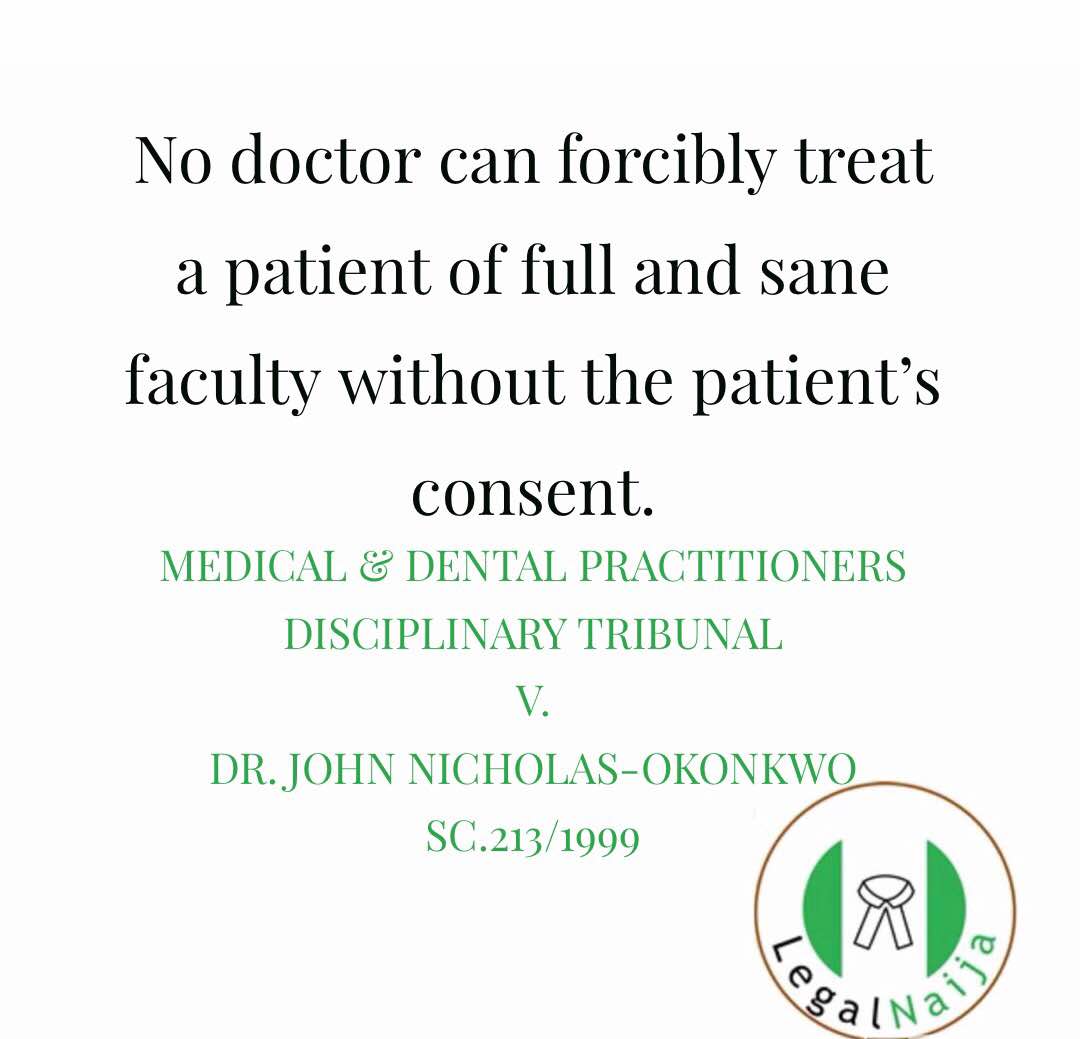
Doctors cannot treat patients without their consent

Doctors cannot treat patients without their consent

Particularly if that treatment is of a radical nature such as surgery or blood transfusion.‬ .

In the above case, the deceased, Mrs. Martha Okorie and her husband belonged to a religious sect known as Jehovah’s witnesses who believe that blood transfusion is contrary to God’s injunction. Mrs Okorie, a 29 year old woman, having had a delivery at a maternity on 29th July, 1991 was admitted as a patient at Kenayo Specialist Hospital for a period of 9 days where the diagnosis disclosed a severe ailment and blood transfusion was recommended. 

The patient and the husband refused to give their consent to blood transfusion. Dr. Okafor of the Hospital consequently discharged the patient on the request of the husband. Upon her discharge from Kenayo Hospital, she was taken to JENO Hospital by her husband where Dr. Okonkwo, the respondent proceeded to treat the patient without transfusing blood.  
Case law via Law Companion (Download in your App Store) 
Learn & Share
#law #legal #medicalnegligence #blawg #blog #legalnaija #lawcompanion #court #medicine #doctors #nigerianlaw #lagos #supremecourt#justice #equality
IP ABC—Printing a LinkedIn Mark on a Book Cover without Permission: Lawful or unlawful? | Infusion Lawyers

IP ABC—Printing a LinkedIn Mark on a Book Cover without Permission: Lawful or unlawful? | Infusion Lawyers


Question of the Week
I am Ola Peters, a
digital-marketing expert. For over 7 years, I have been writing and speaking about
digital marketing to help both organizations and individuals succeed. Last
April, I decided to publish a book titled Connecting to Succeed: How to
Get the Best of LinkedIn
. I used a self-publishing platform, Dotpages. To
my shock, Dotpages has contacted me over a trademark-infringement letter it
received from LinkedIn. According to the letter, by printing the LinkedIn
mark on my book cover without LinkedIn’s due permission, I have allegedly
infringed on LinkedIn’s trademark. They demand I either withdraw my book from
circulation or face legal action! I’m still shocked. Is it really unlawful to
print LinkedIn mark on my book cover?


Answer 
The answer is YES; use of
LinkedIn’s trademark on your book cover without permission is unlawful.
LinkedIn mark is LinkedIn’s
registered trademark. Any person who wishes to use the mark on his or her
work—such as books, film, and other materials—must first seek and obtain
LinkedIn’s permission. Without permission to use the mark, use amounts to trademark
infringement.
‘LinkedIn’ mark and other marks belong to LinkedIn Corporation.


The name ‘LinkedIn’, the LinkedIn logo, the ‘IN’ logo and ‘InMail’ are
registered trademarks or trademarks of LinkedIn Corporation. LinkedIn Corporation’s
affiliates in the United States and other countries also enjoy rights over
these trademarks.


No other person is permitted to use any of these trademarks except in
accordance with LinkedIn Corporation’s guidelines or policy.


Trademark law entitles LinkedIn Corporation to legally stop any unauthorized
use of any of its marks. LinkedIn is entitled to sue you, get damages, and even
apply for an account of profits (You will pay to LinkedIn’s account all the
profits you have made from the book so far. Absolutely!). The illegality of
printing LinkedIn mark on your book cover without permission is not only by the
working of trademark law but also LinkedIn’s policy.


Though trademark law generally entitles LinkedIn to restrict use of its
LinkedIn mark, LinkedIn Corporation reserves the right to allow any person to
use these marks in their publications or other works in accordance with its own
guidelines or policy. By having a policy that controls use of its marks, this
is what LinkedIn has done.


LinkedIn has a policy that expressly prohibits unpermitted use of its mark for
certain purposes.

For the purpose of publication in books or printed materials, LinkedIn has a
special provision that guides this.


According to LinkedIn, it “does not allow the use of its logos or the name
“LinkedIn” in the title or otherwise on the cover of books or other
publications without prior written permission of LinkedIn.”


LinkedIn requires that any person who is “interested in using the LinkedIn
name or logos in a publication” should request permission. Request for
permission can be submitted by using LinkedIn’s Request for Permission Form
(available on its brand-policy website).
Is LinkedIn’s trademark
restriction the standard amongst all social media platforms such as Facebook
and Instagram?


Generally, you are prohibited from using trademarks belonging to these social
media platforms in merchandize. This means you can’t lawfully print them on any
products for commercial purposes.


Apart from the prohibition above, each social media platform has its policy and
guidelines on use of its trademark by third parties.


Facebook, for instance, does not say anything about use of its mark in books or
printed materials, but it warns that when using its ‘F’ logo, you “[d]on’t
make it the most distinctive or prominent feature of what you’re
creating”. But for use in TV and film, you must request permission.


Instagram also has guidelines for use of its logos and name. Regarding use for print,
it restricts this to print larger than A4 size. According to one of the
guidelines on Instagram’s brand-policy page, “[o]nly those planning to use
Instagram’s assets in any broadcast, radio, out-of-home advertising or print
larger than 8.5 x 11 inches (A4 size) need to request permission.


To be on the right side of the law, it is best to carefully read these policies
and guidelines.


When it comes to publications, always consider that you might have infringed on
intellectual property. Do not fail to get help when you still can. This is
vital.


To enable you make the best decision for your book or subsequent books and
avoid demanding love letters from LinkedIn’s lawyers and other lawsuits, you
may consult an IP lawyer or law firm to professionally guide you.


IP ABC wants your book to be a bestseller, not a breadwinner for lawyers when
you find yourself in the box.


Best wishes
IP ABC
Follow-up questions, if
any, are welcomed.

Brand protection – why you should not purchase counterfeit luxury goods | Davidson Oturu

Brand protection – why you should not purchase counterfeit luxury goods | Davidson Oturu

The 2018 World Cup is scheduled to come up in June
2018. The Golden State Warriors and the Cleveland Cavaliers are playing the NBA
Playoff Finals in June 2018. Roland Garros, the French Open, is also taking
place in the same month. Due to these significant sporting events, there has
been an upsurge in the sale of jerseys and sporting kits worn by athletes and
teams that are participating in the sporting fiestas.

Sponsors of sporting kits are also not left out from
participating in these events; it is reported that the English national team
secured a sponsorship deal from Nike that is valued at £400m.[1] However, due to the pricey nature of most of the
luxury items such as Gucci, Nike, Adidas and Calvin Klein, amongst others,
there is the tendency for counterfeiters to manufacture counterfeit goods and
sell them to the public who unwittingly purchase them. Statistics from the
Organisation for Economic Co-operation and Development (OECD) shows that
Ray-Ban, Rolex, and Louis Vuitton are the most copied brands worldwide with
Nike being the most counterfeited brand globally. Websites have also sprung up
that specialize in the sale of counterfeit goods and consumers have encouraged
their trade by patronizing these inferior rip-offs.

A classical case is the Nigerian football jersey which
is being sold through Nike vendors for $90. However, the knockoffs and
counterfeit jerseys that have proliferated the market are being sold for as
little as $5[2].

What are counterfeit goods?

Counterfeits are goods made or sold under another’s brand name
or trademark without the brand owner’s authorization. It can be a form of
trademark infringement or passing off (depending on if the trademark is
registered) as the manufacturers of the counterfeit goods sells or passes off
similar looking goods bearing the trademark or brand of the original brand
owner.

A trademark will be deemed to have been infringed
where a person, other than the proprietor or owner of the mark, uses an
identical trademark so nearly resembling the registered trademark as to be
likely to deceive or cause confusion in the course of trade in relation to
goods in respect of which it is registered[3]. All that the owner of the trademark would be
required to show is that the trademark has been registered.

However, where the trademark
is unregistered, the counterfeiter will still be liable for passing off his
goods as that of the owner of the trademark/brand. The owner of the brand would
however have to show that there is an already established goodwill and
reputation attached to the brand.

How valuable are counterfeits?

It is estimated that the production of counterfeit
goods has grown by over 10,000% over the last two decades. A study by the International Chamber of Commerce (ICC) estimated
that the global value of all counterfeit goods reaches over $650 billion every year.
The same study projected that by 2015 the upper bound of the global value of
counterfeit and pirated goods was $1.77 trillion, a number that is roughly equal to
the GDP of Brazil and represents over 2 % of the world’s total economic output
in 2014[4]. In 2016 alone, the U.S. government seized $1.38
billion in counterfeit goods across various industries[5]. The United Arab Emirates has also had its
fair share of counterfeits as it is reported that in 2016, the Department of
Economic Development (DED) in Dubai seized 67.7 million counterfeit items
amounting to Dh1.16 billion. Also in 2017, the Anti-Economic Crimes department
of Dubai Police handled 243 cases involving commercial fraud and piracy – worth
Dh28, 882,985, including cases involving 719,134 counterfeit products[6].

Recent statistics from The Economist shows that counterfeit products make up 5 to 7% of
world trade[7]. As at 2014, it was said to have cost an estimated
2.5 million jobs worldwide[8]. Clearly, counterfeiting of goods appears to be a
lucrative business for the counterfeiters.

What to do where a brand is
being counterfeited

Civil remedies

The likelihood that consumers
will be confused by the goods, which is the standard of trademark infringement,
is evident in counterfeiting as the counterfeiter’s primary purpose is to
confuse or dupe consumers.

Thus although there is no
statutory civil remedy provided for counterfeiting under Nigerian law, the
owner of a brand can institute an action at the Federal High Court for
trademark infringement.

Where the trademark is
unregistered in Nigeria, the owner of the brand can bring an action for passing
off which can be instituted at the High Court.

Where a brand owner is
successful in a civil action, he can get orders of injunction restraining
further acts of infringements, delivery of infringing articles and items as
well as accounts for profits, costs and damages.

Criminal remedies

With regards to criminal remedies, the brand owner can
report the counterfeiting to the government authorities and actions can be
brought under the Merchandise Marks Act[9] and/or the Trade Malpractices (Miscellaneous
Offences) Act.[10]

Section 3 of the Merchandise
Marks Act provides that every person who forges any trade mark, falsely applies
to goods any trade mark or any marks so nearly resembling a trade mark as to be
calculated to deceive or applies any false trade description to goods is guilty
of an offence.

Furthermore, anyone who sells
or has in his possession for sale or any purpose of trade or manufacture, any
goods or things to which any forged trade mark or false trade description is
applied, or to which any trade mark or mark so nearly resembling a trade mark
as to be calculated to deceive is falsely applied is also guilty of an offence
except if he can prove that he acted innocently or had no cause to suspect the
genuineness of the trademark.

Where the counterfeiter or the seller of the
counterfeit goods is found guilty under the Merchandise Marks Act, he will be
sentenced to a term of 2 years or a fine or both imprisonment and a fine.
 The Merchandise Marks Act also prescribes imprisonment for 6 months or a
fine of N100 upon summary conviction by a Magistrate.
In both cases, the offenders are liable to forfeit all chattel, articles or
instruments used in committing the offences.

Regulatory bodies

The brand owner may also lay
complaints before regulatory agencies such as the Nigeria Customs Service (NCS)
and the Standards Organisation of Nigeria (SON). Although Nigeria does not
presently have a customs recordal system, brand owners can petition the
Comptroller General of the NCS and request for the organization’s involvement
with regards to the prevention of the importation of counterfeit goods at the
ports and borders. Where there are reasonable grounds to suspect that anything
is liable to forfeiture, the NCS can seize and detain such counterfeit goods
immediately upon entry into the Nigerian ports or borders.

On the other hand, the SON is the statutory body vested with the
responsibility of standardising and regulating the quality of all products that
are to be used in Nigeria. It has a set of guidelines for exports to Nigeria
called the Standards Organization of Nigeria Conformity Assessment Programme
(SONCAP). SONCAP is used to verify products exported to Nigeria except those
that appear on the Excluded Product List.

A brand owner who has information
about the counterfeiting of his product may make a complaint at the SON office.
SON may then conduct an investigation and depending on the outcome, it may
carry out a raid to confiscate the counterfeit products.

Conclusion

Part of what fuels
counterfeiting is the fact that consumers tend to view buying a counterfeited
luxury good or jersey as being harmless and a good bargain. But consider this:
counterfeits wreak havoc on the economy and cause other financial turmoil for businesses
such as theft of intellectual property rights, low turnover, stolen know-how,
lost jobs, wrongful lawsuits caused by counterfeited products and price hikes.

While the brand owners and
security agencies continue to find ways to stop counterfeiters from profiting
from sale of counterfeited goods, the consumers have their own part to play: do
not buy that counterfeit!

For extensive information on
brand protection and intellectual property rights, you may contact the author
of this article at doturu@aelex.com
.

[1]Football
Association secures new £400m England kit deal (The Guardian, 13 December 2016

[2] Nigeria World
Cup kit sells out in minutes as fakes flood Lagos markets (CNN)

[3] Section 5(2) of
the Trademarks Act

[4] Counterfeiting
& Piracy (BASCAP) (International Chamber of Commerce) <
https://iccwbo.org/global-issues-trends/bascap-counterfeiting-piracy/>

[6]Dubai Police
handle counterfeit cases worth Dh29m in 2017 (Khaleej Times)

[7] Knock-offs catch
on (The Economist

[8]Crackdown on
counterfeiting (International Organisation for
Standardisation)

[9] Chapter M10 Laws
of the Federation of Nigeria 2004

[10] Chapter T12
Laws of the Federation of Nigeria 2004

Davidson Oturu LL.M
Partner at Aelex/IP, Franchising & Brand Protection I Corporate & Commercial I Dispute Resolution 
Source: LinkedIn 

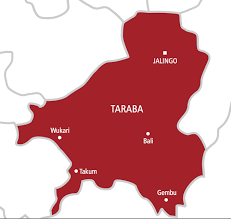
Election Tribunal Constituted For Taraba by-election

Election Tribunal Constituted For Taraba by-election

In pursuance of paragraph 133 (3) (a) and (b) of the Electoral Act as amended, the President of the Court of Appeal, constituted the Taraba Assembly tribunal for the Takum 1 constituency by- election, parties in the elections are to submit their petitions by 12midnight on the 8th of September, 2018. Garba Ajiya of the Peoples Democratic Party (PDP) was declared winner of the election.