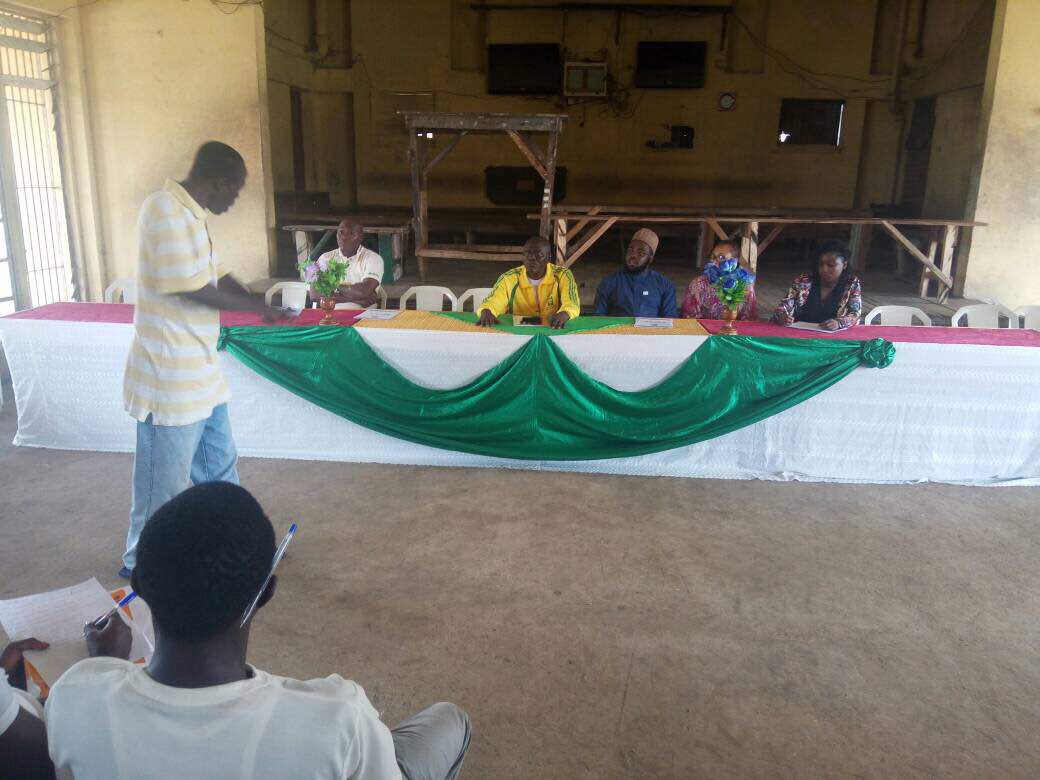
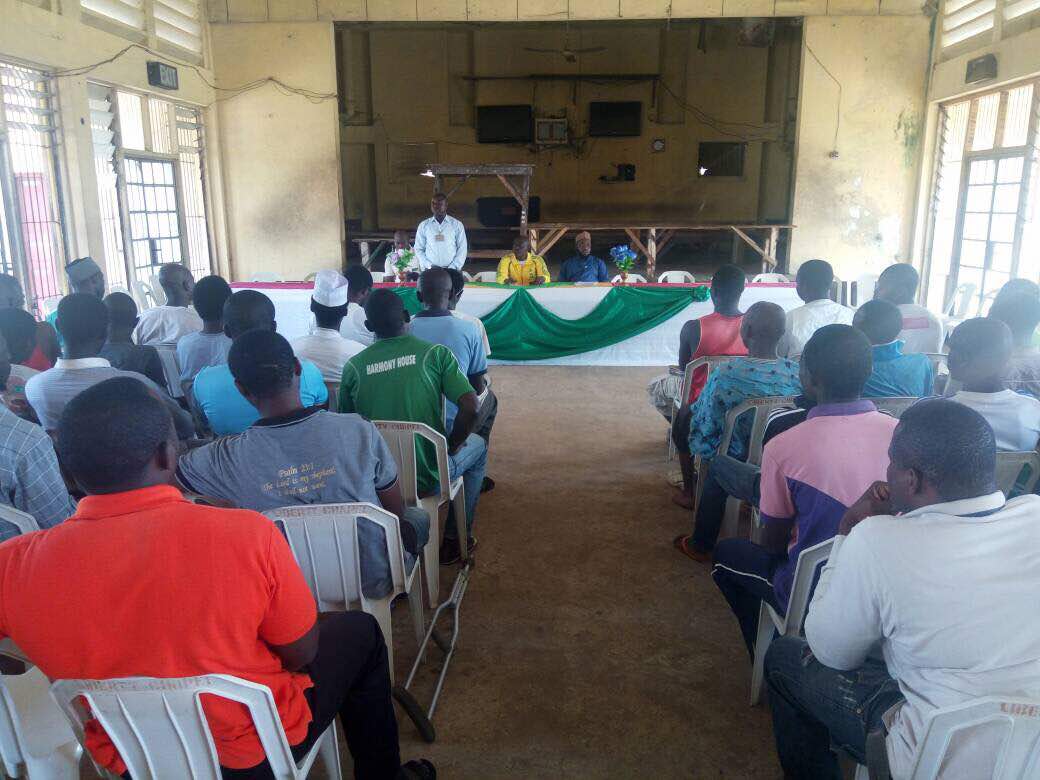
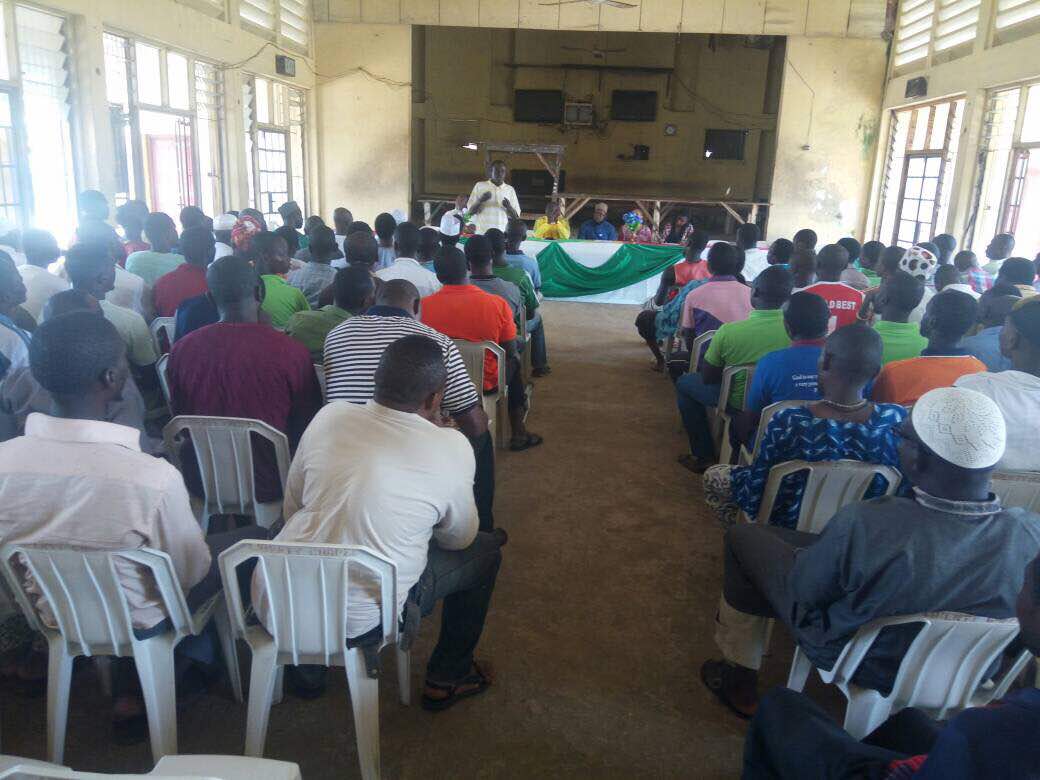
I thank the Students’
Judicial Council of the Lagos State University Students’ Union, for inviting me
as a speaker at this auspicious occasion. I am particularly pleased to be
delivering my 1st official speech in Lagos State University when my
friend and mentor is the Vice-Chancellor. I congratulate the Vice-Chancellor,
Lecturers and Students of this great school on its recent strides both home and
abroad.
The University is a mirror
of the larger society and that is why we have the Executive, Legislature and
Judiciary in the university as well as in the larger society. The Students’
Judicial Council comprises of the High court and the Court of Appeal which are
constituted by Law Students. Law
Students of the University equally acts as lawyers in the courts. These courts
are statutorily established by the Supreme Constitution of the Students’ union
to deal with election matters, misappropriation or embezzlement of funds by any
elected officer, flagrant disregard to the constitution and abdication of
duties by an elected officer amongst others.
It is pertinent that
students are aware of the courts and what they stand for. They should be bold
to approach the courts when they feel aggrieved. They must also hold officers
of the court accountable. If students are able to govern themselves and hold
officers of the three organs of the students’ union accountable, then the
future of our nation will be brighter.
I was informed that one of
the activities slated for today is the launch of the Code of Conduct for
Judicial Officers and Legal Practitioners of the Students’ Union. I was equally
informed that one of the reasons for the enactment of the Code of conduct is
the unruly behavior of some counsel who appear before the courts. I must say
that this is very unfortunate. The rights of citizens will be in jeopardy if we
have bad and unruly lawyers. Student Legal Practitioners who appear before the
courts should learn to follow good examples of lawyers past and present rather
than the very many bad examples we see on TV and Newspapers irrespective of how
rich they might be. As budding lawyers, you must set your priorities right and
do not allow money and fame be your driving factor.
Professor L.C.B. Gower, a jurist
and well-known legal educator, warned that the public responsibilities of the
legal profession in a developing country are even greater than in the highly
developed industrial states. About the needs of developing countries, he said
with characteristic forthrightness, inter alia:
“They need commercial, corporation, and property lawyers if they are to
achieve an economic take-off. They need bilingual, international, comparative
and constitutional lawyers if they are to survive as states and to enter into
large unions which Pan-Africa sentiment and economic development demand…. They need courageous lawyers with the
highest ethical standards if the atrophy of the rule of law and of personal and
academic freedom and the corrosive growth of corruption, nepotism and elitism
are to be arrested, and if military and police power is to be kept within
bounds. Most of all, perhaps, they need constitutional lawyers sophisticated in
other disciplines if they are to find a viable substitute for the Westminster
model of parliamentary democracy.”
Professor Orojo, equally noted the
remarks by Sir, AdetokunboAdemola, Chief Justice of Nigeria (Rtd) (of blessed
memory), who emphasised the role of Nigerian legal practitioners as that of
legal advisers to the government, commerce, industry and private citizens, as
champions of reform and as defenders of human rights and concluded
significantly that “the respect in which the Bar in any country is held is the
best indication of freedom in that country.” The learned author finally stated
thus:
“The Nigerian legal practitioner (as in other developing
countries) bears a much heavier responsibility to his society than his
counterpart in a highly developed country. In the first place, the Nigerian
legal practitioner has to face not only the problems of the developing society
but also many of those of the developed one into which Nigeria is moving at a
hectic rate; the present rate of change in every facet of life could not have
been foreseen. Secondly, he is one among the very few privileged people in an
environment where the vast majority are not only illiterate but also ignorant,
superstitious and poor; his social and traditional environment clogs him and he
requires to make a great effort not only to break through but to play his proper
role of social catalyst. In the circumstances, Nigerian legal practitioners
must be able not only to perform their traditional functions of catering for
the professional needs of the citizens, of administering justice and manning
the various legal institutions of the state, but they must also be involved in
social change; they must be committed to law reform to ensure the harmonization
of law with the culture of the people and they must strive to ensure a strict
adherence to the rule of law and among other things, ensure that the newly
acquired political power is carefully watched and controlled so that it is not
used to protect or perpetuate the status quo or class domination. As the
watchdog of the people, they must, through their independence and total
commitment to social justice, provide the necessary support to sustain equally
independent and fearless judiciary, the last hope of man for law and order,
peace and progress.”
If the Students’ Union Government of LASU will be
successful, the law students who are judges and lawyers in the court have a
huge role to play. Do not think the roles you play now, whether good or bad don’t
matter, they will determine a lot about your future.
The second perspective to this
topic is Human Rights of students vis-à-vis the school management and
government.
The media has been awash
with news of expulsion of some students recently based on their outspokenness
or rudeness depending on which side of the divide you are looking at it. The
cases of Kayode Bello expelled from the Law School, Olorunfemi Adeyeye expelled
from the University of Lagos and Debo Adedayo who was recently expelled from
Redeemers University, come to mind. Kayode Bello was expelled from the Nigerian
Law School on the allegation of disorderly behavior and lacking the core attributes, disposition
and comportment of an aspirant to the Bar. Olorunfemi Adeyeye was
expelled from the University of Lagos for his facebook post titled, “The Senate of Unilag: A conglomeration of
Academic Ignorami.” Debo Adeyeye was
expelled for his post on social media where he allegedly portrayed some
principal officers of redeemers’ university in bad light.
Back in the days, the
average Nigerian student of the university or other tertiary institution is
politically mature, intelligent and exuberantly involved in the affairs of
his/her community and country. Nigerian students have a history of radical
action. After Nigeria’s independence in 1960, Britain sought to retain her
hegemony by pressuring the Prime Minister, Abubakar Tafawa-Balewa’s government
into signing an Anglo-Nigerian Defence Pact. Nigerian students rejected the
pact and embarked on protests and demonstrations against what they clearly
understood to be an attempt to undermine Nigeria’s independence and perpetuate
colonial influence.
All over the world,
students and the youth in general are change agents. The students’ revolts that
jolted the American society in the early 60s was a warning that unchannelled
youthful energy could lead to an explosion that would devastate society.
In South Africa, the youth were in the
vanguard of the liberation struggle. The apostle of “Black Conciousness”, the
ideological fulcrum on which the struggle for an end to apartheid was anchored
was Steve Biko.
The African students in the United Kingdom in the early ’50s were forced by experience to take up the
gauntlet of the liberation of their countries from colonialism: Leopold
Senghor, Kwame Nkrumah, Nnamdi Azikiwe, Obafemi Awolowo and a host of first-generation
nationalists in several African countries were able to influence the course of
events as they sojourned in the metropolitan capitals of the colonizing power.
Edwin Madunagu said
“Students acquire a critical consciousness which will naturally struggle to
express itself in action. Students and academics, historically tend more
towards being dissidents and critics who inspire debates and lead social
causes.”
It is this critical ardour
that had propelled Nigerian students into actually being the vanguard of
popular opposition to military rule, the demand for true democracy and popular
participation. One of the major champions of students’ rights was Gani
Fawehinmi.
He said:
“Students
are young minds and must not be cut down in their prime by disengaging them
from the university system. The students have remained the most reliable group
of radicals.
It
is not easy to cow students. Why they last longer than governments is that they
have that purity of thought, independence of disposition, rational analysis of
events from a detached standpoint. And they have not committed the cultural,
political and socio-economic sins of adulthood. Then they have the raw
unpolluted strength of character. The combination of all these which only a
highly disciplined adult can possess, make students a unique specie in our
society”
It
is very doubtful if the description above defines the present crop of Nigerian students,
in view of recent happenings, particularly when one considers the hobnobbing of
students’ union leaders with politicians and the immaturity displayed by
students on social media with the use of abusive and uncouth language when
addressing issues they feel strongly about.
It
used to be that the power of a university senate was perceived as exclusive of
the jurisdiction of the courts because it would amount to the invasion of the
domestic domain of the university. The Supreme Court decision in Akintemi & 2 Ors V. Onwumechili (1985) 1
NWLR (Pt. 1) 68 lent credence to this perception. The appellants had been
alleged to be involved in the cheating. They claimed that the university had
denied them fair hearing in the processes leading to the expulsion. They lost
in the High Court of Ile-Ife and appealed to the Court of Appeal which also
dismissed their appeal. The Supreme Court affirmed both lower court decisions.
The Supreme Court decision in Garba V.
University of Maiduguri marked the turning point
By
far the most impactful of court decisions on students’ rights filed by
Fawehinmi was Garba v. University of
Maiduguri(1985) 2 NWLR (pt. 18) 559. It was the first case concerning
students that had gone to the Supreme Court.
For
taking part in a protest in 1983 against the perceived high handedness of the
university authorities, scores of students of the University of Maiduguri were
expelled by the then Vice-Chancellor, Professor Jubril Aminu. In an action
filed at the Borno High Court sitting in Maiduguri, Fawehinmi challenged their
dismissal, contending that the fundamental human rights of the students to a
fair hearing had been breached by the university authorities and thereby asking
for a mandatory order reinstating the expelled students. The learned trial High
Court Judge, Justice Adagun, (as he then was) upheld Fawehinmi’s submissions
and ordered the reinstatement of the expelled students. The university appealed
to the Court of Appeal which reversed the decision of the lower court. The
students further appealed to the Supreme Court.
In the leading judgment of
the apex court read by Justice Andrews Obaseki, a powerful Supreme Court Bench
consisting of Justices Eso, Uwais, Nnamani, Coker and Oputa unanimously allowed
the appeal on grounds inter alia that
the University authorities had no power to try and punish students for the
alleged criminal offences, namely: assault and arson, the trial of which, by
the University Disciplinary Committee amounted to usurpation of judicial
functions.
The Garba decision has become a powerful precedent on student rights.
It is a benign decision that has gone a long way in curbing the excessive
resort by university authorities to damaging sanctions which has the capacity
to compromise students’ future aspiration.
It must however be noted
that in the more recent case of Unilorin
V. Oluwadare (2006) 14 NWLR (Pt.
1000) 751 the Supreme Court held that:
in
matters which involve serious criminal allegations against the State such as
arson, stealing, indecent assault, etc., the suspects should, for obvious
reasons, be tried in a Court or tribunal properly so called under the
Constitution. But where the matters involve the award of degrees, diplomas and
certificates and matters incidental thereto like examination malpractices, an
aggrieved party, be he a student or a lecturer should first exhaust all the
internal machineries for redress before a recourse to Court. Where he rushes to
Court without first exhausting all the remedies for redress available to him
within the domestic forum, as was the case of Akintemi v. Onwumechili (supra),
he would be held to have “jumped the gun” and the matter would be declared bad
for incompetence.
University management must
ensure that all the fundamental rights enshrined in the constitution are strictly
adhered to in its dealings with students. These rights include:
1. Right to life – (Section
33) Every person has a right to life, and no one shall be deprived
intentionally of his life, save in execution of a criminal offence of which he
has been found guilty in Nigeria.
2. Right to dignity of human person
– (Section 34) Every individual is entitled to respect for the dignity of
person and accordingly no person shall be subject to torture or to inhuman or
degrading treatment.
3. Right to personal liberty –
(Section 35) Every person shall be entitled to his personal liberty and no
person shall be deprived of such liberty.
4. Right to fair hearing –
(Section 36) In the determination of a person’s civil rights and obligations, every
person shall be entitled to fair hearing.
5. Right to private and family life–(Section
37)The privacy of citizens, their homes, correspondences and telephone
conversations is guaranteed and protected.
6. Right to freedom of thought,
conscience and religion – (Section 38)Every person shall be entitle to
freedom of thought, conscience and religion, including freedom to change his
religion or belief.
7. Right to freedom of expression and
the press– (Section 39) Every person shall be entitled to freedom of
expression, including freedom to hold opinions.
8. Right to peaceful assembly and
association – (Section 40) Every person shall be entitled to assemble
freely and associate with other persons or political party.
9. Right to freedom of movement
– (Section 41) Every citizen in Nigeria is entitled to move freely throughout
Nigeria and to reside in any part thereof.
10. Right to freedom from discrimination
– (Section 42) No Nigerian shall be discriminated upon on the basis of his
community, ethnic group, sex, place of origin and political opinion.
11. Right to acquire and own
immovable property anywhere in Nigeria – (Section 43) Every Citizen
shall have right to own immovable property anywhere in Nigeria.
12. Right against compulsory
acquisition of property– (Section 44)
The above are fundamental human rights enshrined in the 1999 Constitution and
accorded to all Nigerians.
Students must however
realize that their rights under the constitution are not absolute. They must
pursue their rights within the confines of the law with maturity and tact.
According to the Dean of
the Faculty of Law of Lagos State University, Professor F.A.R Adeleke,
“Generally students have right to all the rights that are contained in the
Nigerian constitution, those rights that are already recognized and had been
given effect to by judicial authorities and those rights that are contained in
the students’ handbooks. In addition, students also have right to defend these
three categories of rights.” He went further to list students’ rights within
the university, thus:
1.
Right to be tried within reasonable time
for any act of misconduct.
2.
Right to defence including right to be
defended by a legal practitioner against any allegation of misconduct.
3.
Right to participate in any lawful students
union activities subject to the extant rule of the university.
4.
Right to receive lectures and to
participate in any academic activities.
5.
Right not to be discriminated against on
account of sex or sexual orientation.
6.
Right to marry and not to be prejudiced on
account of same during the pendency of the study.
7.
Right to privacy.
8.
Right to fair hearing at all times in
respect of any allegation involving any misconduct.
9.
Right to resist any lecture fixed outside
the university recognized timetable, particularlyon weekends and public
holidays.
10.
Right to see your scripts and to be shown
your marks in case of tests or examination and to reasonably contest same
within the established rules and regulations of the university.
11. Right to freedom of religion on campus
subject to university regulations.
12.
Right to appeal any decision of the
university senate
13. Right to protest in writing any act or
directive that stand prejudicial to the interest of the students through the
HOD, DEAN or VICE CHANCELLOR.
14. Right to be shown scripts either
examination or tests for confirmation of scores and to contest score through
the appropriate channel in the university including demand for a remarking of
such scripts without any prejudice.
15. Right to say No to any sexual overture and
to resist any act of sexual harassment.
16. Right to use Hijab and to wear cross or
exhibit any religious inclination, all with moderation.
17.
Right to refuse and report any act of
lecturers that forces students to buy their books or academic materials and
where any book is to be sold at all such book should be bought directly from
the university bookshop and in any event record of the buyers should not be
kept.
18.
In all other cases, journals, Faculty book
of reading and similar books that foster the advancement of learning may be
sold to students subject to clarification from the Dean or Deputy Vice
Chancellor Academic.
19.
Right to speedy response to students
request and rtesolution of issues bordering on students interest.
Without necessarily
pointing who is wrong or right in the recent expulsion of students from the
Universities mentioned earlier, my observation is that while the agitation of
the students might be justified, the manner of venting their anger could have
been more mature.
When I was in the law
school we wrote a petition against two lecturers to Mr. Onadeko, the immediate
past DG of the law school, that expelled Kayode Bello. He was then the head of
Lagos Campus. Our petition succeeded and the lecturers involved apologized.
The fact of the case was
that, we were denied the opportunity to go for Jumat service because the two
lecturers extended their classes beyond the allotted time thereby breaching the
rights of Muslims to worship. I and my firend, Daud Momodu had notified the lecturers during
the class that it was almost time for Jumat via a note. They asked us to put
our names on the note and we did. We wrote them another note that it was time
for Jumat and the class should end, but they ignored. Some of us left the
class, but many Muslims stayed in class and missed the Jumat service.
Infuriated, we wrote a
powerful but civil petition against the two lecturers to the head of campus, Mr
Onadeko SAN. We cited relevant provisions of the Public Holidays Act and the
Constitution. We copied the affected lecturers.
We were summoned along
with the lecturers to the office of head of campus. We were asked to vocalize
our complaint and the lecturers were asked to respond. The authorities
apologized for the breach of our right to freedom of worship and promised not
to let it happen again. It never did.
My point is, your voice
can be heard without shouting. Students
must refuse the temptation to go overboard by playing the hero and seeking the
spotlight in a foolish manner. The advent of Social Media has made Student
Activists more vulnerable, their activities are easily monitored and tyrannical
school authorities can easily latch on defamatory posts made by such students
and deal with them decisively.
In Conclusion, I urge the
Students’ Judicial Council and Student Legal Practitioners who appear before
them to be upright and disciplined, only then can we have a sane Students’
Union. Students should make efforts to be aware of their rights and should do
all that is legally acceptable in ensuring that their rights are enforced. The
university management should refuse the temptation to always silence the
opposing voices of students. They should create an avenue whereby students can
air their views without fear of intimidation. The university should recognize
the fact that every disciplinary process should comply with the rule of natural
justice and fair-hearing. These are the basic principles of fundamental rights
of every civilized society and which the constitution seeks to protect and
guarantee. The Student Union leaders and activists must display increased
maturity in dealing with the school management or government. They must be
careful not to unwittingly put their studentship on the line by actions that
cannot be remedied in the law courts. They must look at the legal implications
of their actions and not be deceived by the hailing of their followers who
would forget them the moment they are expelled from the University.
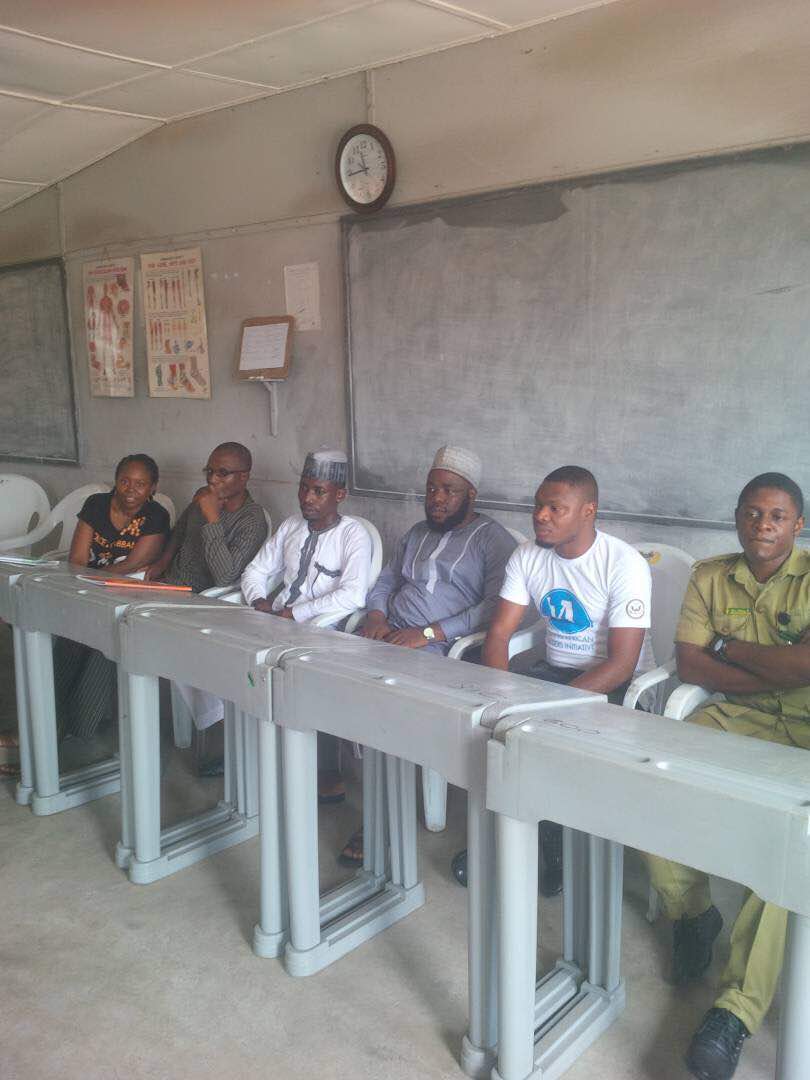
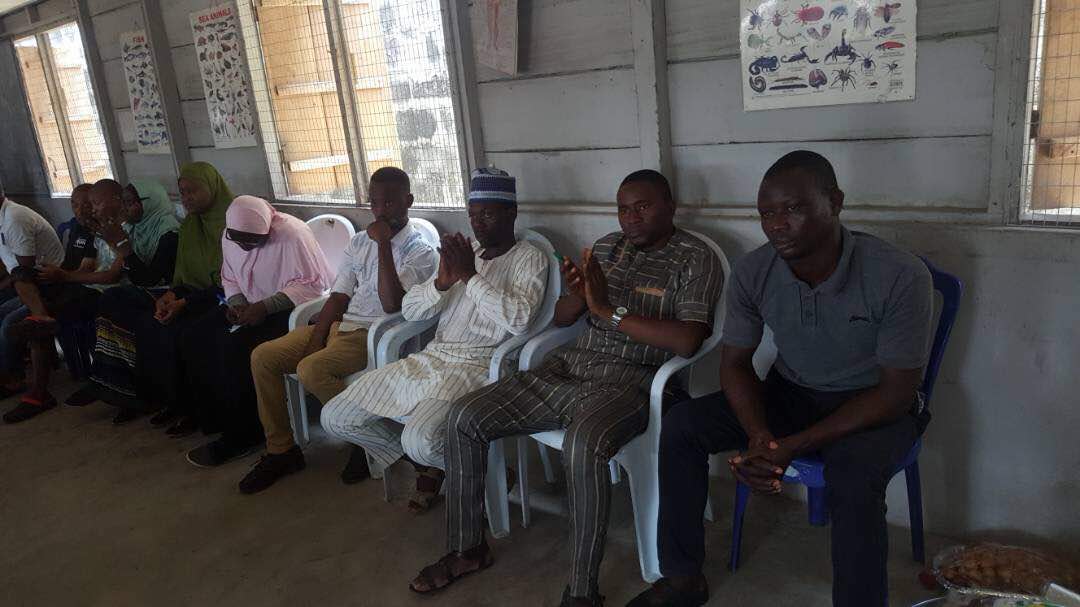
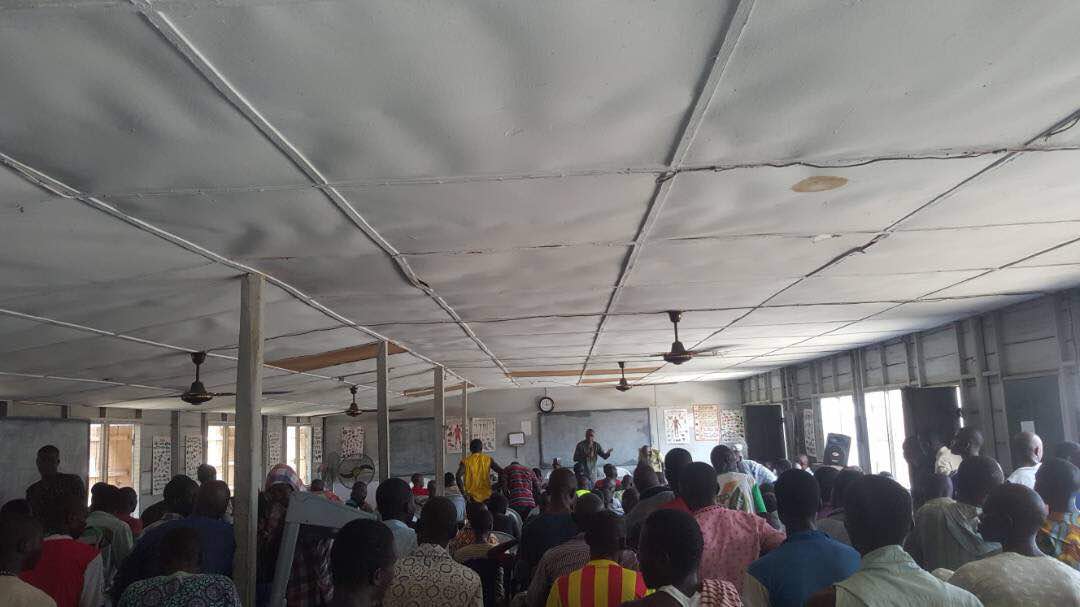
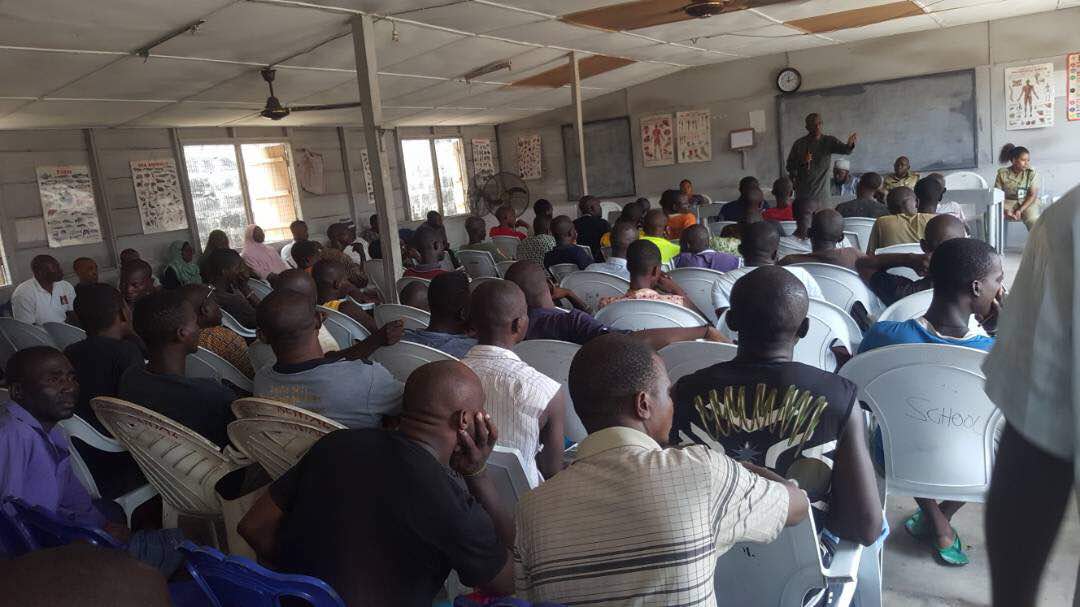
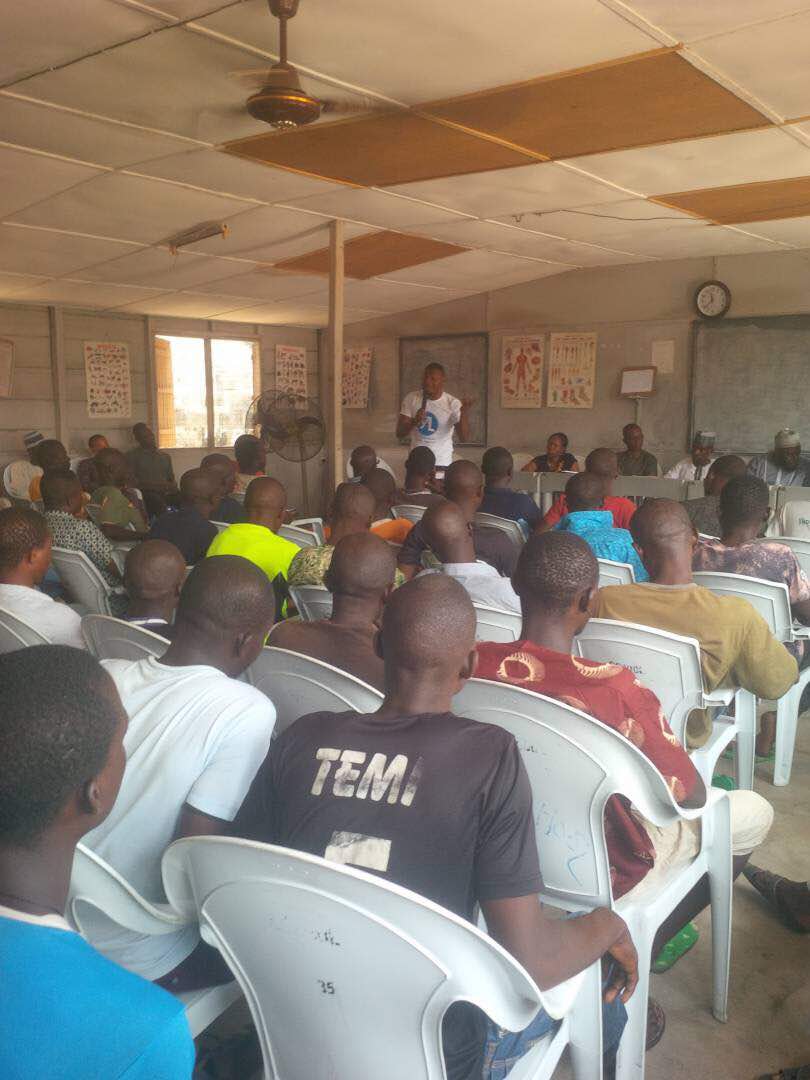
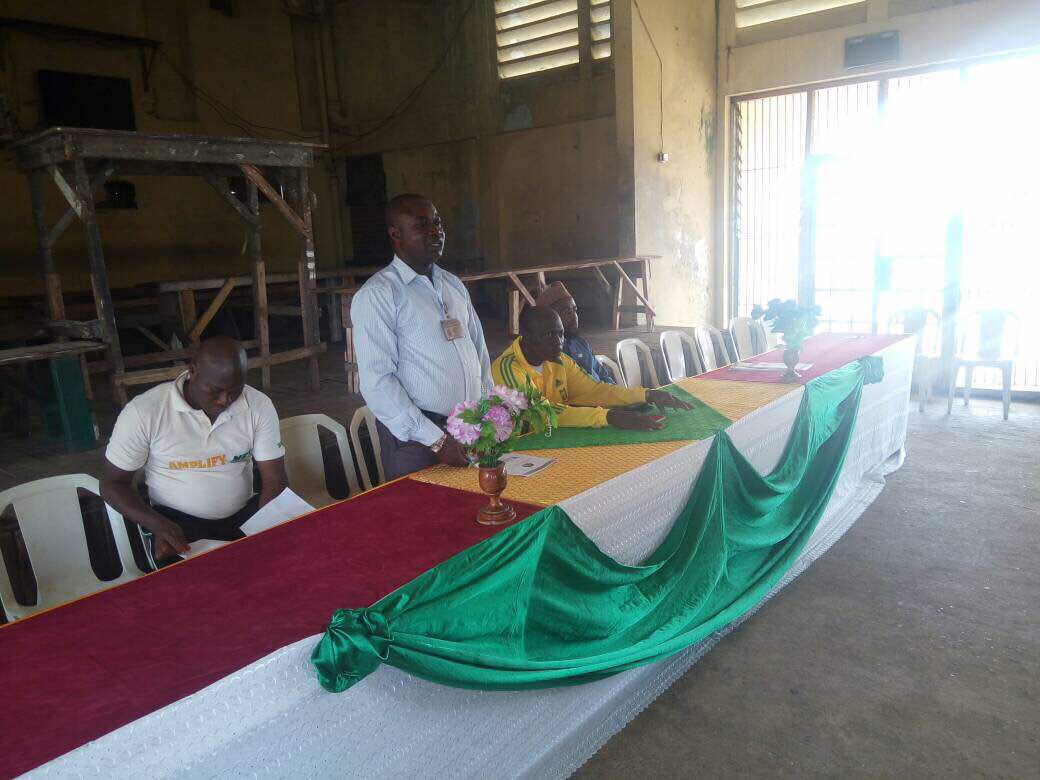
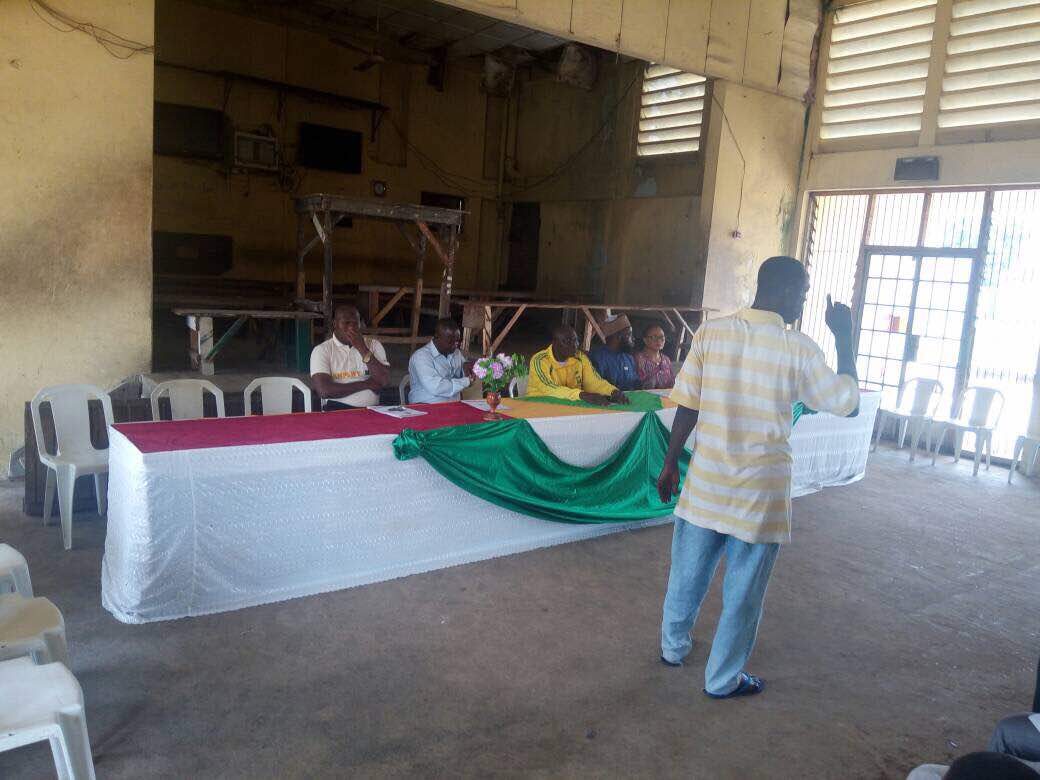
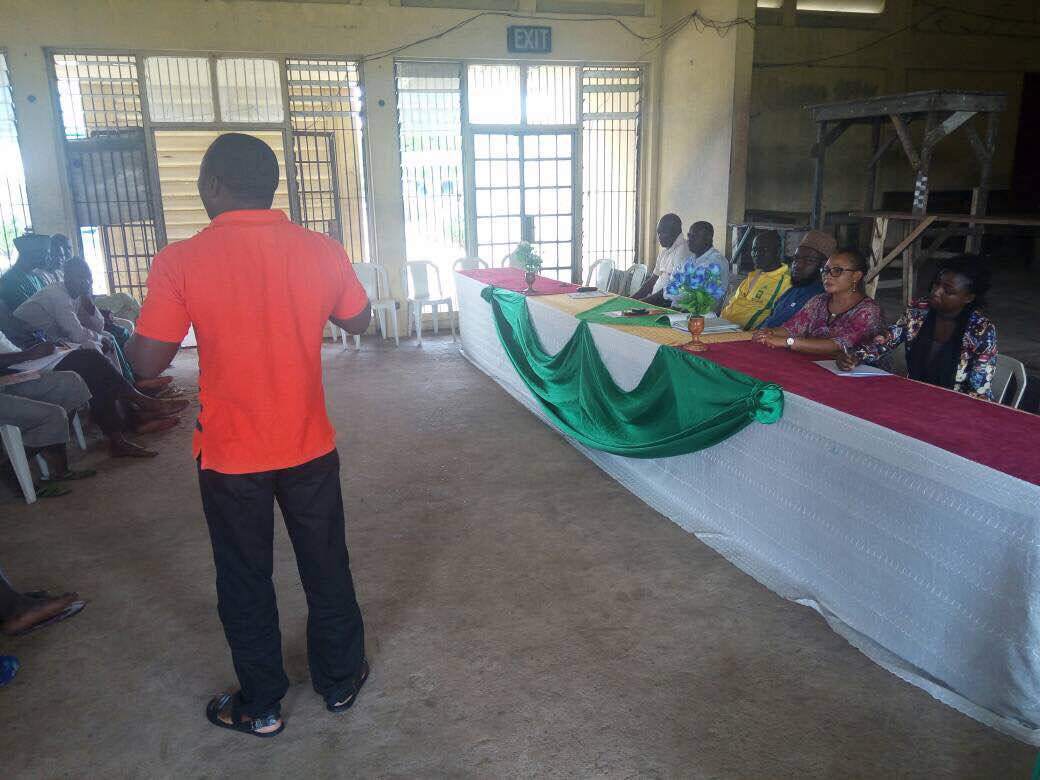
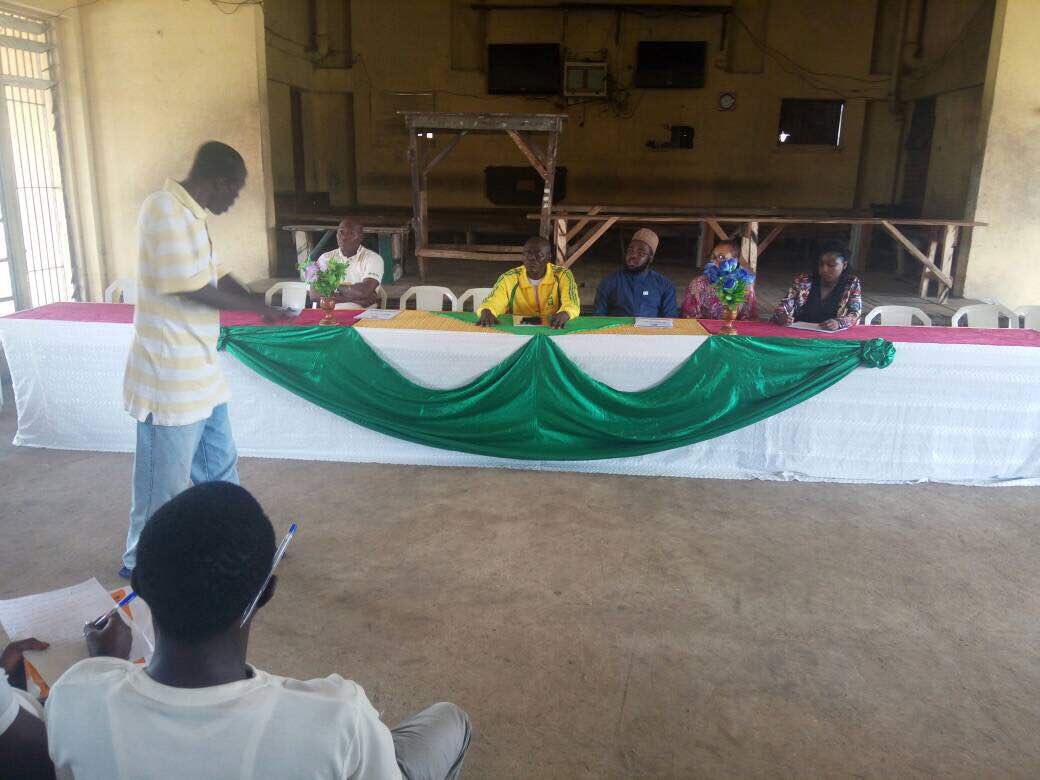
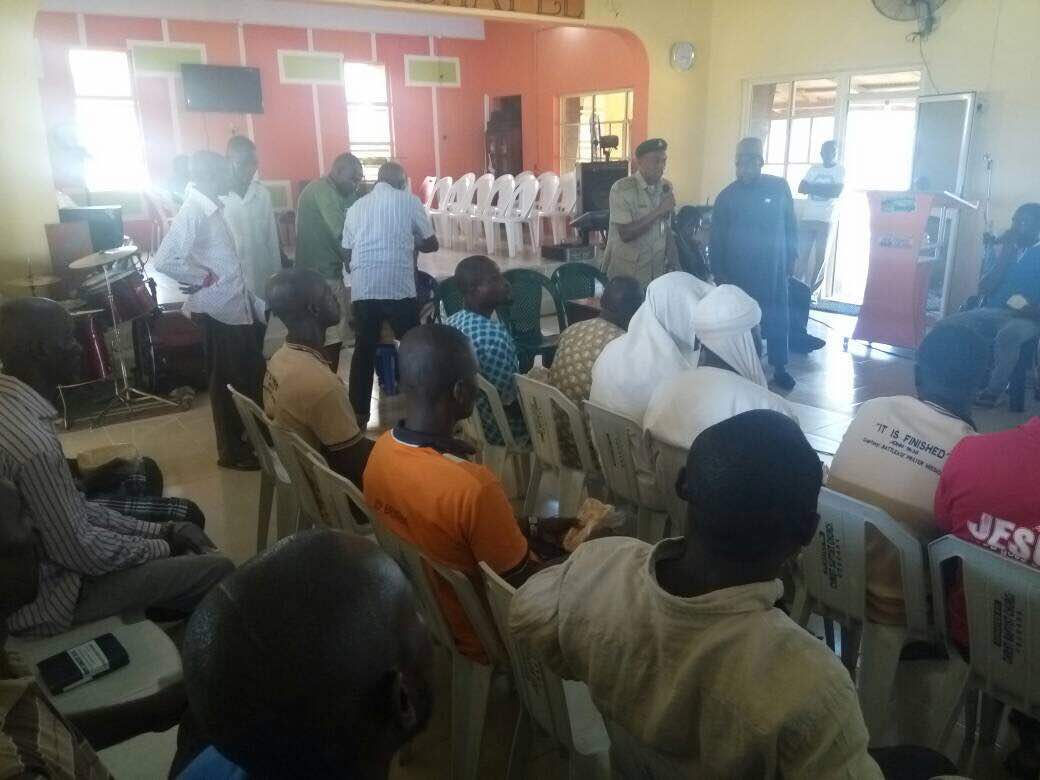
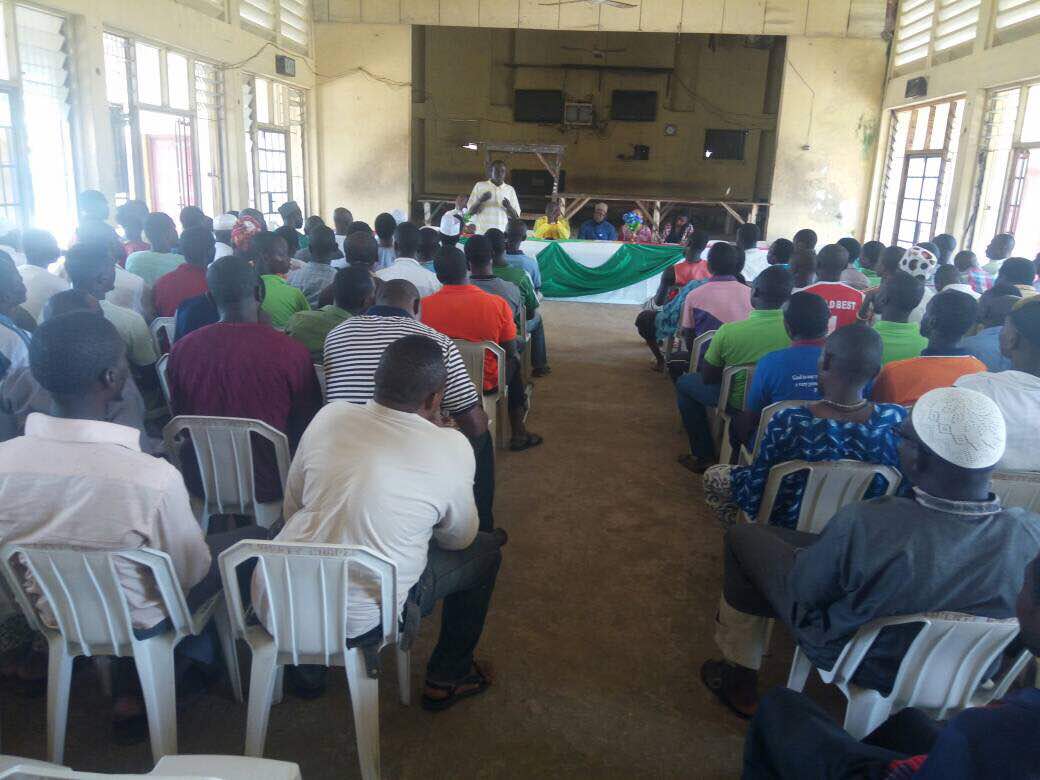
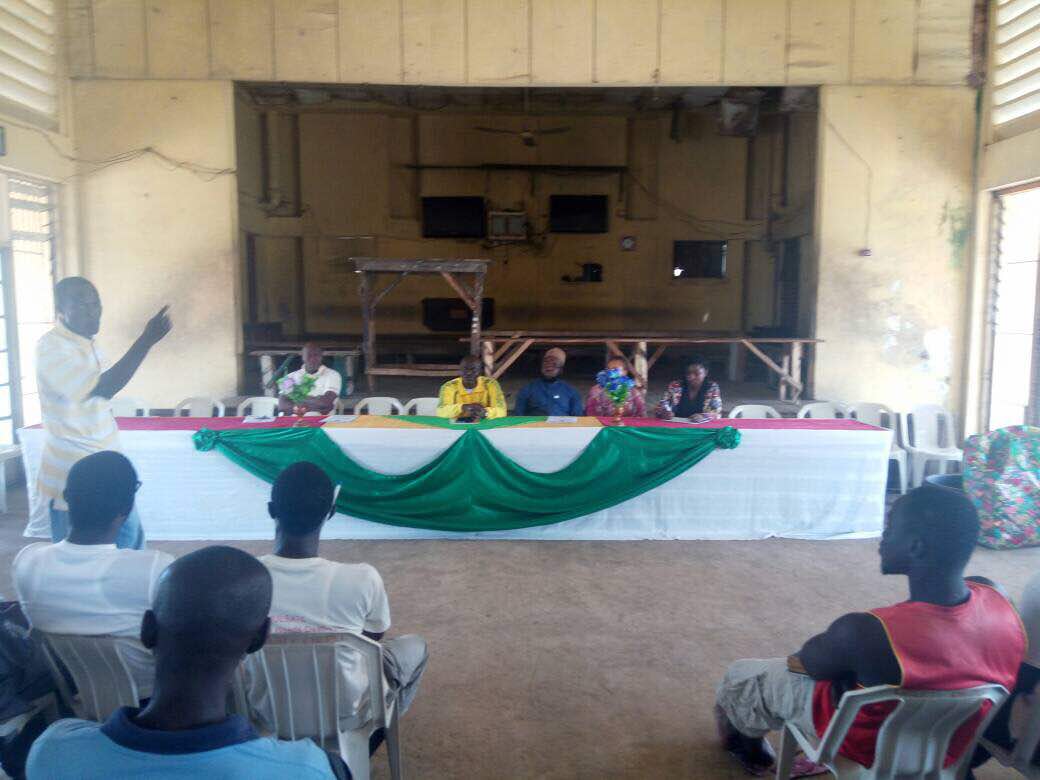
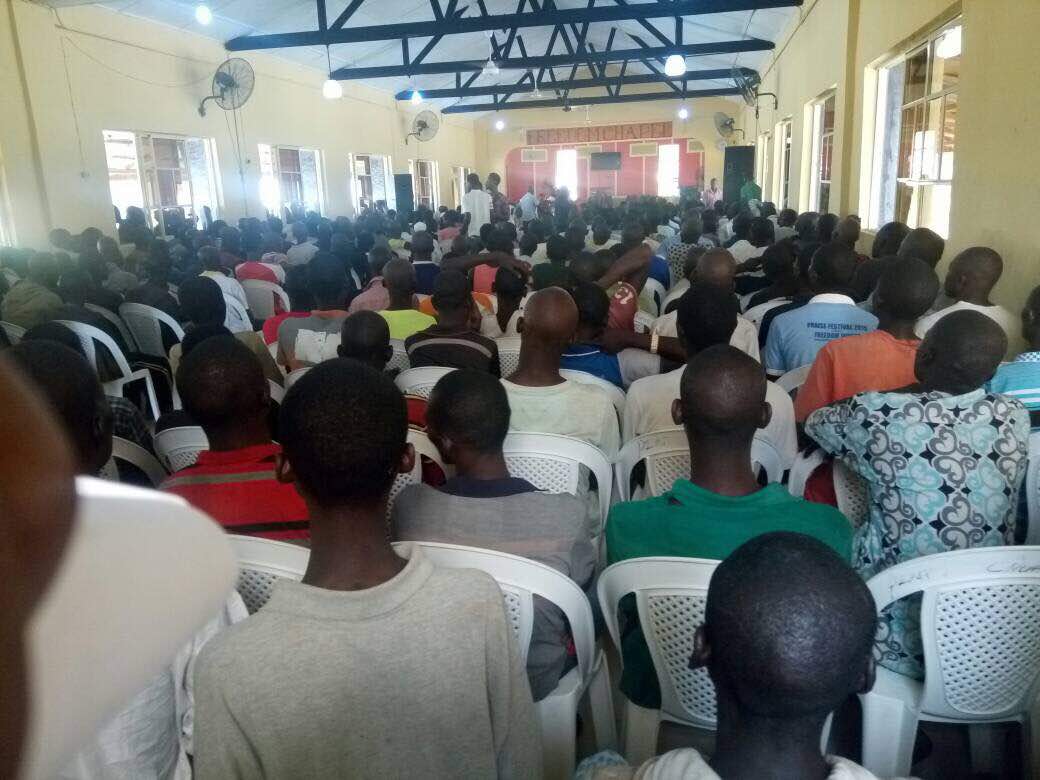
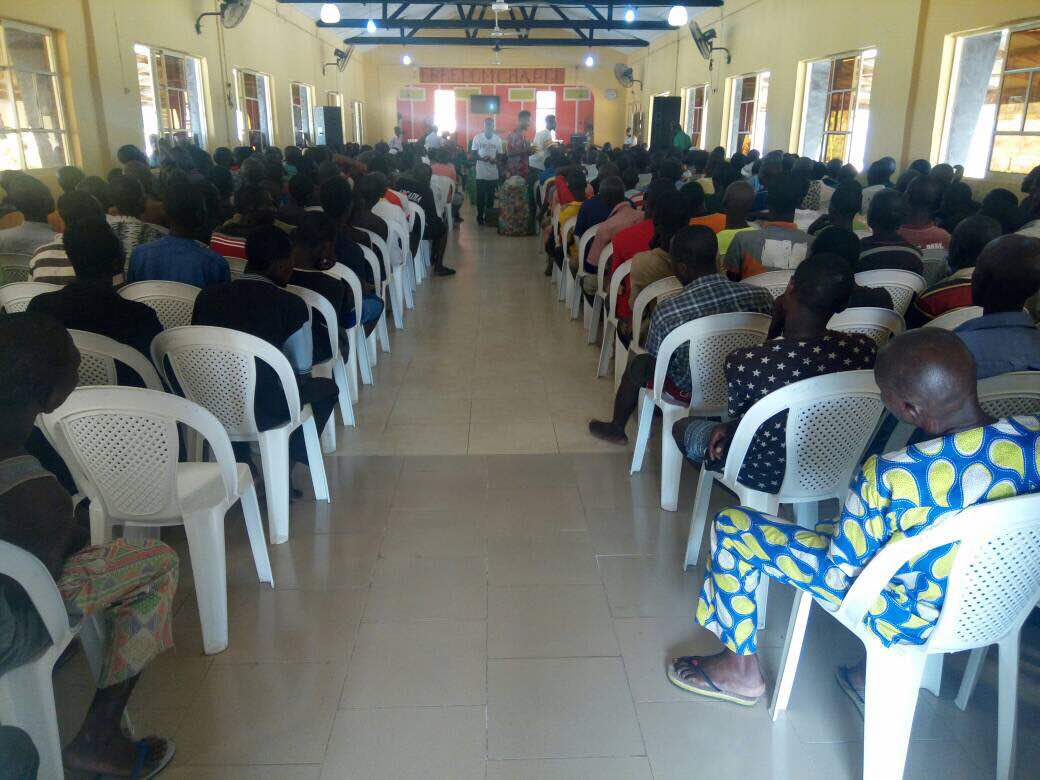
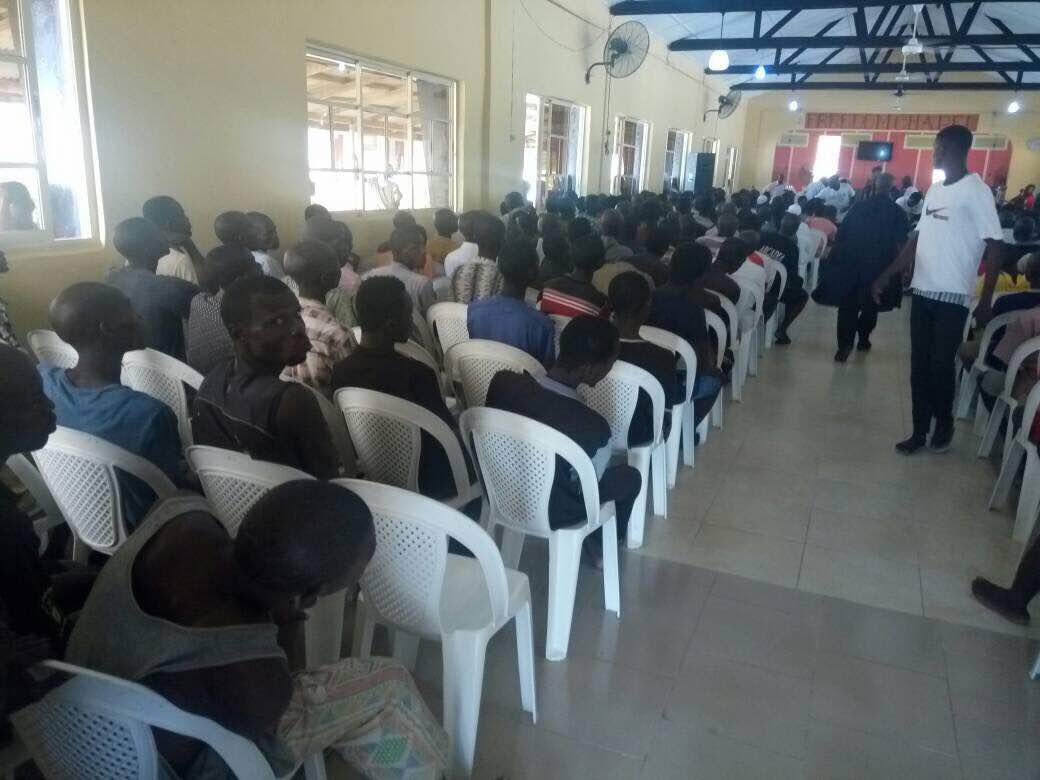
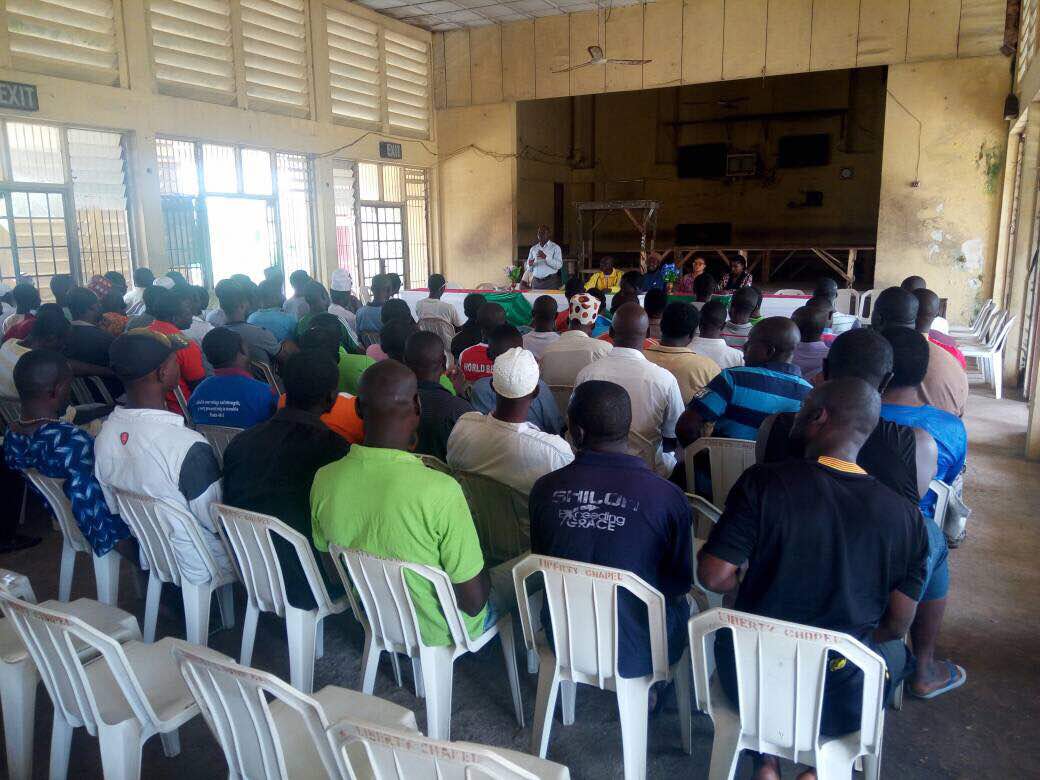
*This paper was delivered on the
17th of October 2017 at the 1st Judicial Summit organized
by the Judicial Committee of the Students’ Union of Lagos State University, Ojo
Campus.
Ahmed Adetola-Kazeem,
MCIArb(UK)
2017 Mandela Washington
Fellow