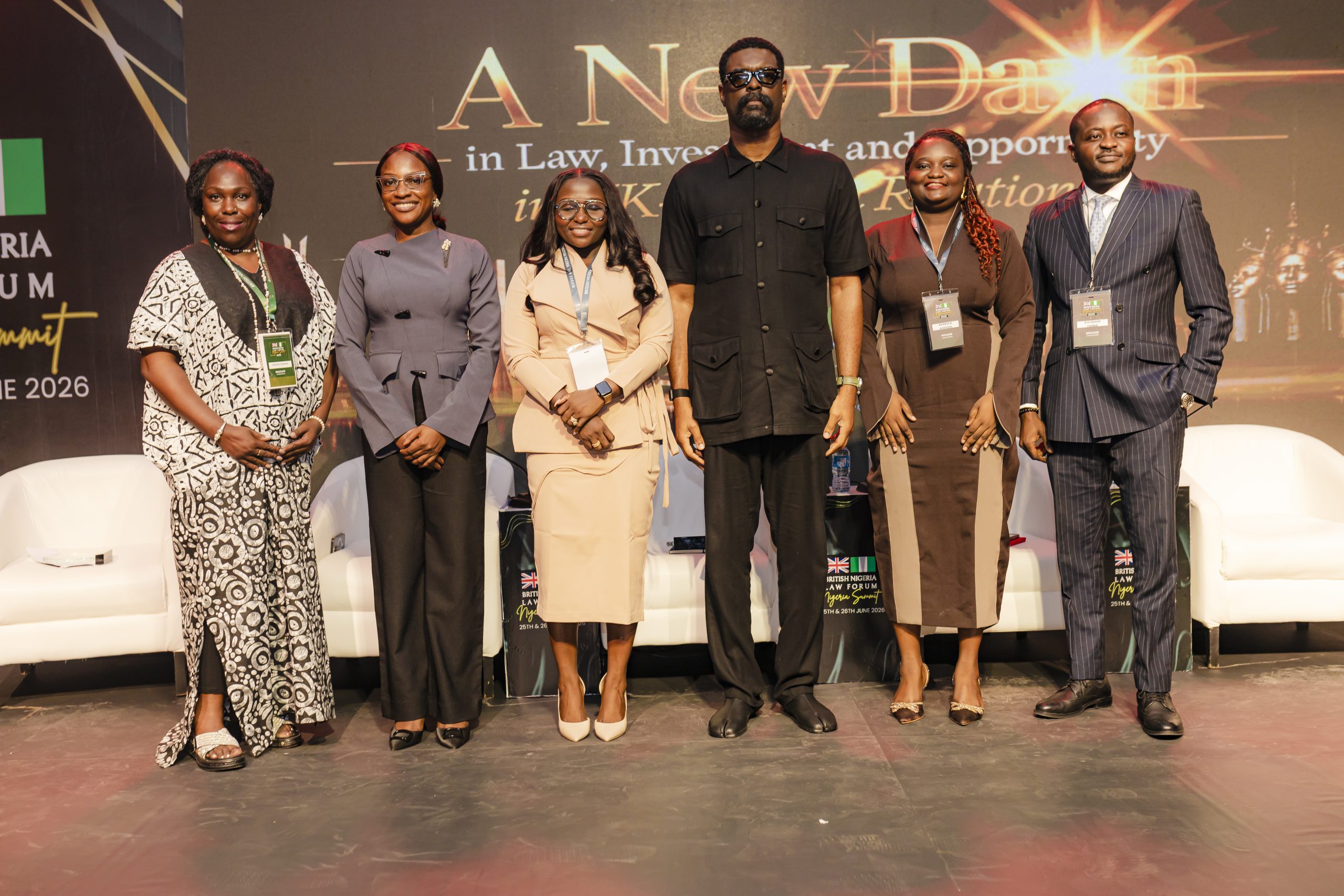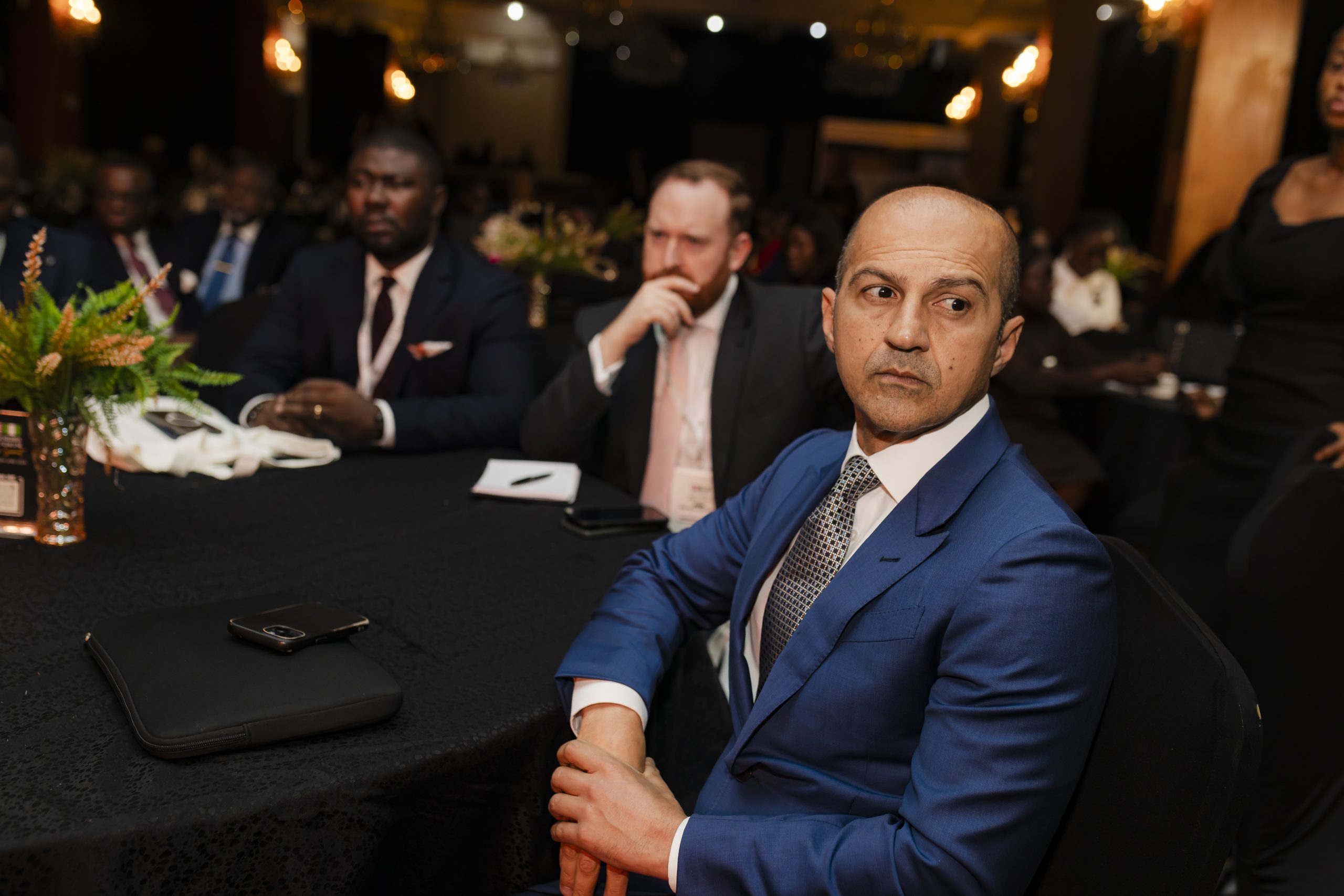
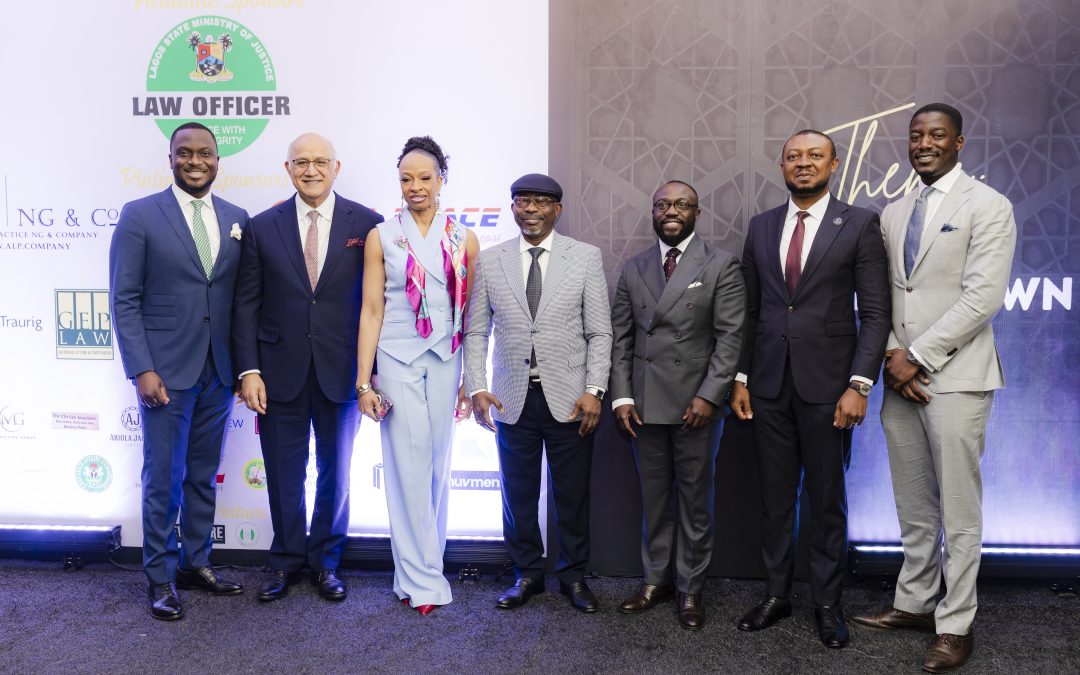
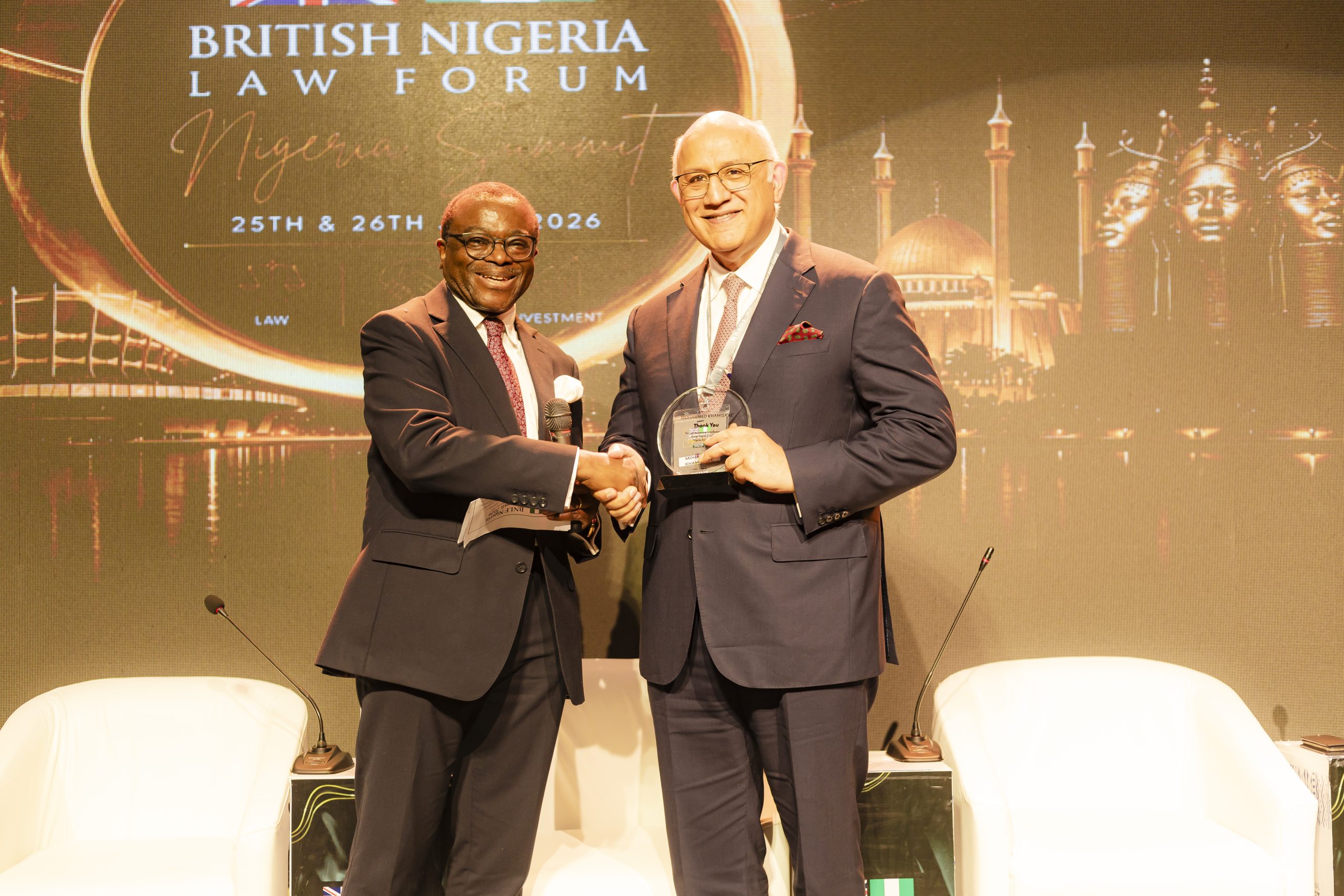
The British Nigeria Law Forum (BNLF) Nigeria Summit 2026 was held on 26th June 2026 under the theme “A New Dawn in Law, Investment and Opportunity in UK-Nigeria Relations.” The Summit commemorated the Forum’s 25th anniversary and convened lawyers, policymakers, business leaders, investors, regulators and professionals from Nigeria and the United Kingdom to discuss strengthening bilateral trade, investment and legal collaboration. The summit featured a Welcome address, a keynote speech, goodwill messages, and five thematic panel sessions focused on tax reform and investment, dispute resolution, intellectual property, cross-border networking, and divestment.
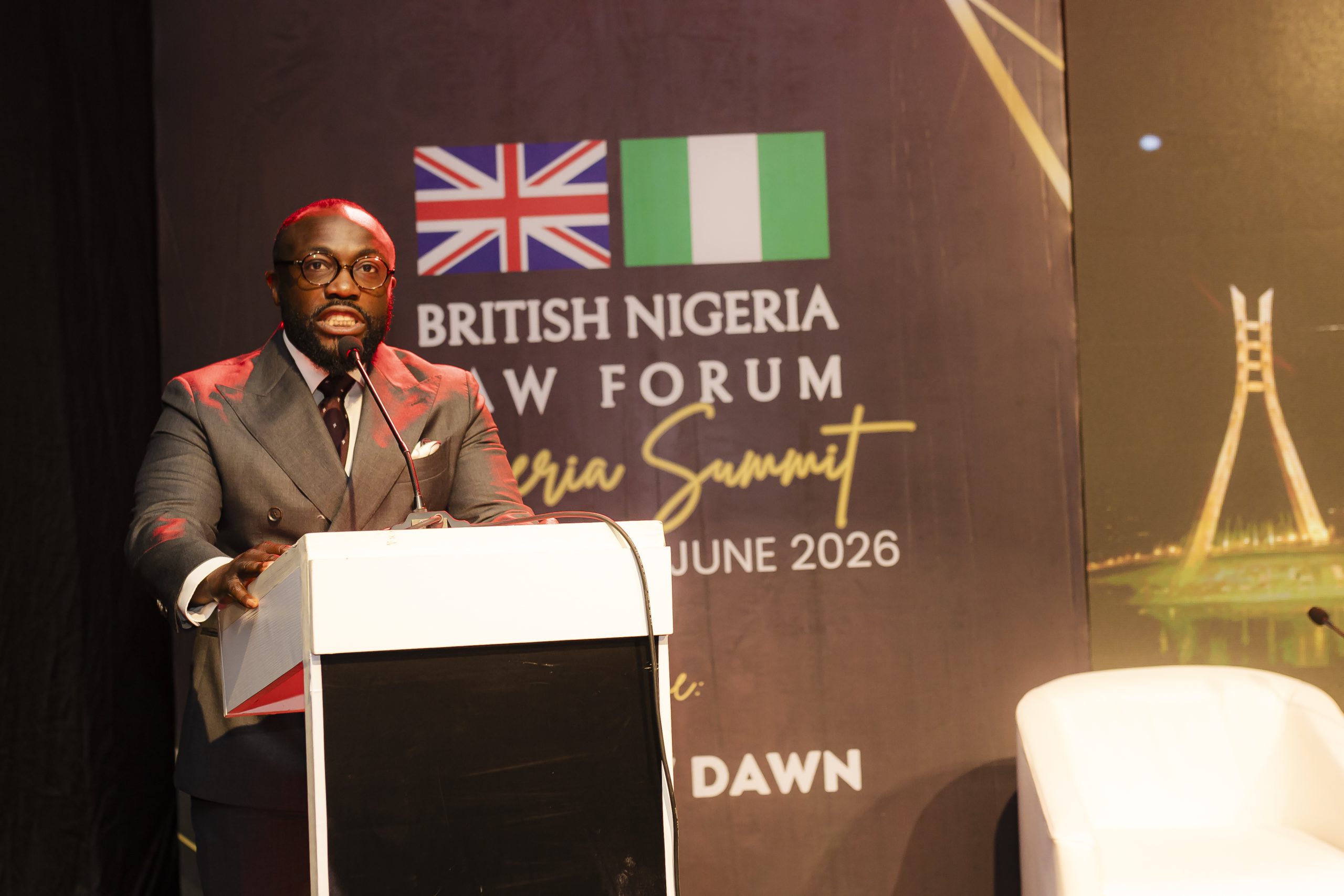
Mr. Kash Balogun, the Chairman of the BNLF, described the Summit as a platform for transforming dialogue into meaningful collaboration. He observed that the relationship between both countries extends beyond historical and sentimental ties; it is commercial, strategic, and rich with untapped potentials. He emphasized that potential alone is insufficient; progress demands a shift from conversation to collaboration, from relationships to results, and from goodwill to actionable opportunity. Reflecting on the BNLF’s 25 years journey, he reiterated the Forum’s commitment to serving as a bridge between both jurisdictions while supporting the next generation of professionals.
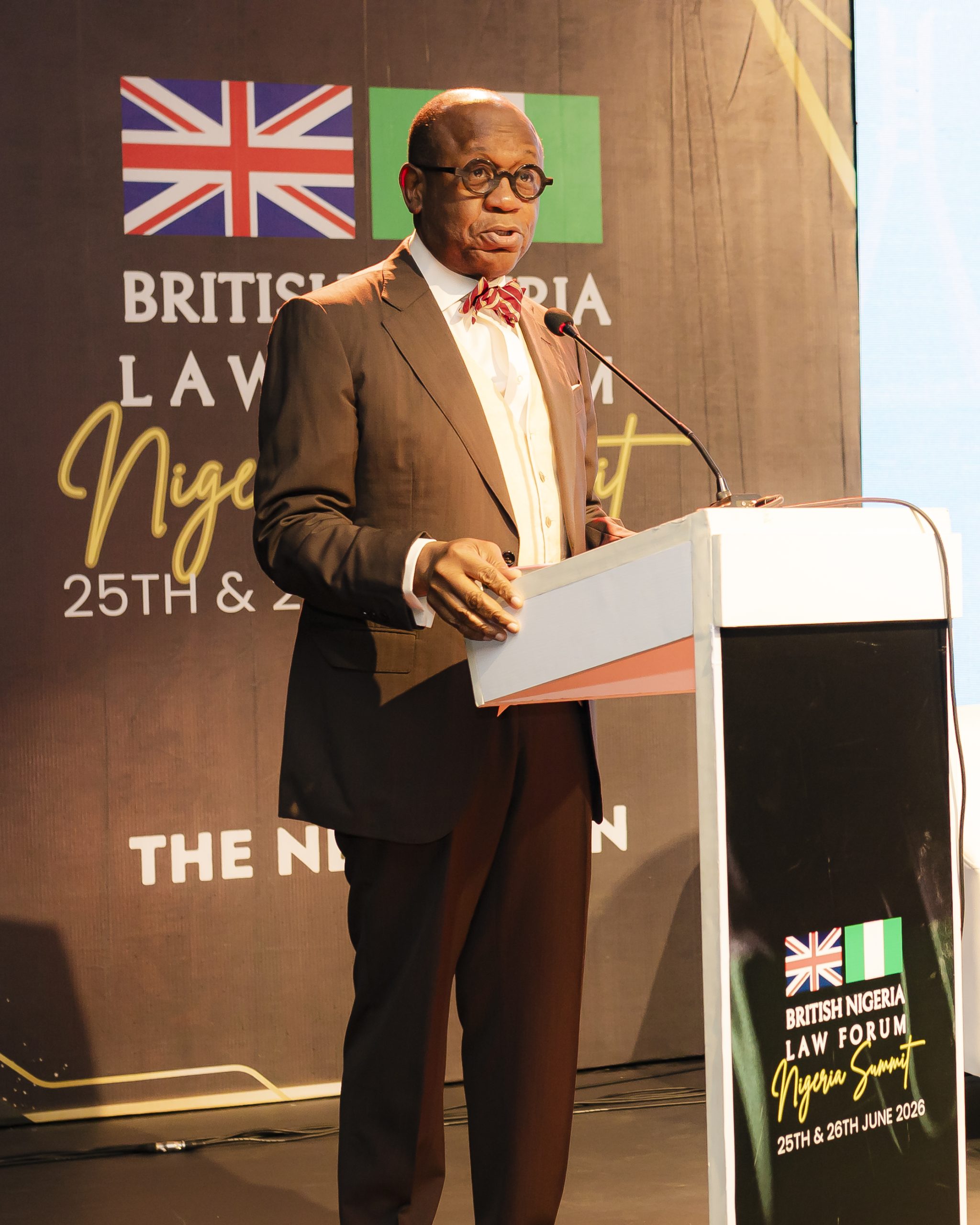
Delivering the keynote address, Professor Konyin Ajayi, SAN, likened the BNLF to a bridge that connects people, ideas, businesses and opportunities. He observed that the future of UK–Nigeria relations depends on trust, institutional strength, certainty, collaboration and fair trade. He urged stakeholders to focus on building confidence, capacity, embrace opportunities, build fair trade and build ambition.
Representing the Governor of Lagos State, Lawal Pedro, SAN, the Attorney General and Commissioner for Justice Lagos State, reaffirmed the State’s commitment to becoming the leading investment destination in West Africa. He noted that recent UK–Nigeria trade and investment agreements have already produced measurable progress in sectors such as financial technology, pharmaceuticals, education and the creative economy. He emphasized that sustainable investment requires legal certainty, transparent regulation, enforceable contracts and effective dispute resolution.

The first panel session explored the theme “Investment Climate under the New Tax Laws- Opportunities for Investors”
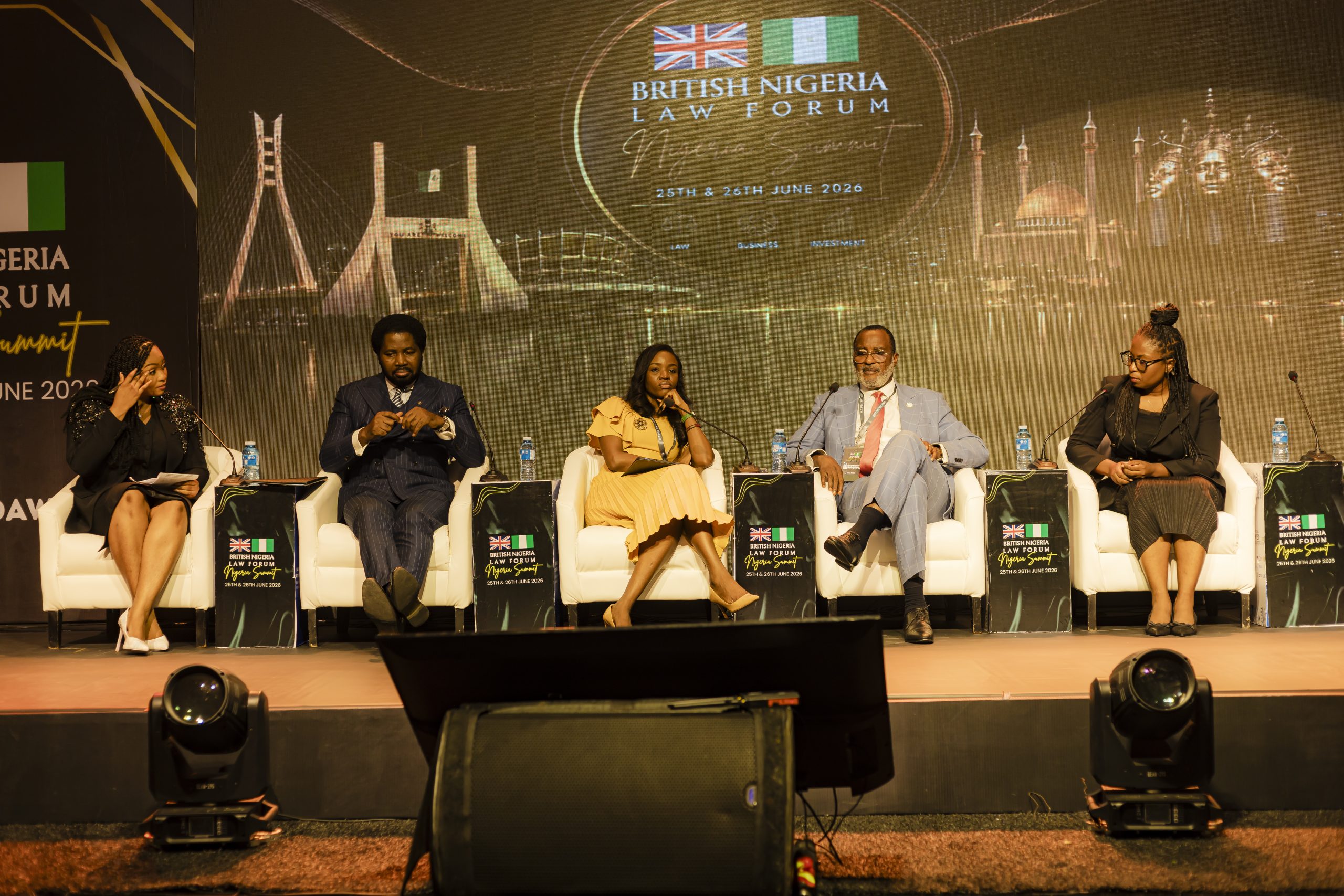
The Speakers examined the impact of Nigeria’s new tax framework on investment and agreed that the reforms represent a significant step towards creating a more business-friendly tax environment but stressed that tax reform alone cannot attract sustainable investment.
Key recommendations from the session included:
- Improving taxpayer education
- Strengthening institutional credibility and policy consistency;
- Attracting more Foreign Direct Investment (FDI) rather than Foreign Portfolio Investment (FPI);
- Encouraging businesses to adopt corporate structures capable of attracting investment; and
- Addressing structural challenges such as infrastructure deficits, currency instability and the trust deficit.
The panel concluded that investor’s confidence ultimately depends on certainty, effective institutions and predictable government policies.
The second panel under the theme “Future-Proofing Dispute Resolution Minimizing Delays and Maximizing Impact” explored strategies for improving commercial dispute resolution and reducing delays.

Speakers highlighted Lagos’ growing reputation as a regional dispute resolution hub through institutions such as the Lagos Court of Arbitration, the Lagos Multi-Door Courthouse and the Commercial Court. They emphasized the need for faster enforcement of arbitral awards, improved judicial capacity and stronger legislative reforms to enhance Nigeria’s credibility in international commercial transactions. The discussion also underscored the importance of cross-border cooperation and effective enforcement mechanisms in protecting commercial interests.
The third panel under the theme “Exploring the Business of Creativity, Intellectual Property Law Changes and Capital Flows” focused on intellectual property as an economic asset capable of attracting investment.

Speakers encouraged creators to register and protect their intellectual property at the earliest opportunity, noting that ownership remains the foundation for commercialization and investment. The panel also highlighted the growing impact of artificial intelligence on copyright law and the need for legislative reforms to address emerging technological developments. Other recommendations included developing a credible intellectual property valuation framework, strengthening judicial expertise in IP disputes, promoting licensing over outright assignment of rights, and improving access to IP financing.
The fourth panel under the theme “Cross-Border Networking – The Relationship stories behind Global Opportunities” examined the role of professional relationships in creating global opportunities.

Speakers emphasized that meaningful networking is built on authenticity, consistency and mutual value rather than transactional engagement. Participants were encouraged to communicate the value they offer, remain accessible, volunteer within professional communities and cultivate long-term relationships capable of generating future opportunities. The session reinforced the importance of trust and credibility as essential components of successful cross-border professional practice.
The final panel under the theme “Beyond Exit: What Divestment Means for Investment and Growth” considered the implications of divestment across key sectors of the Nigerian economy.
Speakers observed that corporate divestment should not necessarily be viewed negatively but rather as an opportunity for indigenous participation and increased domestic investment. Real estate, infrastructure and special economic zones were identified as sectors with significant investment potential. The panel also stressed the need for transparent land administration, improved power infrastructure, digitalization of regulatory processes and long-term policy stability to attract sustained investment.
Conclusion
The BNLF Nigeria Summit 2026 reaffirmed the importance of strong legal institutions, strategic partnerships and predictable regulatory frameworks in advancing UK–Nigeria relations. As the Forum celebrates twenty-five years of fostering collaboration between both jurisdictions, the Summit demonstrated that sustainable investment and economic growth will depend on trust, innovation, effective governance and continued engagement between governments, legal practitioners, businesses and investors. Overall, the Summit provided practical insights and actionable recommendations capable of strengthening the legal and commercial relationship between Nigeria and the United Kingdom while positioning both countries for greater collaboration in the years ahead.